REVIEW · ROME
Vatican Museums, Sistine Chapel & St. Peter’s Basilica Tour
Book on GetYourGuide →Operated by Enjoy Rome · Bookable on GetYourGuide
Fast-track Vatican art in just a few hours. I like that this tour gets you past the ticket-line with skip-the-line entry, so you can spend more time looking than waiting. I also like the pacing that keeps the most famous rooms in view—especially the Sistine Chapel—while still throwing in major museum stops many first-timers miss. The one thing to watch: with a 2–3 hour window, the Vatican can still feel crowded and a bit quick, so it helps to know you’re choosing a highlight reel, not a slow wander.
I’d treat this as a smart way to get your bearings in Vatican City. You move through courtyards and galleries with a professional, licensed guide, and you get headsets so you don’t lose the story when you’re standing with hundreds of other people. On the logistics side, everyone still does airport-style security, and St. Peter’s can have special morning closures that change the flow.
In This Review
- What I Think You’ll Really Like (and a heads-up)
- Quick Key Points Before You Go
- Skip-the-line Meets the Reality Check: Security and Crowd Time
- Meeting Near Via Germanico: How You Start This Vatican Walk
- The Vatican Museums Route: Courtyards That Set Up the Masterpieces
- Where pacing can feel tight
- Gallery of Maps, Candelabra Gallery, and Pio Clementino Rooms
- Tapestries and the Vatican Corridor Feel
- Sistine Chapel: What You Should Watch For
- St. Peter’s Basilica and Michelangelo’s La Pietà
- Dome Time: What the Visit Adds
- How Much Is $72 Worth for Vatican City?
- Languages, Groups, and the Human Side of the Guide
- Restrictions That Can Actually Stop Entry
- Should You Book This Vatican Museums, Sistine Chapel & St. Peter’s Tour?
- FAQ
- How long is the Vatican Museums, Sistine Chapel & St. Peter’s Basilica tour?
- What does the tour cost?
- Do I skip the ticket line for the Vatican Museums and the Sistine Chapel?
- Is St. Peter’s Basilica skip-the-line included?
- Which languages are available for the guided tour?
- Is St. Peter’s Basilica ever closed during the tour?
- What clothing rules do I need to follow for entry?
What I Think You’ll Really Like (and a heads-up)
In the best-case setup, you’ll walk out feeling like the Vatican makes sense—how the museum collections connect to the Sistine Chapel and then to St. Peter’s. Guides you may encounter include Marco, Paulo, Solomon, Maria, Mirko, Sarah, and Fabio, and people have praised their clear explanations and big-picture storytelling. The drawback is simple: it’s not unlimited time, and it’s a walking tour, so comfort depends on your ability to stand and move for a few hours.
Quick Key Points Before You Go

- Fast-track entry means you’re not stuck at the main ticket line for the Vatican Museums
- Headsets included so you can actually hear the guide through the crowds
- Expert guide route that includes major stops like the Maps, Candelabra Gallery, and Pio Clementino rooms
- Sistine Chapel focus with a guided pass through one of the most visited rooms in the world
- St. Peter’s Basilica add-on to see Michelangelo’s La Pietà (and sometimes more time depending on the day)
- Security + dress rules are the real gatekeepers, not the tour itself
You can also read our reviews of more museum experiences in Rome
Skip-the-line Meets the Reality Check: Security and Crowd Time
The biggest practical win is the fast-track access. You skip the ticket line for the Vatican Museums, and the tour also includes skip-the-line access for the Sistine Chapel. In plain terms: you trade waiting in a long queue for time spent inside looking at art.
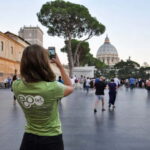
That said, Vatican security still happens. You’ll go through airport-style screening, and in high season the wait at security can reach up to 30 minutes. If you’re the kind of person who hates lines, plan your day so you’re not rushed on the front end. When people feel like the experience is rushed, it’s often because they lost time earlier to security and then got squeezed by crowd density inside.
Meeting Near Via Germanico: How You Start This Vatican Walk
Your meeting point can vary depending on the option you pick, but the listed starting area is in the Via Germanico area (Via Germanico, 8). Once you meet up, the tour gives you free Wi‑Fi at the meeting point, plus bathroom access and a device recharging station—small details that matter when you’re about to spend hours on your feet with very limited opportunities to stop.
You’ll also want to come ready for the Vatican’s dress rules. Shoulders and knees must be covered, and you can be refused entry if you don’t follow it. That means no shorts, no sleeveless shirts, and no short skirts. Bring a light layer if your outfit is borderline, especially in shoulder seasons when the temperature can shift fast.
The Vatican Museums Route: Courtyards That Set Up the Masterpieces
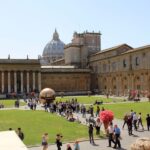
This tour starts by moving you through some of the Vatican’s signature spaces—places that help you understand why the museums matter, not just what they contain. You’re guided through the Pine Courtyard and the Belvedere Courtyard, which are both key “transition” areas. In these courtyards, the architecture and layout make it easier to follow the route your guide will use for the rest of the day.
From there, you move into museum rooms and galleries that feel like the Vatican’s own filing system for art and ideas. The point isn’t to list everything; it’s to give you a sequence. When you walk in at the right moment, you start recognizing repeated motifs—classical references, sculptural styles, and the way later artists built on earlier ones.
Where pacing can feel tight
The museum portion is part of the highlight plan, so you’ll see major spaces rather than spending long stretches in a single room. If you love lingering, bring a mindset shift: focus on a few “must-see” objects your guide points out and use the rest as context.
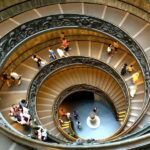
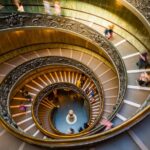

Gallery of Maps, Candelabra Gallery, and Pio Clementino Rooms
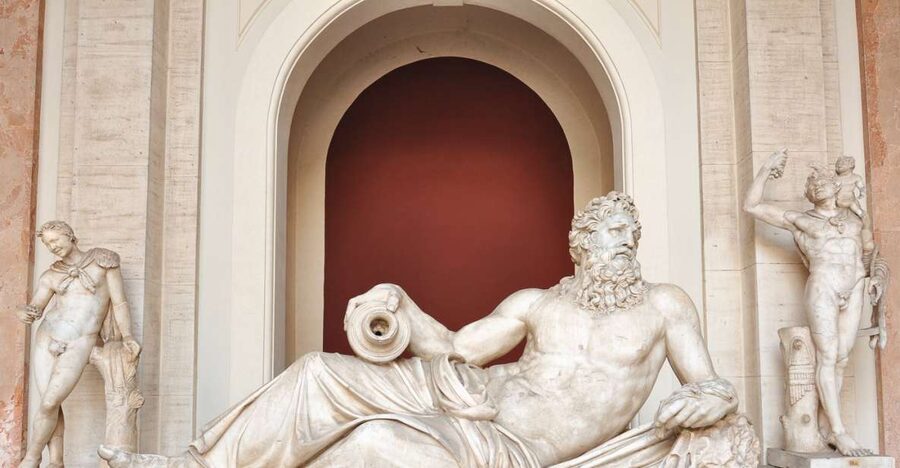
A big reason this tour works for first-timers is that it doesn’t only sprint toward the Sistine Chapel. It sets up the Sistine moment by showing you a range of Vatican collecting styles.
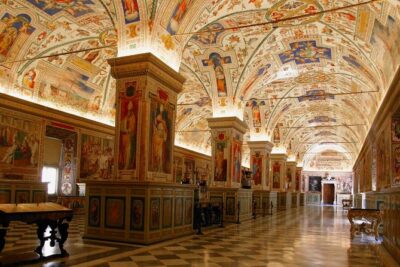
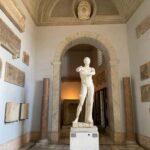
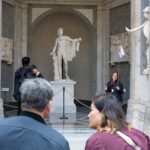
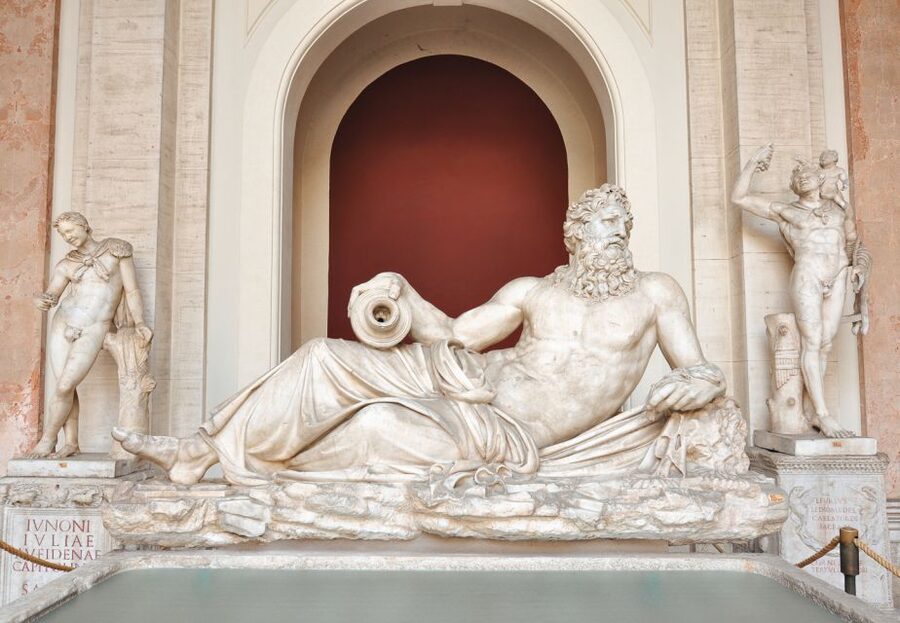
You’ll visit the Gallery of Maps and galleries tied to famous classical collections. Then the tour includes the Gallery of the Candelabra, a standout stop if you like Roman-era artistry and dramatic interior decoration. After that, you go into Pio Clementino’s Rooms, where the museum’s collection feels like a curated education in how the Vatican preserved and displayed art for centuries.
Why these stops matter: they explain the Vatican Museums as more than a hallway to Michelangelo. They show how the Vatican built a worldview around art—classical fragments, sculptural training, and storytelling through display design. That makes the later Sistine Chapel experience hit harder, because you’ve already been guided through the Vatican’s visual “language.”
Tapestries and the Vatican Corridor Feel
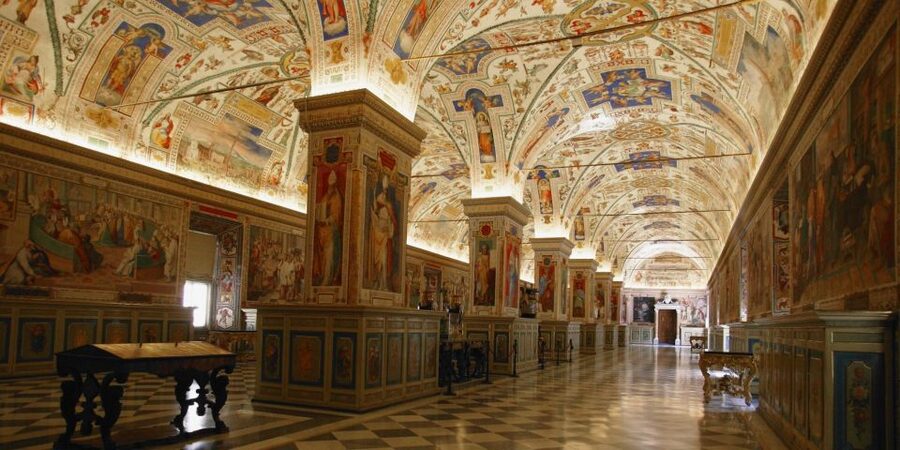
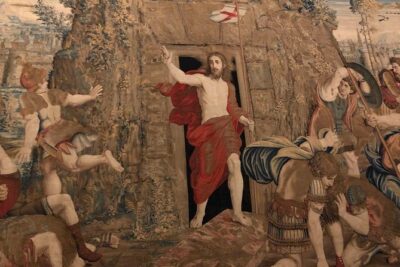
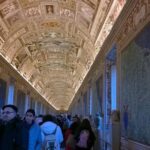
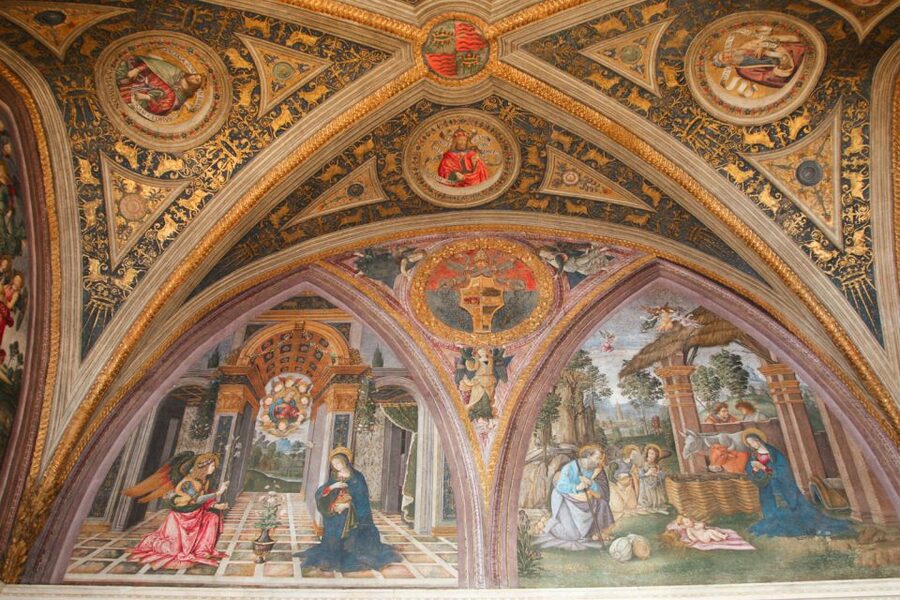
The route also includes the Tapestry Gallery, which helps break up the stone-and-marble vibe with something more textile-based and decorative. You’ll also pass through some museum corridor galleries, which can feel like a walk through the Vatican’s backstage—less famous than the big rooms, but useful for understanding how the building is organized.
These corridor sections are where you can often catch small surprises: a room layout that clarifies the route, a shift in lighting and display style, or details your guide connects to the bigger story. Even if you only catch bits, it adds up.
Sistine Chapel: What You Should Watch For
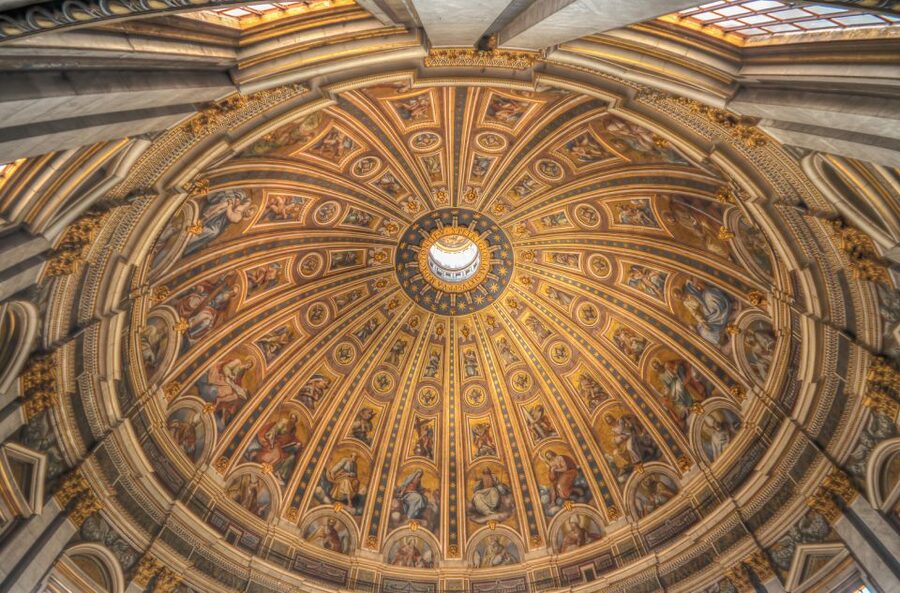
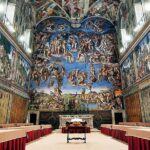
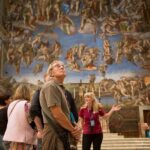
The Sistine Chapel is the headline, and you get a guided experience there. The tour includes skip-the-line access to the Sistine Chapel, and your guide leads you through key points so you don’t just look up at ceiling scenes without context.
The practical reality: you’ll be among many people. Headsets help you stay tuned to the guide, and a good guide keeps the information human-sized—enough to understand what you’re seeing without turning it into an encyclopedia.
If your goal is to feel the art rather than just photograph it, this is the moment to slow down within the limits of the crowd. Pick a few focal areas your guide highlights. Then let your eyes do the rest.
St. Peter’s Basilica and Michelangelo’s La Pietà
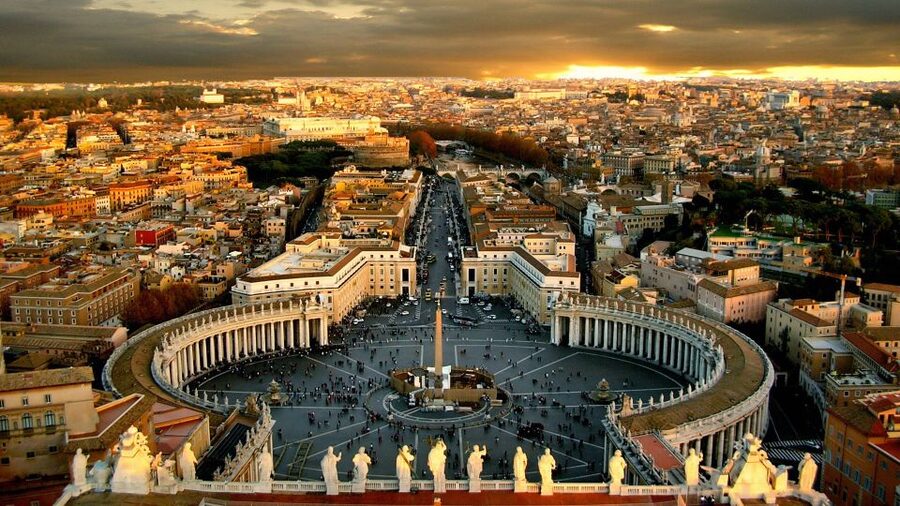
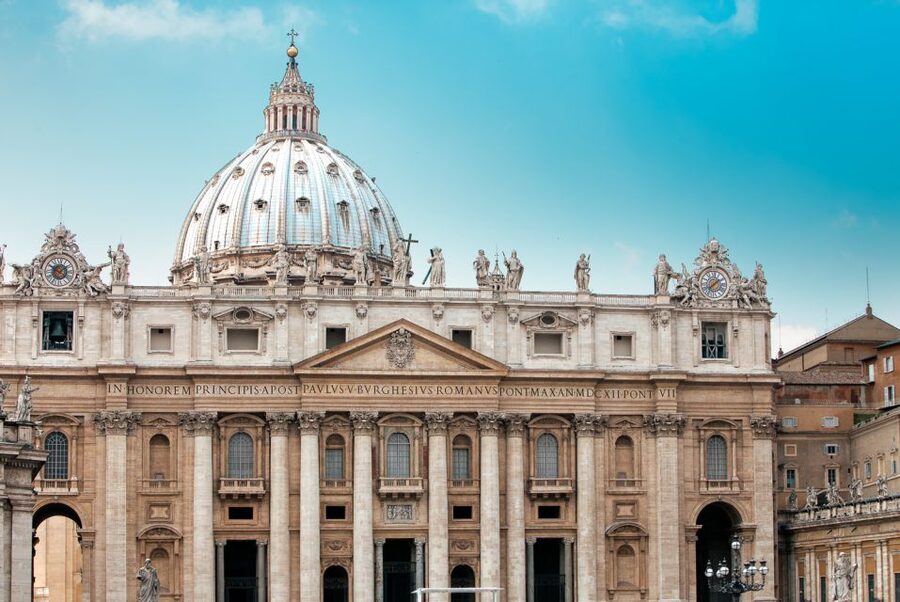
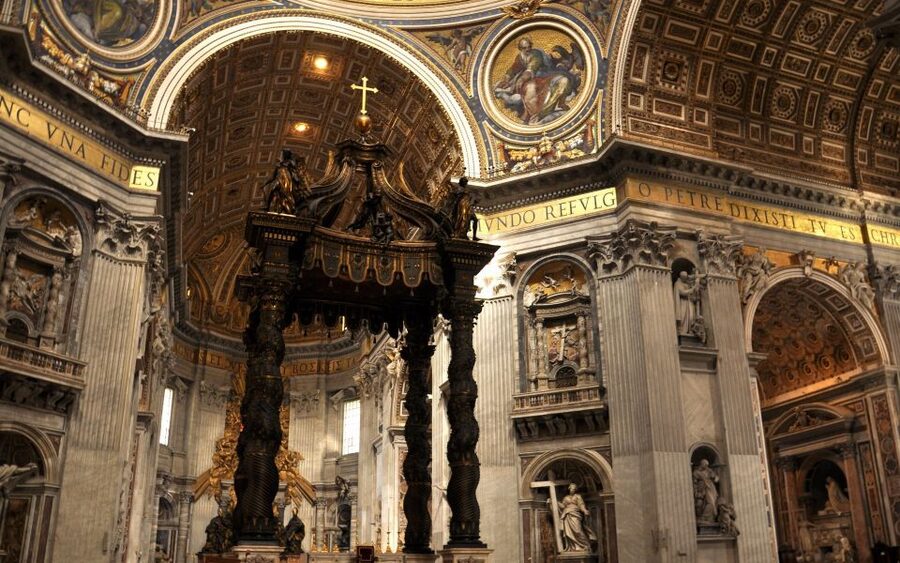
After the museum portion, the tour moves to St. Peter’s Basilica. A standout included feature is the chance to see Michelangelo’s La Pietà. This is a sculpture that hits differently in person. Up close, you notice the work’s emotional intensity and how Michelangelo used form to make a religious scene feel immediate.
One scheduling note matters here: St. Peter’s Basilica has closure windows on specific days. On Wednesdays and Saturdays from 8:00 AM to 12:00 PM, St. Peter’s is closed, and during those times the tour visits other parts of the museums instead. So if your trip lands on one of those windows, don’t assume your St. Peter’s time will be identical.
Also, St. Peter’s Basilica and the Sistine Chapel can close without notice on rare occasions. When that happens, your guide will route you through other parts of the museum. It’s not the tour’s fault, but it is a reason to keep your expectations flexible.
Dome Time: What the Visit Adds
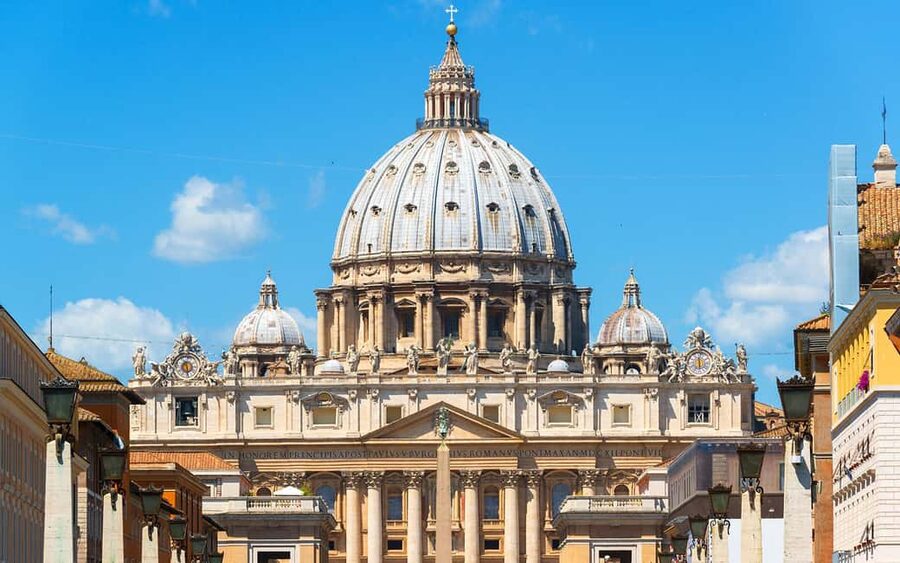
The tour includes a St. Peter’s Basilica Dome visit. The exact flow of dome time can depend on how your day runs, but if the dome is on your list, this is the piece that turns your visit from “art only” to “views and scale” too. Climb time usually feels more manageable when the rest of the day is guided and timed, since you’re not guessing where you’ll be next.
If you’re walking less comfortably, remember that a dome visit means stairs and steady footing. Plan accordingly.
How Much Is $72 Worth for Vatican City?
At $72 per person with a 2–3 hour duration, this is positioned as a value-focused highlight tour. You’re paying for two things most people struggle to manage on their own: fast access and interpretation.
Skip-the-line access to the Vatican Museums, Sistine Chapel, and possibly St. Peter’s (depending on the option selected) can save you enough time to make the visit feel rewarding rather than frantic. The included headsets also protect your money’s worth, because a guide who’s audible is a guide you actually benefit from.
So who is it best for? If you have limited time and you want your visit to have direction, this price makes sense. If you have several days and you love slow wandering, you might prefer a self-paced day plus one guided session later. Here, you’re choosing efficiency with expert help.
Languages, Groups, and the Human Side of the Guide
This tour offers multiple languages: Spanish, Italian, German, English, and French. Group size can be private or small-group, depending on what you book. In a smaller setting, you typically get more space for questions and pacing that feels easier to follow.
One of the most praised parts of the experience is the guide. People have singled out guides like Marco for friendliness and strong answers to extra questions, Paulo for thorough explanations, Solomon for an energetic, knowledgeable delivery, Maria for passion and interactive sharing, Mirko for clear communication, Sarah for being interactive, and Fabio for making the material interesting.
A fun detail that comes up in real guide style: you might hear playful references—one example mentioned was Gladiator, used as a bridge to classical themes. It’s that kind of “connect the dots” approach that turns a famous building into something you actually remember.
Restrictions That Can Actually Stop Entry
Before you get dressed, double-check what the tour enforces. Pets are not allowed. Weapons or sharp objects are not allowed. Clothing matters: no shorts, no short skirts, no sleeveless shirts. Shoulders and knees must be covered at all times. If you show up outside those rules, you may be refused entry.
Also, the tour is not suitable for wheelchair users. If mobility is an issue for you, it’s better to choose an alternative format designed for accessibility.
Should You Book This Vatican Museums, Sistine Chapel & St. Peter’s Tour?
I’d book this tour if you want a guided Vatican that gets you moving through the right rooms without wasting time in the wrong lines. It’s a strong fit for first-timers with limited time who still want the experience to feel explained, not just observed.
Skip it if you’re hoping for a slow, reflective museum day where you can sit in silence and take your time. In a 2–3 hour format, the Vatican will be busy, and even the best guide can’t turn crowds into empty galleries.
My final advice: if St. Peter’s Basilica and the Sistine Chapel are both must-sees, this is one of the most efficient ways to stitch them together. Just show up dressed right, come early enough to handle security, and treat it like a curated route through the Vatican’s biggest “story beats.”
FAQ
How long is the Vatican Museums, Sistine Chapel & St. Peter’s Basilica tour?
The duration is listed as 2–3 hours, depending on starting times and how the day flows.
What does the tour cost?
The price is $72 per person.
Do I skip the ticket line for the Vatican Museums and the Sistine Chapel?
Yes. The tour includes skip-the-ticket-line access to the Vatican Museums and skip-the-line access to the Sistine Chapel.
Is St. Peter’s Basilica skip-the-line included?
St. Peter’s Basilica skip-the-line access is included if you select that option.
Which languages are available for the guided tour?
The tour offers live guiding in Spanish, Italian, German, English, and French.
Is St. Peter’s Basilica ever closed during the tour?
Yes. St. Peter’s Basilica is closed on Wednesdays and Saturdays from 8:00 AM to 12:00 PM. During those times, the tour visits other parts of the museums.
What clothing rules do I need to follow for entry?
Shoulders and knees must be covered at all times. Shorts, short skirts, and sleeveless shirts are not allowed.