REVIEW · HAMBURG
Ticket for the Emigration Museum BallinStadt Hamburg
Book on Viator →Operated by BallinStadt Auswanderermuseum Hamburg · Bookable on Viator
Four eras of migration fit in one ticket.
At BallinStadt Emigration Museum Hamburg, you move through three houses and follow an English audio guide that frames the human side of migration across time, with plenty of hands-on moments built in. I especially like the way it turns big, complicated history into something you can actually do, not just read.
My only caution: the museum’s current focus is on migration as a whole, not only emigration via Hamburg before 1934. If you came expecting a deep dive that stays strictly in that earlier window, you may feel the spotlight shifts.
In This Review
- Key things to know before you go
- Entering BallinStadt: Three Houses, 2,500 Sqm of Human Stories
- The English Audio Guide and Four Eras That Move the Story Forward
- Albert Ballin and the Family Research Center: Where Curiosity Gets Personal
- Inside the Three Houses: What to Expect in Each Part of BallinStadt
- House 1: The core Hamburg emigration focus
- House 2: A bridge into a wider migration picture
- House 3: The migration idea expands beyond one era
- Interactive Games and Jette the Museum Rat for Kids
- Your 90-Minute Plan: How to Get the Most Without Feeling Rushed
- Price and Value: Is €15.62 Worth It?
- Who Should Book BallinStadt (and Who Might Skip It)
- Practical Notes: Timing, Getting There, and What to Bring
- Should You Book? My Decision Checklist
- FAQ
- How long is the BallinStadt Emigration Museum ticket experience?
- Is the experience offered in English?
- What’s included with the ticket?
- Is it good for children?
- Are service animals allowed?
- What is the cancellation policy?
Key things to know before you go
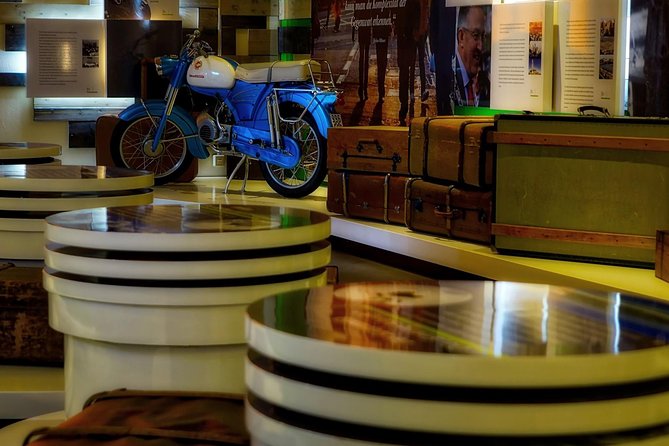
- Three-house layout in one visit across about 2,500 sqm, so you’re not bouncing between buildings.
- English audio guide that carries you through four distinct eras.
- Albert Ballin connection: the museum ties its story to the founder behind the old emigration halls in Hamburg.
- Family research center where you can search your own genealogy.
- Interactive play for kids, including a museum rat named Jette for the little ones.
- Games and hands-on activities that keep the experience from feeling like a lecture.
Entering BallinStadt: Three Houses, 2,500 Sqm of Human Stories
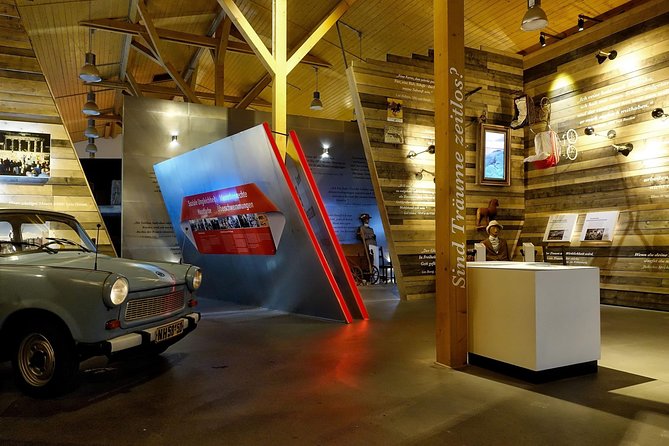
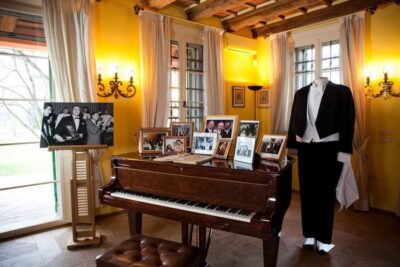
BallinStadt (BallinStadt Auswanderermuseum Hamburg) is a museum built around movement—what it means to leave, what you carry, and what you leave behind. What I like first is the physical plan: it’s laid out in three houses, so your visit feels like a guided path through a single story rather than scattered rooms.
At roughly 2,500 square meters, it has enough space that you can slow down where you want. You’ll find yourself stopping for interactive stations, not just walking past artifacts. That matters because the topic—emigration and immigration—can get heavy fast, and the museum balances it with activities that make you think, then respond.
You should also know the tone is human and practical. Even when the exhibit is historical, it keeps coming back to motives: war, hunger, persecution, and the longtime pull of opportunity. That framing helps you connect old migration patterns to questions that still matter today.
A few more Hamburg tours and experiences worth a look



The English Audio Guide and Four Eras That Move the Story Forward
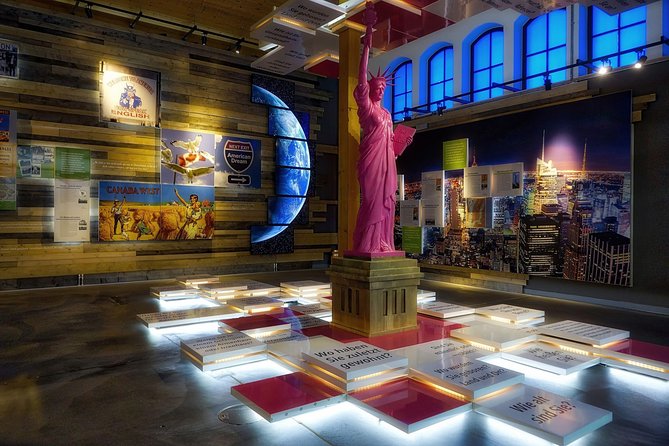
One of the most useful parts of the ticket is the audio guide structure. You’ll follow your way through four distinct eras, which is a smart way to keep chronology from feeling like a textbook. You get to hear how the museum’s focus changes over time, instead of trying to piece it together yourself.
Because the audio guide is part of the experience, plan on using it rather than treating it like a backup. I’d listen enough to understand what each era is trying to show you—then skim the surrounding panels and concentrate on the interactive bits.
Here’s the practical idea: you’re not just learning when people left. You’re learning how migration developed as a system—routes, hopes, fears, and the reality of arriving in a new place. That structure is also why the museum’s current concept may not match everyone’s expectations, especially if you’re hunting for one narrow slice of time.
Albert Ballin and the Family Research Center: Where Curiosity Gets Personal
The museum connects its story to Albert Ballin, the founder tied to the former emigration halls in Hamburg. That name is more than trivia here. It anchors the “how it worked” side of migration—Hamburg wasn’t just a backdrop; it was part of a larger infrastructure that helped people move.
Then comes a part I think you’ll either love or find oddly addictive: the family research center, where you can work on your own genealogy. Even if you don’t already have names and dates, it’s worth trying because the act of searching changes how you experience the exhibits. You start noticing small details in the displays that you might otherwise ignore.
If you’re traveling with family, this section is especially strong. Kids can be drawn in by the hands-on approach, while adults get to chase the personal thread. Either way, the museum makes the research feel like an activity, not a complicated side project.
Inside the Three Houses: What to Expect in Each Part of BallinStadt
The core of your visit happens across three separate houses. Since you’re short on time (about 1 hour 30 minutes is typical), it helps to understand what each area is likely doing before you enter.
House 1: The core Hamburg emigration focus
The strongest concentration on emigration via Hamburg before 1934 is in House 1. That’s the part that connects most directly to the older idea of emigration halls and the specific Hamburg pathway.
This is where you’ll want to pay attention if your family history links to that era. The museum treats the motivations as timeless—escape from war, hunger, persecution, or the dream of a better life—but it also keeps the Hamburg angle front and center.
You can also read our reviews of more museum experiences in Hamburg



House 2: A bridge into a wider migration picture
House 2 includes parts of the pre-1934 emigration thread, but it also starts widening the scope. This is where you may notice the museum moving away from the single-topic approach some visitors expect.
Think of House 2 as your transition space: you’re still in the emigration story, but the museum starts setting it into a bigger context of how migration continues and changes. If you’ve got limited time, it’s a good place to listen carefully to the audio guide so you understand what the museum wants you to carry forward.
House 3: The migration idea expands beyond one era
By the time you’re in House 3, the experience is more about migration as a repeating human pattern than a one-time historical event. The museum frames reasons for migration as something people still recognize today, even when the details of time and place change.
This is often where the interactive parts help the most, because the exhibits stop being only about facts and start asking you to make sense of systems. If you’re the kind of traveler who likes to understand how stories connect, this is where you’ll feel the payoff.
Interactive Games and Jette the Museum Rat for Kids
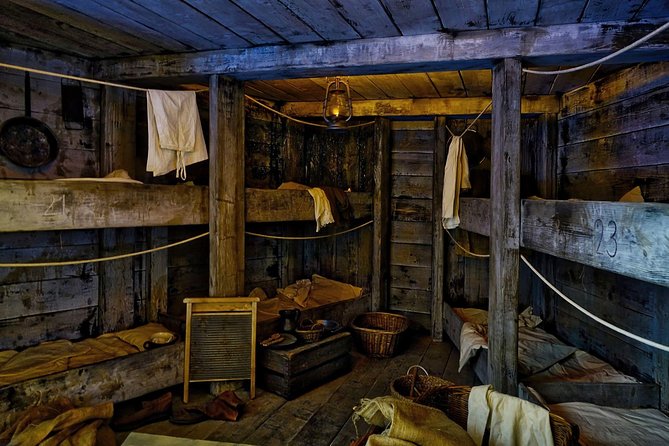
One of the highest praise points is the museum’s family setup. It includes a dedicated interactive experience with a museum rat named Jette for younger children, plus game-like stations designed to keep kids moving and curious.
I like this approach because it doesn’t just add a kids corner at the edge. The museum uses interactive elements to teach the theme of migration through actions—searching, matching, playing—so kids participate rather than wait.
For adults, the same interactivity can work as a refresher. History museums sometimes rely on long displays and quiet reading. Here, interactive tasks break up the timeline and help you keep your energy up, especially if you’re visiting after getting around Hamburg all day.
If you’re traveling with little ones, you’ll probably appreciate that the museum rat concept gives kids a simple emotional hook. They can “follow along” through activities rather than trying to decode every text panel.
Your 90-Minute Plan: How to Get the Most Without Feeling Rushed
A typical visit runs about 1 hour 30 minutes, but your real time depends on how much you use the audio guide and whether you spend time on genealogy searching. I recommend thinking in stages.
First, give yourself time to settle in: start the audio guide and follow it through the early areas before you get distracted. That keeps the four-era structure clear. Then, when you reach interactive sections, treat them like stops you choose—not like extra chores.
If you want the genealogy center to actually work for you, don’t leave it until the last 10 minutes. Searching takes time, even when you have partial details. If you’re traveling as a family, do the genealogy attempt earlier so you’re not scrambling when kids start losing patience.
The museum’s overall size and layout reward a steady rhythm: listen, look, do one or two games well, then move on. You’ll leave with more than a memory of objects—you’ll leave with a clearer mental map.
Price and Value: Is €15.62 Worth It?
At $15.62 per person, this can feel like a bargain for an experience that combines multiple floors, audio narration, and real interactive work. The key value driver isn’t just that it’s priced reasonably; it’s what you get inside that 90 minutes.
You’re not paying only for entry. Your ticket is wrapped with an audio guide experience, and the museum adds interactive elements that make you spend time inside the exhibits. For families, that’s often where the math really works—kids and adults both have something to do.
Still, value depends on your expectations. If you want migration history across time, plus the Hamburg angle, this is a strong fit. If you only want one narrow historical slice, the broader scope may reduce your sense of value even if the ticket price is fair.
Who Should Book BallinStadt (and Who Might Skip It)
This is a good match if you:
- Want migration history with practical storytelling, not only static displays
- Like hands-on exhibits and audio-guided structure
- Are traveling with kids and want interactive options
- Feel curious about your family roots and might use the research center
You might consider a different option if you’re mainly hunting for a tightly focused exhibition limited to emigration via Hamburg before 1934. The museum does still cover that theme, but it also expands beyond it.
If you’re the type of traveler who likes to connect personal questions to larger history, the genealogy search can make the whole visit feel more immediate. It’s also a solid rainy-day choice since it’s entirely museum-based and set up for independent exploring.
Practical Notes: Timing, Getting There, and What to Bring
You’ll want to plan for an easy arrival. The museum is near public transportation, and it’s open Tuesday through Sunday, 10:00 AM to 6:00 PM (based on its current listed schedule range). Since the experience is audio-led and interactive, you don’t want to arrive late and feel rushed.
Bring comfortable shoes. You’ll be moving between the three houses, and you’ll likely stop frequently. If you plan to try genealogy searching, bring whatever you already know about your family names or approximate dates—if you don’t have that, you can still explore, but having clues makes the search more rewarding.
Service animals are allowed, and the experience notes that most travelers can participate. If you have specific mobility needs, you’ll want to judge based on your own comfort level moving through museum spaces.
Should You Book? My Decision Checklist
Book BallinStadt if you want a museum visit that mixes four-era migration storytelling with hands-on learning. The biggest reasons I’d recommend it are the audio-guided structure, the three-house layout, and the family-friendly interactive setup with Jette and games.
Skip it if you know you only want a single narrow historical focus limited to emigration via Hamburg before 1934. The museum’s current concept is broader, and you’ll feel it in what you spend your attention on.
If you’re on the fence, here’s the clean way to decide: if your trip includes family time or you enjoy interactive museums, this is an easy yes. If you’re researching one specific historical question, check whether this museum’s wider migration framing matches what you need.
FAQ
How long is the BallinStadt Emigration Museum ticket experience?
It lasts about 1 hour 30 minutes (approx.).
Is the experience offered in English?
Yes. It’s offered in English.
What’s included with the ticket?
Admission to BallinStadt is included.
Is it good for children?
It’s designed to work well with families, including interactive elements and a children-focused experience with the museum rat Jette.
Are service animals allowed?
Yes, service animals are allowed.
What is the cancellation policy?
The ticket is non-refundable and cannot be changed for any reason. If you cancel or request an amendment, you won’t get your money back.