REVIEW · ROME
Vatican Museums and Sistine Chapel Skip the Line Guided Tour
Book on Viator →Operated by onceuponatimetours · Bookable on Viator
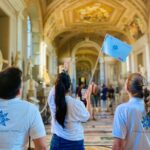
A line at the Vatican can ruin your day. This tour trades waiting in crowds for a guided route through the Vatican Museums and the Sistine Chapel, with easy listening devices when they work well.
What I like most is the skip-the-line access (you spend more time looking, less time shuffling). I also like having a licensed guide in English, so key artwork details land fast without guesswork. One thing to consider: it can get very crowded, and if the audio equipment is glitchy on your group time, you may lose bits of narration.
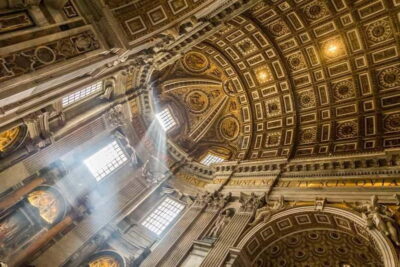
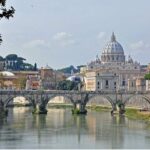
If you add the Basilica option, your visit expands into the must-see power zone of Rome’s Catholic art and architecture. You’ll see major works like Bernini’s canopy and Michelangelo’s Pietà, all within about an hour. The main drawback is timing: Sistine Chapel and Basilica access are not always fully in your control due to Vatican decisions.
In This Review
- Key things to know before you go
- Skip-the-line Vatican Museums: what your 2 hours is really for
- Meeting at Via Mocenigo 2: the first minutes matter
- Vatican Museums highlights: pine cone courtyard, Belvedere, maps, candelabra
- Courtyard of the Pine Cone and the Belvedere
- Octagonal Courtyard
- Gallery of Maps and Gallery of Candelabra
- Sistine Chapel: seeing Last Judgment without getting lost
- Optional St. Peter’s Basilica: a focused hour, big-ticket masterpieces
- Price and logistics: where the money goes (and where it can sting)
- Crowd control and heat: how to make the tour feel easier
- Group size and hearing devices: the difference between a great tour and a frustrating one
- Who should book this tour, and who should go self-guided
- Should you book this Vatican Museums and Sistine Chapel skip-the-line tour?
- FAQ
- What does the tour include?
- How long is the tour?
- Where do I meet the guide?
- Do I need to bring a printed ticket?
- Is the dress code strict?
- Are there restrictions on bags and items?
- What if the Sistine Chapel is closed?
- Is it only for adults?
- How many people are in a group?
Key things to know before you go
- Skip-the-line entry that helps you beat the worst of the queues
- Licensed English guide designed for clear storytelling, not wandering
- Vatican-provided listening devices (some groups report occasional audio issues)
- A tight, 2-hour museum focus that prioritizes the biggest visual hits
- Optional St. Peter’s Basilica add-on for a focused, art-heavy visit
- Group size up to 30 means it’s organized, but still crowded
Skip-the-line Vatican Museums: what your 2 hours is really for
At the Vatican, timing is everything. Tickets are popular, doors open on schedules, and the museum galleries funnel you through a maze that can feel like it’s designed by a committee of ants. This tour’s main value is simple: skip-the-line access. That means you get the entry momentum you’d otherwise pay for in frustration.
Your visit is about two hours in the museums, and that’s not a typo. The route is built to hit the most famous areas without turning your day into a museum marathon. The payoff is that you get a clear “best of” map in your mind: what you’re looking at, why it matters, and where to focus your eyes so you’re not just staring at walls hoping something interesting pops out.
Also, you’re not starting from scratch. The tour uses a licensed guide approach, which helps you get oriented quickly. Even if you’re not a religion-history superfan, Renaissance art and classical sculpture read much better when someone explains the visual clues first.
You can also read our reviews of more guided tours in Rome
Meeting at Via Mocenigo 2: the first minutes matter
The meeting point is Via Mocenigo, 2, 00192 Roma RM, Italy. That’s handy because it’s a concrete place you can plug into your navigation app. It also says you’ll be near public transportation, which matters in Rome where “close” can still mean a ten-minute walk through crowds.
You also want to be mindful of the “small but important” rules before you arrive. The tour requires a dress code: cover knees and shoulders. If you show up in shorts and a tank top, you’ll lose time and mood at the worst possible moment. Bring something you can put on over your outfit if you’re unsure.
For kids, you’ll need to show an ID document at the entrance. And for bags: the Vatican rules here are strict. The tour notes that you can’t bring bottles and glass containers, alcoholic beverages, aerosols, backpacks, camping gear, bulky bags, and luggage or trolley bags. So pack light. If you’ve ever regretted bringing a heavy daypack into a European museum, this is your cue to avoid that mistake again.
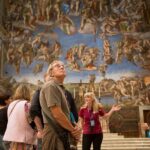
One more practical thing: the tour is limited to a maximum of 30 travelers. That size is good for keeping the group together, but in dense halls you still need to stay aware. Don’t drift to take selfies right when your guide stops for the explanation.
Vatican Museums highlights: pine cone courtyard, Belvedere, maps, candelabra
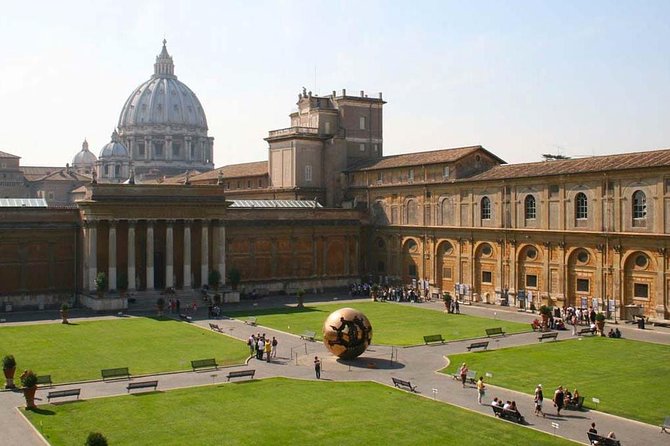
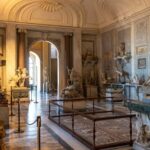
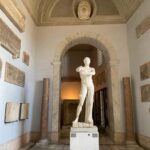
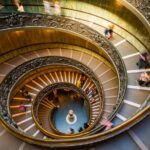
The route starts with the Vatican Museums’ classic wow zones. You’ll appreciate what the tour describes as the largest papal collection in the world, and you’ll move through key architectural and gallery spaces that set up what comes next.
Here’s what makes these museum stops special:
Courtyard of the Pine Cone and the Belvedere
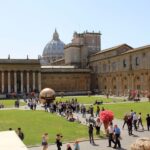
These areas aren’t just pretty backdrops. They work like a visual warm-up. Courtyards help you reset your brain between galleries, and the Belvedere areas help you notice how the Vatican organizes art like a grand story. If you’ve ever felt overwhelmed inside big museums, this pacing helps you keep your bearings.
Octagonal Courtyard
An octagonal space changes how you see everything. Lines, angles, and sight lines shift. Even if you’re not studying architecture, the space makes it easier to understand why later gallery rooms feel so dramatic.
You can also read our reviews of more museum experiences in Rome
Gallery of Maps and Gallery of Candelabra
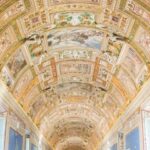
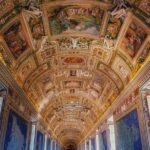
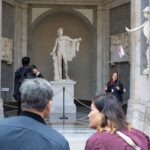
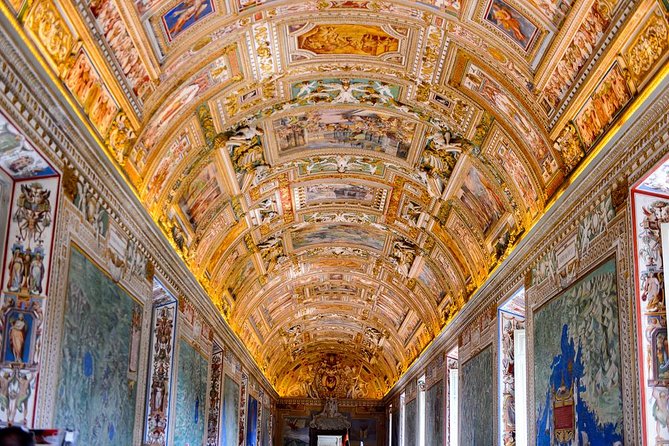
These are the kind of spaces you remember later because they’re different from typical museum halls. The Gallery of Maps gives you a sense of the Vatican’s reach, not just religious influence but global curiosity and power. The Gallery of Candelabra adds another layer: impressive decoration that’s meant to be seen up close, not skimmed.
The drawback? Since the tour is time-managed, you don’t linger as long as you might if you were exploring on your own. If you love one specific category—say, ancient sculpture or cartography—you might wish for more free time. The tour’s goal is to show you the highlights so you leave knowing what you want to see in more detail.
Sistine Chapel: seeing Last Judgment without getting lost
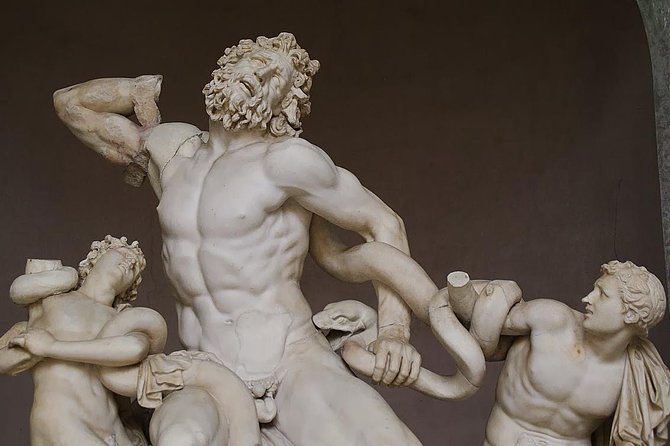
After the museum route, the tour centers on the Sistine Chapel frescoes. This is where the Vatican goes from “amazing art” to “how did humans do this” level.
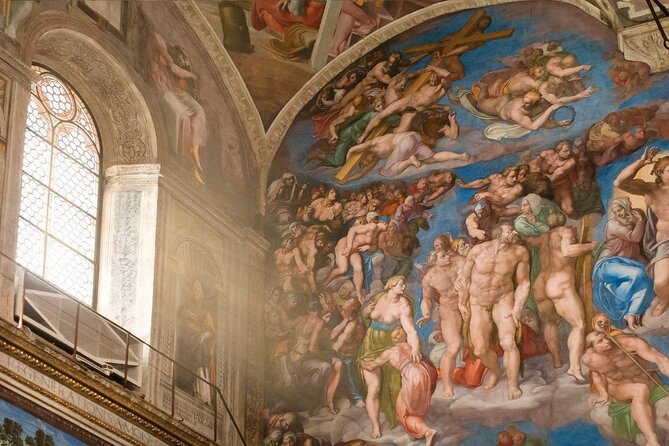
The tour includes major Renaissance works, including Michelangelo’s Last Judgment. That matters because this fresco isn’t something you understand by glancing. It’s full of figures, expressions, and layered composition. A guide helps you know where to look first so your eyes don’t bounce around randomly.
The big consideration here is crowd density. The Sistine Chapel gets packed, and packed doesn’t just mean uncomfortable—it means you can lose your place in the group. If you find yourself shoved back, focus on getting your gaze anchored. You can still appreciate the composition even if you can’t get close.
Timing also matters for Chapel access. The tour data warns that during periods of Sede Vacante (when the Papal Conclave is happening), the Sistine Chapel can close to the public without notice. In that case, access is not guaranteed and there are no refunds or discounts for that scenario. That’s a rare-but-real curveball, and it’s the biggest “plan with your eyes open” note for the Sistine portion.
Optional St. Peter’s Basilica: a focused hour, big-ticket masterpieces
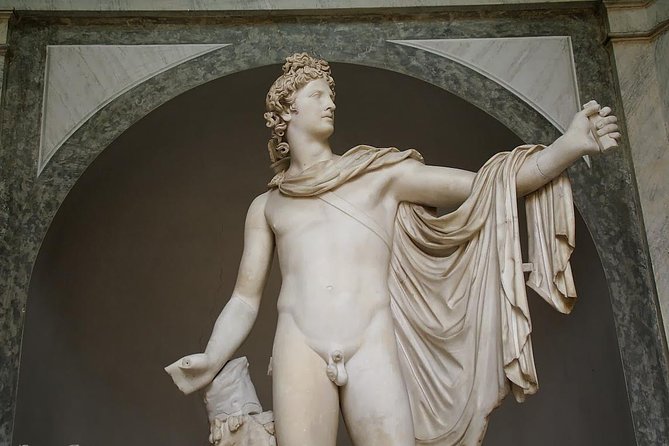
If you choose the English tour option that includes St. Peter’s Basilica, plan for the visit to run longer, about three hours total, with about one hour inside the Basilica. Admission is included for that portion.
This stop is built for maximum impact in limited time. You’ll see highlights such as:
- Saint Peter’s Grave
- Bernini’s canopy
- Michelangelo’s Pietà
- John Paul II’s grave
- The monument to Pope Alexander VII
- The statue of Saint Peter
This is the kind of list that sounds overwhelming, but the format helps. Basilica art works best when it’s explained in the context of space. In a few guided minutes you start noticing the symbolism, and then your brain can follow what you’re seeing instead of just taking in scale.
One caution: the Basilica can close temporarily due to decisions made by the Vatican, and the tour notes they’re not responsible for closures. That means your plan might shift at the last minute. The Vatican is its own state, so changes can happen without your tour operator having control.
Price and logistics: where the money goes (and where it can sting)
The price listed is $96.11 per person, and the experience runs about 2 hours on average for the Vatican Museums and Sistine Chapel portion. On average, it gets booked about 15 days in advance, which tells you two things: demand is high, and you should lock in your time rather than trying to wing it.
Is $96 a bargain or a splurge? It depends on your priorities:
- If you value time savings and don’t want to fight the entry crush, paying for skip-the-line can be worth it quickly.
- If you love going slow and you’re comfortable wandering with a map and audio guide, you might find a self-guided approach cheaper.
There’s also a practical add-on issue to know about. The tour data indicates that Vatican museums require tour operators to use the Vatican’s own listening devices, under an extra payment. One common frustration is not hearing the guide well if the system isn’t working smoothly. So when you pay for a guided experience, you’re also indirectly paying for “make the guide clear” equipment.
A smart move before you go: at check-in, ask what the included audio equipment fee covers and how you’ll receive devices. Keep cash on hand if payment methods are cash-based, but confirm in advance so you don’t get stuck at the doorway.
Crowd control and heat: how to make the tour feel easier
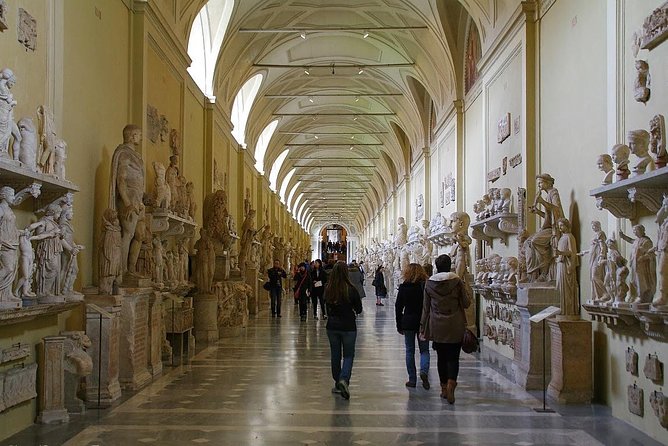
This tour moves through high-demand spaces, and the “maximum of 30 travelers” still means tight corridors and packed rooms. Add in Italian summer heat and you’ve got a recipe for fatigue if you’re not strategic.
Here are the habits that help:
- Wear breathable clothes you can cover at the shoulders and knees.
- Bring water in your own plan, but be aware bottles are prohibited, so you may need to follow the site rules for what you can bring.
- Stay close when your guide calls a stop. If you drift too far, catching back up can break the flow of the story.
Some guides are particularly good at keeping groups comfortable, adjusting for heat and maintaining focus. If your guide’s style is organized and your audio works well, you’ll feel like the tour is doing its job: translating art into meaning without turning the day into a sprint.
Group size and hearing devices: the difference between a great tour and a frustrating one
This experience is designed to use mobile tickets and a guide that speaks your language (English is offered). The tour also uses listening devices. In theory, that’s what makes the experience work even in crowds.
In real-life museum conditions, hearing can still be inconsistent. The tour data and feedback point to a common issue: headphones or microphones can sometimes be hard to hear if the equipment fails or if the guide isn’t speaking into the mic properly. So here’s the practical mindset: don’t assume the audio will be perfect the entire time. If you can’t hear, ask. The guide may have backup devices.
To help yourself:
- Keep one ear ready if you’re given earpieces.
- Don’t take off the headphones when the guide turns away.
- If you lose your guide in a crowd, look for the group’s visible structure at the next stop.
Guide names you might run into include Marta, Silvia, Raúl, and Rudy. They’re mentioned in the available information as examples of guides delivering clear, friendly explanations. Different guides have different energy, so the best predictor of your experience is how easy it is to hear them and how clearly they keep the group together.
Who should book this tour, and who should go self-guided
This tour is a strong fit if:
- You want the Vatican highlights in a set route without spending extra time planning
- You prefer an English explanation that helps you connect art to meaning
- You don’t want the stress of figuring out where to stand for the best views of major works
- You’re adding the Basilica stop and want it done efficiently
You might skip the guided format (or consider a different one) if:
- You hate crowds and already know you’ll get annoyed by being herded
- You want long, quiet time to stare at a single artwork without moving on
- You’re very sensitive to audio issues and you’d rather control everything yourself with an app or audio guide
A good strategy is to treat this as your “big picture” day. If you want more depth later, you can always return to the Vatican Museums and target the pieces that hooked you most on this tour.
Should you book this Vatican Museums and Sistine Chapel skip-the-line tour?
If your goal is to see the Vatican without losing hours to queues, I think this booking makes sense. The skip-the-line access and the structured route through major museum sections are exactly what you want when you have limited time. I’d also recommend it if you’re adding St. Peter’s Basilica, because that pairs two of Rome’s biggest art experiences into one efficient plan.
The main reasons to pause are the crowd-hearing combo and Vatican schedule unpredictability. The Sistine Chapel access isn’t guaranteed during Sede Vacante, and the Basilica can temporarily close due to Vatican decisions. If your dates are tight and you’re traveling during a likely conclave window, consider having a Plan B for the Sistine portion.
If you’re traveling on a normal schedule, willing to dress appropriately, keep your bag rules in mind, and stay close to your guide, this tour is a solid way to get value from the Vatican quickly and leave with the story of what you saw.
FAQ
What does the tour include?
It includes a guided visit through the Vatican Museums and the Sistine Chapel with skip-the-line access, offered in English. An optional upgrade includes St. Peter’s Basilica with admission included for about an hour.
How long is the tour?
The Vatican Museums and Sistine Chapel portion is about 2 hours. If you select the English option that includes St. Peter’s Basilica, the total time is about 3 hours.
Where do I meet the guide?
The meeting point is Via Mocenigo, 2, 00192 Roma RM, Italy, and the tour ends back at the meeting point.
Do I need to bring a printed ticket?
A mobile ticket is used, so you should have your phone confirmation details available.
Is the dress code strict?
Yes. You must cover knees and shoulders to enter.
Are there restrictions on bags and items?
Yes. The tour notes you cannot bring bottles and glass containers, alcoholic beverages, aerosols, backpacks, bulky bags, and luggage/trolley items, among other prohibited items.
What if the Sistine Chapel is closed?
During periods of Sede Vacante, the Sistine Chapel may close to the public without prior notice. Access is not guaranteed in those times, and the tour data states there are no refunds or discounts for that.
Is it only for adults?
Most travelers can participate. For children, you must show an ID document at the entrance.
How many people are in a group?
The tour has a maximum of 30 travelers.