REVIEW · JOHANNESBURG
Soweto and Apartheid Museum Tour
Book on GetYourGuide →Operated by Africa Moja Tours & Safaris · Bookable on GetYourGuide
Soweto isn’t just a neighborhood—it’s a lesson with streets. This tour strings together the big, emotional chapters of South Africa’s apartheid story with a smooth day plan and guided context. I especially like the way it pairs the Apartheid Museum with Soweto’s real-world landmarks, and then adds the human stories behind the facts. One thing to consider: it’s not suitable for people with mobility impairments, and you’ll be doing plenty of walking and standing.
I also like the pacing: you get focused time in the museums, then you move to Soweto sites like Mandela House and the Hector Pieterson Museum, rather than racing past everything. The best part is that you’re not left to decode the meaning alone—your English guide helps tie it together. Still, the day is intense, so if you’re not ready for heavy topics about oppression and resistance, plan your energy accordingly.
Bring your comfortable shoes and a clear mindset. The tour aims to make sense of a painful history without sugarcoating it, and you’ll finish the day with strong visual landmarks around Orlando Towers and the World Cup Stadium area.
In This Review
- Key highlights worth your time
- A day designed to connect apartheid history to Soweto streets
- Pickup in Sandton, Johannesburg, or East Rand (and why the timing matters)
- Constitution Hill Human Rights Precinct: setting the moral context first
- The Apartheid Museum: two hours that change how you read everything else
- Mandela House Museum: seeing resistance through one family’s life
- Hector Pieterson Museum: the 1976 uprising in plain, human terms
- Vilakazi Street and Soweto Township: where history becomes geography
- Orlando Towers and the World Cup Stadium: a strong final visual frame
- Guides, lunch, and safety: where the tour earns its 4.4 rating
- Price and value: what $232 buys you in real terms
- What to bring so the day feels comfortable (not exhausting)
- Who this tour is best for (and who should rethink it)
- Should you book the Soweto and Apartheid Museum Tour?
- FAQ
- How long is the Soweto and Apartheid Museum Tour?
- Where does the tour pick up from?
- What are the main stops during the day?
- How long do you spend at the Apartheid Museum?
- Is lunch included?
- Is the tour guide available in English?
- What should I bring for the tour?
- Is the tour suitable for people with mobility impairments?
- Is free cancellation available?
Key highlights worth your time
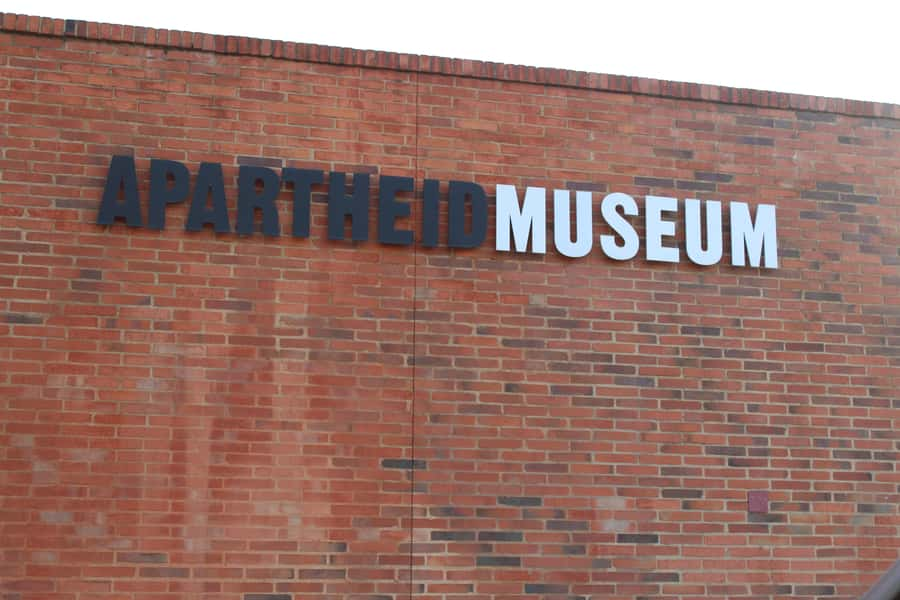
- Two hours at the Apartheid Museum with strong guided interpretation
- Mandela House Museum on Mandela’s former home ground with a guided visit
- Hector Pieterson Museum and the 1976 language resistance uprising
- Soweto and Vilakazi Street stops that connect museums to place
- Orlando Towers and a World Cup Stadium drive-by to end with scale and context
A day designed to connect apartheid history to Soweto streets
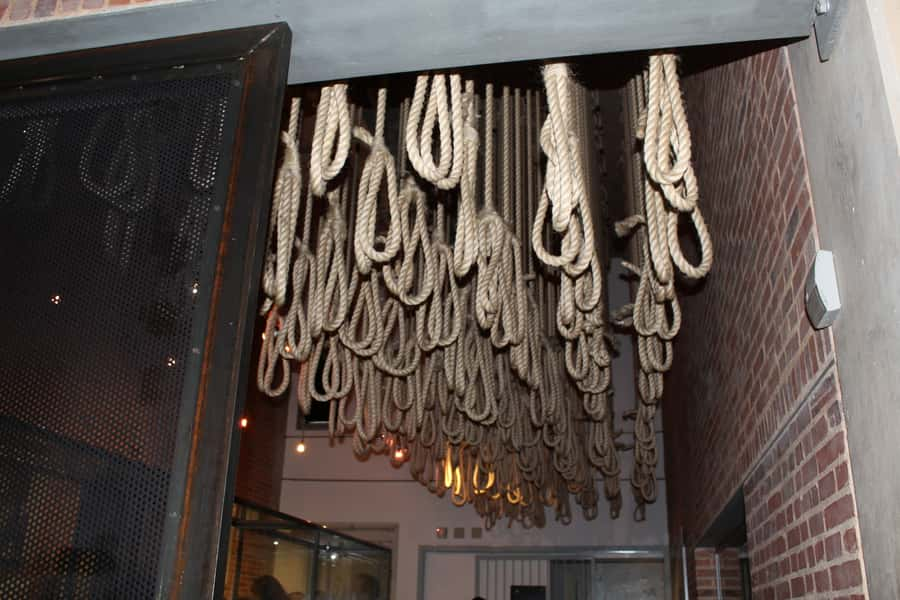
This tour works because it doesn’t treat Johannesburg as a set of random stops. Instead, it builds a narrative you can actually follow: laws and oppression get explained first, then the story moves outward into Soweto where those realities played out. The structure helps you understand why these sites matter, not just that they exist.
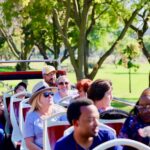
You’ll spend the day with a live English guide and also have an English audio guide available. That combo is useful: your guide handles the big picture and timing, while audio can help you linger on details when you want a second pass.
If you like history with context—names, dates, motives, and consequences—this format fits. If you’re expecting a light city day, you’ll probably feel the weight of the subject matter right away.
You can also read our reviews of more museum experiences in Johannesburg


Pickup in Sandton, Johannesburg, or East Rand (and why the timing matters)
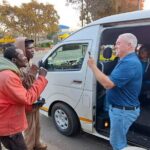
Your day starts with hotel pickup options in Sandton, Johannesburg, and the East Rand. You’ll meet your van in your hotel lobby and you’re asked to wait about 10 minutes before pickup time, which is a simple habit that prevents delays.
That pickup system matters in practice. Johannesburg can be spread out, and you don’t want to burn vacation time figuring out how to get between Constitution Hill, museums, and Soweto. Here, you can focus on the experience instead of navigation.
One more practical point: the tour is listed as 7 hours total. That means you’re not looking at a slow, half-day wander—you’ll want to be ready for a full, structured day with consistent movement.
Constitution Hill Human Rights Precinct: setting the moral context first
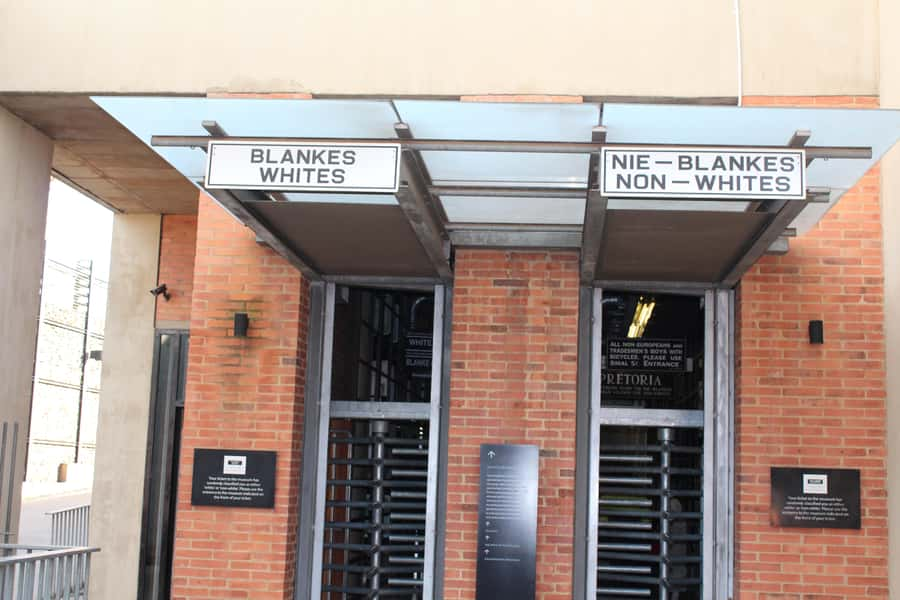
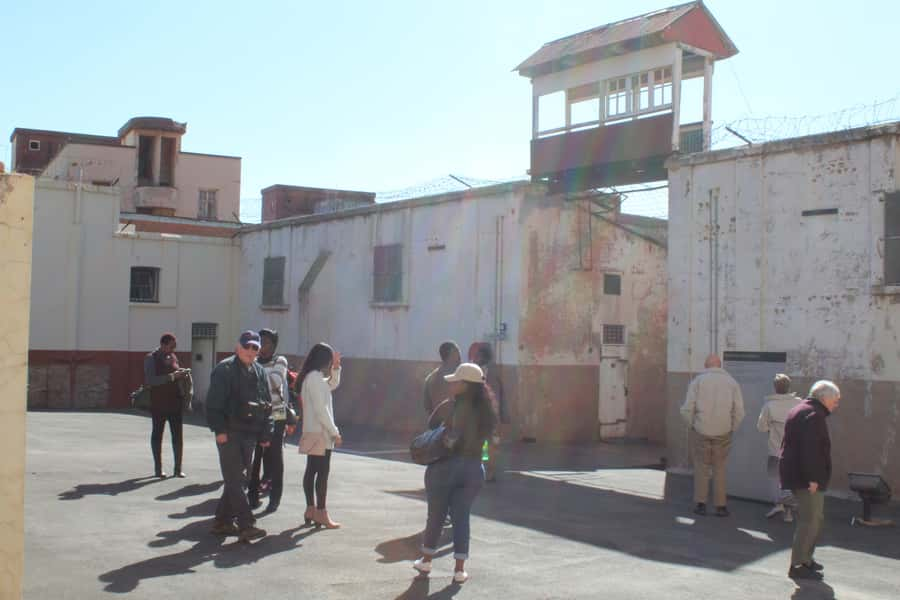
The tour begins (after pickup and driving) with a guided visit at Constitution Hill Human Rights Precinct for about an hour. This stop is valuable because it anchors the day in human rights, not just the apartheid-era past.
Even if you’ve read about South Africa’s struggle before, seeing how the story is framed through a human-rights lens helps you understand what came after. It also gives you a base for the later museum visits, where you’ll encounter the mechanics of oppression and the pushback that followed.
Think of Constitution Hill as the tour’s backbone. When you get to the Apartheid Museum afterward, you’re primed to notice how different parts of the system fit together.
The Apartheid Museum: two hours that change how you read everything else
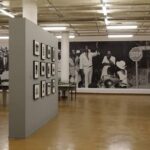
Your main historical anchor is the Apartheid Museum, where you’ll spend around 2 hours. This is the stop that gives the day its emotional and educational center. The museum’s exhibitions are built around how apartheid worked and how it hurt people in everyday life.
What I like about this arrangement is that you don’t just see images—you get guided explanation alongside the exhibits. A well-timed museum visit can do more than inform. It teaches you how to interpret what you’re seeing later in Soweto, where those policies weren’t abstract.
The biggest consideration is energy. This museum deals with a dark period, and even with a great guide, it can feel heavy. If you’re the type who absorbs slowly, you might want to go in prepared to pause and take breaks when you need them.
Mandela House Museum: seeing resistance through one family’s life
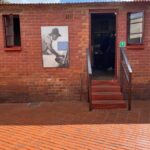
Next you head toward Mandela House Museum, with a guided visit for about 30 minutes in the former home before Mandela was sent to prison. The tour also lists a guided stop connected to Sanctuary Mandela for a short guided component, and the overall message is the same: you’re walking into the personal space that shaped a public figure.
This stop is powerful because it shifts from systems to a person. You’re not just learning what apartheid tried to do—you’re watching how leadership, family, and moral courage intersected. It’s also a nice change of tempo after the museum’s heavier detail, because this visit is more intimate in scale.
One practical note: you’ll be on your feet and moving through rooms and spaces, so comfortable shoes really matter here. Don’t plan to rush it. Take your time with the guidance—this is the kind of place where context turns a house into a story.

Hector Pieterson Museum: the 1976 uprising in plain, human terms
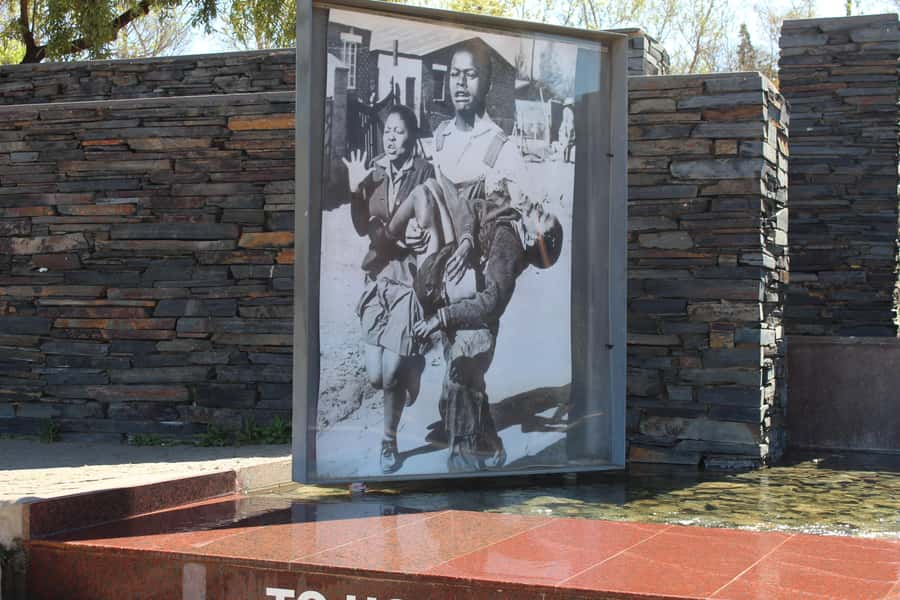
Then comes the Hector Pieterson Museum, focused on the language resistance uprising of 1976. This stop is inspiring for a specific reason: it shows how young people resisted through action and communication, not only through speeches or decisions made far away.
The value here is that the tour doesn’t treat 1976 as a date you memorize. With your guide’s explanations, you’re more likely to understand what triggered the unrest and why language became a flashpoint.
I also like that this part of the day connects directly to Soweto’s identity. Hector Pieterson Museum isn’t just a standalone exhibit; it belongs to the Soweto story you’ll experience on the streets later.
If you want to talk to your guide, this is the best time. Ask what 1976 meant locally, and how it’s remembered. Your guide can usually connect those answers to the other sites on the route.
Vilakazi Street and Soweto Township: where history becomes geography
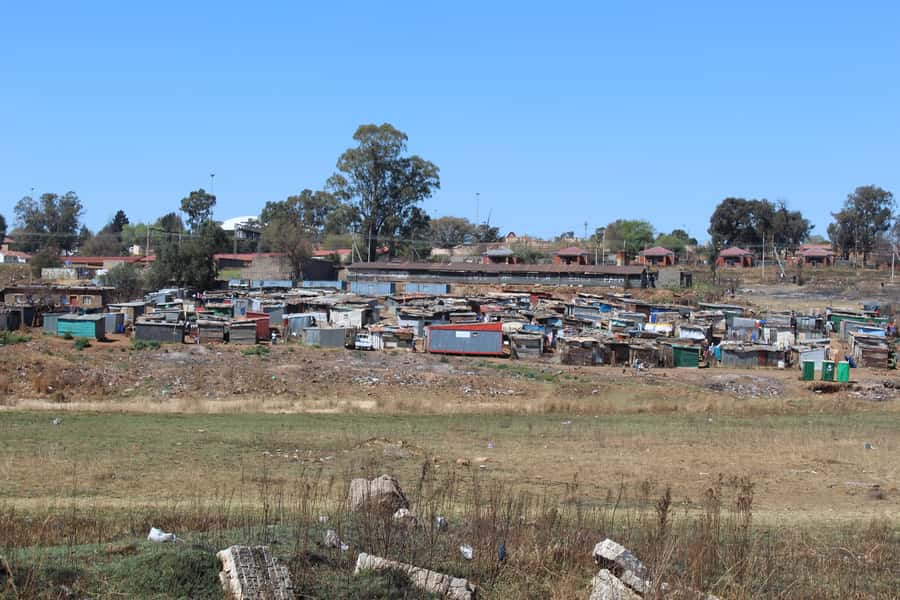
After the museum stops, you’ll visit Vilakazi Street and experience Soweto Township. This is where the day becomes more than “tourist viewing.” Place matters here. Streets and neighborhoods make the story feel real because you can see how communities live alongside the weight of what happened.
Vilakazi Street is especially meaningful because it’s tied to prominent figures, and walking there gives you a stronger sense of why these names are not just famous—they’re rooted in real places.
In Soweto Township, you’ll also get a different angle on South Africa’s past. Instead of learning from indoor displays only, you’re learning from the way the landscape holds memory. Even without extra interpretation, the contrast between everyday movement and historical significance can hit hard.
Important practical thought: this is a long, full day. Even with a guide and a van, your body will do work. Plan on standing, walking on uneven ground in some areas, and staying aware of your surroundings. The tour’s design takes care of the key logistics, but your comfort still matters.
Orlando Towers and the World Cup Stadium: a strong final visual frame
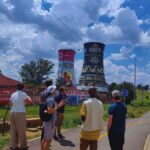
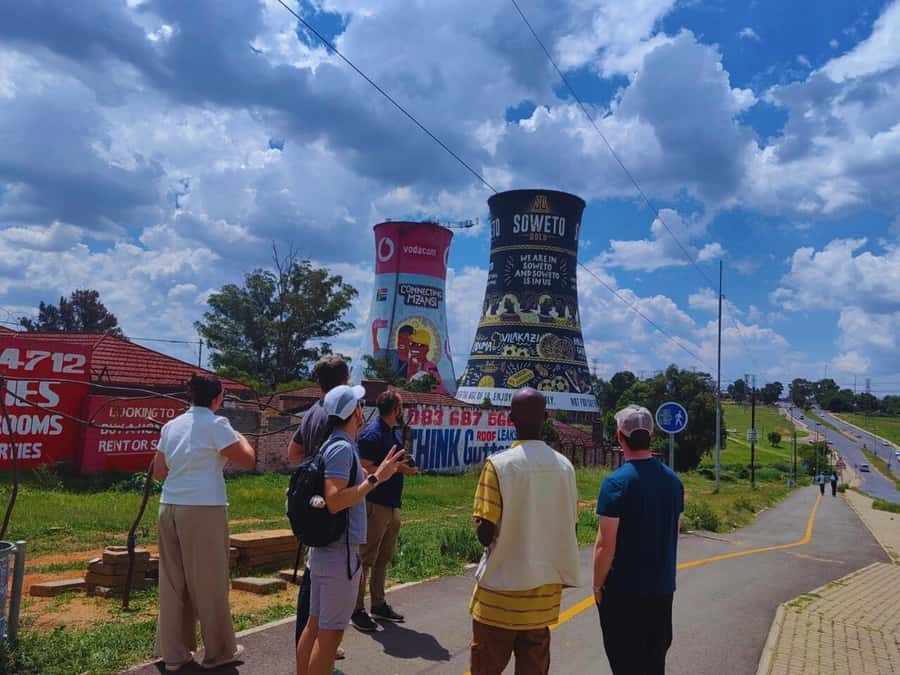
To finish, the tour drives by Orlando Towers and the World Cup Stadium. This ending works because it brings you back to a modern Johannesburg viewpoint, not only the past.
Orlando Towers gives you a sense of local scale and identity, while the stadium drive-by serves as a reminder that South Africa continues writing new chapters—sports, global attention, and changing city energy—while history remains present.
You’re not spending hours here, which is smart. The day stays focused on the core educational stops, and the final visual pass helps you wrap your mind around the contrast: struggle and transformation, side by side.
Guides, lunch, and safety: where the tour earns its 4.4 rating
Price and content look good on paper, but what makes this tour worth your time is the human delivery. In particular, guides such as Ali, Nic, and Michael are associated with clear explanations and careful driving. You also get the kind of on-the-ground calm that helps you feel secure while moving through busy areas.
The day also includes lunch, and several people specifically highlight that it’s very good. That may sound like a small detail, but for a 7-hour history-heavy tour, good lunch can be the difference between absorbing the day and feeling drained.
The tour includes bottled water too, so you’re not left hunting down drinks while you’re between stops. Alcoholic drinks and additional drinks are not included, so if you want a celebratory mood after the museums, plan to buy that separately.
Price and value: what $232 buys you in real terms
At $232 per person for a 7-hour day, the price may look steep at first. But it’s not just “a bus ride with a guide.”
You get:
- hotel pickup and drop-off
- entrance fees for the planned sites
- a professional guide in English
- lunch plus bottled water
That bundle is where the value lives. If you tried to DIY this route, you’d likely spend time and money on ticketing, transport between dispersed neighborhoods, and figuring out how long each museum should take. Here, the schedule is built so you hit the key sites in one day without missing the essentials.
Is it worth it? If your goal is to understand apartheid through both major museums and Soweto locations—without the stress of logistics—it’s a strong deal. If you prefer total flexibility and you’re comfortable planning multi-stop museum days on your own, you might choose differently.
What to bring so the day feels comfortable (not exhausting)
This tour is practical about what you need. Bring:
- comfortable shoes
- sunglasses
Also, I strongly recommend you bring a small layer for inside museums. Johannesburg can vary in temperature throughout the day, and museum air conditioning can feel colder than you expect.
If you’re the type who likes taking notes or photos, keep your phone charged. You’ll have several stops where quick memories help you later—especially around Mandela House, Hector Pieterson Museum, and on the Soweto streets.
Who this tour is best for (and who should rethink it)
This tour suits you if you want a structured day connecting the big story of apartheid to specific Soweto sites. It also fits well if it’s your first time in Johannesburg and you’d like a clear orientation that doesn’t just skim the surface.
You should rethink if mobility is an issue, because it’s listed as not suitable for people with mobility impairments. You’ll be walking and spending time inside and outside multiple sites, so accessibility needs may not match what the day requires.
If you’re sensitive to heavy topics, consider your emotional pacing. The tour is respectful and guided, but the subject matter is hard, and you should enter with that expectation.
Should you book the Soweto and Apartheid Museum Tour?
I’d book it if you want a single-day plan that connects museums, Mandela’s story, the 1976 uprising, and Soweto’s living geography—without you doing the logistics. The biggest strengths are the guided explanations at the Apartheid Museum and the human-story focus at Mandela House and Hector Pieterson Museum, plus the solid day pacing that ends with Orlando Towers and the World Cup Stadium drive-by.
Skip it only if you’re looking for an easy, light tour or if accessibility needs make the format a poor match. Otherwise, this is one of those Johannesburg days where you’ll leave with sharper understanding and a lot to think about.
FAQ
How long is the Soweto and Apartheid Museum Tour?
The tour duration is 7 hours.
Where does the tour pick up from?
Pickup is available from Sandton, Johannesburg, and the East Rand.
What are the main stops during the day?
You’ll visit the Apartheid Museum, Constitution Hill Human Rights Precinct, Mandela House Museum, the Hector Pieterson Museum, plus Soweto areas including Vilakazi Street and Orlando Towers (with a drive-by of the World Cup Stadium).
How long do you spend at the Apartheid Museum?
You spend about 2 hours at the Apartheid Museum.
Is lunch included?
Yes. Lunch is included, along with bottled water. Alcoholic drinks and other drinks are not included.
Is the tour guide available in English?
Yes. The live tour guide is English, and an English audio guide is also included.
What should I bring for the tour?
Bring comfortable shoes and sunglasses.
Is the tour suitable for people with mobility impairments?
No. The tour is not suitable for people with mobility impairments.
Is free cancellation available?
Yes. You can cancel up to 24 hours in advance for a full refund.