REVIEW · JOHANNESBURG
Jo’berg in 1 Day: Soweto, Apartheid Museum & City Tour
Book on GetYourGuide →Operated by MoAfrika Tours (Pty)Ltd · Bookable on GetYourGuide
Soweto in one day is a lot to hold. But that’s the point: you get the street scenes, the landmark sites, and the history in a single 8-hour loop around Johannesburg and the Soweto township. I like how the day is built for momentum, not wandering, with timed stops like the Hector Pieterson Museum area and Constitution Hill.
Two things I really like here. First, the guided context. A good guide turns drive-bys into real understanding, especially around Vilakazi Street and the uprisings connected to 16 June 1976. Second, you’re not only in museums. You also get a walk past local vendors in Diepkloof, plus a chance to interact with locals in Soweto, which makes the day feel more human than historical.
One possible drawback: it’s condensed. Two hours at the Apartheid Museum and about an hour at Constitutional Hill are great starters, but you won’t have time to read every corner slowly. If you want a leisurely museum day, plan for that at a separate time.
In This Review
- Quick hits you’ll feel from the start
- From pickup to briefing: how the day gets moving in Johannesburg
- Diepkloof and the Soweto walk: street life, vendors, and fast orientation
- Orlando West and Vilakazi Street: Mandela and Tutu’s neighborhood context
- Hector Pieterson Museum stop: why that moment changes the whole day
- Meeting locals in Soweto and seeing the built environment up close
- Chris Hani Baragwanath Hospital: the scale shock that reframes everything
- Lunch on your own: plan for timing inside an 8-hour day
- The Apartheid Museum: what two hours really does for you
- Telkom Tower views and Johannesburg drives: keeping the city tour lively
- Constitutional Hill guided tour: courtrooms, activists, and legal history
- Newtown stroll at Mary Fitzgerald Square and Jazz Walk of Fame
- Price and value: is $142 a smart deal for this 8-hour mix?
- Who this tour suits best (and who should skip it)
- Should you book Jo’berg in 1 Day?
- FAQ
- How long is the Jo’berg in 1 Day tour?
- What does the $142 per person price include?
- Is lunch included?
- Where do pick-ups happen?
- Which major attractions are part of the day?
- Is the Mandela House visit included?
- Is Constitutional Hill guided?
- Is there WiFi during the tour?
- Can I cancel for a full refund?
Quick hits you’ll feel from the start
- Small-group feel, full-day structure: pickup, briefing, then steady stops without long solo hunting.
- Vilakazi Street storytelling: the sights around Nelson Mandela House and Desmond Tutu’s area are treated like living history.
- Hector Pieterson Museum focus: a key moment in the fight against apartheid gets center stage.
- Apartheid Museum + Constitutional Hill together: two perspectives on the same struggle—emotional education plus legal-human-rights context.
- On-the-road Johannesburg postcards: Telkom Tower views and the Telkom Tower-style skyline moments keep the city tour engaging.
- Uncapped onboard WiFi: useful on a long day, especially if you’re organizing your next stop.
From pickup to briefing: how the day gets moving in Johannesburg
This is built like a “city within a city” day. You’re picked up in Johannesburg from areas like Sandton, Rosebank, Johannesburg Downtown, Melville, and the O R Tambo area. That matters because Johannesburg traffic can make a self-planned day feel stressful. Here, you’re handed the route and the timing.
Before you head out, you get a quick pre-departure briefing. It sounds minor, but it sets expectations for what you’ll see and how to behave at sensitive sites. When you’re visiting memorials and places connected to human rights, that small structure helps you pay attention instead of guessing.
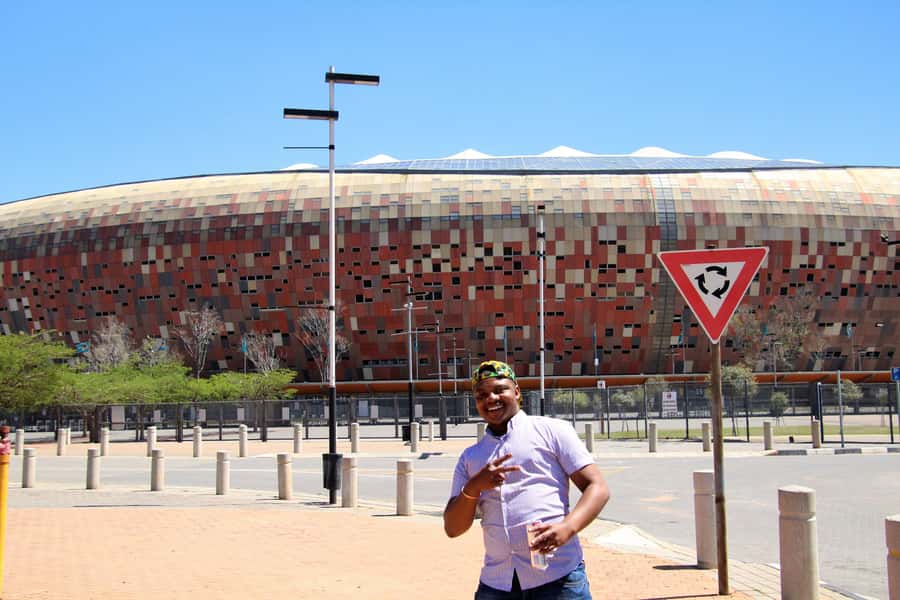
The drive itself is part of the show. You’ll pass the National Football Stadium City, tied to the opening and closing ceremonies of the 2010 World Cup. It’s a useful way to get your bearings in Johannesburg: this is a city that can host major global events, but its neighborhoods also carry deep political scars.
You can also read our reviews of more city tours in Johannesburg

Diepkloof and the Soweto walk: street life, vendors, and fast orientation
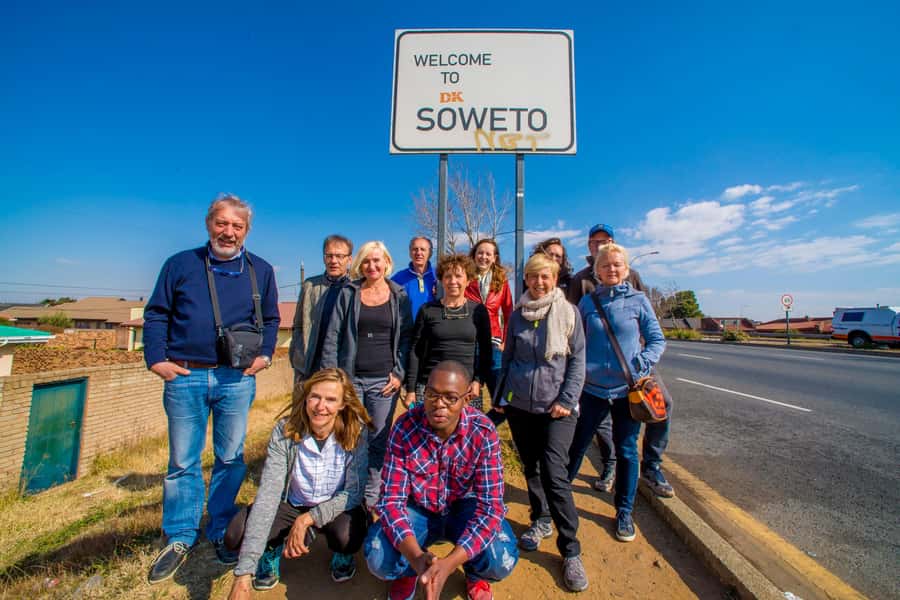
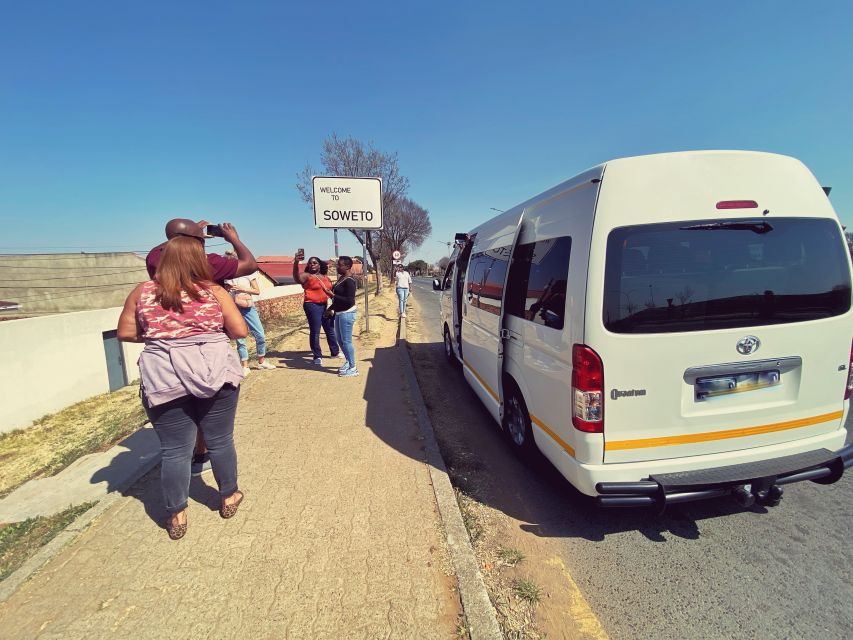
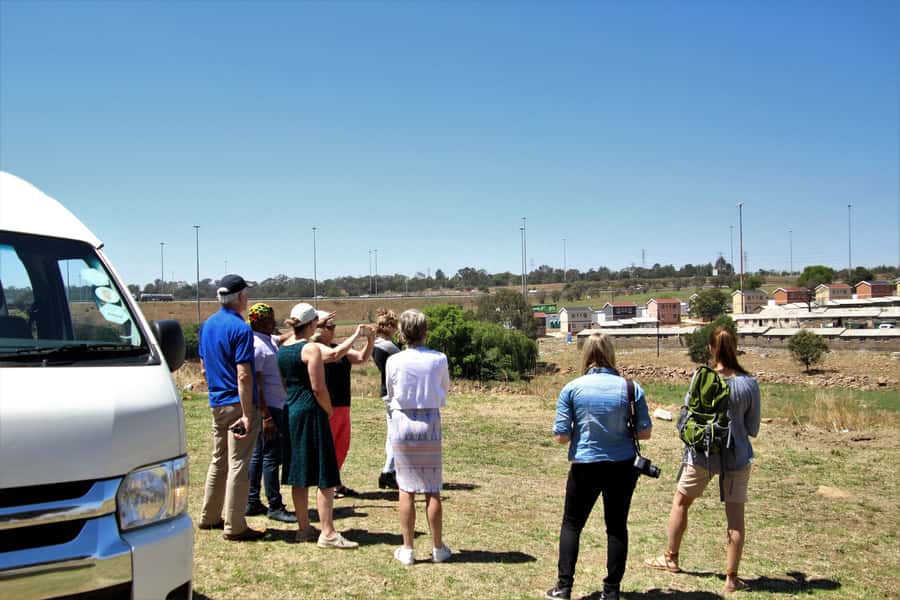
In Soweto, the day starts with real texture. You enter the Diepkloof area and take a walk (around 30 minutes) past vendors selling everything from everyday basics to snacks and small goods. This is the kind of stop that makes your brain switch from “tour mode” to “place mode.”
You’ll likely notice two things right away. One: Soweto isn’t a single uniform look. Even on one day, you see different types of streets, density, and local business energy. Two: you’re moving at a pace that gives you orientation without pretending you can fully master the township in a few hours.
If you’re the type who wants photos, you’ll have opportunities. If you’re the type who prefers quiet observation, you still benefit because the guide’s narration gives you what to look for and why it matters.
Orlando West and Vilakazi Street: Mandela and Tutu’s neighborhood context
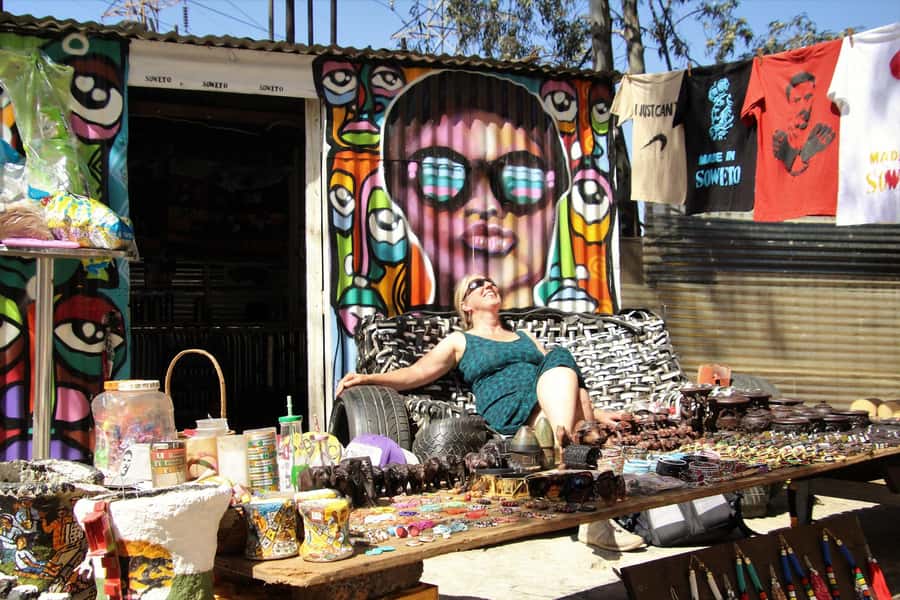
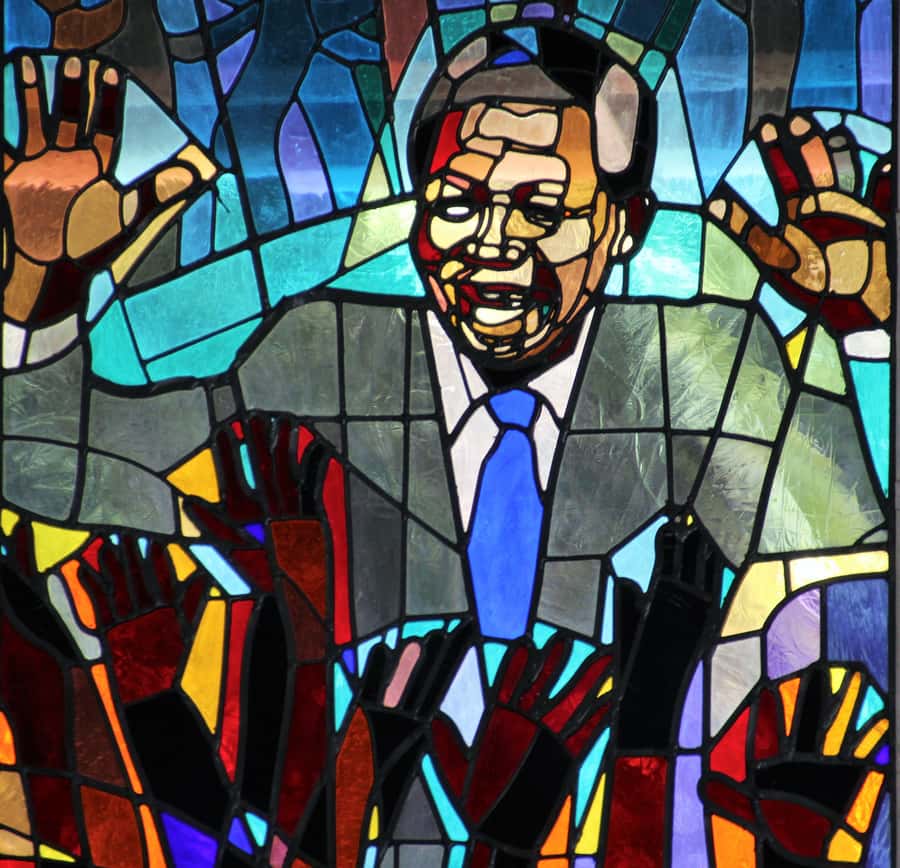
Next, the tour centers on Orlando West and Vilakazi Street. This is one of those rare streets in the world where the neighborhood story is tied to major global figures. You drive past the former home of Nelson Mandela and past the home of Archbishop Desmond Tutu.
You also get an on-the-ground chance to understand why Vilakazi Street is special beyond celebrity. The guide’s explanation puts the homes into the broader apartheid story—how resistance, community leadership, and moral authority shaped daily life.
You’ll also encounter references to the Soweto uprising on 16 June 1976. That date is central to South Africa’s modern story. Knowing what happened there gives the rest of the day more power, because Hector Pieterson’s story and later museum exhibits won’t feel like distant textbook events.
Hector Pieterson Museum stop: why that moment changes the whole day
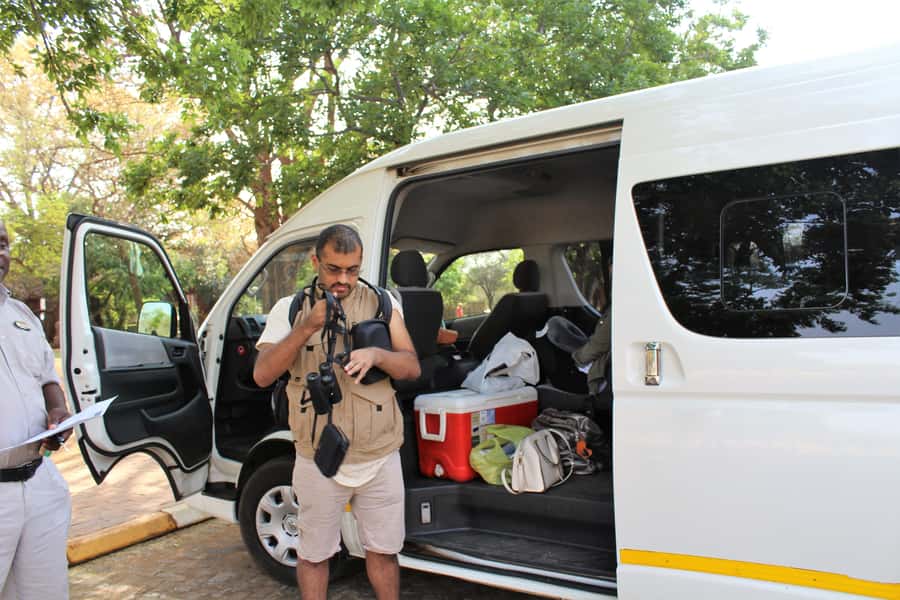
Hector Pieterson is more than a name. He’s part of the shorthand for how youth and families were caught in the machinery of apartheid violence. This tour includes entry through the Hector Pieterson Museum, with time built into the Soweto portion.
A detail I appreciate: the tour doesn’t treat this as a random photo stop. It’s positioned as a key turning point. Once you understand what that day represented, the memorials and human-rights exhibits later in the tour make more emotional and intellectual sense.
There’s also a related optional element around Mandela’s home area. You’ll pass the Mandela House, and the museum visit there is described as optional. If you’re trying to balance time, this choice matters because the whole day is packed. If you’re already emotionally spent, you might skip one optional stop to keep your energy for the heavier sites.
Tip: bring a small notebook or use your phone notes app. The guide often explains connections between places, and it helps to capture names and dates so your brain can file them later.
Meeting locals in Soweto and seeing the built environment up close
After the street-focused moments, the tour shifts into an on-the-ground experience in one of the township areas described as shanty town communities. You get to interact with some of the locals. That interaction is one of the most valuable parts of the day because it prevents the “museum-only” trap.
You also see that Soweto isn’t just history. It’s daily work, family life, local pride, and ongoing challenges. Even if you only have a short time, you can sense how the built environment shapes routines—where people gather, how vendors set up, and how neighborhoods are organized.
This is also where the tour gives you a wider Soweto cross-section. You’ll drive past the Soweto Campus of Johannesburg University, and you’ll later stop at Chris Hani Baragwanath Hospital, described as the largest hospital in the world. That hospital stop is important because it shifts the conversation from politics-only to infrastructure and public health realities.
You can also read our reviews of more museum experiences in Johannesburg



Chris Hani Baragwanath Hospital: the scale shock that reframes everything
Most Johannesburg days focus on politics and museums. This one adds something different: a stop at Chris Hani Baragwanath Hospital. When you hear the description of its global scale, it can feel like a sudden reality check.
Why is this valuable? Because it reminds you that a country’s story isn’t only shaped by laws and protest marches. It’s also shaped by the systems that keep people alive and functioning. In a single day, that stop broadens your understanding beyond resistance.
Give yourself permission to absorb this moment without turning it into a photo competition. Listen to what your guide explains about the role of such institutions in daily life.
Lunch on your own: plan for timing inside an 8-hour day
Lunch is on your own account. That’s not a problem by itself, but with an 8-hour schedule, your best move is to plan ahead mentally.
If you’re picky, bring water and consider a simple meal option near your route after the Soweto segment. If you’re flexible, you’ll likely find something nearby as you transition toward the Apartheid Museum.
This is also where you should be realistic: you’re doing heavy history after lunch. If you overeat or run low on energy, those museum hours will feel harder than they need to.
The Apartheid Museum: what two hours really does for you
The Apartheid Museum is the emotional core of the day for many people. You’ll spend about 2 hours inside, learning the history and struggle of South Africa during apartheid.
Two hours is not “read everything slowly” time. It’s “get the story and let it land” time. If you go in expecting a quick scan, you’ll miss what makes it powerful. If you go in with the mindset that you’re collecting key moments and themes, it’s a strong use of your limited daylight.
What to focus on during your visit:
- Follow the storyline from the rise of apartheid policies to the resistance.
- Pay attention to how daily life gets shaped by systems.
- Don’t rush the sections that connect personal stories to national change.
You’ll leave feeling educated, not just informed. That emotional weight also helps you appreciate the next stop at Constitution Hill, where the narrative shifts from lived experience to legal and human-rights space.
Telkom Tower views and Johannesburg drives: keeping the city tour lively
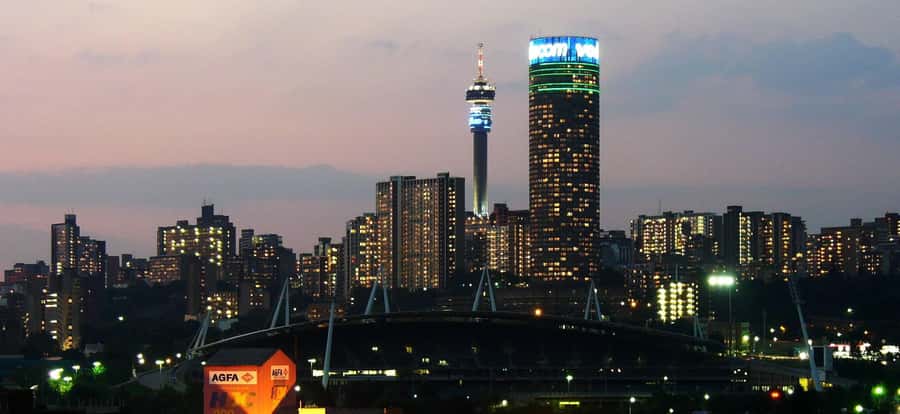
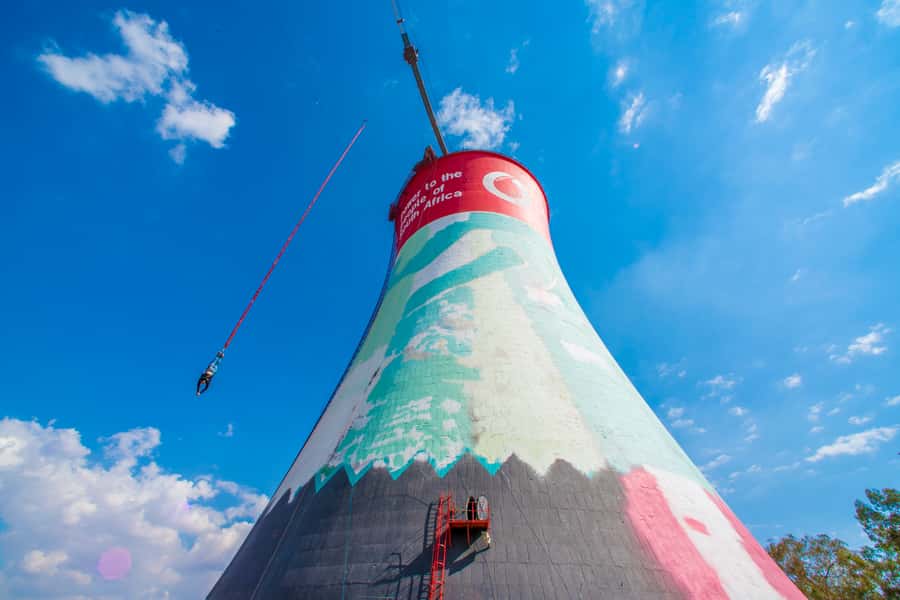
Between museum stops, the tour doesn’t keep you trapped inside. You’ll return into Johannesburg for sightseeing moments like the impressive Telkom Tower, a 269-metre landmark that you’ll see in many postcard images of the city.
That sounds simple, but those views do a job. Johannesburg can feel like a blur of movement. Skyline moments help you reset and remember that places carry both modern identity and historical layers at the same time.
You’ll also cross toward the Newtown area later, including a drive past the Nelson Mandela Bridge, described as the longest southern African bridge. That bridge moment is a reminder: the city’s identity has evolved, but the route through it still holds meaning.
Constitutional Hill guided tour: courtrooms, activists, and legal history
The day’s second major structured learning stop is Constitution Hill Human Rights Precinct. You get a guided tour here lasting about 1 hour. Your tour includes Court spaces (when not in session) and explains the legal history connected to Johannesburg.
This place hits differently than the Apartheid Museum. The Apartheid Museum asks you to feel the consequences of oppression. Constitutional Hill asks you to understand the legal and political transformation that followed.
You’ll learn that political activists like Nelson Mandela and Mahatma Gandhi were once held here. That kind of detail changes the atmosphere fast. Suddenly, the stone and rooms don’t feel like a building. They feel like a timeline you can walk through.
Practical tip: listen closely during the guided portion. A lot of the value here is in how the guide connects the building to the broader story of rights, trials, and national change.
Newtown stroll at Mary Fitzgerald Square and Jazz Walk of Fame
After Constitution Hill, the tour moves toward Newtown, with a stop at Mary Fitzgerald Square and time to walk on the Jazz Walk of Fame.
This is a smart closing energy. After hours of heavy history, you get a cultural breather. It’s not a random detour either. Music and performance in South Africa connect to identity, resistance, and community life in ways that history-only visits can miss.
If you’re someone who likes a final “light” moment to balance the day, this stop helps. If you’re exhausted, it’s still short enough to remain pleasant.
Price and value: is $142 a smart deal for this 8-hour mix?
At $142 per person for about 8 hours, the big question is value. Here’s why it can feel fair.
You’re not just paying for a couple attractions. You’re paying for:
- Pickup and drop-off in multiple Johannesburg areas
- Entrance fees included for the stops listed
- A live English guide
- Skip the ticket line
- Uncapped onboard WiFi
The “entrance fees included” piece matters in Johannesburg, where guided tours and museum entry can add up quickly. The WiFi matters too, because on a long day you’ll use your phone for mapping, notes, and staying organized.
The best value is for you if you want both Soweto and central Johannesburg highlights but don’t want to manage logistics, routing, and timing yourself. It’s also a good deal if you care about guided interpretation, not just “arrive and look around.”
The tradeoff is density. You’ll see a lot, but you won’t have the luxury of slow browsing. If you want that, this is not the day for it.
Who this tour suits best (and who should skip it)
This tour suits you if:
- You only have one day in Johannesburg and want a structured route.
- You want a guided understanding of apartheid and human-rights history.
- You want Soweto that includes both street life and major memorial sites.
You should consider skipping or pairing it differently if:
- You hate tight schedules or you get anxious when you’re moving from stop to stop.
- You want hours and hours inside one museum, reading every label slowly.
- You’re looking for a purely scenic city tour with light commentary.
If you’re traveling solo, it can be a comforting way to see more safely and efficiently. If you’re with family, it can work, but keep in mind the day includes moving historical material.
Should you book Jo’berg in 1 Day?
Yes, if you want a high-impact Johannesburg day that connects Soweto street reality with the Apartheid Museum and Constitution Hill—and you’re okay with a packed schedule. This is one of those tours that gives you a strong “big picture” foundation fast, especially if it includes a guide like Khutso, Thapelo, Sello, Shumba, or Pule. The quality of explanation clearly matters here, and those names show up as standouts.
Book it if you think of museums as chapters, not homework. Skip it if you want slow, unhurried time in one place.
If you do book, go in with one simple mindset: let the day teach you the story, then ask yourself what you want to revisit afterward. Johannesburg rewards that habit.
FAQ
How long is the Jo’berg in 1 Day tour?
The tour lasts about 8 hours.
What does the $142 per person price include?
Pickup and drop-off, entrance fees for included sights, a live English guide, skip-the-ticket-line access, and free onboard uncapped WiFi are included.
Is lunch included?
No. Lunch and drinks are not included.
Where do pick-ups happen?
Pickups are available for hotels and residences in the areas of O R Tambo, Sandton, Rosebank, Johannesburg Downtown, and Mellville.
Which major attractions are part of the day?
The tour includes the Hector Pieterson Museum entry, the Apartheid Museum visit, and a guided tour of Constitution Hill Human Rights Precinct, plus stops around Soweto such as Vilakazi Street and Chris Hani Baragwanath Hospital.
Is the Mandela House visit included?
You’ll pass Mandela House and the visit into the museum is described as optional during the Soweto portion.
Is Constitutional Hill guided?
Yes. Constitution Hill Human Rights Precinct includes a guided tour (about 1 hour).
Is there WiFi during the tour?
Yes. The tour provides free onboard uncapped WiFi.
Can I cancel for a full refund?
Yes. Free cancellation is available up to 24 hours in advance for a full refund.