REVIEW · JOHANNESBURG
Half Guided Day Tour of Soweto And Apartheid Museum
Book on Viator →Operated by Solly · Bookable on Viator
Soweto teaches fast. This half-guided day tour stitches together the Apartheid Museum and a focused walking tour in Soweto, with stops tied to Nelson Mandela and Desmond Tutu. It’s intense history, but the route is built for limited time.
What I like most is the tight pacing: you start with context inside the museum, then you step into the neighborhood where that story played out. The second big win is the small group size, with a maximum of 15—so you can actually ask questions instead of shouting over a crowd.
One thing to consider: the museum portion is self-guided. You’ll have time inside, but it’s not a narrated walk through every exhibit. If you want a full guide-led museum experience, plan your expectations around that.
In This Review
- Key highlights at a glance
- Why this half-day Soweto plan is so practical
- Apartheid Museum: your two-hour context builder
- Vilakazi Street: the Nobel Peace Prize geography
- Mandela House: seeing the home, not just the icon
- Hector Pieterson Memorial: the students of 1976
- Walking Soweto: more than a photo stop
- Timing, group size, and why it sometimes feels tight
- The tour guides: names you can look for, and what good guiding looks like
- Price and value: what $69.02 buys you
- Pickup, meeting points, and what to bring
- When this tour is the right fit
- Should you book this Soweto and Apartheid Museum tour?
- FAQ
- How long is the half guided day tour of Soweto and the Apartheid Museum?
- How much does the tour cost?
- Is hotel pickup and drop-off included?
- What’s included in the price?
- Is lunch included?
- Are tickets included for the main stops?
- How big is the group?
- Is there a dress code?
- Is the Apartheid Museum open every day?
- What’s the cancellation policy?
Key highlights at a glance
- Apartheid Museum first: get the context before you walk Soweto’s streets
- Vilakazi Street stop: see where Mandela and Tutu lived nearby, on the one famous Nobel street
- Mandela House included: a clear, direct visit to Mandela’s Soweto home (ticket included)
- Hector Pieterson Memorial: a 1976 student resistance stop with admission included
- Small-group format (max 15): easier questions, less waiting around than big-bus tours
Why this half-day Soweto plan is so practical
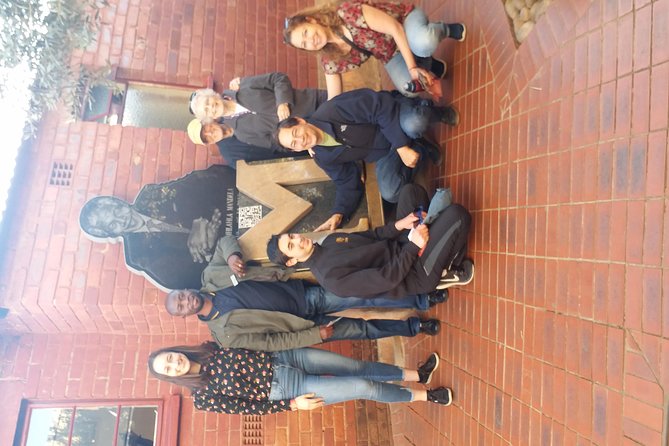
A lot of Johannesburg sightseeing falls into two buckets: either you do museum-hours-only, or you go township-only. This tour tries to do both, without eating your whole day.
The format works because your brain needs a frame. You get that frame at the Apartheid Museum, then you build meaning while walking through Soweto. You’re not just looking at landmarks; you’re connecting names, dates, and places as you go. That’s also why this tour is a good first taste of Joburg—especially if you’re short on time.
The time window matters too. Expect about 4 to 5 hours. That’s long enough to feel you did something real, but not so long that your day collapses afterward.
You can also read our reviews of more guided tours in Johannesburg

Apartheid Museum: your two-hour context builder
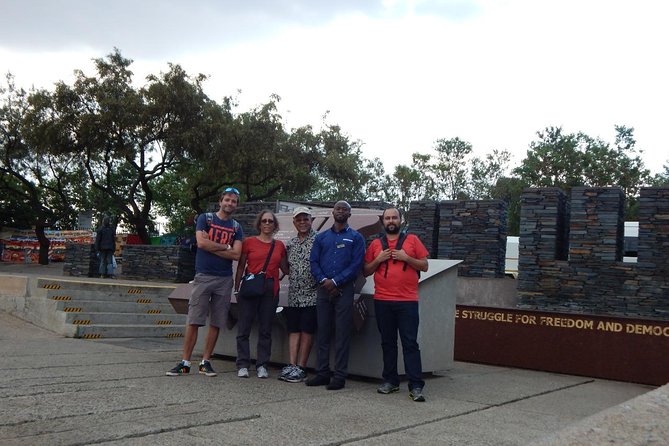
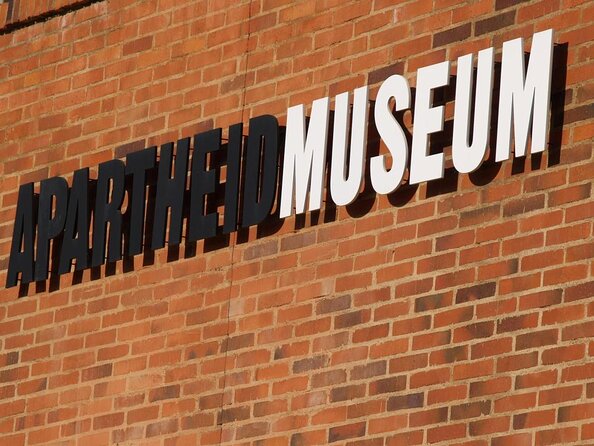
The tour starts with a stop at the Apartheid Museum, and you’ll spend about 2 hours there with the admission ticket included. The museum covers the rise and fall of apartheid, so it’s the most efficient way to understand the topic before you walk the township streets.
A key detail: the museum is self-guided. That’s not a flaw—it’s how the museum runs. The exhibits have explanations on-site, and there’s video content throughout. Your guide can help you orient and point you toward the parts that fit the time you have, but you’ll be doing the exploring at your own pace once you’re inside.
Timing note you should take seriously: the Apartheid Museum opens Wednesday through Sunday. If your dates land on a closed day, the tour may adjust with another relevant historical stop (some itineraries shift toward Constitution Hill when the museum isn’t open). Before you go, check the day of the week for your booking.
Vilakazi Street: the Nobel Peace Prize geography

After the museum, you head to Vilakazi Street for about 30 minutes. This stop matters for one simple reason: it’s the only street in the world where two Nobel Peace Prize laureates lived—Desmond Tutu and Nelson Mandela.
You’re not paying an admission ticket here, so think of this as a short, meaningful orientation stop. It’s a chance to understand why locals talk about these places with such weight. You’ll also be able to take photos and absorb the feel of the area at walking pace rather than rushing by from a vehicle.
Mandela House: seeing the home, not just the icon
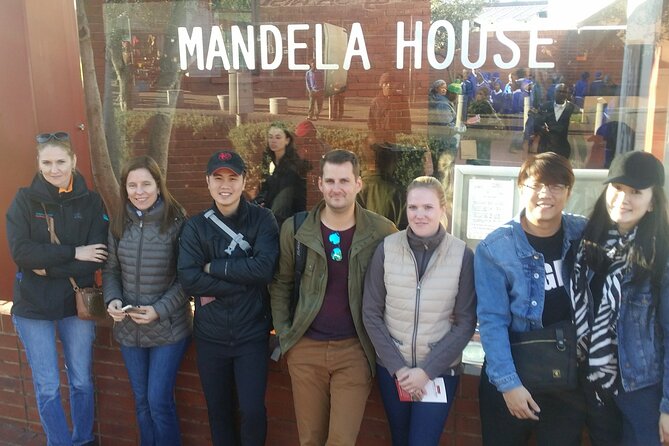
Next comes Mandela House in Soweto, again with about 30 minutes and admission included. This is Nelson Mandela’s house in Soweto, where he lived from 1946 to 1964.
What I like about this stop is how it turns history into a place you can stand in. It’s easier to remember dates when your mind can tie them to a specific setting. Even if you’ve read about Mandela for years, seeing the home can make the timeline feel more human—less like a textbook summary, more like a lived story.
You’ll want to keep moving here; the stop is timed. So if there’s one area you care most about (photos, room details, or the interpretive panels), pick one focus so you don’t spend your whole visit stuck in one corner.
Hector Pieterson Memorial: the students of 1976
About 30 minutes at the Hector Pieterson Memorial follows. This is a dedicated stop commemorating the role of students in the fight against apartheid in 1976.
Admission is included, so you’re not juggling extra payments mid-tour. It’s also one of the strongest “emotion-per-minute” stops on the route. Even if you only take a few minutes to read the key parts, it’s hard to miss the message: youth played a decisive role, and the consequences still echo today.
If you’re the type who prefers not to rush, bring patience. The memorial is one of those places where your instinct is to slow down, but your tour schedule keeps you moving through a set number of stops.
You can also read our reviews of more museum experiences in Johannesburg


Walking Soweto: more than a photo stop

The final and biggest block is about 1 hour in Soweto, with admission listed as free for the overall stop. This is your “put it together” segment—where you see major sights and understand how the township has changed over time.
The route can include places such as Orlando Tower, Freedom Square, Nelson Mandela House and Desmond Tutu’s home area references, plus Chris Hani Baragwanath Hospital. Some of these are viewpoints or street-level landmarks depending on the day and flow of the group.
What I like here is the balance: the tour doesn’t freeze Soweto in the past. It points out that the township has transformed—from an oppressed, segregated area into a well-known destination with international attention. That doesn’t erase the trauma; it just shows the full arc of change.
A practical tip: wear comfortable shoes. You’ll be on foot for parts of this tour, and Soweto walking is not the same as a flat city stroll. The ground and street surfaces can vary, so good footwear saves your feet later.
Timing, group size, and why it sometimes feels tight

This tour is designed for small-group comfort: maximum 15 travelers. In theory, that makes things smoother. In practice, the town and museum schedules still affect pacing.
Some run-throughs can feel on-the-quick side, especially where the museum is concerned. Since the museum is self-guided, there’s a real risk of feeling overwhelmed if you try to see everything in only 2 hours. The smart move is to choose a few key exhibits, then move on.
There can also be minor timing friction if the tour needs to wait on logistics, including matching up with other groups. One common complaint is that time can stretch if you add extra stops like ordering food and resting longer than the planned flow. If your priority is an on-time return to your hotel, keep meals simple or eat before you go.
Also note the tour’s return time can drift. A half-day starting in the morning can land around mid-afternoon depending on traffic and group coordination. If you have a flight or a firm dinner reservation, give yourself buffer time.
The tour guides: names you can look for, and what good guiding looks like
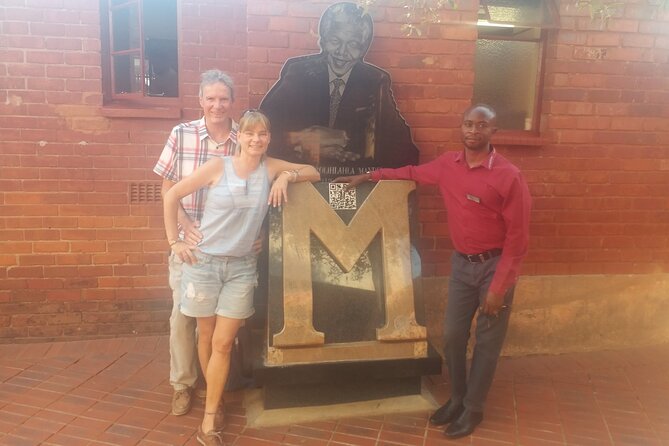
Guides make a huge difference on this kind of history route. The best versions of this tour are the ones where the guide works as a storyteller and a coordinator: setting expectations, keeping the group together, and making sure you understand why each stop matters.
In the feedback you’ve been given, names like Nathi, Bobo, Solly, and Nazhi show up. I’m not saying you’ll always get the exact same person, but it’s a good sign that guides who take the job seriously tend to be remembered.
What you should hope for in a great guide:
- Clear stop-by-stop orientation so you don’t feel lost at the museum
- A sensible pace that keeps the group moving without feeling herded
- Space for questions, especially around what you’re seeing in Soweto streets
If you’re the kind of person who asks a lot of follow-ups, small-group size helps. You’re more likely to get actual answers instead of a quick wave and a next stop.
Price and value: what $69.02 buys you
At $69.02 per person, this tour sits in a middle lane: not a bargain bus deal, not a luxury private driver-only option.
Here’s why it can still be good value:
- Hotel pickup and drop-off are included
- You get an air-conditioned vehicle
- All fees and taxes are included
- Key admissions are built in: Apartheid Museum, Mandela House, and Hector Pieterson Memorial
- Your group stays small (max 15), which can reduce waiting and make guiding more effective
What’s not included matters for your budgeting. Drinks and lunch are not included, so you’ll want to plan how you’ll handle food. If you arrive hungry, you can end up paying more or losing time waiting for a restaurant meal.
If you’re comparing this to DIY, the biggest savings isn’t money—it’s mental energy. The route is curated, timed, and managed with pickup included. On a short trip, that is real value.
Pickup, meeting points, and what to bring
Most hotels in Johannesburg-area pickup zones are handled through hotel pickup and drop-off, and confirmation happens at booking. If your hotel falls outside the pickup area, you might need to meet at the museum area instead. It’s smart to double-check your meeting point details ahead of time so there’s no last-minute scramble.
Bring:
- Comfortable walking shoes
- Casual clothing (dress code is casual)
- A water bottle (drinks aren’t included)
- A charged phone/camera for street-level photos
And remember: this is history on real ground. Keep your tone respectful, move as a group, and don’t wander off during timed stops.
When this tour is the right fit
This is a strong choice if:
- You want a short, structured way to understand apartheid and its aftermath
- You’re visiting for the first time and need a route that makes sense in a few hours
- You prefer small-group comfort and a guide who answers questions
It may not be ideal if:
- You need a fully narrated, guide-led walkthrough inside every museum gallery
- You’re very strict about timing and can’t tolerate any schedule drift
- You dislike walking when the schedule is tight (some parts are on foot)
Should you book this Soweto and Apartheid Museum tour?
If you want an efficient Johannesburg history starter that links the museum to the lived geography of Soweto, I think this booking makes sense. The included admissions at the highest-impact sites save you time and money, and the small-group setup makes questions practical.
My decision rule is simple: if you can accept that the museum is self-guided and you’re okay with a tight schedule, this is a smart use of a half day. If you need slow, deep museum narration with no time pressure, consider spending extra time at the museum on a separate day instead.
FAQ
How long is the half guided day tour of Soweto and the Apartheid Museum?
The tour lasts about 4 to 5 hours.
How much does the tour cost?
It’s priced at $69.02 per person.
Is hotel pickup and drop-off included?
Yes. Pickup and drop-off from your Johannesburg-area hotel are included.
What’s included in the price?
The price includes hotel pickup/drop-off, all fees and taxes, and an air-conditioned vehicle.
Is lunch included?
No. Drinks and lunch are not included.
Are tickets included for the main stops?
Yes. Apartheid Museum admission is included, Mandela House admission is included, and Hector Pieterson Memorial admission is included. Vilakazi Street does not include an admission ticket.
How big is the group?
The tour has a maximum of 15 travelers.
Is there a dress code?
Dress code is casual.
Is the Apartheid Museum open every day?
No. The Apartheid Museum opens Wednesday to Sunday.
What’s the cancellation policy?
You can cancel for a full refund up to 24 hours in advance. If you cancel less than 24 hours before the start time, the amount paid is not refunded.