REVIEW · JOHANNESBURG
Johannesburg: Full-Day Tour with Soweto and Apartheid Museum
Book on GetYourGuide →Operated by Kilimanjaro travel and tour SA · Bookable on GetYourGuide
Apartheid-era South Africa hits hard in one day. I like how this tour connects the story beats across Constitution Hill and the Apartheid Museum, and I really value the way guides such as Advice and Bob turn names, dates, and laws into something you can follow. The one real drawback: it’s a long, emotionally heavy day, so you’ll want to pace yourself and be ready for what you’ll learn.
This is a full-day circuit built around the main sites you don’t want to miss in Johannesburg, from the Old Fort prison at Constitution Hill to stops in Soweto. I love that it’s guided start to finish with hotel pickup and air-conditioned transport, and you’ll get guided time at major memorials without having to figure out logistics on your own.
In This Review
- Key highlights worth your time
- Why this Johannesburg + Soweto format works
- Hotel pickup and the “getting there without stress” advantage
- Constitution Hill: from the Old Fort prison to Human Rights Day
- Quick Johannesburg CBD context and practical photo stops
- The Apartheid Museum: why this stop is the emotional center
- Soweto lunch break: plan for your own food budget
- Soweto streets and symbols: towers, Mandela Bridge, and Tutu House
- Mandela House in Soweto: the 1946–1962 anchor
- Hector Pieterson Memorial: remembering the 1976 uprising
- The day’s pace: long, but not chaotic
- Language and guide style: French and English
- Price and value: what $104 really covers
- Who should book this tour, and who should skip it
- Should you book this Johannesburg tour?
- FAQ
- How long is the Johannesburg full-day tour with Soweto and the Apartheid Museum?
- Do I get hotel pickup and drop-off?
- What languages are the guides available in?
- Are tickets for the Apartheid Museum and Hector Pieterson Memorial included?
- Is lunch included?
- Where does the tour end?
- Is the tour suitable for pregnant women?
- Are alcohol and drugs allowed on the tour?
Key highlights worth your time
- Constitution Hill first: Old Fort prison history paired with the modern Constitutional Court (inaugurated March 21, 2004).
- Apartheid Museum, timed right: enough guided structure to understand what apartheid did and how it ended.
- Mandela House visit in Soweto: Nelson Mandela’s home (1946–1962), plus respectful context on the neighborhood.
- Hector Pieterson Memorial: a focused stop for the memory of the 1976 Soweto uprisings.
- Soweto street-level views: towers, plus photo stops along the way, including the Mandela Bridge and major landmarks like FNB Stadium.
- Hotel pickup and drop-off: convenient if you’re only in Joburg briefly.
Why this Johannesburg + Soweto format works
If you’re short on time, Johannesburg can feel like a blur of neighborhoods, roads, and headlines. This tour helps because it gives you a timeline you can actually hold in your head. You start with a place that represents the state’s power and imprisonment, then you move into the museum that explains the system, and finally you shift to Soweto to see the people, the landmarks, and the memory of resistance.
I also like that the tour isn’t only about tragedy in the past. You do still leave with grief and anger in your chest, but you also see how the city and Soweto exist today—through its architecture, community landmarks, and the ongoing importance of what happened in 1976.
One warning in plain language: this is not a light “photo and coffee” day. It’s respectful, structured, and designed for learning. If you want a quick sightseeing loop, you might find this too serious.
You can also read our reviews of more museum experiences in Johannesburg



Hotel pickup and the “getting there without stress” advantage
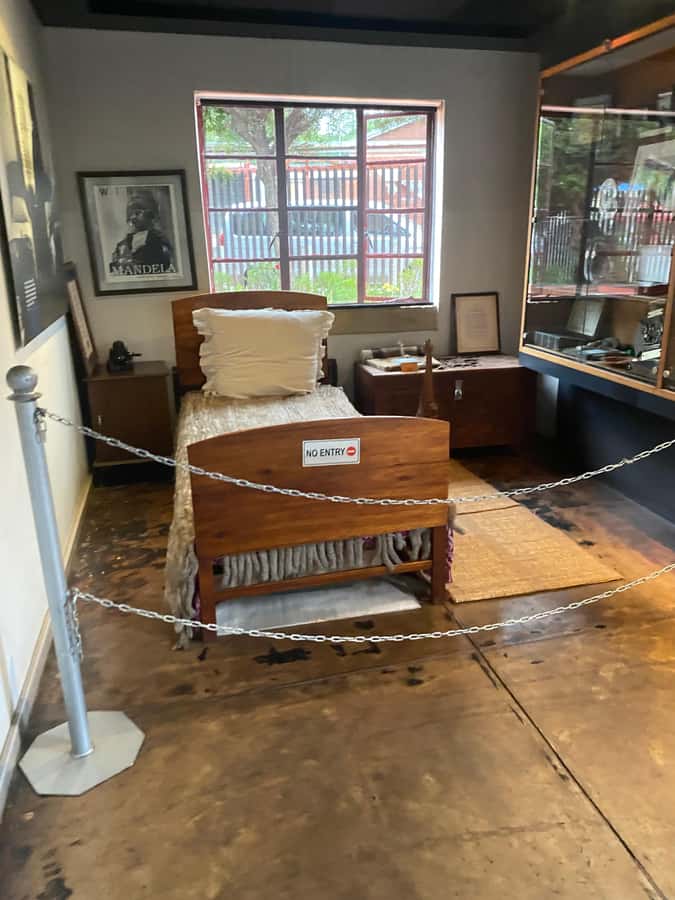
The day starts with pickup directly from your hotel, with multiple pickup zones across Johannesburg, including areas like Sandton, Rosebank, Melrose, Parkwood, Houghton Estate, Woodmead, Eastgate, Melville, and even the O.R. Tambo area. That matters because Joburg distances are real. Instead of spending your morning navigating traffic or hunting rides, you roll out in a comfortable, air-conditioned vehicle with a guide leading the way.
The tour runs about 10 hours and ends at 17H00, with drop-off back to your hotel right after. If your schedule is tight that evening, plan it carefully. You’ll likely want dinner close to home, not on the other side of the city.
Constitution Hill: from the Old Fort prison to Human Rights Day
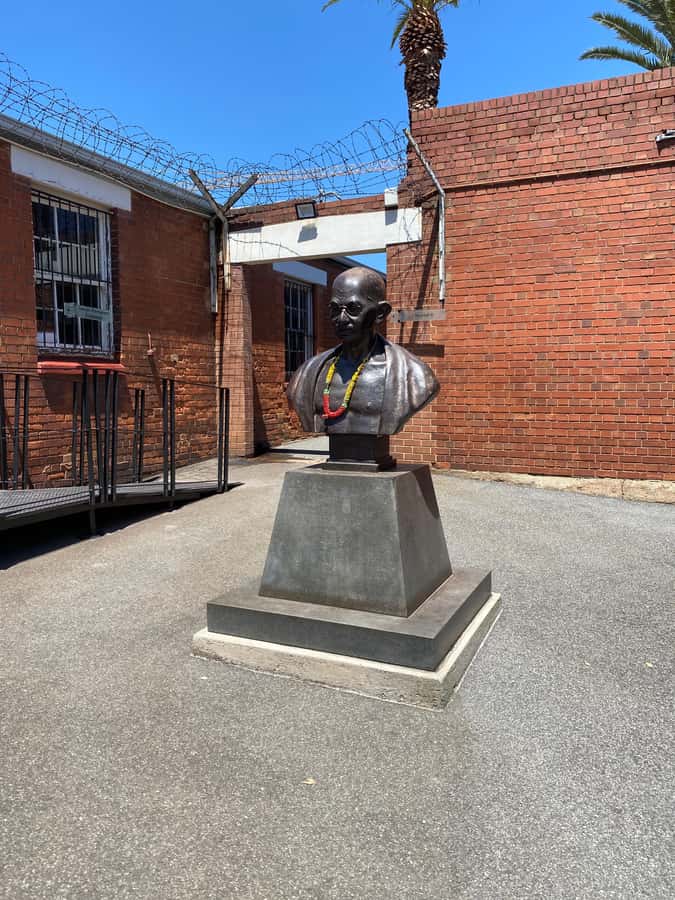
Your first major stop is Constitution Hill, and it’s set up to hit you in the right order. The Old Fort there was built by President Paul Kruger in 1983, and it served as a prison in the early 1900s. That’s the kind of detail that seems “date-only” until a guide connects it to what imprisonment meant in those systems.
You’ll also see the Constitutional Court, inaugurated on March 21, 2004—South Africa’s Human Rights Day. That pairing is powerful because it frames the story as change over time, not just suffering with no ending.
This is also where having a strong guide really shows. Names like Advice, Bob, and John get singled out for explaining the area’s history in a way that stays clear and respectful. The guided time here is about 1.5 hours on foot, so wear shoes you can walk in without thinking too hard. You’ll get more out of it when you can focus on the story instead of your feet.
Quick Johannesburg CBD context and practical photo stops
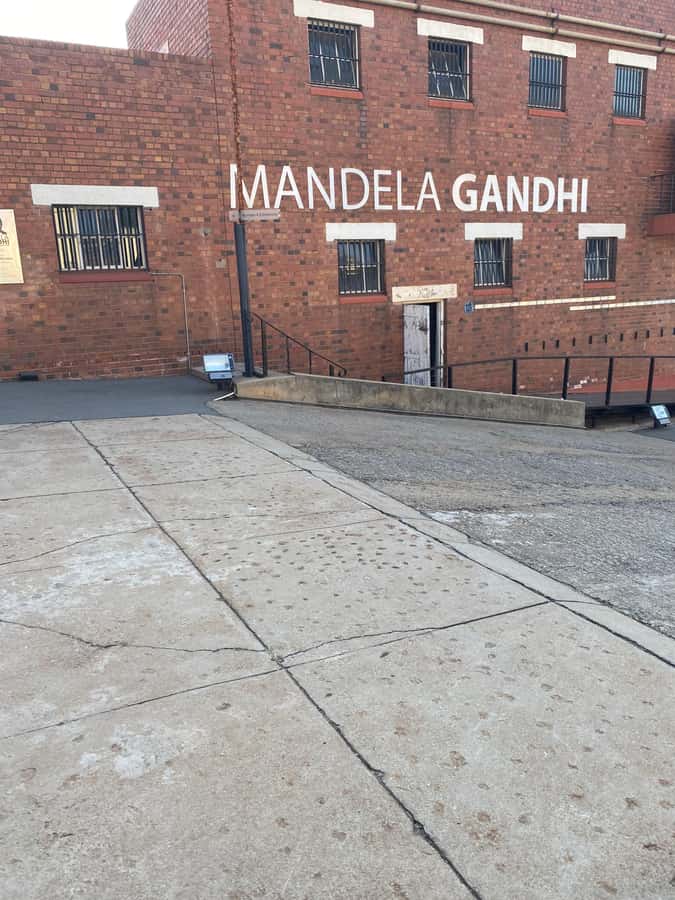
After Constitution Hill, the tour continues into the old Johannesburg inner city (the CBD). You’ll get a short sightseeing window aimed at giving context: historic buildings, city landmarks, and the sense of how Joburg grew around power and industry.
Then you get a series of short photo stops—things like:
- Nelson Mandela Bridge (photo stop)
- Chancellor House and Newtown area (photo stop)
- Gandhi Square (photo stop)
- FNB Stadium (photo stop)
These stops won’t replace doing neighborhoods on your own later, but they help stitch the day together visually. You’ll understand why certain landmarks matter, and you’ll spot what you might want to revisit after the fact.
The Apartheid Museum: why this stop is the emotional center
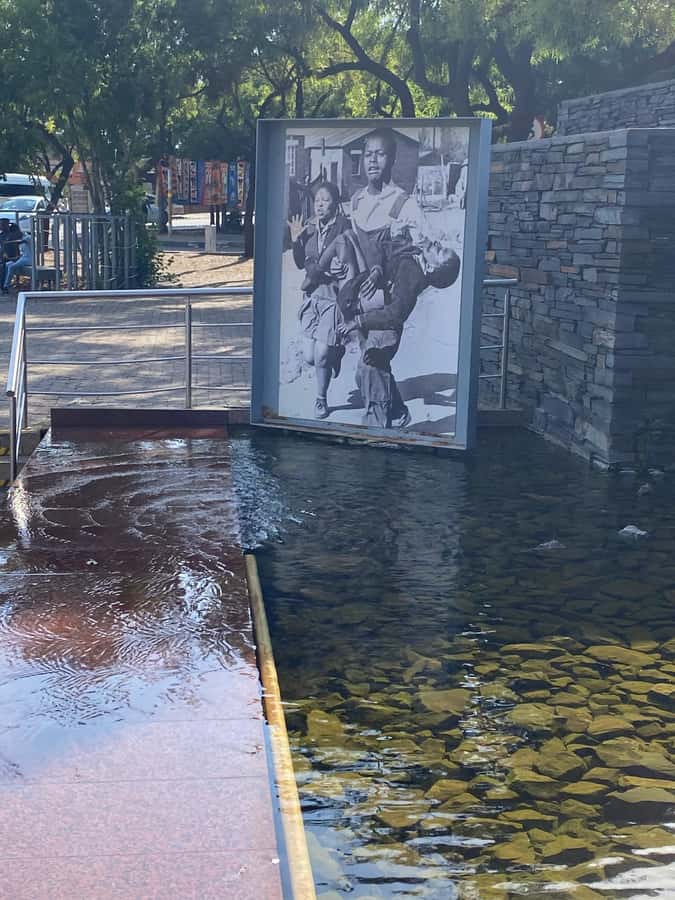
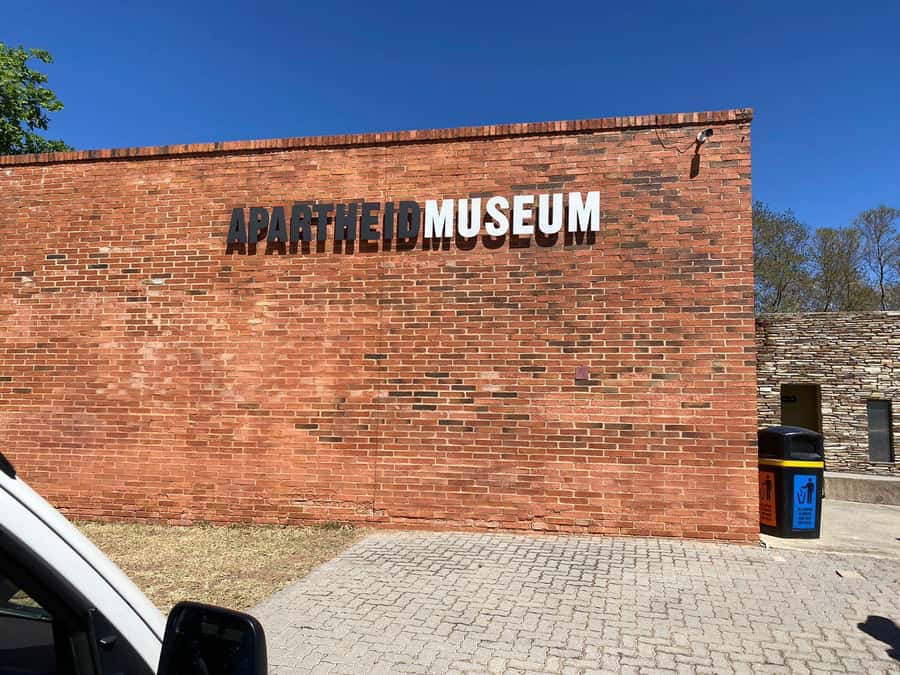
The Apartheid Museum is the big learning block of the day. You’ll spend around two hours there, with guided walkthrough and time to absorb exhibits at a slower pace than “hit and run.”
What makes this museum essential is that it doesn’t treat apartheid like one event. It explains how the system worked—laws, segregation, political control, and the lived reality of oppression until the early 1990s. The museum also covers key moments you’ll hear about again later in the day, including:
- June 16, 1976 and the Soweto uprising context
- political executions and the brutality of repression
- Nelson Mandela’s release from prison
- his election as South Africa’s first black president
You should expect emotion here. That’s not just “sadness as ambiance.” It’s part of what the museum is doing—showing why resistance mattered and why freedom took shape through real people and real events.
A small practical note: museum time can feel dense. If you’re the type who likes to read everything slowly, you might feel time pressure. That’s why the guide’s framing helps—you’ll understand the exhibit flow even if you can’t read every label word-for-word.

Soweto lunch break: plan for your own food budget
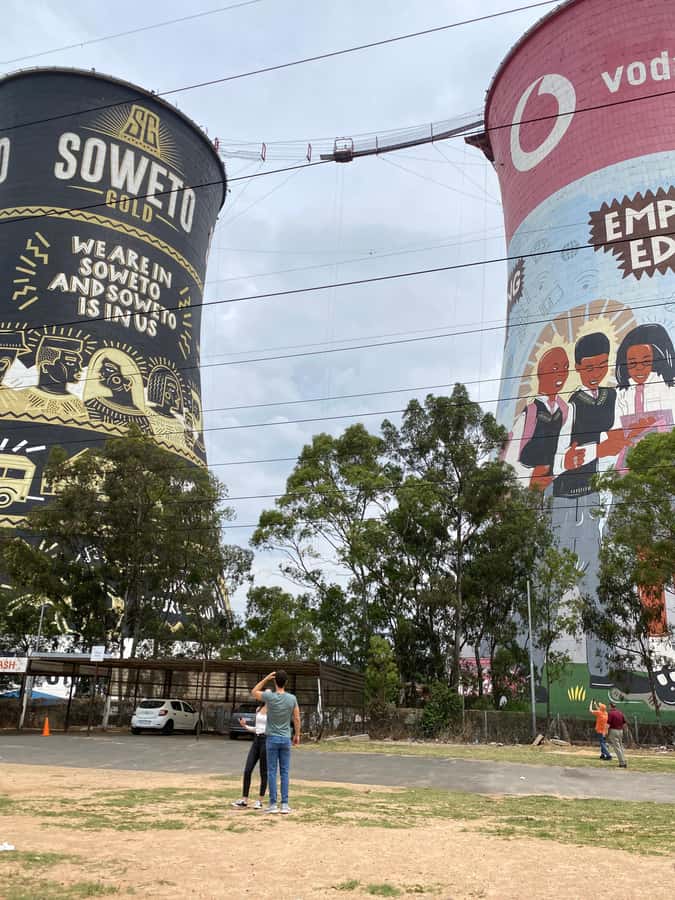
After the museum, there’s lunch in Soweto at a local eatery. Food isn’t included in the tour price, so you’ll need to budget for it. The advantage is that this gives you a change of pace. You’re still in the history zone, but you’re not constantly walking and listening.
This is also a good moment to regroup mentally. The day has already covered prison history and an intense museum. Eating here helps you recharge for the Soweto portions, including Mandela House and the Hector Pieterson Memorial later.
If you’re sensitive to strong themes, don’t feel bad taking the break seriously. You’re not “losing focus.” You’re preparing yourself to understand the next stops with respect.
Soweto streets and symbols: towers, Mandela Bridge, and Tutu House
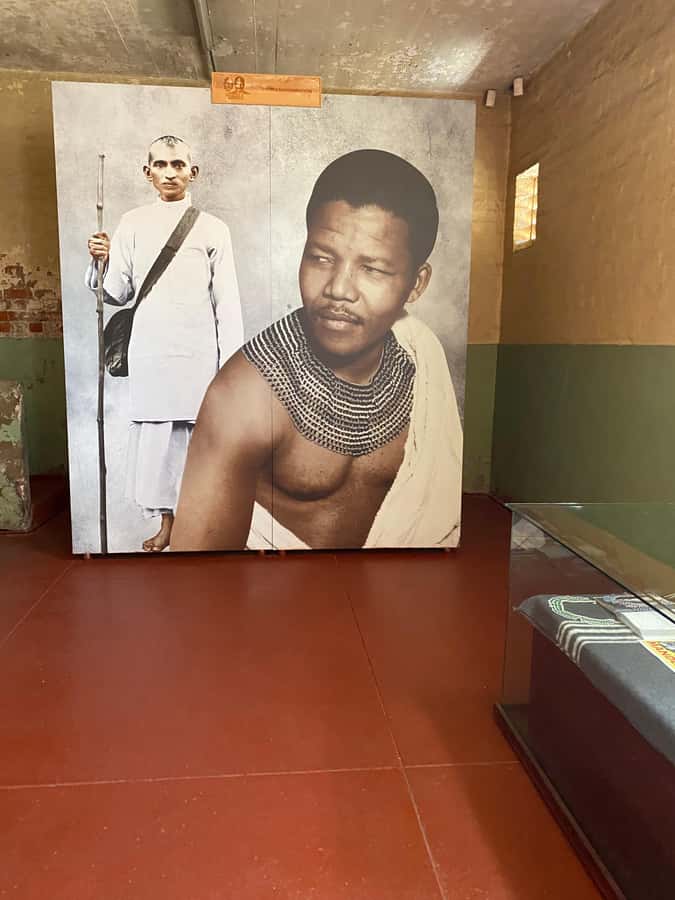
Then you roll into Soweto with guided time—about two hours focused on the township experience and key landmarks. This part of the day is designed to get beyond the famous names and show how people and places connect.
You’ll see:
- Soweto Towers for a visual landmark and quick photo time (plus a short free-time window)
- Mandela House (you pass by first, then visit later)
- Tutu House, the former home of Archbishop Desmond Tutu
- plus other city-to-township context along the route
I like this section because it’s not just about monuments. You’re seeing how Soweto holds both history and identity. Some guides are praised for handling this with empathy—especially when visitors are understandably nervous about safety or how to act respectfully in a living community.
Also, note the style of the stops: you won’t be wandering freely for hours. This is a guided day that keeps movement efficient so you don’t lose the “story thread” you’ve been building all morning.
Mandela House in Soweto: the 1946–1962 anchor
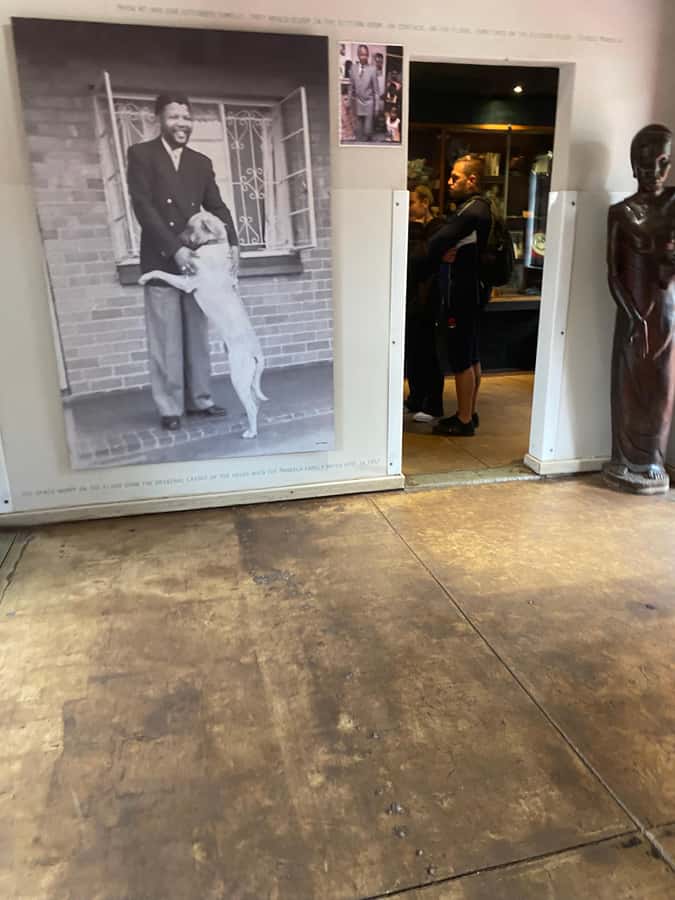
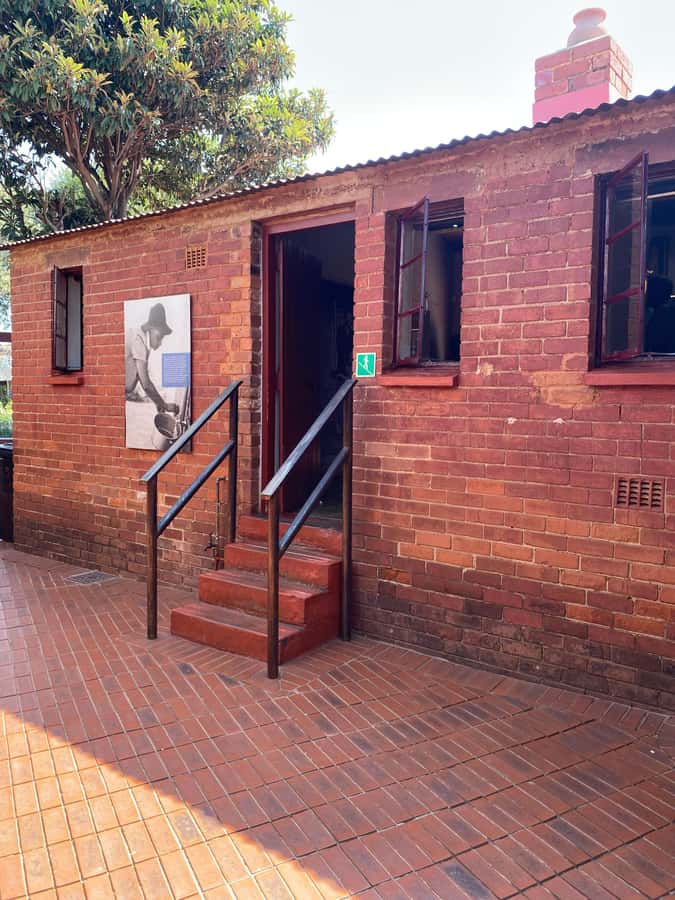
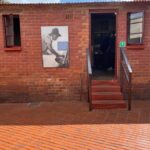
Next is a visit to Mandela’s House in Soweto. You’ll have guided time—about 25 minutes—inside this key site connected to Nelson Mandela’s life. The details matter here: it was his home between 1946 and 1962.
This is a valuable stop because it shifts you from institutions and exhibits into a human scale. You’re not just learning about apartheid as a system. You’re seeing where one of the most recognizable anti-apartheid figures lived during a critical period.
Guides named John, Kwanda, and Masese are repeatedly mentioned for making this visit feel structured and respectful, not like a rushed checklist photo. That’s exactly how it should feel: quiet attention, clear context, and time to take it in.
Hector Pieterson Memorial: remembering the 1976 uprising
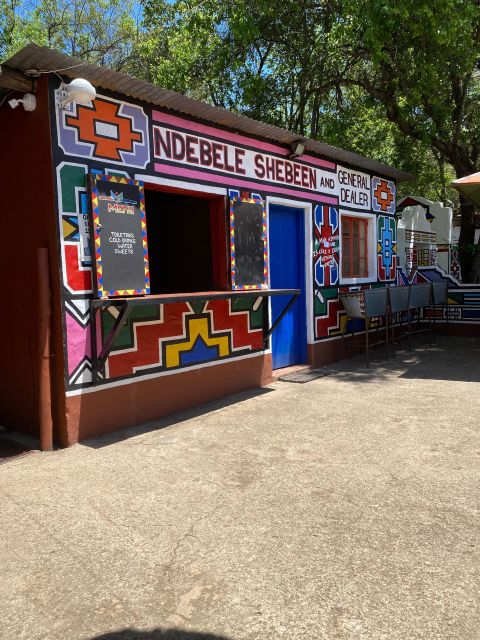
After Mandela House, the tour continues to the Hector Pieterson Memorial. You’ll get guided time of about 20 minutes.
This memorial focuses on preserving the memory of the 1976 Soweto uprisings—events that became a turning point in the fight against apartheid. It’s a logical next stop after the museum and Mandela House, because it ties the earlier history to the youth-led resistance that helped push momentum toward change.
If you found the museum emotionally intense (it often is), this can still hit. The good part is that the guide’s structure helps you understand what you’re seeing and why it still matters.
The day’s pace: long, but not chaotic
This tour is about 10 hours, with guided segments that add up quickly:
- a guided walk at Constitution Hill (about 1.5 hours)
- guided time in Soweto (about 2 hours)
- Mandela House visit (about 25 minutes)
- Hector Pieterson Memorial (about 20 minutes)
- Apartheid Museum time (about 2 hours)
That adds up to a full, information-heavy day. The upside is you’re not left wandering with only your own questions. The guide gives explanations and keeps the timing moving in a way that’s manageable.
Here’s my practical advice for getting the most out of it:
- Bring patience for the emotional content. You can be respectful without rushing through your feelings.
- Wear comfortable shoes. You’ll walk and stand enough to matter.
- Plan your lunch budget. Food and drinks are not included.
- Don’t overload your schedule afterward. The tour ends at 17H00, and you’ll likely want downtime.
Also, the tour has clear rules: alcohol and drugs aren’t allowed. That keeps the day focused and respectful.
Language and guide style: French and English
The live guide speaks either French or English. That matters if you’re traveling with a group that includes different language needs—your guide will shape the experience around clear explanations and narration.
One thing I really value on tours like this is how well the guide balances facts with empathy. Multiple guides connected to this route—such as Advice, Bob, John, Kwanda, and Masese—are noted for answering questions and maintaining respectful tone. That can change the whole feel of the day: less like a lecture, more like a story you can follow.
Price and value: what $104 really covers
At $104 per person, the headline price looks straightforward, but the value comes from what’s included versus what you handle yourself.
What you get included:
- hotel pickup and drop-off
- transportation in an air-conditioned vehicle
- a guide
- entry ticket to the Apartheid Museum
- entry ticket to the Hector Pieterson Memorial
- entry tickets for the activities on the day
What you pay separately:
- food and drinks (lunch in Soweto is not included)
- internet (obviously)
When you add it up, you’re paying for a full guided day plus museum access and transport across key sites that would be harder to coordinate alone. If you’re only in Johannesburg for a short window, this is the kind of paid day trip that can save you both time and mental load.
Is it cheap? No. But it’s not just a “bus tour,” either. You’re buying context, timing, and guided access to the exact places where the history becomes understandable.
Who should book this tour, and who should skip it
I think this tour is a strong fit if you want:
- a structured introduction to Johannesburg’s apartheid-era story
- guided visits to Constitution Hill, Apartheid Museum, Mandela House, and Hector Pieterson Memorial
- a day that connects past oppression to Soweto’s living presence today
It might be a poor fit if:
- you’re expecting casual sightseeing with minimal emotion
- you’re looking for lots of free time for wandering (the stops are guided and timed)
- you’re pregnant (the tour is noted as not suitable for pregnant women)
Also, if you’re the type who needs frequent breaks from intense topics, go in with a plan: use the lunch stop to reset and keep your pace steady.
Should you book this Johannesburg tour?
Book it if you want the highlights in one coherent day and you’re ready for history that doesn’t sugarcoat the truth. The value is strong because transport plus museum entry plus guided time add up, and the itinerary is built around the key places that explain apartheid and resistance.
Don’t book it if you want a light itinerary, or if the idea of long, emotional museum and memorial stops feels like too much. In that case, you’d be better off splitting your time into fewer sites and giving yourself space to process.
If you do book, choose comfortable shoes, budget for lunch, and let your guide set the pace. This isn’t a casual checklist. It’s a day that teaches you how Johannesburg and Soweto got to where they are now.
FAQ
How long is the Johannesburg full-day tour with Soweto and the Apartheid Museum?
The duration is 10 hours, with the tour ending at 17H00 followed by drop-off to your hotel.
Do I get hotel pickup and drop-off?
Yes. Pickup is included from your hotel, and the tour also includes drop-off back to your hotel at the end of the day.
What languages are the guides available in?
The live tour guide operates in French and English.
Are tickets for the Apartheid Museum and Hector Pieterson Memorial included?
Yes. Apartheid Museum entry ticket and Hector Pieterson Memorial entry ticket are included, along with entry tickets for the activities.
Is lunch included?
No. Food and drinks are not included. Lunch is mentioned as a break at a Soweto eatery, but you should plan to pay for it yourself.
Where does the tour end?
The tour ends at 17H00, and then drop-off is provided back to your hotel.
Is the tour suitable for pregnant women?
No. The tour is noted as not suitable for pregnant women.
Are alcohol and drugs allowed on the tour?
No. Alcohol and drugs are not allowed.