REVIEW · JOHANNESBURG
Johannesburg: Soweto & Apartheid Museum Half-Day Tour
Book on GetYourGuide →Operated by Kilimanjaro travel and tour SA · Bookable on GetYourGuide
Soweto hits you fast, then makes you think. This half-day tour pairs street-level Soweto stops with the Apartheid Museum, and it also includes an inside look at Mandela House. I liked how the best guides—like Advice, Masase, and John—turn big events into clear, human stories.
You also get the kind of stop-and-look route that works well when you have limited time in Johannesburg. I especially enjoyed seeing major landmarks like Chris Hani Baragwanath Hospital, the Soweto Towers photo stop, and the pass-by at FNB Stadium while your guide explains how the city got shaped.
One thing to plan for: you only get 2.5 hours at the Apartheid Museum, so if you like to linger, it can feel short. Some audio-visual parts can overlap, so bring your focus (and hearing help if you use it).
In This Review
- Key highlights that make this tour worth your time
- How Soweto and the Apartheid Museum fit together in one half day
- Pickup around Johannesburg: usually smooth, but do your part
- Apartheid Museum: your emotional core and how to make the most of 2.5 hours
- Soweto walking and landmarks: hospital views, neighborhood contrasts, and stadium pass-bys
- Soweto Towers: the 5-minute photo stop that still makes sense
- Tutu House pass-by: seeing a famous name before it becomes a museum
- Mandela House inside: 25 minutes that land because you’ve got context
- Hector Pieterson Memorial and the student uprising story: outside viewing done right
- Price and value: is $84 fair for this route?
- Who should book this Soweto and Mandela day?
- My quick decision checklist: should you book?
- FAQ
- How long is the Johannesburg Soweto & Apartheid Museum half-day tour?
- What major places are included on this tour?
- Are entry tickets included?
- Is food included?
- What languages is the live tour guide available in?
- Where do pickups happen?
- Is it suitable for wheelchair users or people with high blood pressure?
- What’s the cancellation policy?
Key highlights that make this tour worth your time
- Story-first guiding from people like Advice, Masase, and John that keeps the day moving but not rushed
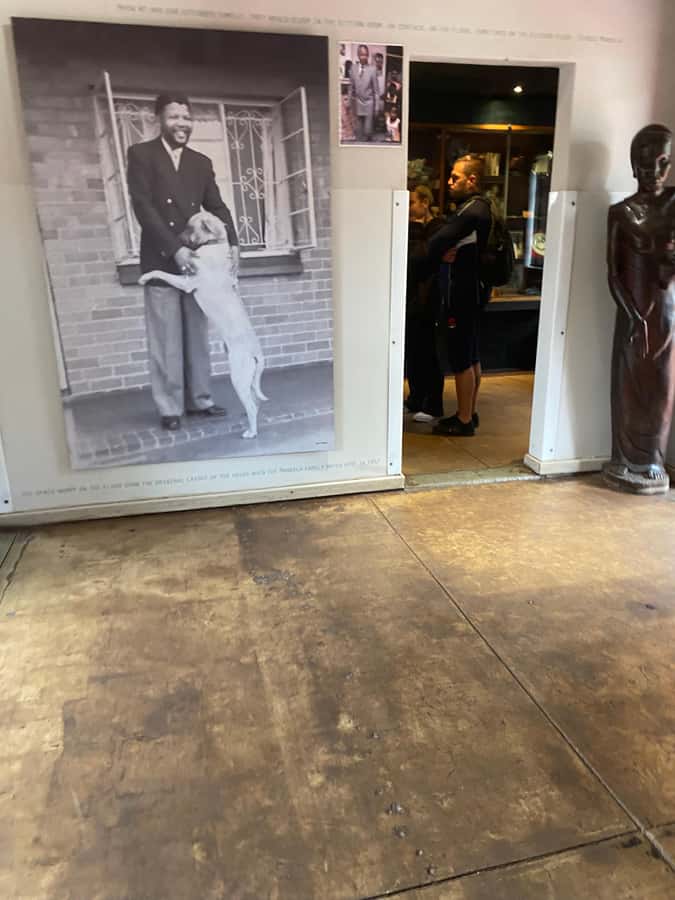
- Mandela House inside visit plus clear context you can use right away
- Soweto walking + sightseeing to see daily life contrasts, from better-off areas to poorer neighborhoods
- Iconic photo moments at Soweto Towers and key viewpoints along the route
- Hector Pieterson Memorial stop paired with the student uprising context covered at the museum
- No food included, so I recommend planning on water and a meal after
How Soweto and the Apartheid Museum fit together in one half day
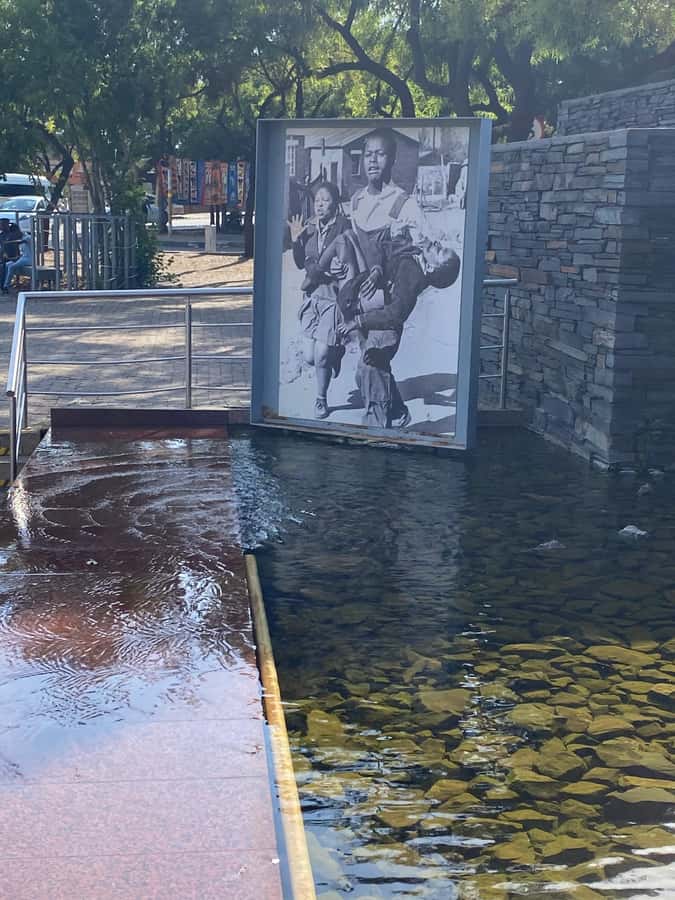
This tour works because it doesn’t treat apartheid like a single building on a single day. You start getting the context around Soweto—homes, streets, and landmarks—then you hit the museum where the full story is spelled out.
I also liked that the day doesn’t overload you with stops you can barely photograph. You get a clear flow: museum first, then Soweto streets for walking and viewpoints, and then the key Mandela and Pieterson-related stops.
You can also read our reviews of more museum experiences in Johannesburg


Pickup around Johannesburg: usually smooth, but do your part
You get door-to-door help, with pickup from seven areas: Parkwood, Melrose, Melville, Sandton, Johannesburg, O.R. Tambo, and Rosebank. The rule is simple: wait in the hotel lobby for your driver.
This matters because Soweto trips can eat up time if you’re coordinating your own transport. Here, you’re handed the logistics and you can spend your energy on the history and the streets.
Tip: if you’re finishing at the end point and need to find your driver quickly, keep an eye on your guide’s instructions and the meeting place details.
Apartheid Museum: your emotional core and how to make the most of 2.5 hours
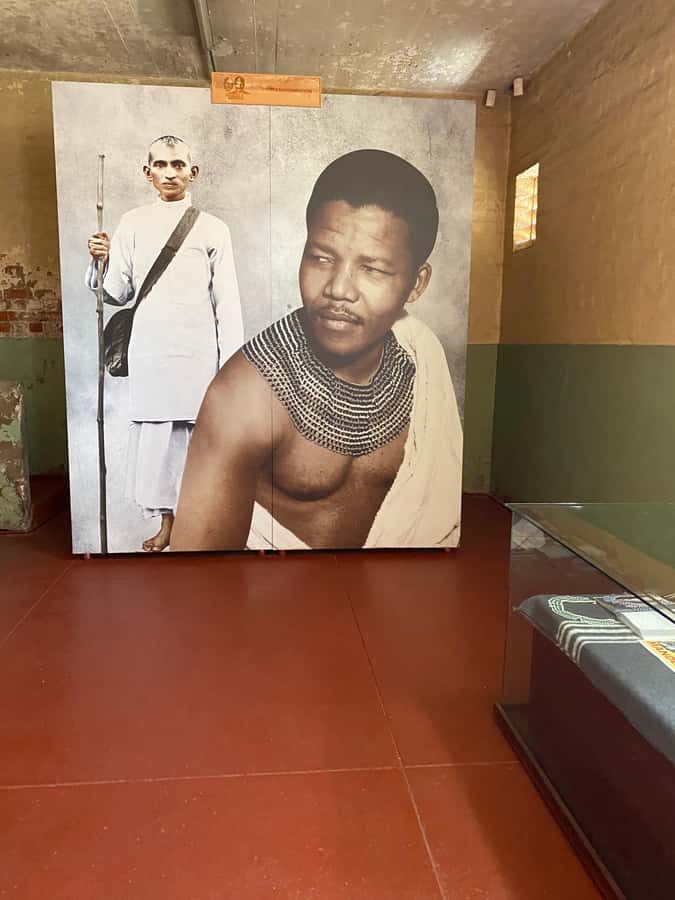
The day centers on a guided visit (with an option for self-guided time too) at the Apartheid Museum. You get about 2.5 hours, which is enough to get oriented fast, understand the major timeline, and feel the scale of what the system did to real lives.
I found the guided approach helps a lot, because the museum is big and it can be easy to get lost in information. With a good guide, you’re not just walking through rooms—you’re learning how different policies connected, and why the resistance mattered.
One practical caution: a couple of visitors noted that audio-visual sections can overlap and be harder to follow if you’re trying to hear everything clearly. So if you use hearing aids or you know you struggle with audio in busy rooms, consider pacing yourself and focusing on the sections that connect best with what your guide highlighted.
Soweto walking and landmarks: hospital views, neighborhood contrasts, and stadium pass-bys
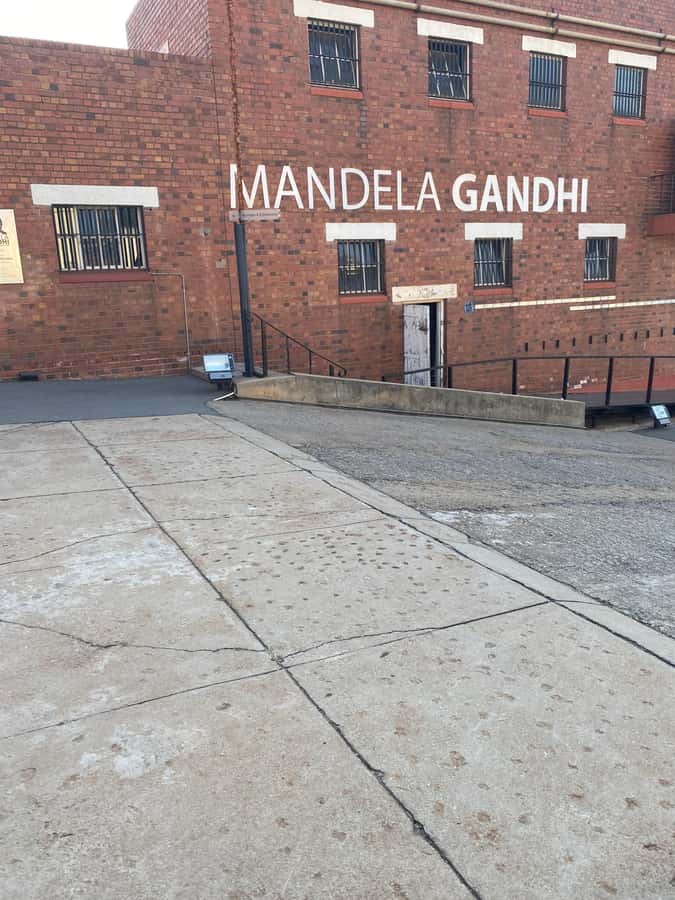
After the museum, the route shifts to the streets of Soweto with a guided sightseeing and a walk time. You’ll spend around 2 hours in Soweto proper, with stops and passing viewpoints that your guide uses to explain how life changed under apartheid—and how people live now.
I liked the way the tour talks about architecture and everyday life differences across Soweto. Your guide connects what you see outside—types of housing, the feel of neighborhoods, and how the area is laid out—to the broader story of segregation and its aftermath.
You’ll also see major landmark references, including Chris Hani Baragwanath Hospital. Even if you’re not going inside, it’s a powerful symbol of the scale of community services in Soweto.
And you’ll pass one of the big sports sights in the country: FNB Stadium. You don’t get time to wander it, but you do get the “this is Johannesburg now” moment—especially helpful when you’re trying to keep apartheid-era history from feeling frozen in the past.
Soweto Towers: the 5-minute photo stop that still makes sense

Soweto Towers is a quick stop—about 5 minutes for photos. It’s easy to think that’s too short, but it works here because your guide is using it as a landmark reference point, not a full attraction day.
Take your photos early, then turn to your guide for the context. The best value of a short photo stop is getting your bearings, so the rest of Soweto feels readable rather than random.


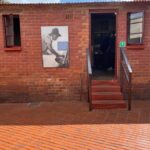
Tutu House pass-by: seeing a famous name before it becomes a museum
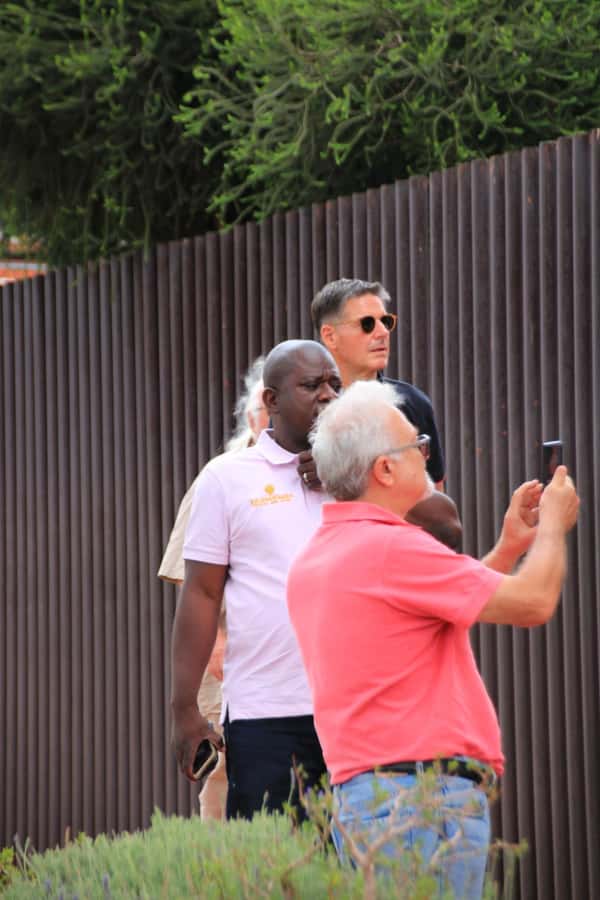
You’ll pass by Desmond Tutu’s house from the outside. The tour notes that it hasn’t been turned into a museum yet, so you’re not getting an entry ticket or long visit here—you’re getting the viewpoint and the story context.
This is a subtle but useful part of the day. It reinforces that history doesn’t only live in museums. Sometimes it lives in real streets and real homes, even when access is limited.
Mandela House inside: 25 minutes that land because you’ve got context

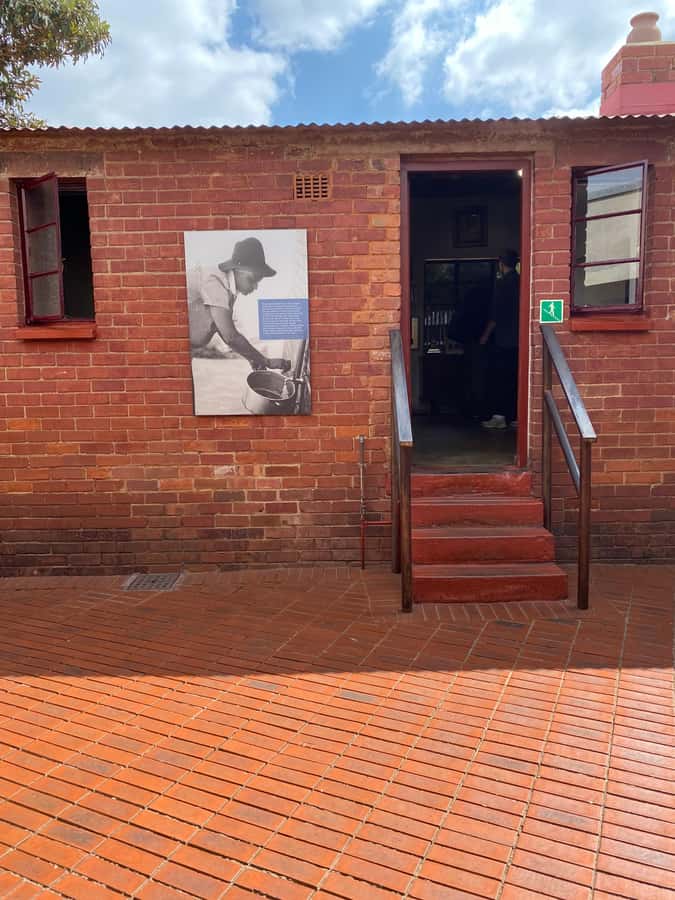
Next comes Mandela’s House, with a guided visit of about 25 minutes. This is one of the tour’s strongest parts because it ties directly to what you learned at the museum, then gives you a grounded, human scale to the story.
I like how short guided visits work when you’ve already built context. You can pay attention instead of hunting for meaning, and 25 minutes is long enough to absorb key points without turning the visit into a rushed blur.
Your guide also helps you understand what you’re seeing, not just what happened. That difference matters a lot in South Africa, where the distance between political events and ordinary life can feel huge—until you connect the two.
Hector Pieterson Memorial and the student uprising story: outside viewing done right
You end with a guided visit around the Hector Pieterson Memorial area (about 20 minutes). The tour approach is smart: the student uprising context tied to Hector Pieterson is handled in the Apartheid Museum visit, so this stop helps reinforce the themes instead of repeating the entire story.
You’ll also see the Hector Pieterson Museum from outside rather than going in. That structure can be a plus, especially if you already feel emotionally “full” after the museum. It keeps the day from spiraling into repeat information and lets you focus on what the memorial means.
I found this final segment works as a moment to slow down. After the bigger institutions, a smaller, focused stop gives you a place to reflect and ask your guide a question before the day wraps.
Price and value: is $84 fair for this route?
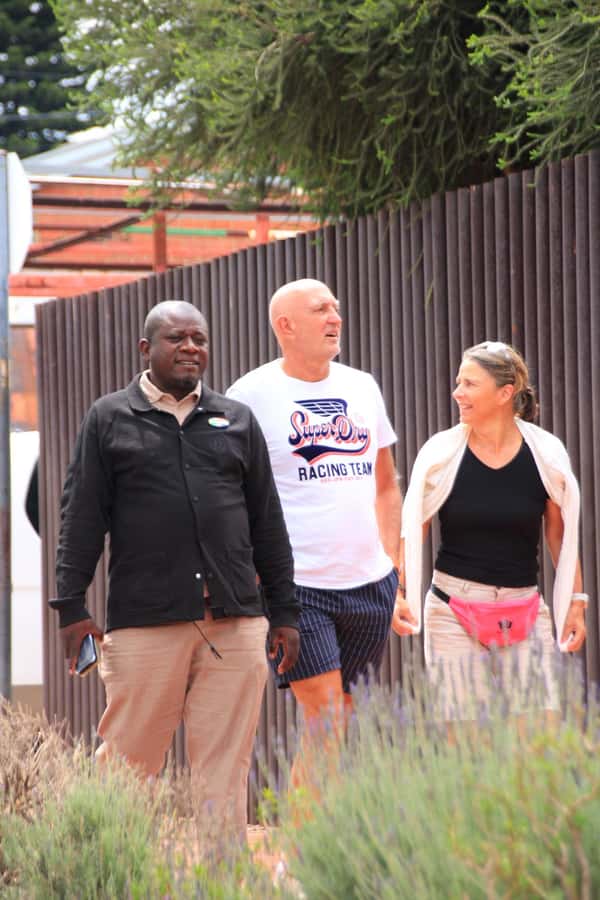
At $84 per person for a roughly 330-minute half-day, the value comes from what’s included, not the sticker price. You get a guide, transport, and entry tickets—so you’re paying for a whole package of time and access, not just “someone telling you facts.”
You’re also getting a tight route that covers multiple anchor points: the Apartheid Museum, key Soweto landmarks, Mandela House, and the Hector Pieterson Memorial area. For many people, that’s the main reason to book: you’re buying efficiency without giving up important stops.
Is it perfect value? If you love deep museum wandering, the museum time limit may feel like the one trade-off. But for a first trip, or for when you only have a small window in Johannesburg, this price-to-content ratio is strong.
Who should book this Soweto and Mandela day?
This tour is a great match if you want context fast. I’d book it if you’re short on time, want to understand apartheid beyond headlines, and like having a guide connect what you see outside with what you learn inside.
It’s also a solid choice for people who appreciate clear pacing and a structured route. The day includes key landmarks like Soweto Towers, Mandela House, and the Hector Pieterson Memorial area, without turning the day into an exhausting checklist.
Skip it if the constraints apply to you. The tour isn’t suitable for wheelchair users, pregnant women, or people with high blood pressure. If any of those fit your situation, look for a different format with fewer walking segments.
My quick decision checklist: should you book?
I’d book this tour if:
- you want the Apartheid Museum plus Mandela House in one day,
- you like guided storytelling that makes history easier to follow,
- you appreciate having transport handled from pickup areas like Sandton, Rosebank, or O.R. Tambo.
I might hesitate if:
- you want lots of unstructured time in the museum and hate time limits,
- you’re very sensitive to audio-visual exhibits and need a quieter, slower experience.
If you want one half-day that connects Soweto streets to the apartheid story in a practical way, this is a strong option.
FAQ
How long is the Johannesburg Soweto & Apartheid Museum half-day tour?
It runs for 330 minutes (about 5.5 hours).
What major places are included on this tour?
You visit the Apartheid Museum, explore Soweto with guided sightseeing and walking, take a photo stop at Soweto Towers, pass by Desmond Tutu’s house, visit Mandela’s House, and visit the Hector Pieterson Memorial. You also pass by FNB Stadium.
Are entry tickets included?
Yes, entry tickets are included.
Is food included?
No. Food and drinks are not included.
What languages is the live tour guide available in?
The live tour guide offers French and English.
Where do pickups happen?
Pickups are offered from Parkwood, Melrose, Melville, Sandton, Johannesburg, O.R. Tambo, and Rosebank.
Is it suitable for wheelchair users or people with high blood pressure?
No. The tour is not suitable for wheelchair users or people with high blood pressure. It’s also not suitable for pregnant women.
What’s the cancellation policy?
You can cancel up to 24 hours in advance for a full refund.