REVIEW · JOHANNESBURG
Soweto & Johannesburg and Apartheid Museum
Book on GetYourGuide →Operated by Jeff Tours And Transfers · Bookable on GetYourGuide
Joburg history lands fast. This 8-hour outing links Soweto’s anti-apartheid struggle to everyday city life in Johannesburg, with a guide who keeps the story human, not just dramatic. I particularly love the orientation you get from the Munro Drive Viewpoint and the way the Apartheid Museum visit is guided with context so you can actually follow what you’re seeing.
I also like that the route mixes big landmarks with on-the-ground contrasts: hostels and informal settlement housing side-by-side with an upper suburb, plus stops like a muti shop for African tradition medicine. One drawback to plan around: the Apartheid Museum can be closed on certain days, so you should verify opening hours for your visit date before you commit.
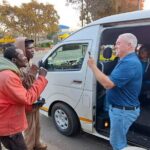
You’ll spend a good chunk of the day moving by van, then walking in short guided bursts. Bring comfy shoes, a layer for air-conditioned museums, and an open mind—this isn’t a “quick facts” tour. Lunch is on you, and tips are recommended at the end, so budget a bit more than the headline price.
In This Review
- Key Things You’ll Notice on This Tour
- Price and Value: What You Get for About $92
- Pickup, Timing, and How the Day Flows by Van
- Hillbrow and Braamfontein: Seeing Johannesburg’s Density Up Close
- Newtown and Central Johannesburg: City Life With a Cultural Thread
- Munro Drive Viewpoint: Your Quick Orientation Stop
- The Muti Shop and African Tradition Medicine Stop
- Diepkloof in Soweto: Housing Contrasts and the Weight of Resistance
- Vilakazi Street in Orlando West: Mandela House and Hector Pietersen Memorial
- Apartheid Museum: How to Make the 2 Hours Count
- Johannesburg and Soweto Together: Why This Combo Works
- What I’d Pack and Do Differently Next Time
- Should You Book This Tour?
- FAQ
- What does the tour price include?
- How long is the Soweto & Johannesburg and Apartheid Museum tour?
- What are the main stops during the day?
- Where can you be picked up and dropped off?
- What languages are offered for the guide?
- Is the tour wheelchair accessible, and is it suitable for infants?
Key Things You’ll Notice on This Tour
- Munro Drive Viewpoint gives you a fast sense of where things sit in the Johannesburg-Soweto area.
- Hillbrow shows Johannesburg’s density up close, with a guided explanation of what that means in real life.
- Braamfontein and Newtown add contrast with cultural and city-center energy.
- African tradition medicine stop (muti shop) adds texture to how people connect with tradition and everyday health beliefs.
- Vilakazi Street in Orlando West ties together Mandela House and local memorials into one focused walk.
- Apartheid Museum turns a difficult subject into something you can understand step by step, with guided attention.
Price and Value: What You Get for About $92
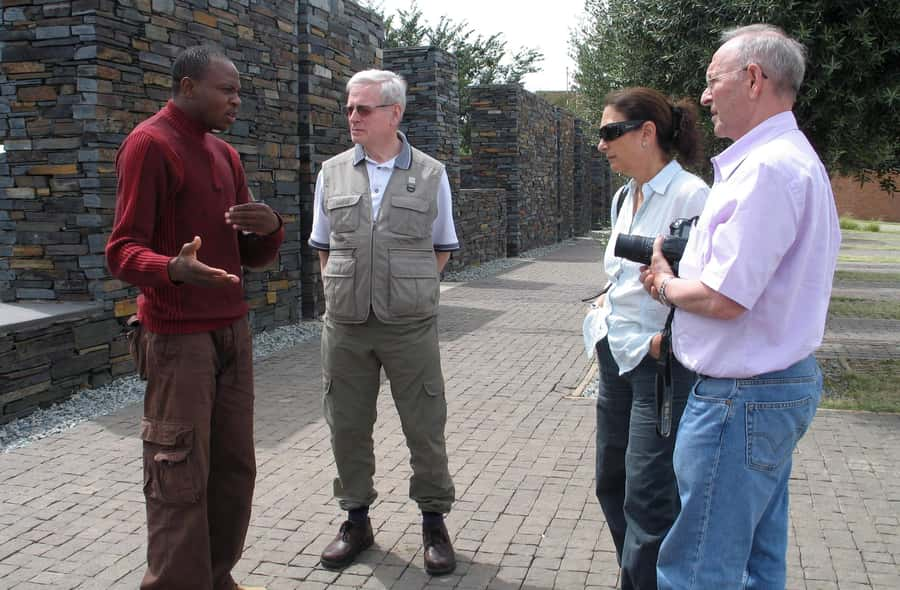
This tour is priced around $92 per person for a full-day loop that includes hotel pickup and drop-off, a live guide, and entrance fees for the major museums. The value isn’t just that you’re paying to get in—it’s that you’re paying to understand what you’re looking at, while you move between places that otherwise don’t feel connected.
There are two costs to remember. Lunch is on your own account, and gratuities are not included (the recommended range is 5%–10% at the end of the tour). If you’re trying to keep spending predictable, I suggest deciding your lunch plan before the day starts so you don’t burn time or money on the fly.
Also, this operator advertises reserve now and pay later, plus free cancellation up to 24 hours in advance. That flexibility matters in Johannesburg, where the day can feel intense and you might want an easy out if plans shift.
You can also read our reviews of more museum experiences in Johannesburg


Pickup, Timing, and How the Day Flows by Van
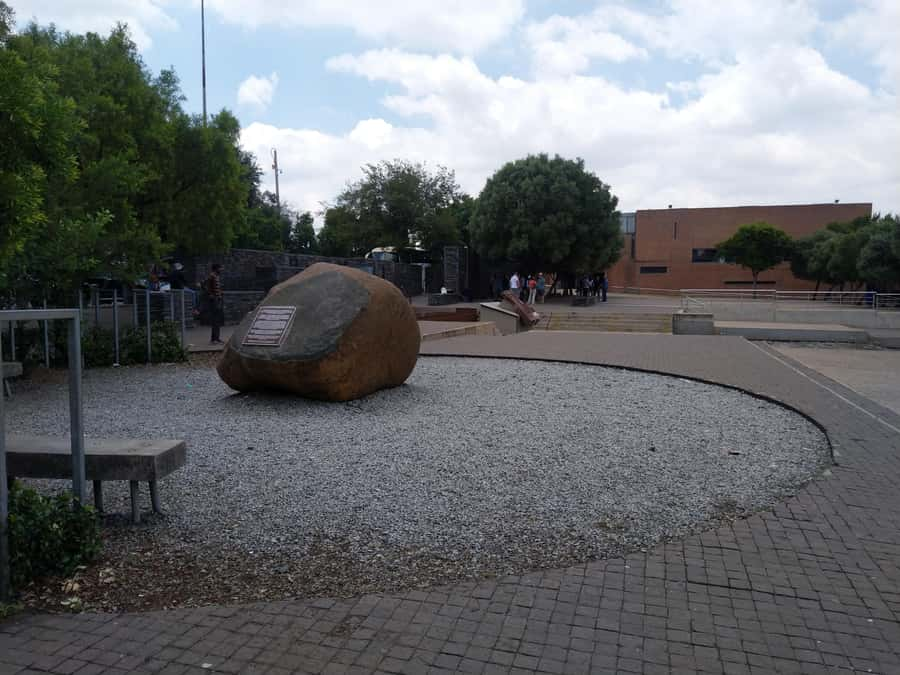
You’ll get picked up from a wide set of locations around Johannesburg and Pretoria, including O.R. Tambo International Airport, Sandton City, Sandton Sun, Rosebank Mall, Randburg, Randburg-area hotels, and Johannesburg CBD options. That’s a real benefit if you’re arriving from the airport or want to skip the hassle of organizing transport.
The day is structured as a long guided loop. There’s a van ride early (listed around 20 minutes), then a sequence of city stops with guided time blocks. The biggest time chunks are Diepkloof in Soweto (about 1 hour), Vilakazi Street (about 1 hour), and the Apartheid Museum (about 2 hours).
What you should keep in your head is pacing. You’ll likely see both quiet memorial spaces and more active street settings in the same day. If you’re easily overwhelmed by emotional content, plan to take a few slow minutes between stops and keep water handy.
Hillbrow and Braamfontein: Seeing Johannesburg’s Density Up Close
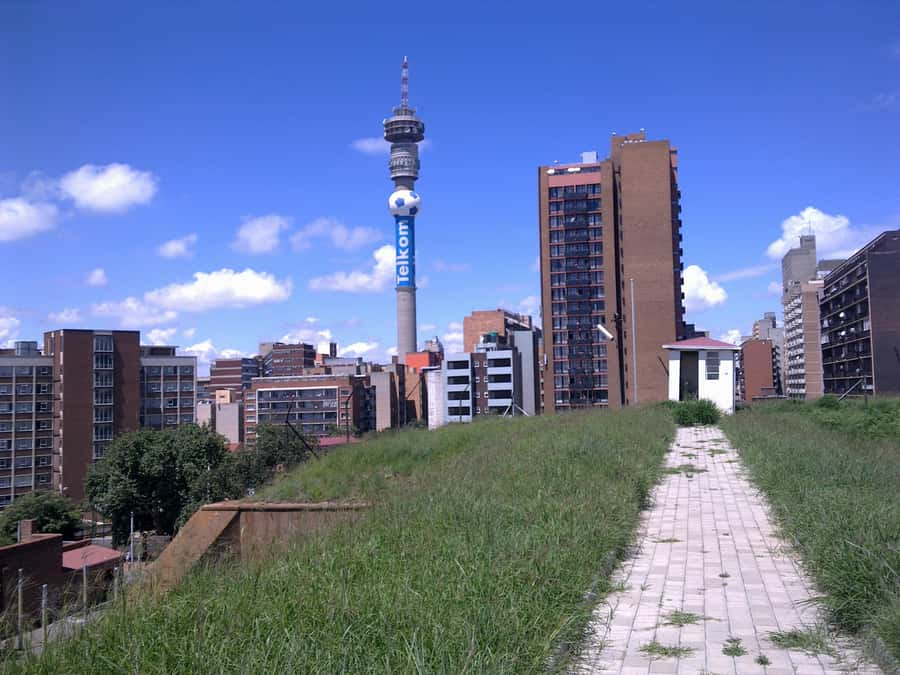
Hillbrow is one of the places you learn from fast. The tour’s guided stop here is designed to show you Johannesburg’s scale and density—so dense that it’s described as the most populated area by square meter. In practical terms, that means you’re not just looking at buildings. You’re looking at how people live, work, and navigate crowded streets.
The guide’s job is to turn “dense city” into something you can interpret. Expect an explanation of how location, housing, and city dynamics can change daily life. If you’ve only seen Johannesburg from highways or shopping districts, Hillbrow gives you the other half of the picture.
Right after that comes Braamfontein, with a shorter guided block. This is where you get some breathing space and a different feel—still urban, but less focused on pure density. Braamfontein helps you understand that Johannesburg isn’t one uniform story. It’s a patchwork of neighborhoods, each with its own pressures and routines.
Newtown and Central Johannesburg: City Life With a Cultural Thread
You’ll also spend guided time in Newtown. This stop tends to work well for first-time visitors because it’s recognizable as part of a bigger city identity, not just a passing photo stop. The guided time is short (about 20 minutes), so you’ll want to pay attention to what the guide points out rather than trying to “scan everything” with your camera.
The day also includes a guided Johannesburg downtown-type segment (listed as “Johannesburg” with about 20 minutes). Think of this portion as the connecting tissue: the tour ties together how the city functions now with how the apartheid era shaped movement, housing, and access.
One practical tip: in central areas like this, you’ll do better if you walk slowly and let the guide set the story. When you understand why the route goes where it goes, the day stops feeling like a checklist.
Munro Drive Viewpoint: Your Quick Orientation Stop
The Munro Drive Viewpoint is one of the highlights because it gives you scale. It’s not a long stop, but it can change how you interpret the rest of the day. From an elevated point, you can start to see how neighborhoods connect, where major areas sit, and how distance isn’t always obvious from street level.
This is especially helpful for Soweto day travel. Even if you don’t memorize every route turn, you’ll have a mental map that makes the later contrasts easier to process.

The Muti Shop and African Tradition Medicine Stop
One of the unique stops on this tour is the African tradition medicine visit, commonly referred to as a muti shop. The point isn’t for you to turn it into a medical lesson. It’s to see how tradition and everyday beliefs are part of how some people make sense of health, protection, and wellbeing.
Because this is a sensitive cultural topic, how you behave matters. I’d keep questions respectful and avoid pushing for explanations you don’t understand. If you want photos, ask first and don’t assume.
This stop works best when you treat it as cultural context. It helps explain why apartheid wasn’t only about laws and borders—it also tried to control culture, identity, and who gets to define truth.
Diepkloof in Soweto: Housing Contrasts and the Weight of Resistance
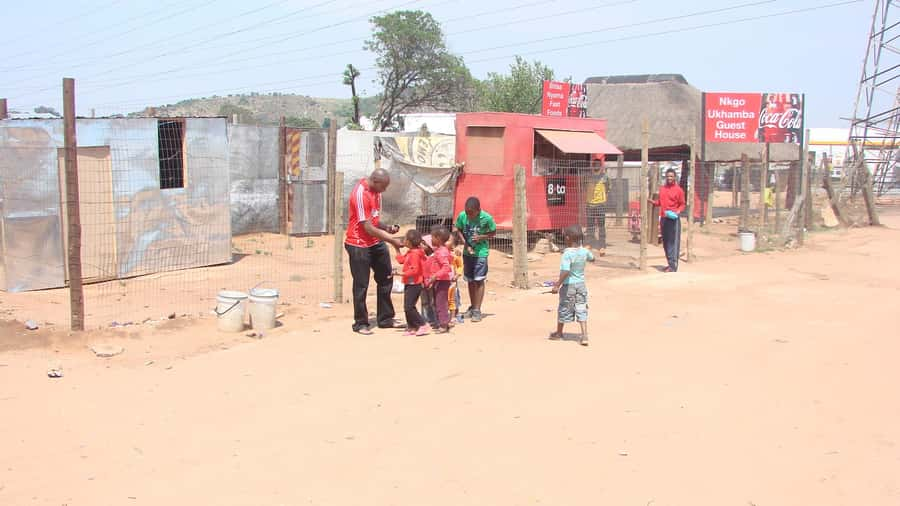
Now you hit the heart of the day. The tour’s Soweto portion focuses on Diepkloof, with about 1 hour of guided time. This is where you see the contrast between different types of housing: informal settlement shacks and hostels on one side, and a more upper-class suburb setting described as Diepkloof on the other.
This contrast is not for shock value. It’s for understanding outcomes. If apartheid reshaped where people could live, then housing becomes a visible record of power—who had choices, who was restricted, and who had to fight for something basic: safety, dignity, and the right to exist without fear.
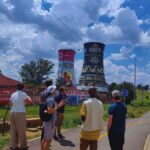
You may also pass through or stop near key Soweto-area points such as Baragwanath Hospital, Orlando Towers, and areas tied to local life like Orlando West. The tour also includes the idea of passing Bishop Tutu’s house, which helps remind you this isn’t only history in a museum. It’s a living part of the city’s moral landscape.
Expect the guide to connect the hard facts with everyday consequences. The day doesn’t just say apartheid happened. It shows what it did to homes, neighborhoods, and the feeling of “what tomorrow can look like.”
Vilakazi Street in Orlando West: Mandela House and Hector Pietersen Memorial
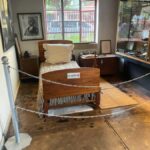
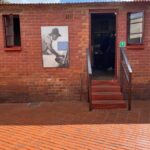
After Diepkloof, the route shifts to Vilakazi Street in Orlando West for about 1 hour of guided time. This area is famous because it brings major names together in one walkable stretch—especially Nelson Mandela House Museum.
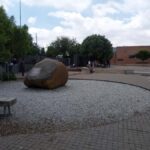
You also get the Hector Pietersen memorial visit. That memorial adds a specific human anchor to the broader story of resistance, making the political history feel personal instead of abstract. If you only remember one thing from this part of the day, it should be this: the struggle wasn’t only leaders and speeches. It was lived by ordinary people under brutal pressure.
Vilakazi Street has a different pace than Johannesburg CBD stops. In practice, this is where you can ask your guide your most important questions, because the walking time gives you a bit more room to pause and think. If you’re traveling solo, this is also often the easiest part of the day to connect with your guide and get clarification on what you’re seeing.
Apartheid Museum: How to Make the 2 Hours Count
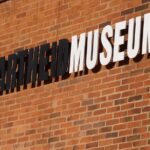
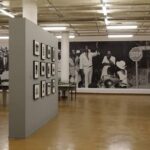
The Apartheid Museum is a serious stop, and the tour gives you about 2 hours guided time. This is where the day turns from neighborhood contrasts into a structured explanation of how apartheid worked, how resistance grew, and what the legacy means.
I like that this museum visit is handled with guidance rather than leaving you alone with panels. The guide can point out how exhibits connect and how themes repeat—so you don’t leave with only scattered facts.
One note to plan for: there’s a reported issue that the museum can be closed on Mondays. If your schedule puts you on a Monday, treat the museum like you’re managing an appointment. Double-check opening hours before you rely on that day.
Johannesburg and Soweto Together: Why This Combo Works
This tour works because it refuses to separate “history” from “city life.” You’re not only seeing memorials and museums. You’re also seeing density in Hillbrow, cultural city-center energy in places like Newtown, and the lived housing contrasts in Soweto.
The result is that apartheid stops being a distant topic. It becomes a lens through which you can read the city. Johannesburg is still Johannesburg—people go to work, shops open, hospitals function, and neighborhoods evolve. This tour doesn’t erase that. It gives you context for why the city looks the way it does.
I also appreciate the emotional balance. You’ll still feel the weight of the subject matter, but the guide keeps steering you toward understanding rather than only outrage.
What I’d Pack and Do Differently Next Time
This is a long day with mixed surfaces and emotionally intense stops. I’d prioritize comfort and control.
- Wear walking shoes you can trust for museum floors and neighborhood paths.
- Carry water. You’ll likely want it between city segments.
- Bring a light layer for museums and air-conditioned indoor spaces.
- Have your questions ready for your guide, especially during the Soweto and museum parts.
If you’re the type who likes photos, remember that some stops are memorials or cultural locations where respectful behavior matters more than getting the perfect shot. Ask when in doubt.
Should You Book This Tour?
If you want a first-time-friendly day that connects Johannesburg’s major areas with Soweto’s anti-apartheid story, I think this is a solid choice. The mix of Hillbrow, Vilakazi Street, and the Apartheid Museum helps you build a mental map of how the past shaped daily life.
I’d especially recommend it if you’re short on time and you want expert guidance rather than stitching together taxis and museum visits on your own. If you’re sensitive to difficult content, you’ll still be in the right place, just go in with the mindset that this day is meant to educate you—not to keep things light.
Skip or rethink it only if your travel dates line up with a possible closure day for the museum and you can’t adjust. Otherwise, this tour’s strengths—guidance from sites like Mandela House and the structured museum visit—make it good value for your day in Gauteng.
FAQ
What does the tour price include?
The price includes hotel pickup and drop-off, a live English or French-speaking guide, entrance fees to the Apartheid Museum and Nelson Mandela House Museum, and lunch is listed as on the guest account. Gratuities are not included, and tipping is recommended (about 5%–10% at the end).
How long is the Soweto & Johannesburg and Apartheid Museum tour?
It runs for about 8 hours. Exact starting times depend on availability for your date.
What are the main stops during the day?
You’ll visit areas and stops such as Hillbrow, Braamfontein, Newtown, Johannesburg downtown areas, Soweto (including Diepkloof and hostel areas), Vilakazi Street in Orlando West (Nelson Mandela House Museum and the Hector Pietersen memorial), and the Apartheid Museum. The route also includes stops/passes like an African tradition medicine (muti) shop, Munro Drive Viewpoint, Baragwanath Hospital, Orlando Towers, Soccer City, and a drive past Bishop Tutu’s house.
Where can you be picked up and dropped off?
Pickup and drop-off options include O.R. Tambo International Airport, Fourways, Kempton Park, Rosebank Mall, Johannesburg CBD, Randburg, Pretoria, Sandton Sun, and Sandton City. (Exact points depend on your selection.)
What languages are offered for the guide?
The tour guide is available in English and French.
Is the tour wheelchair accessible, and is it suitable for infants?
The tour is listed as wheelchair accessible. It is not suitable for babies under 1 year old.