REVIEW · JOHANNESBURG
Soweto and Johannesburg & Apartheid Museum
Book on Viator →Operated by Jeff Tours and Transfers - Day Tours · Bookable on Viator
Joburg and Soweto can feel overwhelming fast, but this tour gives you a clear path through the key places. You get a guided route built around the Apartheid Museum and major Soweto sites, so you’re not stuck piecing it together from scraps of info.
I also like the practical setup: pickup and included transport means you can focus on the story instead of taxi math. One thing to keep in mind is that lunch isn’t included, and a couple of stops have extra admission costs (like Mandela House).
In This Review
- Key things you’ll like about this Soweto and Joburg day
- Johannesburg-to-Soweto: why this route works better than point-and-shoot sightseeing
- The Apartheid Museum: your must-hit anchor stop (and why 2 hours is the sweet spot)
- Constitution Hill and the 1976 uprising road stops: seeing history where it happened
- Mandela House on Vilakazi Street: a short stop with big emotional weight
- Hector Pieterson Museum and Memorial: why students take center stage
- KwaZulu Muti and the taxi-and-market texture of Soweto
- Time, logistics, and what this $73.62 buys you in the real world
- Who should book this Soweto and Joburg day tour
- Should you book it? My recommendation
- FAQ
- FAQ
- How long is the Soweto and Johannesburg tour?
- Is pickup included?
- What parts include admission tickets?
- Is lunch included?
- How many people are in the group?
- Are there water and parking included?
- What are the operating hours?
- What is the cancellation policy?
Key things you’ll like about this Soweto and Joburg day

- Transport included: no need to line up taxis between neighborhoods
- The Apartheid Museum gets time: a full 2 hours with admission included
- Real Johannesburg contrast: you pass areas like Hillbrow and the inner-city core while learning what changed
- Soweto’s main memorials: Hector Pieterson Museum and the 1976 uprising sites are built into the route
- Short, focused stops: Mandela House and Vilakazi Street are quick hits, not long detours
- Small group size: up to 15 people, which helps keep the day workable
Johannesburg-to-Soweto: why this route works better than point-and-shoot sightseeing
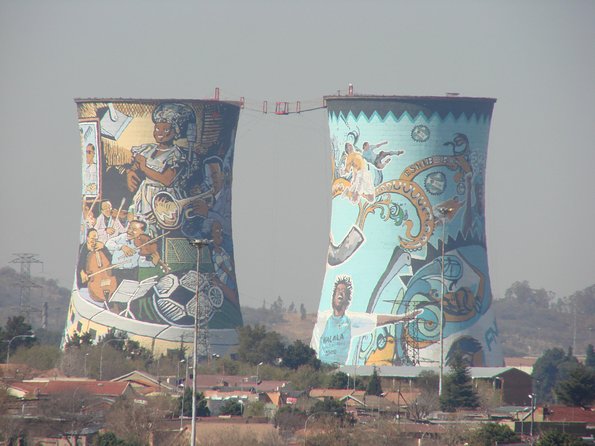
Johannesburg isn’t one neighborhood. It’s many layers stacked on top of each other, and apartheid shaped that map in ways you can still feel today. What I like about this tour is that it doesn’t treat Soweto as a separate planet. You start with Johannesburg’s streets and districts, then gradually shift toward Soweto’s history and everyday life.
The day runs about 6 to 8 hours, and the vehicle makes the big difference. You’re not waiting around. You’re also not trying to navigate the “right turn, right street, right timing” game on a tight schedule. That’s a big deal in Joburg, where traffic and distance can steal time from museums.
Along the route, you get exposure to several parts of the city, including Hillbrow and downtown areas, plus drives past major historic points. Even when you’re not stopping, the guide helps you connect what you’re seeing to what the city went through: segregation laws, forced movement, resistance, and the ongoing effects in housing, work, and inequality.
This kind of tour is also a smart way to get your bearings fast. If you’re only here a short time, you can still walk out with a stronger sense of how Johannesburg and Soweto connect. And if you’re the kind of traveler who likes questions (not just photos), the small group format makes it easier to ask and keep going.
You can also read our reviews of more museum experiences in Johannesburg


The Apartheid Museum: your must-hit anchor stop (and why 2 hours is the sweet spot)
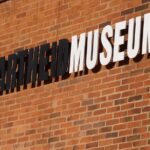
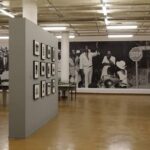
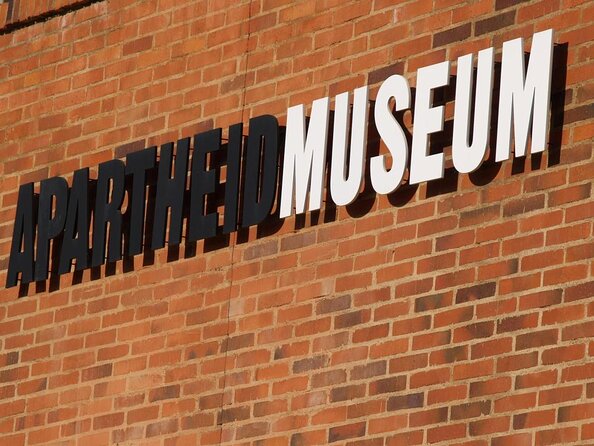
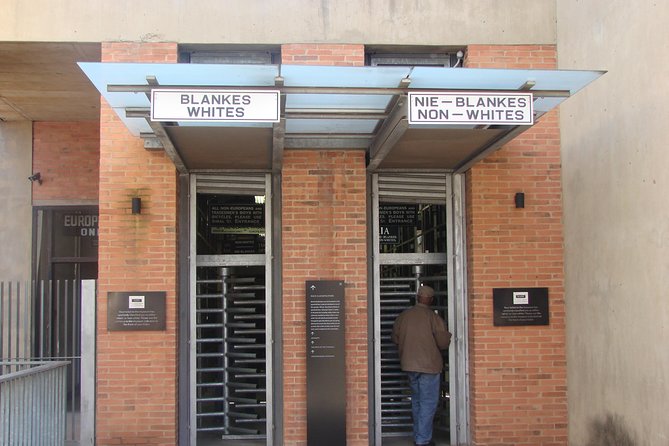
The day centers on the Apartheid Museum, where you get about 2 hours and admission is included. This is the stop that does the heavy lifting. When you visit first-hand, you get a framework that makes the later memorial sites make more sense.
I like that this tour doesn’t treat the museum as a quick “look and leave” job. Two hours is long enough to take in exhibits at a steady pace and to ask follow-up questions, especially if your guide is explaining timelines and why certain events mattered. It’s also long enough to avoid museum fatigue, which can happen if you cram too many sites into one day.
A practical tip: if you tend to read every sign, you’ll still want to pace yourself. Prioritize the big themes first, then circle back to details if time allows. If you don’t, the museum can start feeling like information overload. The guide’s job here is to keep the story moving, not just facts dumped in your lap.
Also, you’ll see the museum paired with Soweto’s uprising memorials and Mandela-related sites. That pairing matters. With the museum as your backbone, the rest of the day becomes less random and more like a guided argument: this is what happened, this is what it meant, and this is why it still echoes.
Constitution Hill and the 1976 uprising road stops: seeing history where it happened
Between districts, you’ll be in the car for a reason. Part of the value here is the route itself. You’ll pass by Constitution Hill and also drive through or near areas tied to the 1976 uprisings. You get the sense of geography, not just names.
Constitution Hill is a former prison complex and today it’s home to the Constitution Court. Even a pass-by can help you understand the shift from confinement to legal transformation. It’s also a reminder that South Africa’s political story isn’t only about protests and trials; it’s about institutions changing shape after those events.
The 1976 uprisings are a key thread for this whole day because they connect protest, students, and the global conversation about apartheid. When you’re on the road near sites associated with that period, the day stops feeling like a timeline you saw once on a webpage. It feels like a city you’re traveling through with memory attached to it.
One consideration: because these are mainly road-viewing moments, you won’t get the same level of slow looking as at the museum stops. If you want to spend lots of time on every single street-level detail, you may still crave more standalone time in Joburg. But for many people, this tradeoff is exactly what makes the day manageable.
Mandela House on Vilakazi Street: a short stop with big emotional weight
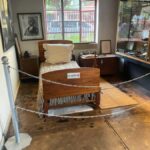
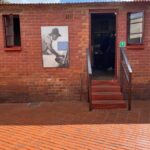
On Vilakazi Street in Soweto, you’ll visit Mandela House, often called Mandela House. It’s described as the home where Nelson Mandela lived from 1946 to 1962. Your time here is about 30 minutes.
Here’s the practical catch: admission isn’t included for Mandela House. So you’ll want to budget a bit extra if you’re planning to go inside. Even if you don’t, the context matters because Mandela House sits inside the same cultural-historical pocket as several other major points on your route.
This stop tends to work best as a “meaning-making” moment. The museum gave you the framework; now you’re placing that framework next to a specific family home and time period. That helps the history feel human, not just political.
If you’re a fan of slower, deeper visits, 30 minutes might feel short. But in a full-day itinerary, short and focused can be a win. You don’t lose the entire morning to one site, and you still hit Hector Pieterson and the broader memory stops.
Hector Pieterson Museum and Memorial: why students take center stage
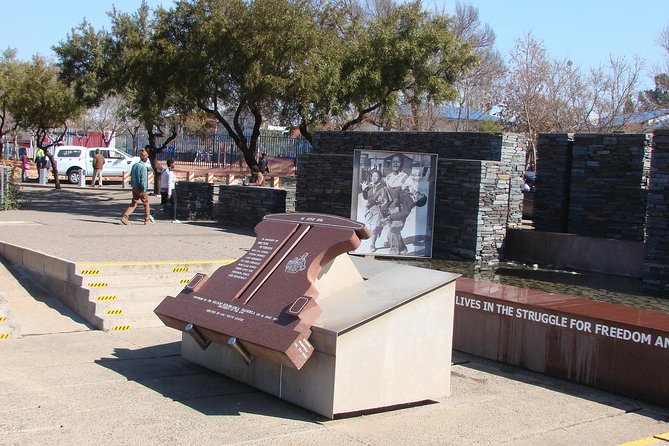
Next up is the Hector Pieterson Museum and Memorial, also on Vilakazi Street. You’ll spend about 30 minutes, and admission is included.
This is one of the stops I’d protect on your schedule. The museum is specifically dedicated to preserving the memory of the 1976 Soweto uprisings and the role of students in the fight against apartheid. That student focus is important because it shifts the story away from abstract politics and into people in motion—young people taking risks when the system left them no safe options.
You’ll get a strong dose of context here right before or around Mandela House time, which is a smart sequence. Mandela House connects you to one leadership story. Hector Pieterson brings you back to the uprising moment and the people who drove it.
A note for your expectations: because the stop is short, you don’t want to treat it like a full museum day. Go with a clear goal: understand what happened in 1976, why it mattered, and why it’s remembered.


KwaZulu Muti and the taxi-and-market texture of Soweto
Not every stop here is a museum. You’ll also visit KwaZulu Muti, described as an African tradition medicine shop. It’s a short 15-minute stop and the admission is free.
This is one of those “small time, big perspective” moments. It gives you a glimpse of everyday traditions and how South Africans talk about healing, herbs, and remedies. It also helps balance the day so it’s not only memorial sites and heavy institutions. A short break in the schedule can make the rest of the history hit harder, not just weigh you down.
Along the drive you’ll also see elements tied to local life and movement, including taxi culture, a taxi rank, and you’ll pass by places like Baragwanath hospital and taxi rank. You’ll also pass by matchbox houses and areas described as upmarket suburbs in Soweto. That contrast can be tough to witness. It also helps you understand that the legacy of apartheid isn’t stuck in textbooks—it’s visible in housing patterns and city design.
If you’re the kind of traveler who likes to ask practical questions—how neighborhoods work, what daily life looks like, how people get around—this part of the day can be the most grounding.
Time, logistics, and what this $73.62 buys you in the real world
The price is listed at $73.62 per person, and the day runs 6 to 8 hours. That’s not a budget bargain, but it can be excellent value once you count what’s included.
Here’s what you’re getting that’s hard to replicate cheaply on your own:
- Transport is included, so you’re not paying for multiple taxi rides or wasting time negotiating routes.
- Parking fees and water are included, which keeps the day smoother.
- Two paid entry points are included: the Apartheid Museum (2 hours) and the Hector Pieterson Museum and Memorial (30 minutes).
- The group is capped at 15 travelers, which usually helps with pacing.
What you should plan for:
- Lunch isn’t included, so you’ll want to grab a meal either before or after the tour, or bring a snack buffer.
- Mandela House admission isn’t included, so you may pay extra if you want to enter.
The best value in this setup is the time saved. When you’re only in Johannesburg briefly, trying to self-arrange a Soweto + museum day can quickly turn into a late arrival, a missed slot, or more fatigue than learning. This tour is built to move you efficiently while still spending real time at the hardest-hitting stops.
Also, check your start time needs. Opening hours are listed as 9:00 AM to 5:00 PM, Monday through Sunday. If your schedule is tight (say, you’ve got a flight the next day), you’ll want to choose a start that gives you cushion for museums and road time.
Who should book this Soweto and Joburg day tour
This is a strong fit if:
- You’re visiting Johannesburg and Soweto for the first time and want a structured path.
- You want to understand apartheid history through major memorial sites, not just a few quick landmarks.
- You’d rather sit in a comfortable car and listen while a guide connects the dots across districts.
- You care about the “then and now” link, because you’ll see housing and city life context around the historic sites.
It may be less ideal if:
- You want long, slow museum time at multiple sites. This is a packed day with short visits at Mandela House and Hector Pieterson.
- You’re only in town for a very short window and want total flexibility to linger. The itinerary is structured, so you’ll still need to follow the flow.
One more practical note: guides can make or break this kind of day. On this route, Joseph and Simba show up repeatedly in the guide stories people share, with a focus on clear explanations and patient pacing. If your priority is understanding, this is the kind of tour where that matters.
Should you book it? My recommendation
If you want a single day that gives you both the big-ticket memory stop (Apartheid Museum) and the key Soweto sites tied to the 1976 uprising, this is an easy yes. The transport-included setup removes a lot of friction, and the included admissions cover the places you’d otherwise spend time lining up.
Book it if you can spare a half day for history that hits hard, plus you don’t mind that some stops are brief. Skip or reconsider if you’re traveling with the expectation that you’ll read everything slowly at every museum, or if you hate the idea of paying extra for Mandela House admission.
For most first-time Johannesburg visitors, this is one of the smartest ways to turn limited time into real understanding—without turning your day into a self-made logistics puzzle.
FAQ
FAQ
How long is the Soweto and Johannesburg tour?
It runs about 6 to 8 hours.
Is pickup included?
Pickup is offered, and the tour includes transportation so you don’t need to arrange taxis.
What parts include admission tickets?
Admission is included for the Apartheid Museum and for the Hector Pieterson Museum and Memorial. Mandela House has admission not included.
Is lunch included?
No. Lunch is not included.
How many people are in the group?
The tour has a maximum of 15 travelers.
Are there water and parking included?
Yes. Parking fees are included, and water is included.
What are the operating hours?
Hours are listed as 9:00 AM to 5:00 PM, Monday through Sunday.
What is the cancellation policy?
Free cancellation is available up to 24 hours in advance for a full refund. If you cancel less than 24 hours before the start time, there is no refund.