REVIEW · JOHANNESBURG
Ultimate Johannesburg Soweto Experience with Apartheid Museum
Book on Viator →Operated by MoAfrika Tours · Bookable on Viator
History hits hard in Soweto. This full-day tour connects Constitution Hill and the Apartheid Museum to real-world township stops, with guidance from local voices you might find in guides like Tapelo or Bobo.
I love how Vilakazi Street is explained not as a postcard, but as a place people live through every day.
My other favorite part is the practical setup: most major museum time and admissions are handled, and you get uncapped onboard WiFi plus hotel pickup by air-conditioned minivan. It’s a lot of ground covered without feeling totally chaotic.
One possible drawback: the day packs in a lot, and the timing can feel tight, especially around museum tours and closing hours at smaller sites. Also, if Carlton Centre access is affected, that last viewpoint can change.
In This Review
- Key takeaways before you go
- A local-led day from Constitution Hill to Soweto
- Constitution Hill Human Rights Precinct: where the day starts with weight
- Newtown and Mary Fitzgerald Square: the short stop that adds texture
- Apartheid Museum: included admission, and a lot to process
- Driving through the landmarks: World Cup stadiums and hospital scale
- Motsoaledi informal settlement walk: meet people, not just places
- Hector Pieterson Museum and Memorial: personal story, short time
- Vilakazi Street and the Mandela family connections
- Mandela House option: a choice, with admission not included
- Telkom Tower and the Carlton Centre: the skyline payoff (with a catch)
- Price and what you’re really paying for
- Reviews in plain terms: the good, the bad, and the emotional truth
- Should you book this Ultimate Johannesburg Soweto Experience?
- FAQ
- What’s the duration of the tour?
- Is hotel pickup and drop-off included?
- Are the main museum admissions included?
- Is food included during the tour?
- Is there WiFi on the vehicle?
- Who runs the tour?
Key takeaways before you go
- Constitution Hill, a living rights site: a guided tour inside former prison and fort buildings with the Constitutional Court in play.
- Apartheid Museum with included admission: 22 exhibitions that move from apartheid’s machinery to the Mandela-era climax.
- Orlando West + Soweto on foot and by road: street-level stops including Motsoaledi informal settlement and the Hector Pieterson Memorial.
- Vilakazi Street time: a focused walk/pause along the street linked to Nobel Peace Prize leaders.
- Mandela House is optional: you can choose it, and its admission is not included.
- City skyline finish is a big sell: Telkom Tower and the Carlton Centre are part of the plan, but double-check last-mile status.
A local-led day from Constitution Hill to Soweto
Johannesburg can feel like two cities at once: gleaming CBD landmarks on one side, and the lived reality of Soweto on the other. This tour is built to connect those worlds in one long day, starting with the democracy story at Constitution Hill and then shifting to township life and memory across Soweto.
What makes it work is the guide angle. You’re not just looking at sights—you’re hearing how the places fit together, including how the 1976 Soweto Uprising is taught through the names and locations still marked in the landscape. And because the experience runs with a driver/guide team plus local handoffs, you get a smoother sense of place instead of bouncing around with zero context.
The pace is intense by design. This is best if you like structured days and want a strong overview. If you’re the type who reads every label slowly, you may feel rushed at a couple museums. I’d still do it, but I’d go in knowing you won’t leave with every detail mastered. You’ll leave with the map of the story.
You can also read our reviews of more museum experiences in Johannesburg


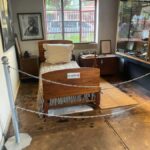
Constitution Hill Human Rights Precinct: where the day starts with weight
You begin around Constitution Hill in Braamfontein after pickup. The tour here is a guided walk through an institution that used to be a prison and military fort, now functioning as a “living museum” tied to South Africa’s democratic transition.
Two things I like about this opening:
- You’re not thrown into Soweto first. You get the legal and human-rights framework early, so later scenes in Soweto land with more meaning.
- The site is also active: the Constitutional Court is there, and you may see the court area when it’s not in session.
Timing matters here. The stop is listed as about 2 hours with an admission ticket included, which usually means you get a real guided experience—not just a quick peek from the gate. It’s also one of those places where your brain starts to do the hard math: who was detained, why systems were built, and how the country changed.
Then you head onward, crossing the Mandela Bridge toward Johannesburg’s CBD. The bridge itself is visually striking (and long)—but the real value is the emotional switch from “history told in rooms” to “history moving through the city.”
Newtown and Mary Fitzgerald Square: the short stop that adds texture
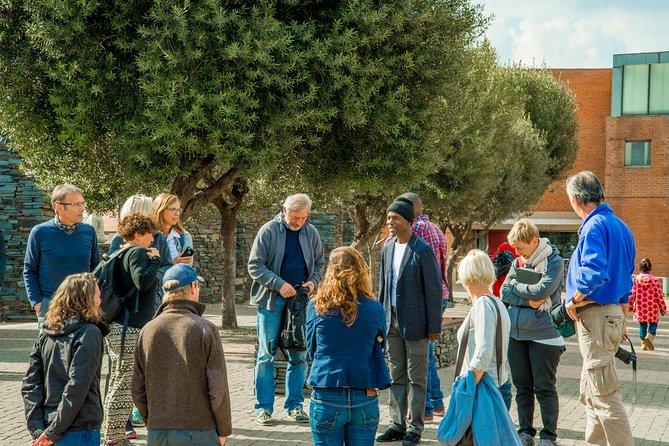
Between Constitution Hill and the museum block, you also pass through Newtown, including a brief stop at Mary Fitzgerald Square. This is only about 15 minutes and has free admission.
That short window is not about monuments you’ll remember forever. It’s more like a reset. It gives you a place where the city feels less corporate than the office towers, and where the guide can connect labor history and community themes to what you’re about to see in the museum.
If you’re tight on time, this kind of filler stop can feel unnecessary. In this case, it helps the day breathe for a moment before the emotional intensity of the Apartheid Museum.
Apartheid Museum: included admission, and a lot to process
Next comes the big one: the Apartheid Museum, and it’s one of the stops where the included ticket is a genuine value. Admission is included, and the visit is about 2 hours.
The museum is arranged through 22 exhibitions. The message moves across the rise and fall of apartheid, ending with the elections of Nelson Mandela. Expect an emotional journey more than a quick “facts and photos” stop. This is not light sightseeing.
You’ll likely be there around midday. That matters because the museum includes a place to eat and drink (the Truth Café), but food is own cost. This is where I recommend you plan for the reality of the day:
- If you snack well before you enter, you’ll handle the emotional sections better.
- If you rely on restaurant menus inside the museum, it’s fine, but don’t assume you’ll have endless time for a slow sit-down meal.
Some people love the museum because it’s structured. Others find it heavy. If you’re the type who gets overwhelmed by prisons and memorials, go in with a little strategy: give yourself permission to take short breaks and step outside if you need air.
This is also why the guide matters. A good guide helps you connect what you’re seeing to the larger story, without turning it into a lecture that makes you tired.
Driving through the landmarks: World Cup stadiums and hospital scale
As you travel from Johannesburg toward Soweto, you’ll pass major landmarks connected to both modern South Africa and its scale.
You’ll go by the FNB Soccer Stadium (the World Cup 2010 venue) and later the Chris Hani Baragwanath Hospital, often called the world’s largest hospital. The stop there is brief—about 15 minutes—and admission is listed as free.
This part of the day is less about museums, more about context:
- The World Cup stadium gives you a quick look at the country’s global-facing modern era.
- The hospital shows you something unglamorous but important: public health infrastructure and the sheer scale of care happening in Soweto.
If you’re hoping for a long on-foot look at the hospital, temper expectations. This is mostly a passing stop and a chance to frame what comes next.
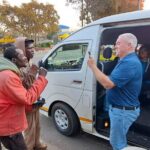
Motsoaledi informal settlement walk: meet people, not just places

Once you reach Soweto, you’ll head to Motsoaledi informal settlement, walk through the streets, and stop near a community center MoAfrika sponsors. This portion is about 20 minutes, with free admission.
This is one of the most human-feeling parts of the itinerary because it’s about street life: street cafés, craft markets, and a chance to greet locals and learn about daily living.
A few practical notes for you:
- Bring a respectful attitude. This is someone’s neighborhood, not a museum set.
- Take your photos only when it feels appropriate and don’t block footpaths.
- If you’re traveling with kids, small gestures help. One useful hint from the experience data: bring a few sweets to share. It’s a small kindness, not a transaction.
This stop can also set the tone for the rest of Soweto. After Motsoaledi, the name-based memorials and the political story feel less abstract. You can see how history and current life sit next to each other.
You may also pause outside Regina Mundi Church and Freedom Square for a quick overview. It’s fast, but those are key points on the Soweto map tied to the 1976 uprising story.
Hector Pieterson Museum and Memorial: personal story, short time
The tour then goes to the Hector Pieterson Museum and Memorial in Orlando West, about 30 minutes with admission included.
This is tied directly to the 1976 uprising: Hector Pieterson was shot and killed on 16 June 1976, and the memorial sits near the area connected to that tragedy.
This is where you need emotional planning. If you want a day that feels like a theme park, this won’t be it. If you want the story to land in your body as well as your brain, it’s powerful.
Because the time is about half an hour, you won’t read every panel. So focus on the names, the dates, and the way the guide frames what you’re looking at. If you want more time, plan a return visit later on your own.
Vilakazi Street and the Mandela family connections
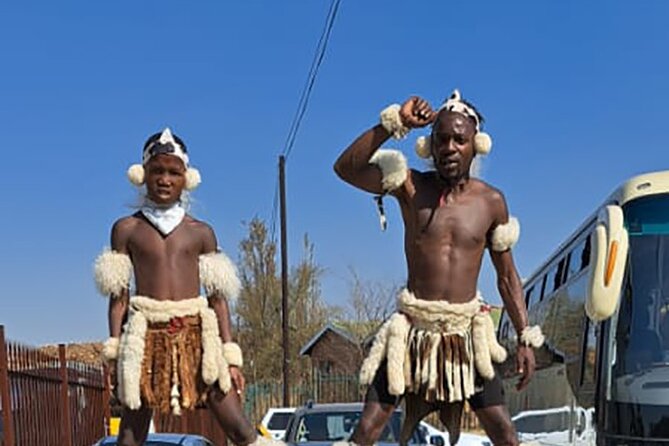
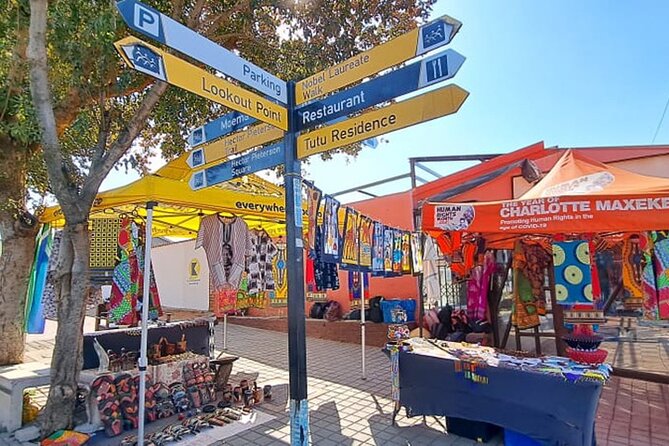
After the memorial, the tour moves along Vilakazi Street, about 1 hour and free to enter. This street is famous because it connects homes of two Nobel Peace Prize winners: Nelson Mandela and Archbishop Desmond Tutu, and it also passes the home of Winnie Mandela.
The key value here is the guided framing. Vilakazi Street can be sold as a “must-see street,” but the better angle is understanding what the street represents: leadership, imprisonment, activism, and community memory living side-by-side.
You’ll also pass by points linked to the Soweto Uprising and the legacy of the 1976 youth protest movement. Expect the guide to connect personal names to real events, rather than treating it as trivia.
This is also a good place to ask questions. A strong guide can explain how apartheid-era decisions shaped these neighborhoods—then explain what life looks like now.
Mandela House option: a choice, with admission not included
Near the end of the Soweto segment, there’s time for the Mandela House visit on Vilakazi Street. It’s about 1 hour, but admission is not included.
This means two things for you:
- If you care most about Mandela’s story through a physical house setting, you’ll want to budget for the ticket cost.
- If you prefer spending time elsewhere (or if the day already feels heavy), you can skip and still get the essential memory-and-context stops.
The tour description also notes reading and learning about the Soweto uprising there. So even if you do it, don’t expect it to replace the memorial museum. Think of it as an extra layer, not the core.
Telkom Tower and the Carlton Centre: the skyline payoff (with a catch)
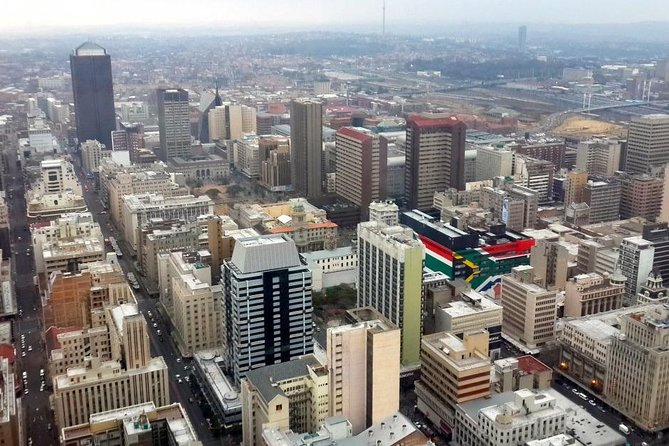
Once you’re back in Johannesburg, you’ll get city sights including the Telkom Tower, listed at 882 feet (269 meters). You’ll also visit the Carlton Centre, described as the tallest building on the continent, finishing with an elevator ride up to the top.
And here’s the important “don’t get burned” reality: the experience data includes a response from the provider acknowledging Carlton Centre closures in the past and saying listings were updated so future guests are informed.
So yes, it’s a great finale in the plan—views from above are a nice counterweight after prison museums and memorials. But do yourself a favor: confirm on the day (or right before travel) whether Carlton Centre access is operating.
If it isn’t, the day can still work. Your big anchors are Constitution Hill, the Apartheid Museum, Hector Pieterson, and Vilakazi Street. Those don’t disappear because a tower is closed.
Price and what you’re really paying for
The tour price is $108.70 per person, and it runs about 9 hours. That sounds pricey until you look at what’s included and what isn’t.
What’s included:
- Hotel pickup and drop-off
- Air-conditioned minivan transport
- Driver/guide
- Free onboard uncapped WiFi
- Admission tickets for Constitution Hill (guided tour), the Apartheid Museum, and the Hector Pieterson Museum and Memorial
- Several stops with free admission, like Mary Fitzgerald Square and the Motsoaledi informal settlement
What’s not included:
- Food and drinks
- Mandela House admission (listed as not included)
That mix is a strong value for a full-day guided route, especially because hotel pickup and admissions save you time and hassle. The “own cost” meal breaks are the one area where costs can creep up. If you keep it simple—buy a sandwich and water, or plan a quick café meal—you’ll stay on budget.
Also note the group size cap is listed as up to 100 travelers. The reviews include some crowding complaints, including a sense of being overpacked and rushed. So if you hate group-energy chaos, aim for early arrival and bring patience for waiting while the group funnels through museums.
Reviews in plain terms: the good, the bad, and the emotional truth
The rating data is very strong—about 4.9 with 98% recommended. The most praised parts are:
- Guides who connect the history to real places and help you understand what you’re seeing.
- The overall “big picture” overview: Johannesburg + Soweto in one day without missing the key memory sites.
- The structure and organization of handoffs between sections of the day.
The cautions from the experience data are also consistent:
- Sometimes the schedule feels rushed.
- Crowding can happen.
- Carlton Centre access has been an issue in the past due to closures.
- The prison and memorial sections are not light. They’re intense and not meant to be funny sightseeing.
So my takeaway for you is simple: book this if you want an overview that actually makes sense. Don’t book it if you want a relaxed, fluffy day with lots of spare time to wander.
Should you book this Ultimate Johannesburg Soweto Experience?
I think it’s a good booking if your priorities are:
- You want Constitution Hill + Apartheid Museum plus the core Soweto memorial stops in one go.
- You like guided context that turns names and dates into meaning.
- You want hotel pickup and included admissions so you don’t spend your day managing tickets.
I’d be cautious if:
- You’re sensitive to heavy content (prisons, apartheid, the Hector Pieterson memorial).
- You need long, slow time inside museums.
- You really care about ending at Carlton Centre specifically, and you might be disappointed if access changes.
If you do book, pack for a long day: comfortable shoes, water, and a little snack plan. And if you’re traveling with kids, that note about bringing sweets can make interactions kinder and easier.
FAQ
What’s the duration of the tour?
It runs about 9 hours, starting at 9:00 am.
Is hotel pickup and drop-off included?
Yes. The tour includes hotel pickup and drop-off in Johannesburg.
Are the main museum admissions included?
Admission tickets are included for Constitution Hill, the Apartheid Museum, and the Hector Pieterson Museum and Memorial. Mandela House admission is not included.
Is food included during the tour?
No. Food and drinks are not included, though there is a place to eat at the Apartheid Museum (Truth Café) during the visit.
Is there WiFi on the vehicle?
Yes. The tour includes free onboard uncapped WiFi.
Who runs the tour?
The experience provider listed is MoAfrika Tours, with a driver/guide included.