REVIEW · ATHENS
Athens: National Archaeological Museum Private Guided Tour
Book on GetYourGuide →Operated by Christos Theodoropoulos · Bookable on GetYourGuide
Two hours can change how you read ancient Greece. A private guided visit to the National Archaeological Museum turns a huge building full of artifacts into a clear story you can actually follow. You get the big moments of Greek civilization in one compact plan, without wandering and guessing.
I love that this is led by a licensed archaeologist guide, Christos Theodoropoulos, and that he tailors the pace to your group. You’ll also get the headline payoff: the Antikythera mechanism, often described as the world’s oldest analogue computer.
One consideration: the museum is enormous, so 2 hours means you’ll see the highlights, not everything. Also, museum entry isn’t included, with a listed 10 € ticket to add on top.
In This Review
- Key Points Before You Go
- Why the National Archaeological Museum Gets Its Own Category
- What the 2-Hour Private Tour Really Means for Your Time
- Meeting Point and First Steps at the Main Entrance
- The Antikythera Mechanism Moment You’ll Remember
- Five Permanent Collections, One Clear Story
- Prehistoric Antiquities: From the Aegean’s Earliest Layers
- Sculptures Collection: Style Changes as Time Passes
- Vases and Minor Objects: Daily Life and Big Meaning Together
- Bronze Collection: Small Figures, Serious Craft
- Egyptian and Near Eastern Antiquities: Greece in a Wider World
- Why a Guide Changes the Museum from Objects to Understanding
- Logistics That Affect Your Experience (Tickets and Time)
- Price and Value: When $400 Per Group Makes Sense
- Best Fit: Who Should Book This Tour
- Should You Book This Private Museum Tour?
- FAQ
- FAQ
- How long is the Athens National Archaeological Museum private guided tour?
- What does the tour cost, and how many people can be in the group?
- Is the museum entry ticket included in the price?
- Where do we meet the guide?
- What languages are available for the live guide?
- Is this activity a private group tour?
- Is there flexibility with booking, like pay later or free cancellation?
Key Points Before You Go
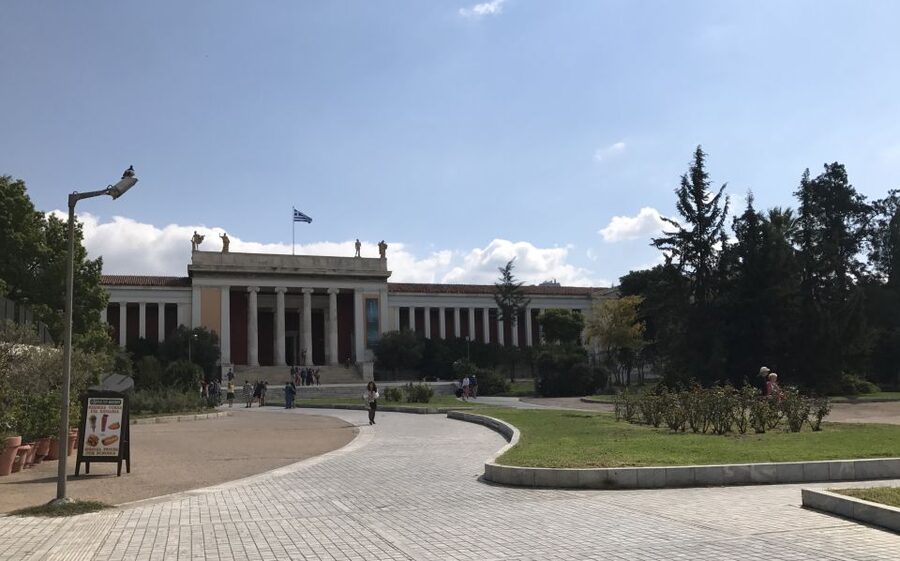
- Meet Christos Theodoropoulos at the main entrance steps on Patission Street for a focused start
- Antikythera mechanism is part of the tour’s core highlights
- Five major collections help you understand Greek art from prehistory through late antiquity
- Private group up to 6 keeps questions easy and the route flexible
- 2 hours is tight, so the guide’s routing matters more than you might think
- English, Greek, German, Turkish are available, so you can match your comfort level
Why the National Archaeological Museum Gets Its Own Category
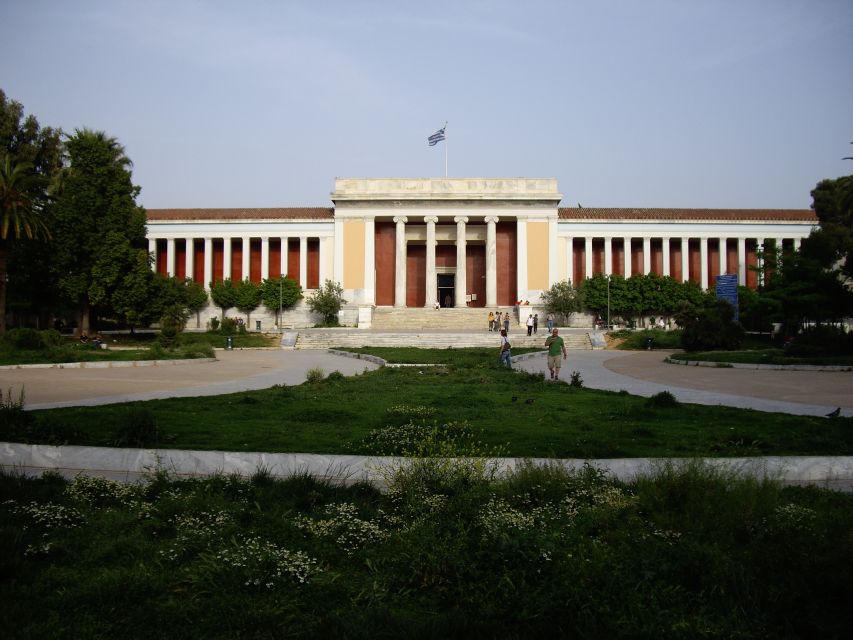
Athens has more than one museum worth your time, but this one earns a top spot for a simple reason: it’s built to hold Greece’s major archaeological finds in one place. The museum grew from a practical mission—storing discoveries from the 19th-century excavations around Athens—then expanded into a national “anchor” for important artifacts from across the country.
If you’re trying to wrap your head around ancient Greek culture, the National Archaeological Museum is the cleanest path. You can move through prehistory, then Cycladic and Mycenaean worlds, then classical Greece, then Roman-era material without losing your bearings. The building itself is another clue that you’re in the right place: a grand neoclassical structure designed by L. Lange and remodeled by Ernst Ziller, with a total display area that adds up to about 8,000 square meters.
The collection size matters, too. You’re looking at 11,000+ exhibits across five large permanent collections. That’s exactly why a guide is such a help. Left alone, you can end up seeing great objects but not connecting the dots between them.
You can also read our reviews of more guided tours in Athens


What the 2-Hour Private Tour Really Means for Your Time
This tour runs 2 hours, and that time limit shapes everything. Your goal isn’t to “finish” the museum. It’s to get the museum into your brain in a way you can build on later—whether that means spending extra time after the tour or revisiting rooms on your own.
For a private group (up to 6 people), the biggest advantage is control. You’re not stuck in a fixed herd-moving schedule. With Christos, the pacing is quick enough to cover the right rooms and slow enough for questions, based on how groups describe his approach. A group of 7 can still move as a unit, including younger museum-goers and teenagers, which tells you he knows how to adjust the “how” without dropping the science.
There’s also a practical value to private guiding here: it helps you stop at the right objects. The museum has plenty of impressive displays, but not every object carries the same “why it matters” weight. A good highlight route gives you context so you don’t just admire—you understand.
Meeting Point and First Steps at the Main Entrance

You’ll meet at the steps in front of the main entrance of the museum, at 44 Patission Street, 10682 (Athens National Archaeological Museum). The activity also lists a starting location at 28is Oktovriou 42, but in practice, you’re showing up at the museum’s main entrance to start.
Arriving a bit early is smart. Museums like this have the usual Athens rhythm—people moving in and out, ticket lines, and the occasional logistical wrinkle—so a few minutes buffer helps you settle before the guide starts building the story.
Once you’re inside, expect a route that’s meant to feel logical, not random. The museum’s layout can be intimidating if you’re facing a huge building with too many rooms. A guided start gives you the map in your head: what you’re seeing now, what it connects to later, and what to notice when you see similar styles again.
The Antikythera Mechanism Moment You’ll Remember
The headline highlight is the Antikythera mechanism—often called the world’s oldest analogue computer. It’s one of those objects that instantly breaks the “ancient world = simple tools” stereotype. Instead, you see engineering and calculation baked into a cultural artifact.
What makes this stop work well in a guided tour is the framing. A mechanism like this can look like a technical curiosity if you’re staring without context. With a guide, you learn what it is, why it matters, and how it fits into a broader story of Greek thinking about time, cycles, and observation.
It’s also a great anchor for the rest of the museum. After you’ve seen how advanced some Greek technology and measurement could be, you start noticing patterns in other galleries—how artists and makers moved between function, symbolism, and skill.
If you’re the kind of person who likes “wait, how did they do that?” moments, this is the part that delivers.
Five Permanent Collections, One Clear Story
The museum’s permanent collections are the backbone of what you’ll see. Even with a short tour, the five major areas help you connect Greek civilization across time—so your visit doesn’t feel like a pile of highlights.
Here’s what you can expect in the big-picture sweep:
You can also read our reviews of more private tours in Athens




Prehistoric Antiquities: From the Aegean’s Earliest Layers
The Collection of Prehistoric Antiquities covers a long stretch: from the 6th millennium B.C. into the era before the later Mycenaean world fully dominates, up to around 1050 B.C. You’ll also see examples from the prehistoric settlement at Thera, along with Neolithic, Cycladic, and Mycenaean material.
This section is valuable because it stops the “Greek starts in Athens with the Parthenon” assumption. You get earlier cultures and developments that feed into what later Greeks inherit and reshape.
Sculptures Collection: Style Changes as Time Passes
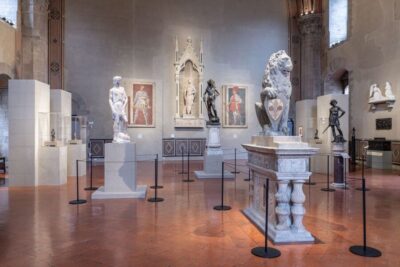
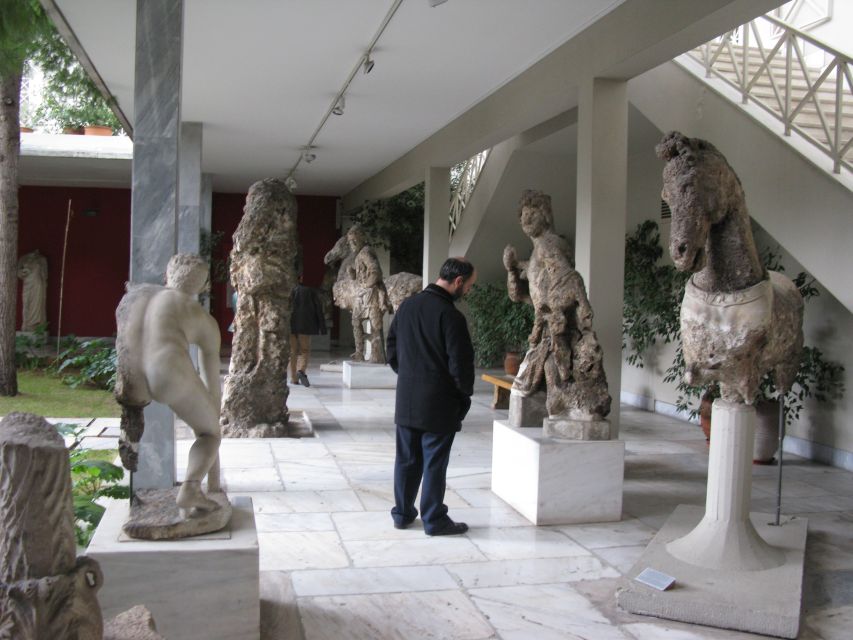
In the Sculptures Collection, the museum tracks how Greek sculptural style developed—often described as moving across centuries from the 7th to the 5th centuries B.C. It’s not just about pretty statues. With the right guidance, you can see changes in proportions, expression, and artistic priorities.
If you’ve seen Greek sculpture photos online, this is where you learn how to look at them like evidence, not decoration. The guide’s job is to point out what to notice so style changes become obvious during your visit.
Vases and Minor Objects: Daily Life and Big Meaning Together
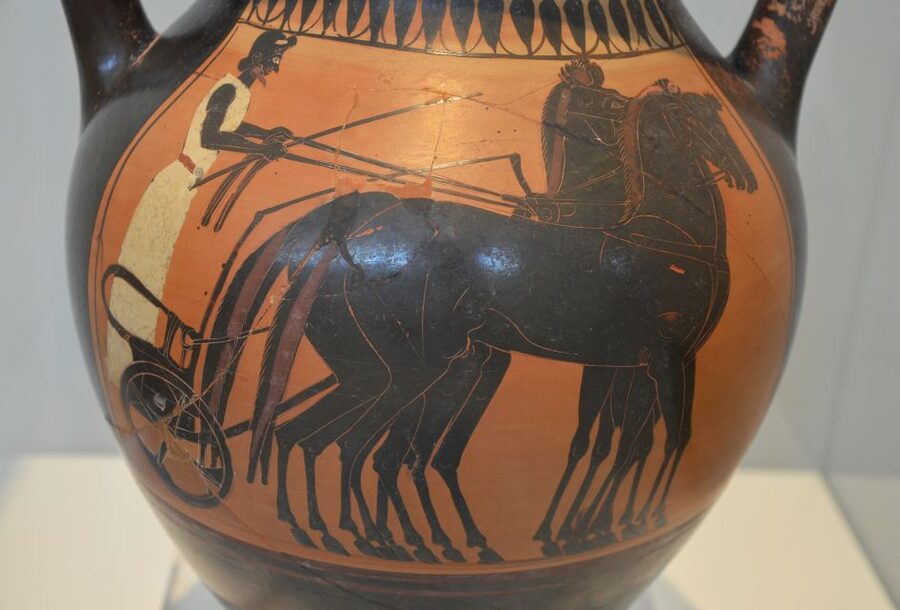
The Vase and Minor Objects Collection covers pottery from the 11th century B.C. to the Roman period, plus the Stathatos Collection, described as a corpus of minor objects from all periods.
This part matters because it brings artifacts closer to daily life. Vases aren’t just containers. They often act like cultural snapshots—what people wore, celebrated, feared, and valued.
Bronze Collection: Small Figures, Serious Craft
The Bronze Collection includes fundamental statues, figurines, and minor objects. Even when bronzes are small, the work can be intense—craft details that are easy to miss if you’re moving too fast or too casually.
A guided tour helps you slow down at the right spots and not treat every display as equal. This is the difference between walking through and actually learning.
Egyptian and Near Eastern Antiquities: Greece in a Wider World
The museum also has the only Egyptian and Near Eastern Antiquities collection in Greece, covering material from the pre-dynastic period (around 5000 B.C.) to the Roman conquest. You’ll see how Greek worlds weren’t isolated bubbles.
This section can be a bonus when you want extra context. If you’re already curious about how cultures interact, it gives you tangible evidence that “ancient Greece” didn’t develop in a vacuum.
Why a Guide Changes the Museum from Objects to Understanding
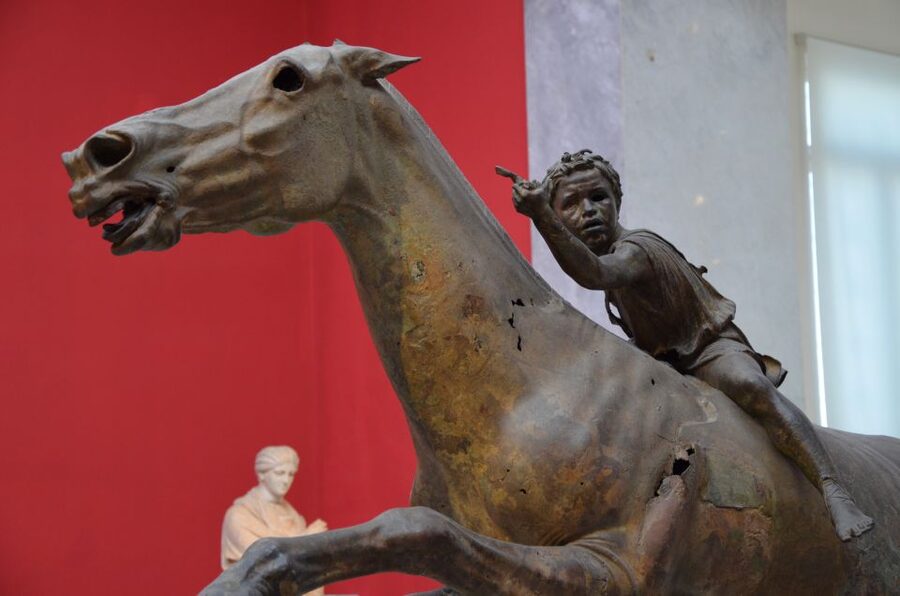
A museum this big can feel like a challenge, especially if you come in without a plan. The value of a private guide isn’t simply “talking.” It’s selection and interpretation: what to prioritize, how to connect rooms, and how to answer the questions your eyes naturally raise.
Groups who did this tour describe Christos as attentive, flexible, and able to adjust. One example from a past visit involved a specialized request related to ancient jewelry, where Christos managed an extra look at a jewelry room that’s usually locked during certain periods. Another theme you’ll notice in people’s descriptions is his ability to keep the pacing moving while still making space for questions.
Also, the tour style is practical. Instead of throwing facts at you nonstop, it’s more like a crash course where you get the “why” behind the artifacts. That’s huge for first-time visitors and also for repeat museum-goers who want sharper context.
If you like learning by asking, you’re set up well. In a private group format, your questions don’t get swallowed by the crowd.
Logistics That Affect Your Experience (Tickets and Time)
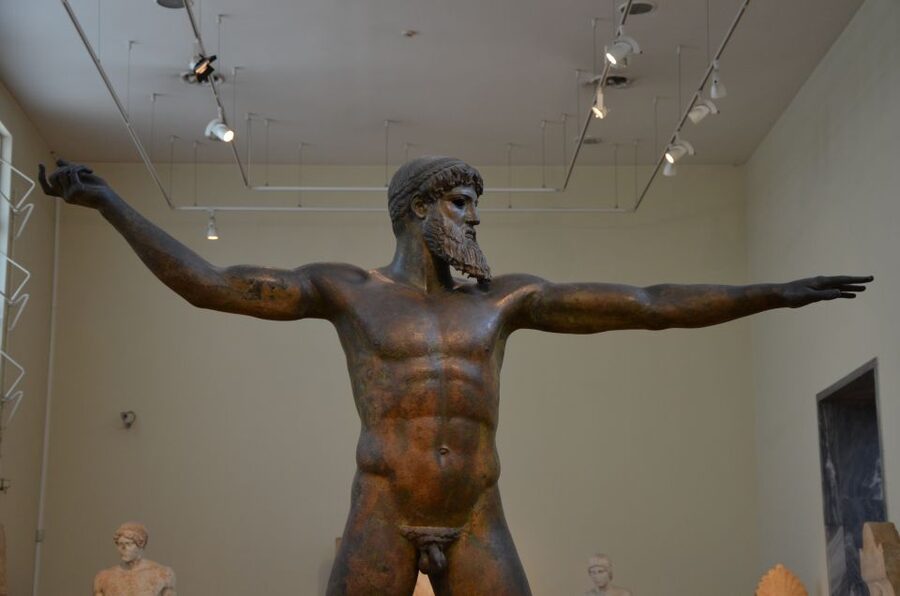
Two things can make or break your first hour: your ticket plan and your expectations about what 2 hours can cover.
The museum entry ticket is 10 €, and it isn’t included in the tour price. That means you should budget time (and money) for entry before or at the start. In real-world visits, having the guide with you can make that smoother, since he can help you get moving rather than getting stuck.
The other issue is time. With 2 hours, you’ll hit the highlights and build a mental map. If you want to linger—especially for sculptures, vases, or bronzes—plan to extend your museum visit afterward on your own. One practical way to do it: treat the guided tour as your “index.” Afterward, go back to the section that caught your imagination.
If you’re the kind of person who enjoys self-paced museums, you’re not totally helpless here. The museum is laid out with enough signage that you can still navigate well. But the guide helps you find the stories faster, and that’s the real payoff.
Price and Value: When $400 Per Group Makes Sense
The price is $400 per group, up to 6 people, for a 2-hour private guided tour. That structure changes the math in a good way.
If you have:
- 1 person, the cost feels steep compared with group tours, because you’re paying for the whole private service.
- 4–6 people, it starts to look like strong value, because you’re splitting the guide cost and getting a route designed for your small group.
Also, you’re paying for licensed expertise and for time saved in a museum that’s easy to underestimate. The National Archaeological Museum holds more than 11,000 exhibits, so an organized highlight route can prevent you from spending your limited vacation hours aimlessly searching.
For families, this setup can be especially worth it. A group including kids and teenagers can benefit when the guide can keep the pace brisk without making it feel like a lecture. If you’re traveling with someone who wants stories, not just labels, private guiding pays off quickly.
Best Fit: Who Should Book This Tour
This tour is a great fit if you:
- Want a high-impact orientation to the museum before you go exploring further
- Like museum visits where you can ask questions and move at your group’s pace
- Are traveling with a mix of ages and want history explained clearly enough to keep everyone with you
- Want the Antikythera mechanism to be more than a photo-op
It’s also useful if you’re short on time in Athens. A 2-hour guided visit gives you a lot of clarity without eating your whole day.
If you’re a hardcore museum-goer who wants every gallery in depth, you might still enjoy it—but you should plan extra time for self-guided wandering afterward.
Should You Book This Private Museum Tour?
Yes, if you want to get oriented quickly and see the museum’s most important highlights with a licensed guide. The Antikythera mechanism plus a structured pass through the museum’s major collections makes this a smart use of limited time.
Skip it only if you’re determined to go purely self-guided and you know exactly what you want to prioritize already. Even then, you might still find the guide’s interpretation useful—especially in a museum where the scale can make you miss the connections.
FAQ
FAQ
How long is the Athens National Archaeological Museum private guided tour?
The tour lasts 2 hours.
What does the tour cost, and how many people can be in the group?
It costs $400 per group, for groups of up to 6 people.
Is the museum entry ticket included in the price?
No. The museum entry ticket is 10 € and is not included.
Where do we meet the guide?
Meet at the museum’s main entrance steps at 44 Patission Street, 10682.
What languages are available for the live guide?
The tour is available in Turkish, English, German, and Greek.
Is this activity a private group tour?
Yes, it’s a private group.
Is there flexibility with booking, like pay later or free cancellation?
Yes. The tour offers reserve now & pay later, and free cancellation up to 24 hours in advance for a full refund.