REVIEW · ROME
Vatican Museums, Sistine Chapel & Skip-the-Line Basilica
Book on GetYourGuide →Operated by City Lights Tours · Bookable on GetYourGuide
Skip the lines, see the Vatican’s best. This guided run takes you from the Vatican Museums’ standout masterpieces straight to the Sistine Chapel, with timed entry that actually matters in real crowds. I especially liked how the guide connects sculpture and frescoes with stories you can’t pick up from a map, and the pace keeps the visit from turning into a sprint.
Two things I really like: the reserved timed access that cuts the worst waiting and the expert commentary that makes famous works click fast, including bits you might otherwise miss in the Gallery of Maps and the Sistine ceiling. One thing to consider is that the schedule is tight—your group gets moved along to keep everyone on time, so you’ll want to focus on the highlights rather than linger in every room.
In This Review
- Key takeaways before you go
- Why timed entry is the difference at the Vatican
- Meeting at Bar Da Paolo: an easy start near Vatican City
- Vatican Museums: the fastest way to see the big-name sculptures
- Museo Pio Clementino and the Candelabra room: where scale becomes a story
- Gallery of Tapestries and the Gallery of Maps: the Vatican gets weird (in a good way)
- Raphael Rooms and the Sistine Chapel ceiling: what you’ll remember later
- St. Peter’s Basilica: how access can change with current Vatican flow
- What you’re actually paying for: $99.92 in value terms
- Tour pace and crowd reality: how to set expectations
- What to wear and bring (and what to leave behind)
- Who should book this Vatican Museums, Sistine Chapel, and Basilica tour
- Should you book this tour?
- FAQ
- How long is the Vatican Museums, Sistine Chapel, and Basilica tour?
- Where do we meet the host?
- What’s included in the price?
- What should I wear to enter the holy sites?
- Is it really skip-the-line?
- If I want Basilica access, what information do I need to provide?
Key takeaways before you go
- Timed entry + express security: you avoid the longest queues and get into the complex efficiently
- Headsets for groups: if your group is over 6, you’ll hear the guide clearly without craning your neck
- Museum masterpieces in context: expect named works like the Laocoön, Apollo Belvedere, and major Raphael Rooms
- Photo-friendly guidance: guides help you hit the best spots without getting stuck in dead ends
- Sistine Chapel ceiling time: you’ll see the major moments, including The Creation of Adam
- Basilica access depends on timing: Jubilee-era passage from the Chapel to St. Peter’s may not always be open
Why timed entry is the difference at the Vatican
The Vatican Museums can chew up half a day if you show up without a plan. The building is a maze, lines are long, and by the time you reach the art, your energy is already gone. This tour’s biggest value is that you enter with reserved timed access and skip the most painful waiting, starting with an express security check.
Then there’s the practical side. When you’re inside, you’re not wandering, guessing which rooms are worth your time, or fighting the crowd for every corner. You’re moving on a guided route that hits major sections: the Museo Pio Clementino, the Gallery of the Candelabra, the Gallery of Tapestries, the Gallery of Maps, the Raphael Rooms, and finally the Sistine Chapel.
Most first-time visitors think they’re buying tickets. In reality, you’re buying time + focus.
You can also read our reviews of more museum experiences in Rome
Meeting at Bar Da Paolo: an easy start near Vatican City
Your tour starts at Bar Da Paolo, Viale Vaticano 104. The host checks you in, then hands you over to your guide and group.
This matters more than you’d think. The Vatican area has lots of look-alike meeting points. By using a specific, recognizable café spot, you reduce the chance of a stressful scramble right when you should be calm. Aim to arrive early enough to settle in, because entrance is time-sensitive.
Also, wear comfortable shoes. Even with a guided route, you’re still walking through big galleries with lots of people flowing in every direction.
Vatican Museums: the fastest way to see the big-name sculptures
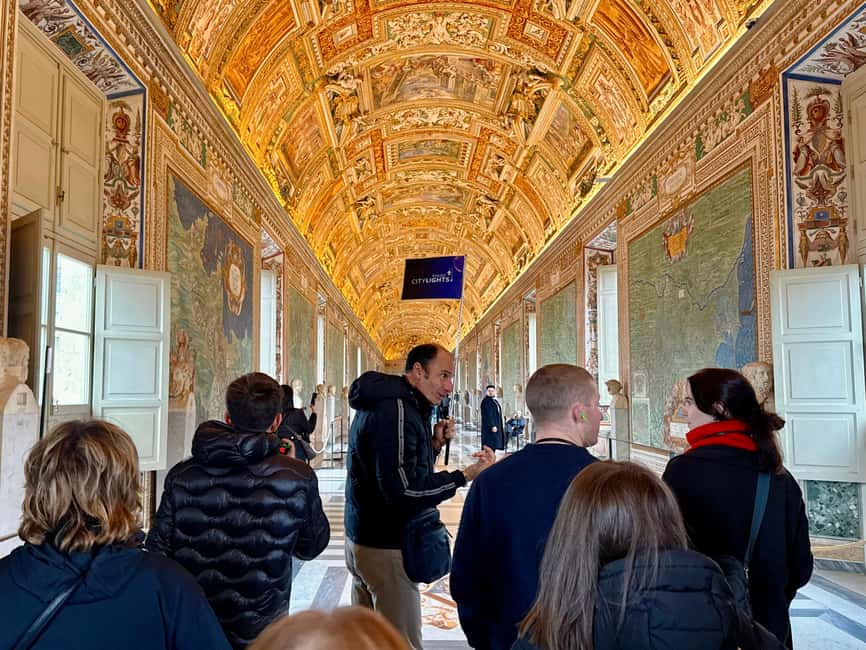
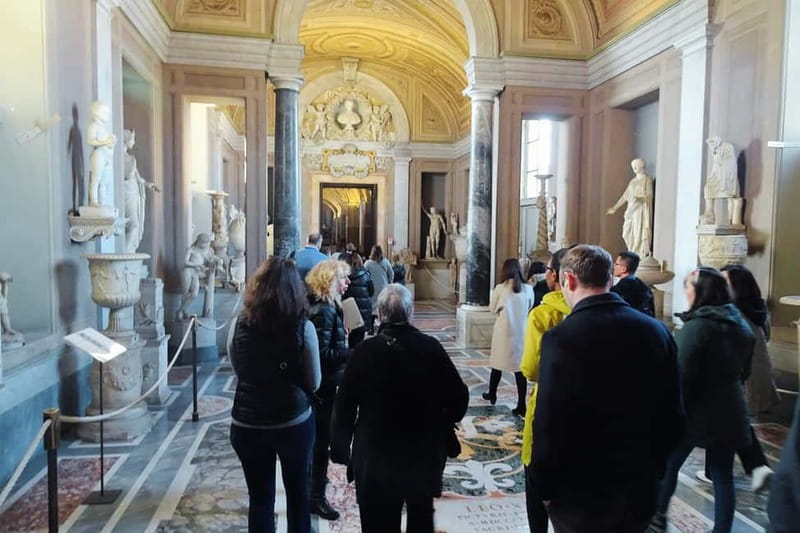
Once you’re in, you’ll start working through key museum sections. The Museo Pio Clementino is one of the museum’s anchor areas, and it’s where you can feel the shift from random rooms to true collection power.
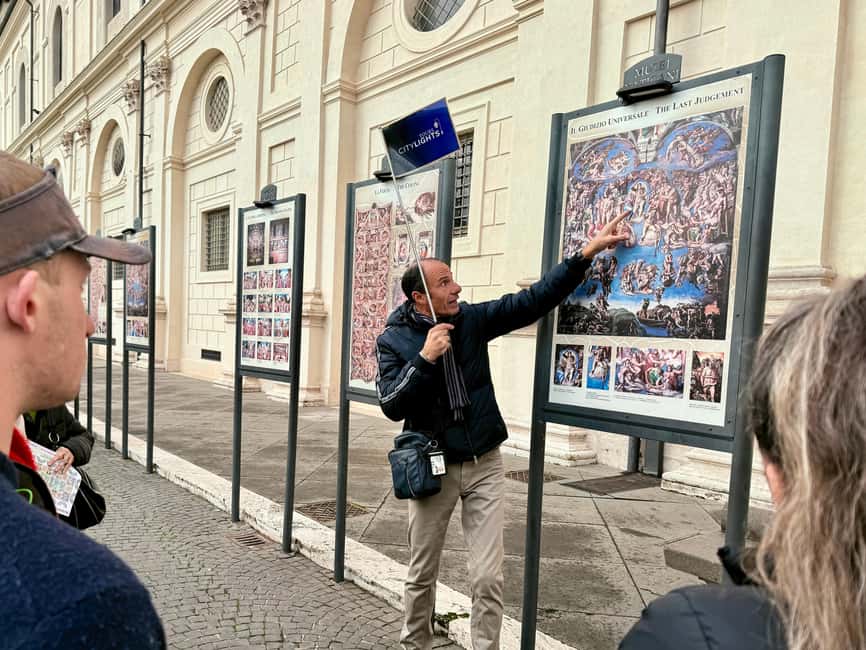
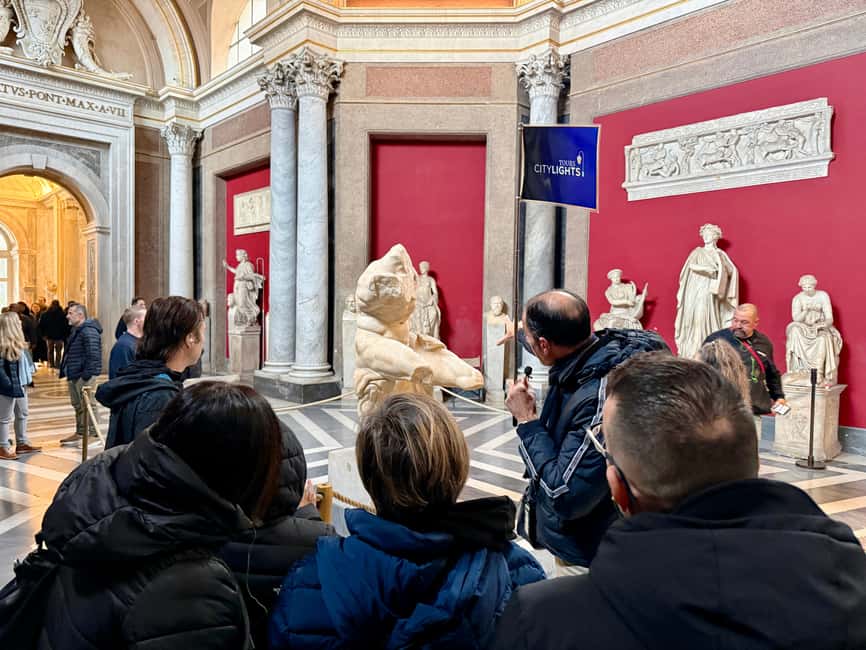
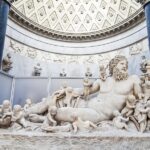
This is also where famous sculpture does its best work. The guide will point out standouts like the Laocoön, a dramatic work that clearly influenced later artists (including Michelangelo), and Apollo Belvedere, one of those pieces people come to see for a reason. The best part isn’t just spotting the statues—it’s understanding why they mattered and how viewers in different eras were meant to interpret them.
A short tour like this can feel like a greatest-hits album. But that’s not a downside when the guide keeps you on track. You’ll spend your limited time on the most meaningful pieces, with just enough context to make them feel less like museum wallpaper.
Consideration: if you’re the type who wants to stand silently and study one artwork for 45 minutes, this may feel rushed. If you want a guided highlight reel that still feels thoughtful, it’s a smart fit.
Museo Pio Clementino and the Candelabra room: where scale becomes a story
After the opening collection areas, the tour continues through showpiece galleries. One of the most memorable stops in this route is the Gallery of the Candelabra. The room’s famous for its grand, golden ceiling and for the way ancient statues are arranged so the space feels theatrical.
This is one of those “you can see it, but you might not get it” rooms. Without commentary, you notice the details but not the intent. With a guide, you start to see how artists and patrons used architecture and display to create an atmosphere, not just housing for art.
In a fast tour, rooms like this are perfect. They give you a visual reset—grand and cinematic—before you move into the narrative layers of maps, tapestries, and Renaissance rooms.
Gallery of Tapestries and the Gallery of Maps: the Vatican gets weird (in a good way)
Next up: the Gallery of Tapestries and the Gallery of Maps. Even if you think you’re not a “maps person,” this is one of the tour’s surprises.
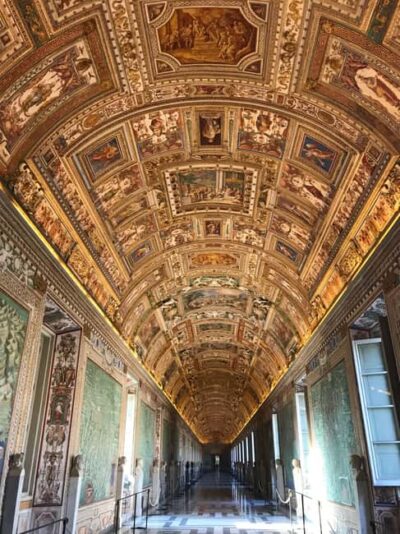
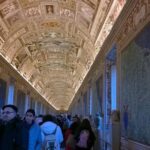
The Gallery of Maps is a 16th-century vision of Italy that’s packed with details, and yes, it includes playful elements like unicorns and sea monsters. That combination is part of the fun: it’s geography rendered as art, with imagination mixed into cartography.
Then the tapestries add another angle. You get the sense that the Vatican isn’t just about painting and sculpture. It’s also about textile art, and the way elaborate decoration can tell stories for power, faith, and cultural identity.
If you’re traveling with someone who gets bored in strict art-history mode, these two stops often win them over. The guide’s job here is to keep it understandable, and it usually lands because these galleries are visually loud on purpose.
A few more Rome tours and experiences worth a look
Raphael Rooms and the Sistine Chapel ceiling: what you’ll remember later
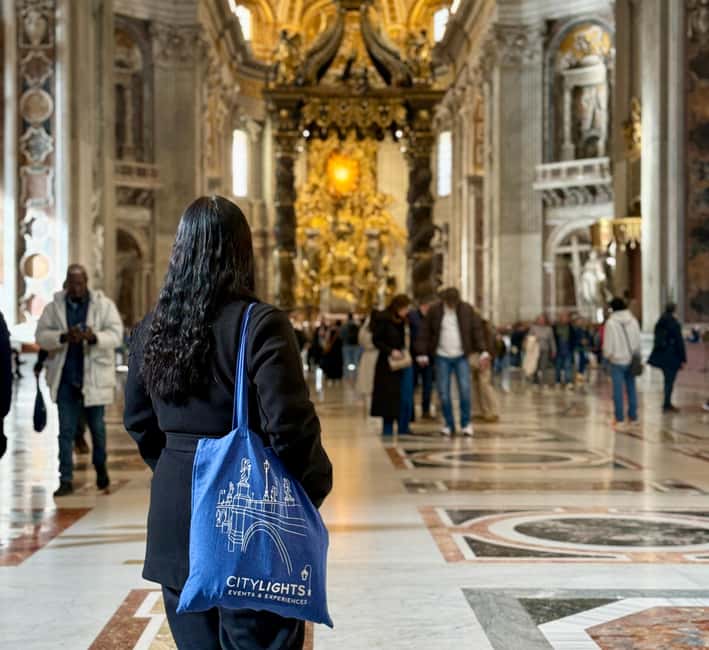
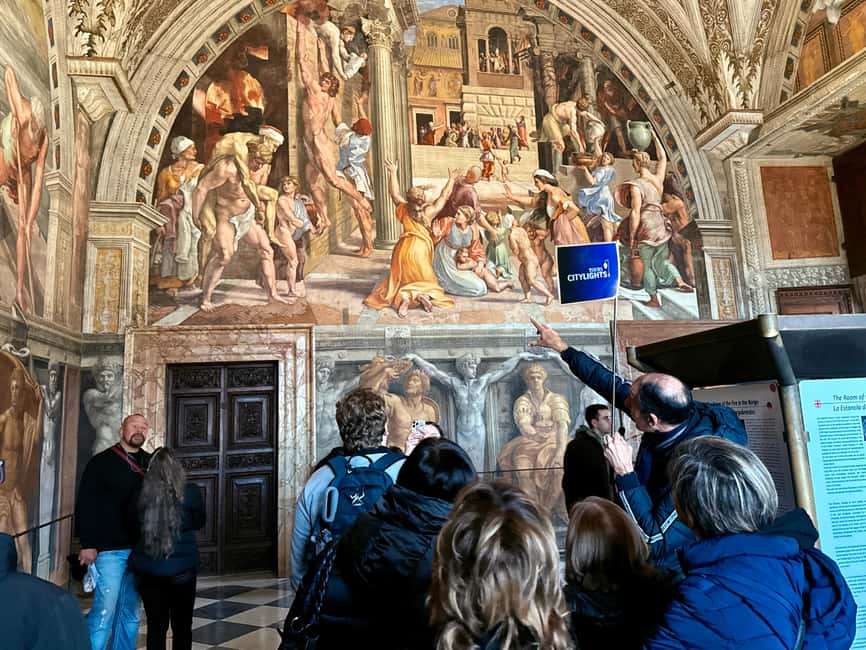
After the maps and tapestries, the tour moves into the Raphael Rooms. This is where Renaissance storytelling ramps up. Expect to step into fresco worlds that feel like scenes from a larger drama—part theology, part politics, part art innovation.
Raphael Rooms are great for two reasons:
1) they’re visually clear and emotionally legible, even if you don’t know the subject matter
2) the guide can connect symbols across rooms so it doesn’t feel like isolated pictures on walls
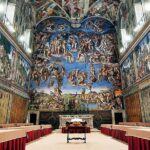
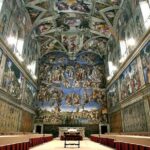
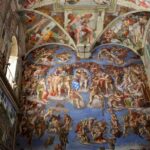
Then comes the highlight most people plan the Vatican around: the Sistine Chapel. The guide helps you focus on what matters most as you look up. You’ll see major moments on the ceiling, including The Creation of Adam.
Heads up about timing: you’ll be in the Sistine Chapel inside a crowd flow, and there’s a strong emphasis on moving groups through. You’ll get real time to see the work, but it’s not a sit-and-stare experience.
St. Peter’s Basilica: how access can change with current Vatican flow
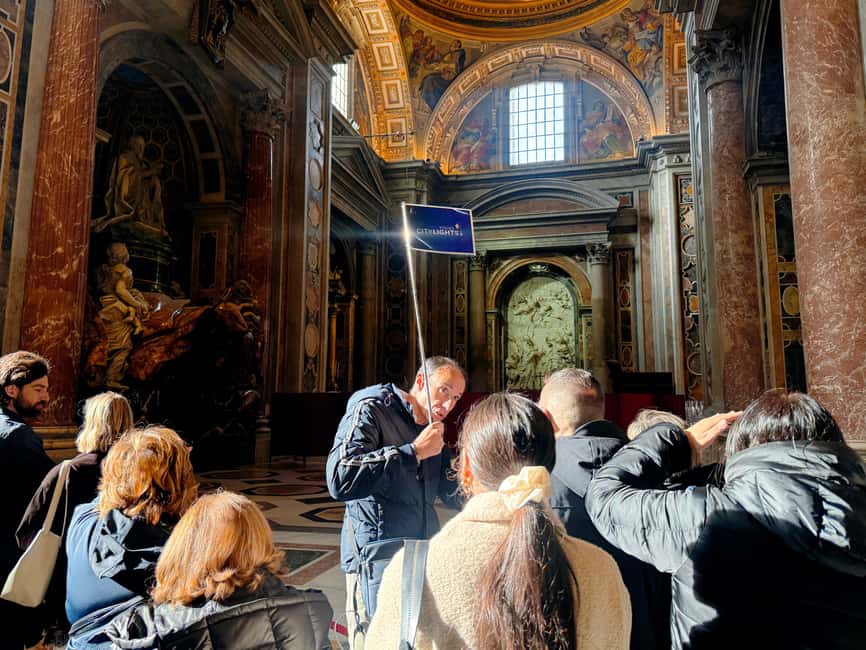
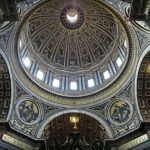
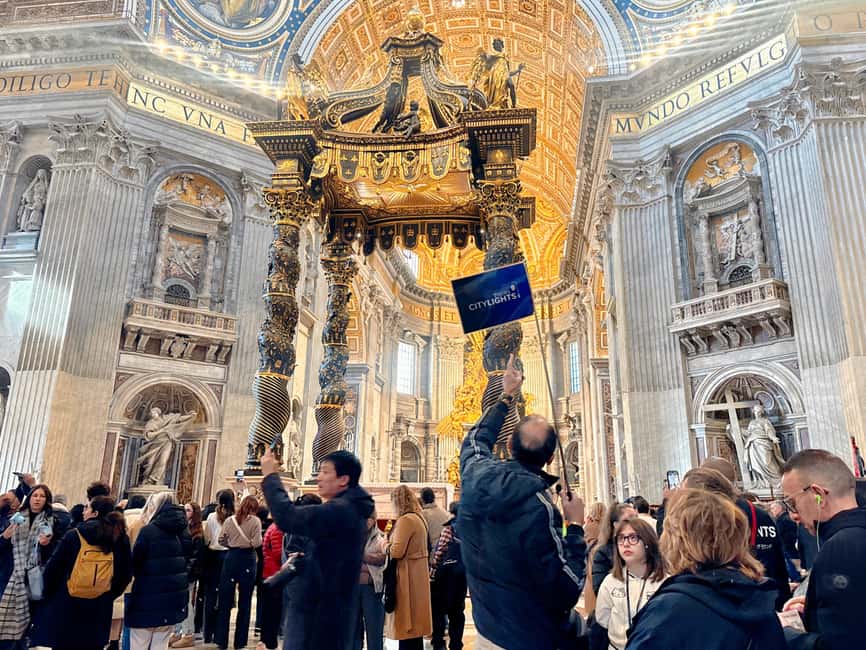
Your tour ends at St. Peter’s Basilica, with your guide helping you get in as part of the group experience.
Two key realities to keep in mind:
1) Dressed appropriately
For holy sites, you need shoulders and knees covered. This is not a suggestion. Plan clothes accordingly, especially if you’re traveling in warm weather.
2) Basilica passage may depend on Jubilee flow
If you book the option that includes Basilica access, you’re asked to email full names and dates of birth exactly as on your ID at least 3 days in advance, or Basilica entry may not be guaranteed. Also, due to the 2025 Jubilee, the passage from the Sistine Chapel to the Basilica may not always be open. If it is available, your guide will lead you through to use the skip-line advantage.
In other words: the tour tries to protect your time, but Vatican operations can shift. If St. Peter’s is your top priority, don’t treat this as a casual add-on. Do the ID details early and show up on time.
What you’re actually paying for: $99.92 in value terms
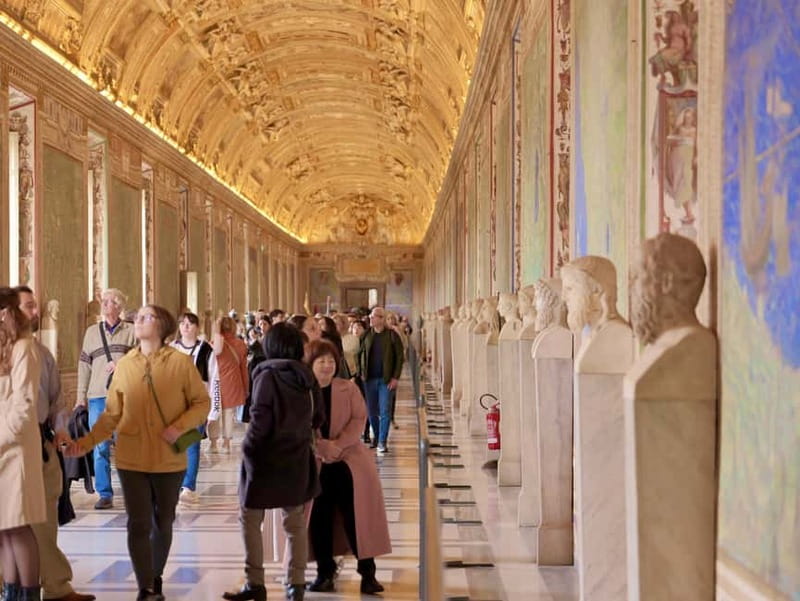
At $99.92 per person for a 2.5-hour guided tour, the math only works if you’re buying the right things.
You are paying for:
- Timed-entry Vatican Museums (less waiting, fewer uncertainties)
- Express security access
- A live English-speaking guide
- Tickets for the Vatican Museums and the Sistine Chapel
- Headsets when your group is larger than 6, so you can hear clearly
You’re not paying for:
- Hotel pickup and drop-off
So the value is strongest if you:
- want the big sights without wasting hours in line
- like structured storytelling so the Vatican feels coherent
- prefer a small-group setup where you can keep up with the guide instead of getting lost
Guides matter here. The most praised tours tend to credit guides by name—people like Julia, Mario, Alberto, Jobe, Flametta/Flamenti, Fabiola, Yulia, Clarisse, and Guido. The pattern is consistent: the guide makes the art make sense, keeps the group moving at an easy pace, and helps you get into St. Peter’s without spending hours stuck in queues.
Tour pace and crowd reality: how to set expectations
This isn’t a slow museum stroll. It’s a focused route through several major sections. That’s exactly why it works for many visitors, but here’s the honest tradeoff:
- You’ll likely be guided to key works quickly rather than spending extended time in each room.
- You may hear that staff move groups along, especially around the Sistine Chapel area.
- If your tour start time is tight or delayed, your time inside the Chapel can feel compressed. The upside is you still get the central experience.
If you’re the type who wants to read every plaque and sit for long stretches, consider adding extra free time on a different day. This tour is built for people who want the highlights with expert direction, not for people aiming for deep solitude.
What to wear and bring (and what to leave behind)
To avoid the most common last-minute problems, pack with the Vatican rules in mind:
Bring:
- Passport or ID card
- Comfortable shoes
- If relevant, a disability card
Don’t bring:
- Pets
- Shorts
- Baby strollers
- Luggage or large bags
- Short skirts
- Sleeveless shirts
- Umbrellas
Dress code:
- Shoulders and knees covered for holy sites
If you’re thinking about Basilica access, plan ahead and send the requested name/DOB details when prompted. That’s the difference between guaranteed access and a worst-case scenario.
Who should book this Vatican Museums, Sistine Chapel, and Basilica tour
I think this tour is a great fit if you:
- are short on time in Rome
- want a structured plan through the Vatican’s biggest areas
- care about context, symbols, and why certain works were influential
- like small-group tours with clear communication (headsets help)
It’s less ideal if:
- you need wheelchair access (this option is listed as not suitable for wheelchair users)
- you want hours to wander freely
- you dislike being moved along on a schedule
If you’re traveling with kids or art-curious teens, it can work well when the guide keeps things lively and explains what you’re looking at without turning it into a lecture.
Should you book this tour?
Yes—if you want to see the Vatican’s top rooms without losing most of your day in lines. For first-timers, timed entry plus an expert guide is the winning combo, and it’s one of the few ways to get a coherent visit in just 2.5 hours.
I’d book it especially if St. Peter’s Basilica is on your must-see list, because the guided approach helps you manage access and crowd flow. Just respect the schedule, follow the dress code, and be ready for a highlight-focused pace rather than a slow museum hang.
If your schedule is flexible and you love lingering, you might still add extra independent time afterward. But for getting the main event done right, this is a strong choice.
FAQ
How long is the Vatican Museums, Sistine Chapel, and Basilica tour?
The duration is about 2.5 hours. Start times vary, so check availability for the exact slot.
Where do we meet the host?
You meet at Bar Da Paolo, Viale Vaticano 104. The host checks you in and introduces you to the guide and group.
What’s included in the price?
Included are Vatican Museums and Sistine Chapel skip-the-line tickets, an expert English-speaking guide, and headsets for groups larger than 6.
What should I wear to enter the holy sites?
You need shoulders and knees covered. The tour has a dress code for holy sites, so plan clothing that fits this requirement.
Is it really skip-the-line?
The tour includes reserved timed access for the Vatican Museums and skip-the-line entry through express security. Basilica passage depends on timing, especially during the 2025 Jubilee period.
If I want Basilica access, what information do I need to provide?
If you book the Basilica access option, you’ll need to email the full names and dates of birth of all participants exactly as shown on their ID documents at least 3 days in advance.