
REVIEW · PLYMOUTH
Plimoth Patuxet Museums
Book on Viator →Operated by Plimoth Patuxet Museums · Bookable on Viator
Plimoth Patuxet turns history into a walk-through experience. You’ll see a recreated 17th-century English settlement plus the Historic Patuxet Homesite, with modern interpreters discussing a place shaped by thousands of years of Indigenous life. I like that the museum also ties the story to the Mayflower Compact and the roots of ideas about self-government. One thing to plan for: much of the walking is on uneven, outdoor surfaces, so sturdy shoes matter.
For the price, this is a strong value in the Boston area if you’re willing to spend a half day on foot and in conversation with costumed staff. I especially like the way you can choose your package—just Plimoth Patuxet, or add the Plimoth Grist Mill and Mayflower II—so you’re not forced into a one-size-fits-all schedule.
In This Review
- Key highlights worth planning around
- Why Plimoth Patuxet feels different than a standard museum
- Price and time: a half-day plan that can stretch to a full one
- Stop 1: Historic Patuxet Homesite and the 17th-century English Village
- What you’ll actually do here
- How to get the most from the walking trails
- A balanced heads-up: what you may not get
- The Mayflower Compact theme: why it matters for your first-timer brain
- Stop 2: Plimoth Grist Mill and the water-powered STEM-meets-history angle
- What makes it worth your time
- One heads-up on walking paths
- Stop 3: Mayflower II at Plymouth Harbor (and why the shipboard feel is different)
- How the experience works
- What to expect if you’re picky about tone
- Getting there and moving between sites without stress
- Food, shopping, and when to take a real break
- Crowds, weather, and comfort tips that actually help
- Uneven ground is the big physical factor
- School-group timing can change the feel of the day
- Construction can affect your route
- Who should book this (and who might not love it)
- Should you book this Plymouth history combo?
- FAQ
- What is included with the Plimoth Patuxet ticket?
- Can I add Mayflower II and the Grist Mill to the same visit?
- Do I need a car to reach Mayflower II?
- How long should I plan for the whole experience?
- Are food and drinks included?
- Is the museum open in bad weather?
Key highlights worth planning around
- Pick your combo: Plimoth Patuxet alone, or add Grist Mill and/or Mayflower II
- Real working mill details: water-powered operation and hands-on milling opportunities
- Mayflower II is a floating museum: shipboard guides make the 1620 crossing feel real
- Mayflower Compact theme: the museum connects the 17th century to later American political ideas
- Easy to manage on-site time: Plimoth Patuxet runs about 2.5 hours, with shorter add-ons
Why Plimoth Patuxet feels different than a standard museum

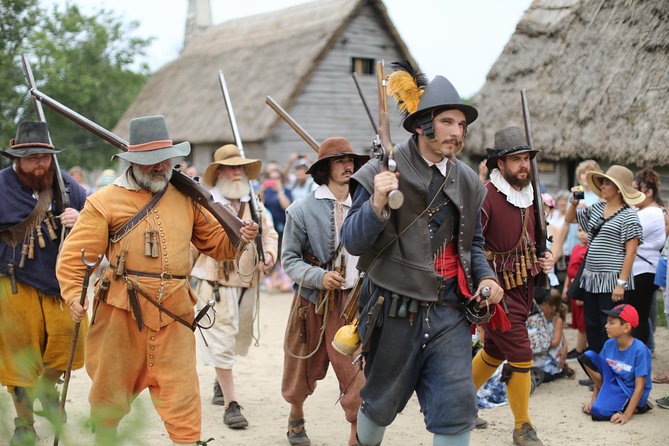
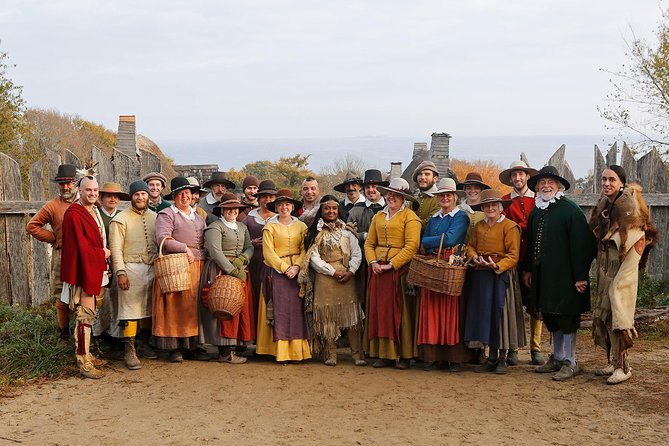
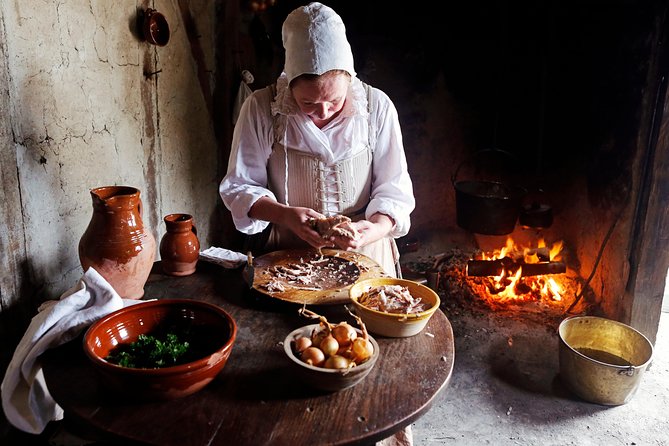
If you like history where you can see daily life, Plimoth Patuxet is one of the better places to spend time in the Plymouth area. Instead of treating the past like a display case, the site recreates what it looked and sounded like: people in period clothing doing practical work, interpreters talking about real traditions, and outdoor spaces that make you slow down.
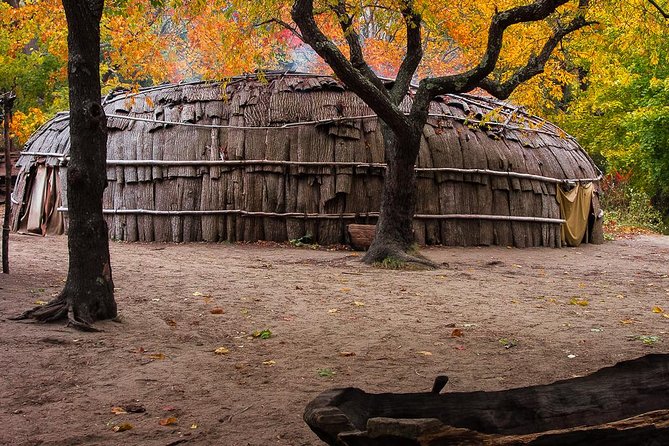
The heart of it is twofold. First, you have the recreated 17th-century English village. Second, you have the Historic Patuxet Homesite—focused on Indigenous heritage of the Northeast, interpreted by contemporary voices. The result is not a single, one-lane story. You’re seeing Plymouth as more than a pilgrim postcard.
Then there’s the way the museum frames the Mayflower-era story within a bigger arc. During the America’s 250th Anniversary theme, the messaging pushes you to connect late 18th-century changes back to earlier foundations—especially self-government ideas tied to the Mayflower Compact. Even if you’re not a political history person, that “how did we get here?” framing helps the day stick in your mind.
Price and time: a half-day plan that can stretch to a full one
The tour price is listed at $35.00 per person, and the experience is roughly 4 to 5 hours depending on which sites you add. For that length of time, you’re not just buying entry to one museum—you’re building a mini history circuit.
Here’s the practical math:
- Plimoth Patuxet is the long stop at about 2 hours 30 minutes.
- Plimoth Grist Mill is about 30 minutes.
- Mayflower II is about 30 minutes.
In other words, if you do just Plimoth Patuxet, you can keep the day light. Add both mill and Mayflower II and you’ll likely feel the day clocking you—especially because there’s some walking involved at each site and you’ll probably want time to ask questions.
One review-style reality check I’d give you: if you try to do all three without pauses, it can feel rushed. If you want a slower, more conversational day, plan for closer to 5 to 7 hours total, not just 4 to 5.
Stop 1: Historic Patuxet Homesite and the 17th-century English Village

This is the core of the experience, and it’s where you’ll spend most of your time.
What you’ll actually do here
You’re walking a recreated early English pilgrim settlement at the 17th-century English Village. The museum focuses on day-to-day life rather than just famous names. Expect homes, outdoor spaces, and staff in period clothing who answer questions and explain what people did and why.
At the Historic Patuxet Homesite, you’ll learn about Indigenous heritage in the Northeast from contemporary interpreters. The emphasis is on continuity—people who have lived here for over 12,000 years—and how that longer timeline affects how you understand the 1600s.
How to get the most from the walking trails
The outdoor layout is part of the point, but it also means practical care:
- Wear comfortable shoes. Surfaces can be uneven.
- If you prefer to stay moving at a steady pace, you might feel better using the free golf cart service offered at Plimoth Patuxet for mobility concerns. It’s run by staff—just ask when you arrive.
Also, don’t treat this like a “read everything” museum. Some areas are designed for conversation and observation. If you go in with that mindset, you’ll have an easier time enjoying the experience.
A balanced heads-up: what you may not get
Plimoth Patuxet is strong on how people lived and how traditions connect across time. But if your main goal is lots of specific historical detail about particular leaders (for example, Bradford or Standish) and how the town developed house by house, you might end up wanting more written explanation than what the site provides in every spot.
That doesn’t mean it’s thin—just that it’s aiming for lived experience over lecture style.
The Mayflower Compact theme: why it matters for your first-timer brain
The museum doesn’t leave you stuck in 1620. It repeatedly brings you back to the idea that the late 18th-century political world had roots in earlier systems and agreements.
During the America’s 250th Anniversary focus, the day connects to the Mayflower Compact as an embodied example of self-government. If you’ve ever found it hard to connect a civics textbook to real history, this framing helps.
A useful way to think about it: the English village and the Patuxet story show conflict, survival, and negotiation in a very early setting. Then the museum prompts you to notice how those problem-solving needs fed into later concepts about community rules and shared governance.
Stop 2: Plimoth Grist Mill and the water-powered STEM-meets-history angle

This stop gives your brain a break from village life while still staying in the same time period.
The Plimoth Grist Mill is a working reproduction located in historic downtown Plymouth, a short walk from the waterfront through Brewster Gardens. It’s tied to Pilgrim John Jenney’s original mill location along Town Brook and is powered by water.
What makes it worth your time
This is the kind of attraction where you can enjoy it even if you’re not a hardcore historian. You’ll learn about:
- how water-powered milling works
- the ecology of Town Brook
- the basics of turning grain into cornmeal
There’s also a practical, hands-on angle. On Saturday afternoons, the mill stones are operational. On other days, the millers are typically preparing cornmeal—sifting, willowing, and getting stones ready for the next run.
If you like baking, the retail shop is a nice bonus. You can pick up freshly stone-ground cornmeal and sample-grits options.
One heads-up on walking paths
Expect some construction-era mess around the area. There’s mention of construction at the mill that can affect walking paths onward from the mill to the Mayflower area. So if you’re planning to chain stops together, keep a little buffer time and don’t plan tight connections.
Stop 3: Mayflower II at Plymouth Harbor (and why the shipboard feel is different)
Mayflower II is a floating museum docked at Plymouth Harbor. It’s listed as a U.S. National Register Historic Places site, and the big win here is that you experience the ship as a ship, not as a detached exhibit.
How the experience works
Inside, it’s guided by modern-day guides who share stories about 1620 and Mayflower history. The visit length is short—about 30 minutes—and the experience is described as self-guided in parts, so you’ll want to pay attention when you see signs and stations.
One practical tip: look for the staff who are on hand to explain details you might otherwise miss. Even if you’ve heard Plymouth Rock stories before, the guides around the waterfront area can add new context while you’re in the harbor setting.
What to expect if you’re picky about tone
Some people love the character of the day and report that staff stay in period. Other people have found parts of the experience feel less energetic. The good news: even when one stop isn’t your favorite, pairing the ship with Plimoth Patuxet tends to make the overall day feel like more than the sum of its parts.
Getting there and moving between sites without stress
This isn’t a hotel-pickup-and-drop-off tour. You start at 137 Warren Ave, Plymouth, MA 02360 for ticket redemption, and you’ll handle getting between stops on your own.
Here’s the key practical point: Mayflower II is about 3 miles north, and the info specifically notes you’ll need a car to reach it. So if you’re not driving, you’ll need to arrange rideshare, taxi, or another local transport method in advance.
You also can use regional transit connections:
- Amtrak: Kingston/Plymouth line from South Station
- Bus: Plymouth & Brockton from South Station
- And there’s a suggestion to arrange livery service in advance, or use the Ridecircuit app for free livery with schedules.
If you’re planning a smooth day, decide early whether you’ll:
- do Plimoth Patuxet only (simpler logistics), or
- do all three (more moving parts, but more variety)
Food, shopping, and when to take a real break
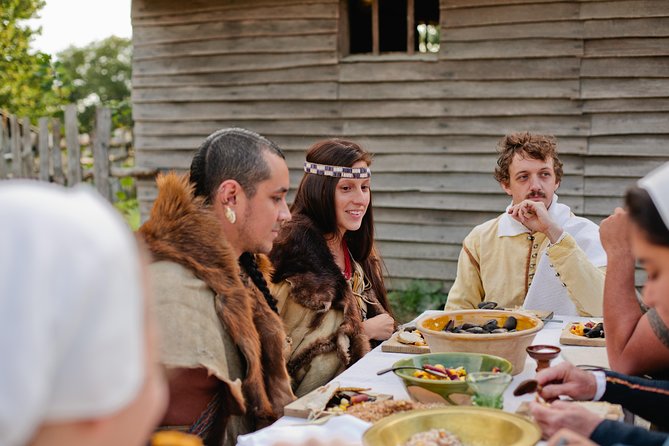
Food and drinks aren’t included, but the Plimoth Patuxet Visitor Center has a cafe serving both 17th-century and modern favorites. Based on the day-to-day vibe, it’s a smart place to eat without losing time.
People have mentioned the cafe menu being good, and at least one highlight is succotash soup. Others have wished there were more healthy choices. So if you eat a certain way, consider bringing a snack or planning your order carefully.
On top of the cafe, there are four retail shops across the site. If you like bringing home small New England items, this is one of those places where shopping feels tied to the experience rather than like a random tourist stop.
Crowds, weather, and comfort tips that actually help
This museum runs in all weather, so pack for real Plymouth conditions. Dress appropriately and plan for walking outdoors.
Uneven ground is the big physical factor
Outdoor trails and the village layout can include uneven surfaces. That’s the reason the site offers a free golf cart service for mobility concerns. If you have any doubt about long walking comfort, ask at guest services so you can reduce strain.
School-group timing can change the feel of the day
If you’re visiting during the September-to-November window on weekdays, you may run into large school field-trip groups, especially around mid-day. When the site is filled with children who are excited and moving fast, it can feel like noise and crowd pressure rather than a calm museum day.
If you can adjust your schedule, aim for later afternoon time slots during the week to reduce that effect.
Construction can affect your route
There’s a noted issue with construction blocking walking paths between the mill area and the Mayflower route. That doesn’t mean you can’t do both—it just means you should expect that your route might take a bit longer than you first planned.
Who should book this (and who might not love it)
This experience fits best if you want:
- living history with real people in period costume
- a day that mixes English village life with Indigenous Patuxet heritage
- a flexible add-on plan (you can stop after Plimoth Patuxet, or keep going)
It’s also a strong fit for families, since the mill has a STEM-meets-history angle and the outdoor layout works well for kids who like to move and look around.
You might consider skipping (or simplifying to just Plimoth Patuxet) if:
- you strongly prefer museums with lots of dense written historical explanation
- you’re sensitive to crowds at certain times of year
- you don’t want to deal with the logistics of getting to Mayflower II by car
Should you book this Plymouth history combo?
I’d book it if your ideal day in Plymouth is part walking, part conversation, and part seeing how life worked in the 1600s. The value improves if you add both Plimoth Grist Mill and Mayflower II—because then you get the village story, the technology of milling, and the shipboard crossing feeling, all in one stretch.
I’d also treat it as a “choose your pace” day. Spend longer at the places where you’re asking questions and watching what staff are doing. If you want a tight schedule, do Plimoth Patuxet first and make the add-ons only if you still feel fresh.
FAQ
What is included with the Plimoth Patuxet ticket?
The Plimoth Patuxet ticket includes access to the Historic Patuxet Homesite, the 17th-Century English Village, and the Craft Center, plus an exhibit at Plimoth Patuxet called We Gather Together—Thanksgiving, the Making of an American Holiday.
Can I add Mayflower II and the Grist Mill to the same visit?
Yes. You can opt to visit Plimoth Grist Mill and/or Mayflower II as add-ons to Plimoth Patuxet. You can also choose to do them the same day or on a different day during the 2025 season.
Do I need a car to reach Mayflower II?
Yes. Mayflower II is about 3 miles north, and you will need a car to get there.
How long should I plan for the whole experience?
Plimoth Patuxet is about 2 hours 30 minutes. Plimoth Grist Mill is about 30 minutes, and Mayflower II is about 30 minutes. The full experience is listed as about 4 to 5 hours depending on which sites you choose.
Are food and drinks included?
No. Food and drinks are not included, though there is a cafe at the Visitor Center at Plimoth Patuxet.
Is the museum open in bad weather?
Yes. The museum is open in all weather conditions, so you should dress appropriately and wear comfortable shoes.
If you tell me which combo you’re considering (Patuxet only vs all three) and whether you’ll drive, I can help you map a realistic pacing plan.