REVIEW · NEW YORK CITY
Ground Zero Museum Workshop Tour
Book on Viator →Operated by 9/11 Museum Workshop: 100 Images & Artifacts Exhibit · Bookable on Viator
Photos, artifacts, and a 9/11 dig story. That is the heart of the Ground Zero Museum Workshop, a small, careful museum experience in Manhattan’s Meat-Packing District that centers on the recovery period rather than the big memorial site.
I really like two things. First, the Bose audio tour in four languages plus guided storytelling keeps everything crystal clear. Second, you get a rare chance to hold select World Trade Center remnants like steel and window glass, which makes the history feel startlingly real.
One consideration: this is not the main 9/11 Memorial and Museum, and some people feel jarred when they realize the workshop is a separate site a few subway stops away. It can also feel small in person, which is either part of the intimacy or part of the disappointment, depending on what you want that day.
In This Review
- Key things to know before you go
- A small memorial museum near Chelsea and the High Line
- What you’ll see: 100 photos plus recovery artifacts with real context
- The special audio setup: how Bose and the guide keep pace
- Guided walkthrough plus a 15-minute video to set the timeline
- The rare chance to hold World Trade Center materials (yes, really)
- Logistics: finding the second-floor workshop and keeping your visit smooth
- Price and value: where $34.50 makes sense (and where it might not)
- Families, kids, and the emotional tone: who it fits best
- How this connects with the main 9/11 Memorial and Museum
- Who should book this workshop (and who might skip it)
- Should you book the Ground Zero Museum Workshop?
- FAQ
- Is this the same as the 9/11 Memorial and Museum admission?
- How long is the Ground Zero Museum Workshop tour?
- What languages are available for the audio tour?
- Can I take photos or use my camera?
- Is the museum suitable for kids?
- Can you really hold artifacts?
Key things to know before you go
- 100 images and recovery remnants explained in a tight, emotional tour format
- Gary Marlon Suson’s photos are featured, including iconic items like the 10:02 frozen clock and the charred Genesis 11 page
- 15-minute video plus guided walk-through makes the timeline easy to follow
- Bose self-guided audio (English plus Spanish, French, and Italian) helps you keep pace at your own speed
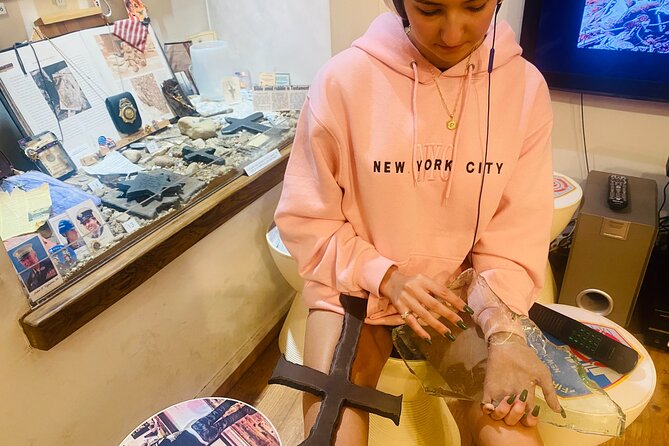
- Rare artifact handling: you can pick up and photograph certain World Trade Center materials
- Family-friendly, non-graphic approach, with sensitivity built into the experience
A small memorial museum near Chelsea and the High Line
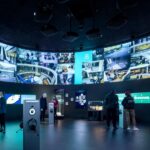
This workshop tour is for people who want the story told in a human scale. The space is intimate, the group size is capped (it stays small), and the tone is intentionally careful. You are not walking through huge halls or wide-open galleries. Instead, you are close to the images, the objects, and the recovery context that followed September 11.
I also like the geography here. You are in the Meat-Packing District, not downtown right by the memorial pools. If you are combining this with a visit to the main 9/11 Memorial and Museum, it helps to see how they fit together: one focuses on the recovery dig and the artifacts; the other is built around the memorial site and museum collections. Doing both gives you more of the full arc.
The museum is about a quick ride from Ground Zero using the E subway line (roughly five minutes away), and you’ll be near places like Chelsea Market and the High Line. That matters because you can turn a heavy subject into a day that still feels workable—coffee, a stroll, and then remembrance.
You can also read our reviews of more museum experiences in New York City
What you’ll see: 100 photos plus recovery artifacts with real context
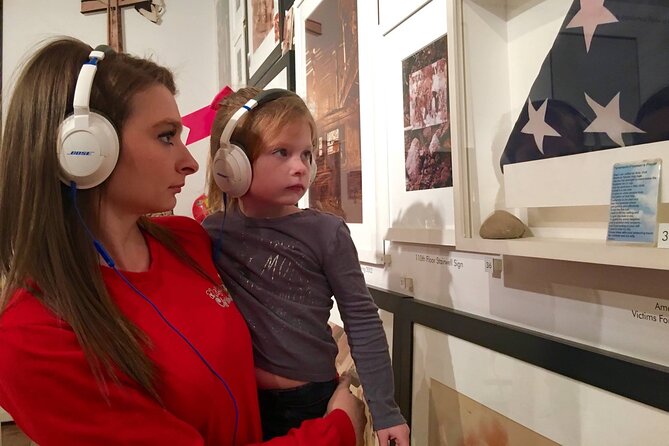
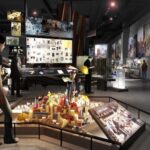
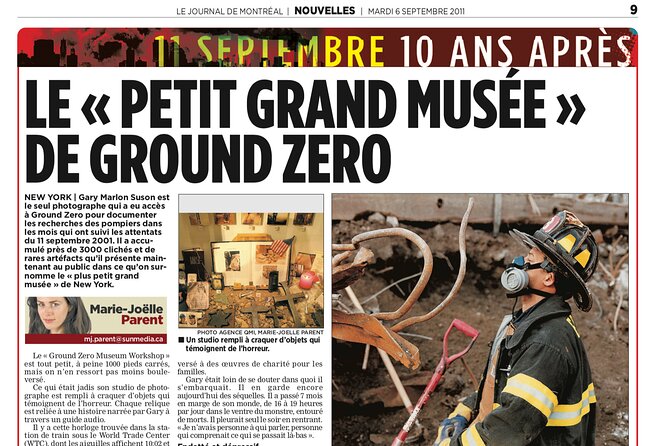
The workshop’s core is a guided walk-through built around about 100 of Gary Marlon Suson’s most well-known images. If you’ve ever seen photographs from Ground Zero that look oddly specific—like the kind that capture a single moment of damage and meaning—this is where a lot of that “how did they even find that?” feeling comes from.
A few featured items you should expect to spot:
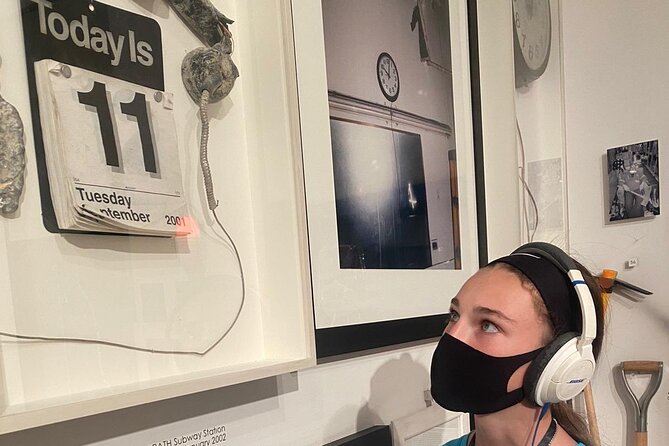
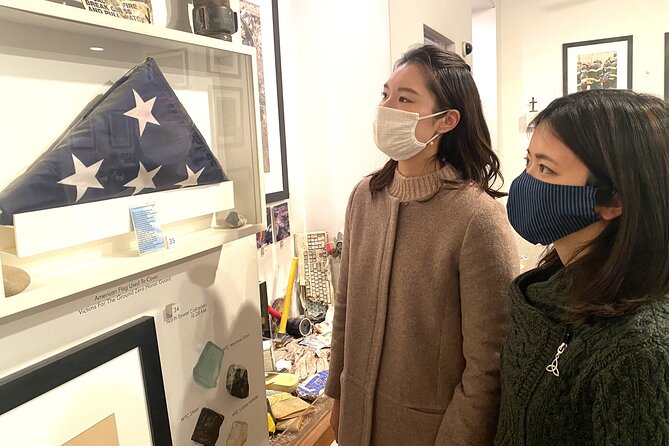
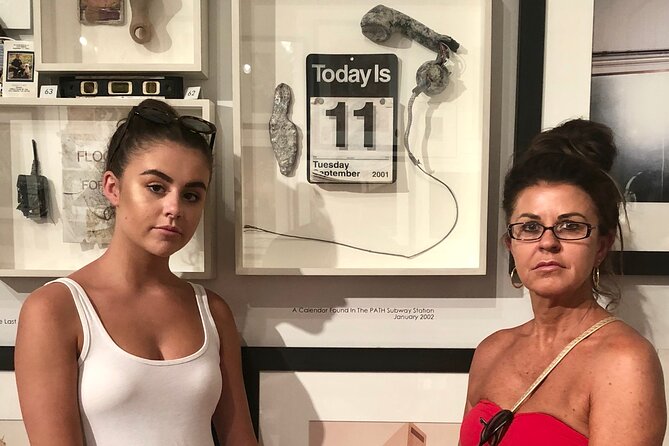
- The 10:02 clock theme: there’s mention of the frozen clock stuck at 10:02am, marking the collapse of the South Tower, and the actual clock itself is displayed
- FDNY-linked imagery, including FDNY Honor Guard photographs
- A charred Genesis 11: Tower of Babylon Bible page recovered from World Trade Center rubble
- Several other remnants tied to the recovery period, presented through images and objects recovered during the 9-month dig
The way the museum organizes this matters. Instead of throwing everything at you at once, you get stories attached to each image and artifact. That is a big deal for readers who want to understand what you’re seeing, not just look at it. The workshop’s emphasis on the recovery dig is a different lens than the memorial museum’s broader presentation.
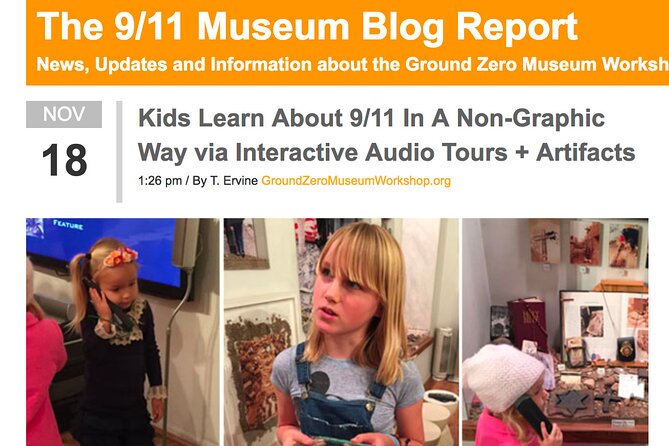
Also, the museum’s approach is non-graphic. It handles a tough subject with sensitivity, which is part of why it works for families and kids. You may feel emotional anyway—this is 9/11, after all—but you should not expect gore or graphic scenes.
The special audio setup: how Bose and the guide keep pace
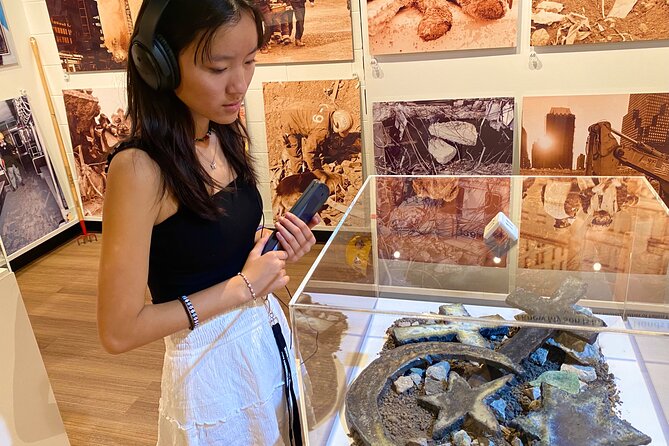
One of the strongest reasons people rate this tour highly is how it blends a guide with a structured audio experience. You get a BOSE Self-Guided Audio Tour in four languages, and the audio helps you move through the exhibits while still following the tour’s main thread.
Practically, that means you can:
- listen while you look,
- pause if something grabs you,
- and avoid the feeling of being rushed through.
This also helps families. If you’re traveling with kids, a listening-heavy museum can go sideways fast. Here, the audio format and the museum’s design keep attention on the story behind each piece rather than on shock value.
If your day includes a host guide such as Gary Marlon Suson—some visitors have been fortunate enough to meet him—then you’re likely to get extra clarity. He’s described as the only sanctioned photographer with access for the official photographs, which gives the images an authority that feels earned rather than borrowed.
Guided walkthrough plus a 15-minute video to set the timeline
The workshop includes a powerful 15-minute video, then transitions into the guided portion where you connect the visuals to the recovery story. The video isn’t there to replace the guide; it’s there to get your mind oriented.
That helps most people. September 11 is not one neat timeline. The recovery period, the search, the digging, and the way artifacts were discovered and preserved are their own story. When the museum gives you that timeline in advance, the photo details land better.
In my view, the value here is the combination: you do not just hear facts—you see images and then understand what you’re looking at and why it mattered.
The rare chance to hold World Trade Center materials (yes, really)
This is the one “wait, what?” feature that makes this workshop stand out from the bigger memorial experience.
You are allowed a rare opportunity to pick up and hold World Trade Center steel and window glass, and you can also photograph the exhibits. That level of hands-on access is unusual for museums, and it can create a very direct emotional impact. It turns the artifact from an object behind glass into something you’re literally holding, even briefly.
A few practical notes:
- Cameras are allowed for photography, but no videotaping is allowed.
- No phone calls, and no food or drink are permitted on tours.
- Backpacks and bags must be stored at the front of the museum during the tour for security and space reasons, and the museum states it’s safe.
If you’re deciding between this workshop and the main museum for one “9/11 time slot,” that artifact-handling moment is worth factoring in. It’s not a gimmick; it’s a powerful way to connect with the material reality of the recovery.


Logistics: finding the second-floor workshop and keeping your visit smooth
The address is 420 W 14th St, New York, NY 10014. The museum is described as being about five minutes from Ground Zero via the E train, but the bigger challenge is often just finding the place on the block.
A recurring theme from experiences is that signage outside can feel limited, and the venue is not obviously a large museum. It’s also a second-floor space, so give yourself a little buffer. I’d plan to arrive early rather than timing it like you’re catching a subway.
Once you’re inside, expect a calm setup:
- you’ll have seating
- there’s free water
- the group stays small
- and the visit is structured so you don’t feel like you’re wandering in silence for 90 minutes
If you’re the type who likes to “get oriented fast,” the guided component plus headset audio helps a lot. You spend less time guessing what matters.
Price and value: where $34.50 makes sense (and where it might not)
At $34.50 per person, this workshop is not cheap, but it also isn’t priced like a massive national attraction. For the money, you’re buying a few key things:
- a guided walk-through built around 100 images
- Bose self-guided audio in multiple languages
- access to a restricted artifact-handling opportunity
- a small-group format that doesn’t feel like a crowd-control exercise
- free water and seating
The workshop’s emotional power is real, and the storytelling workload looks high for the space. When it works for you, it feels like you get serious attention rather than a quick surface visit.
Where the price might feel hard to justify is if you expect the big, downtown memorial museum experience. This workshop is separate, and some people discover that only once they arrive. If what you want most is the memorial pools and the large museum site, you should treat this as a companion experience—not a substitute.
Families, kids, and the emotional tone: who it fits best
This is one of the rare 9/11-related experiences that’s explicitly described as kid-friendly. That does not mean it’s light. It means the content is handled carefully, with no graphic imagery, and with audio that can hold attention.
If you’re traveling with children, this kind of museum often succeeds when:
- you pick the right time of day (no one is on the edge of a meltdown),
- you explain simply what you’re doing beforehand,
- and you choose a pace that matches your kid’s attention span.
Also, because the museum is intimate, kids don’t feel like they’re lost in a huge maze of exhibits. The “small space, big story” format can work better than a massive gallery layout.
Couples also do well here, especially if you want something more personal than a large public museum crowd.
How this connects with the main 9/11 Memorial and Museum
You should know one key point up front: this workshop does NOT include admission to the 9/11 Memorial and Museum. It’s a separate experience with a separate focus.
Here’s a practical way to think about the difference:
- If you want the memorial site and its main museum collections, plan that separately.
- If you want the recovery dig angle—how artifacts were found, documented, and preserved—this workshop adds a unique layer.
Many people find that doing both makes the day feel less fragmented. You get remembrance at the memorial site, then you get the recovery perspective through the workshop’s photos, video, and artifacts.
Who should book this workshop (and who might skip it)
Book this if:
- you want a small-group experience rather than a crowded museum circuit
- you want guided storytelling plus Bose audio
- you’re interested in the recovery period and artifacts
- you like photography-based exhibitions, especially with context
- you’re traveling with kids who can handle a serious subject in a non-graphic setting
Consider skipping or rethinking if:
- you mainly want the big memorial museum experience and you’re tempted to treat this as the same place
- you dislike small indoor museums where the displays are concentrated into a tight footprint
- you prefer large-scale displays and don’t want to rely on audio to round out what you’re seeing
Should you book the Ground Zero Museum Workshop?
If you’re building a thoughtful 9/11 itinerary in New York, I think this workshop is a strong add-on. The combination of guided stories, Bose audio, and the rare artifact-handling moment gives it a kind of closeness that the larger memorial museum can’t replicate.
My advice: book it if you want recovery-focused remembrance and you can handle the emotional weight. Skip it if you’re arriving with the assumption it is the main 9/11 Memorial and Museum site. Once you understand it’s a separate workshop experience, the value clicks—and you’ll likely leave with a clearer picture of the recovery work that happened after the day itself.
FAQ
Is this the same as the 9/11 Memorial and Museum admission?
No. This workshop is a separate experience, and it does not include admission to the 9/11 Memorial and Museum.
How long is the Ground Zero Museum Workshop tour?
The tour runs about 1 hour 30 minutes on average. It includes a guided walk-through and an audio component.
What languages are available for the audio tour?
The included Bose self-guided audio tour is offered in four languages, and the experience is available in English. Spanish, French, and Italian are listed as included audio languages.
Can I take photos or use my camera?
Cameras and photography are allowed. Videotaping is not allowed, and phone calls are also not allowed during the tour. Food and drink are not allowed either.
Is the museum suitable for kids?
Yes. It’s described as family-friendly and non-graphic, and the audio guide is said to hold kids’ attention.
Can you really hold artifacts?
Yes. The experience includes a rare opportunity to pick up and hold World Trade Center steel and window glass, and you can also photograph the exhibits.