REVIEW · NEW YORK CITY
NYC: Express Highlights Tour of the MET Museum
Book on GetYourGuide →Operated by Walks - US · Bookable on GetYourGuide
The Met is huge; this tour makes it manageable. In just 2 hours, you get skip-the-ticket-line access and a small-group route through the museum’s biggest hits, with a guide who turns stop-by-stop viewing into actual stories. I especially like the mix of world-class art—Egyptian galleries to European paintings—and the way the guide tailors the pace and attention to what your group cares about.
The one drawback is that the Met changes day to day. Some galleries can be closed or unavailable, so your exact route can shift, and the whole experience moves fast because it’s built for highlights, not slow wandering.
In This Review
- Quick Picks: What Makes This Met Express Tour Work
- Why the Met Feels Different When You Have a 2-Hour Plan
- Priority Entry: Where You Actually Save Time
- Your Walk Through the Met’s Greatest Hits (What You’ll See)
- Egyptian Tombs and the Temple of Dendur
- Greek Statuary and the Big Ideas Behind Form
- European Masterpieces: Van Gogh, Monet, and More
- One Big Skill You Gain: How to Look Faster and Better
- Small Group Power: Why the Guide Matters More Than the Route
- What the 2 Hours Feels Like in Real Life
- Price and Value: Is $69 Reasonable for the Met Express?
- Accessibility and Day-of Reality (The Part You Should Know)
- Who Should Book This Met Highlights Tour
- Should You Book This Met Express Highlights Tour?
- FAQ
- FAQ
- How long is the Met Express Highlights Tour?
- Does the tour include a ticket to the Met?
- Is the tour a skip-the-line experience?
- What group size should I expect?
- Is the tour in English?
- Is the tour wheelchair accessible?
- Are meals included?
- What if galleries are closed on the day I go?
- Can I cancel and get a full refund?
Quick Picks: What Makes This Met Express Tour Work
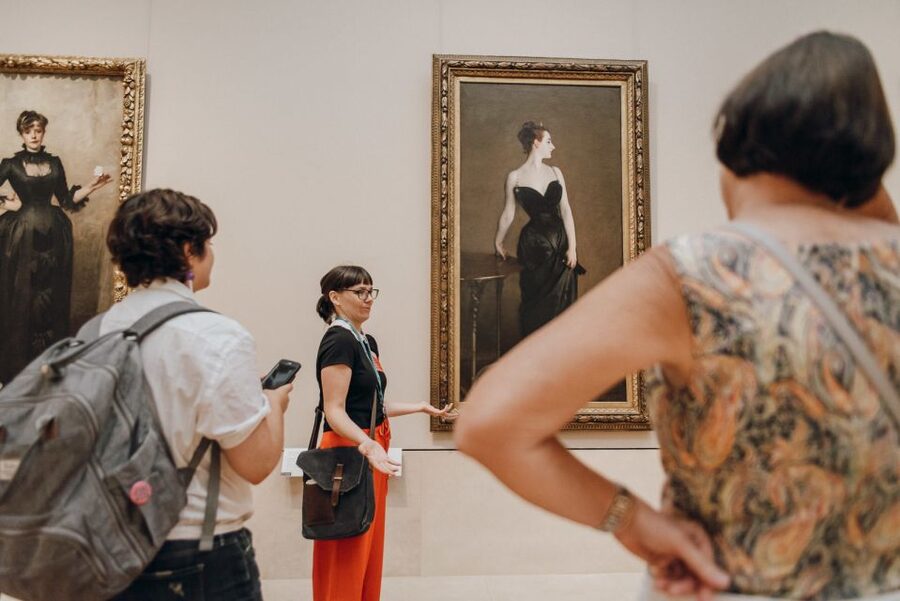
- Priority access cuts your waiting and helps you spend time looking, not queueing
- Small group (up to 15) means more back-and-forth questions and less getting lost
- Temple of Dendur and Egyptian mummies bring ancient history into a modern museum setting
- European masterworks like Van Gogh and Monet make the time feel well spent
- Personal, story-led guiding turns labels into context (the why, not just the what)
Why the Met Feels Different When You Have a 2-Hour Plan
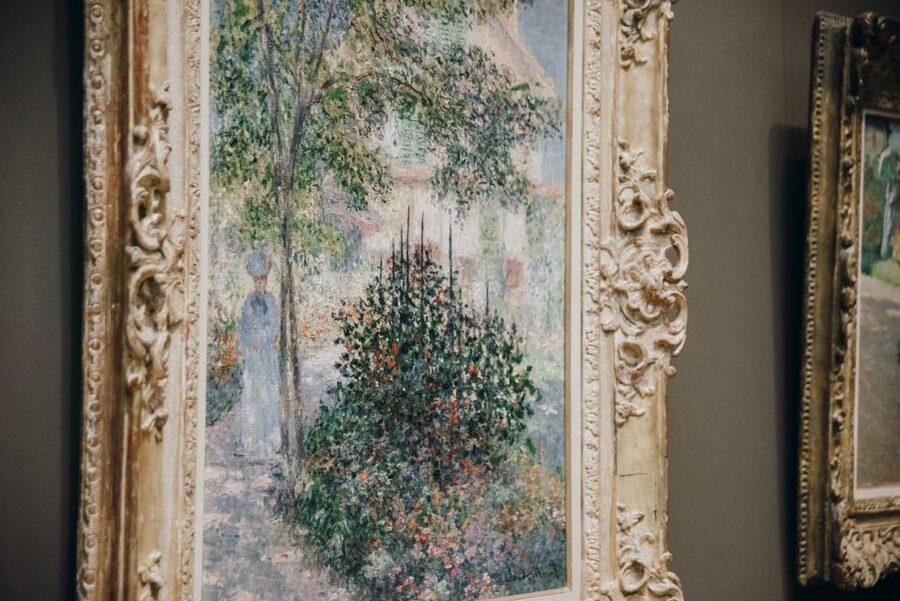
The Met can swallow a whole day. Even if you love museums, you can end up drifting: one room leads to another, and suddenly you’ve missed the one thing you came for. This Met highlights setup tackles that problem with a simple promise: you’ll see major masterpieces and signature galleries with an expert guide’s structure guiding your feet.
What makes it feel smart is the balance. You’re not just running through famous art like a checklist. You’re getting stories that help your brain “lock onto” what you’re seeing. Guides in this program often point out techniques, symbolism, and behind-the-scenes details—so you don’t just glance at a painting and move on.
And because the group stays small, the tour doesn’t feel like a crowded march. I like that you can react in real time. If your interests pull you toward sculpture, or if someone in your group wants more Egyptian context, the guide can steer attention where it matters.
You can also read our reviews of more museum experiences in New York City



Priority Entry: Where You Actually Save Time
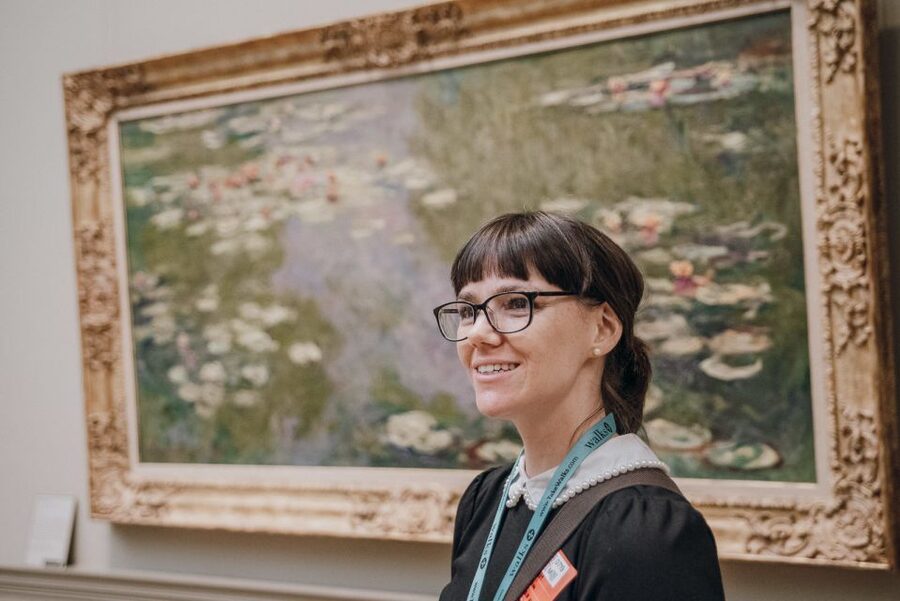
Skip-the-line access is the quiet hero here. The Met ticket line can eat into your limited sightseeing window, and in a 2-hour tour, time loss hurts more than you’d think.
By arranging entry in advance with priority ticket access, you’re more likely to start on schedule and keep momentum. That means less standing around and more time inside where the real payoff is: the galleries and artworks themselves.
Your Walk Through the Met’s Greatest Hits (What You’ll See)

This is a walking guided tour, built to hit major departments efficiently. You’ll move through a sequence of high-impact stops, with the guide explaining what you’re looking at and why it matters.
Some specific highlight areas are included in the experience description, with the possibility that a gallery could be modified on the day. That matters because the Met is a working museum—rooms can close, and collections can be temporarily absent.
Here’s the kind of route you’re signing up for.
Egyptian Tombs and the Temple of Dendur
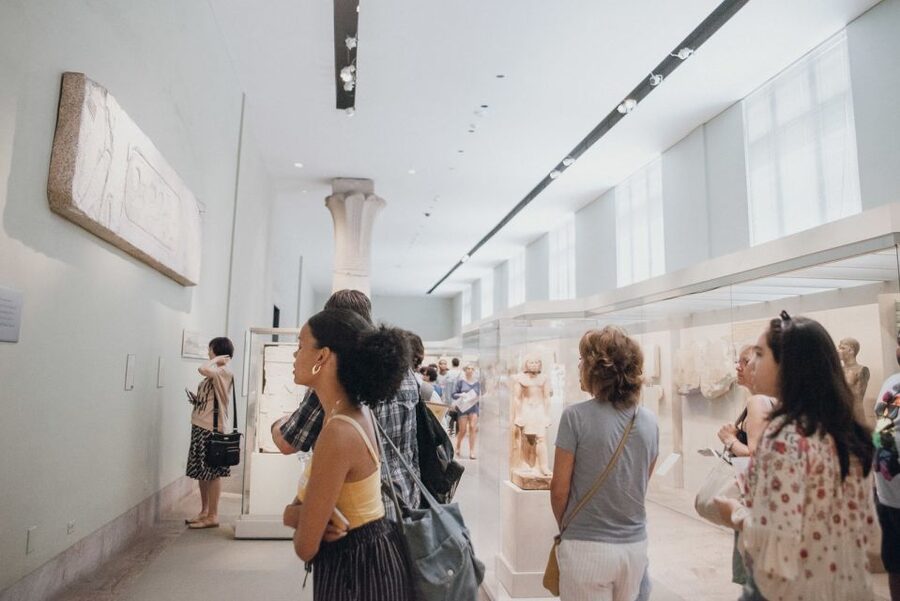
If you want one stop that instantly changes your sense of scale, it’s the Egyptian portion. You’re not just seeing artifacts; you’re walking into a story about how ancient objects ended up in New York.
The Temple of Dendur is the star draw people remember. It’s a rare-feeling space inside a massive museum—stone and light doing their own kind of magic while you learn how this temple came to be exhibited here. You’ll also hear about Egyptian tombs and mummies, with explanations that make the material feel less like distant archaeology and more like a human narrative: belief, preservation, and the intense symbolism behind burial practices.
A particularly useful angle is why the Met gets to keep Egyptian artifacts and temple material. Even if you’ve read bits online, a guide’s explanation helps connect policy, history, and museum stewardship into something you can actually understand while you’re standing in the gallery.
Greek Statuary and the Big Ideas Behind Form
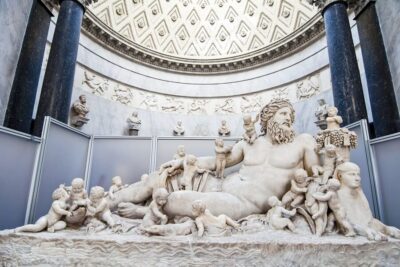
After Egypt, the tour often leans into classical Europe’s influence—especially sculpture and Greek works. This is where you’ll learn how to look at form. Instead of only admiring the surface, the guide shows you what to notice: proportions, pose, and how artists conveyed character and importance.
This part is especially good if you’ve ever felt like Greek sculpture is just nice to look at but hard to interpret. With the guide’s prompts, your eyes start doing useful work.






European Masterpieces: Van Gogh, Monet, and More
The European art stops are built around recognizability—Van Gogh and Monet are specifically called out—because it’s the fastest way to give your brain anchors. But the value isn’t the names. It’s the interpretation: why a brushstroke choice matters, what a composition is doing, and how you can connect a painting to the artist’s life and mindset.
From what I’ve seen in the way guides run this kind of tour, you’re not getting a textbook lecture. You get focused storytelling and small analysis that changes your viewing. That’s why even people who think they’re not art people often leave surprised.
If your group has teens or pre-teens, this section is a strong move. Several guides described in feedback have a way of making the art feel approachable rather than untouchable.
One Big Skill You Gain: How to Look Faster and Better
A hidden benefit of a highlight tour is that you learn how to look at more art, even after the tour ends. By the time you reach the European galleries, you’ll likely understand a few habits:
- slow down for the key visual details the guide points out
- connect the artwork to the artist’s choices
- ask better questions on your own
That means your remaining time in the Met can be more intentional. You’re not just following instinct; you’re using new “tools” you picked up during the tour.
Small Group Power: Why the Guide Matters More Than the Route
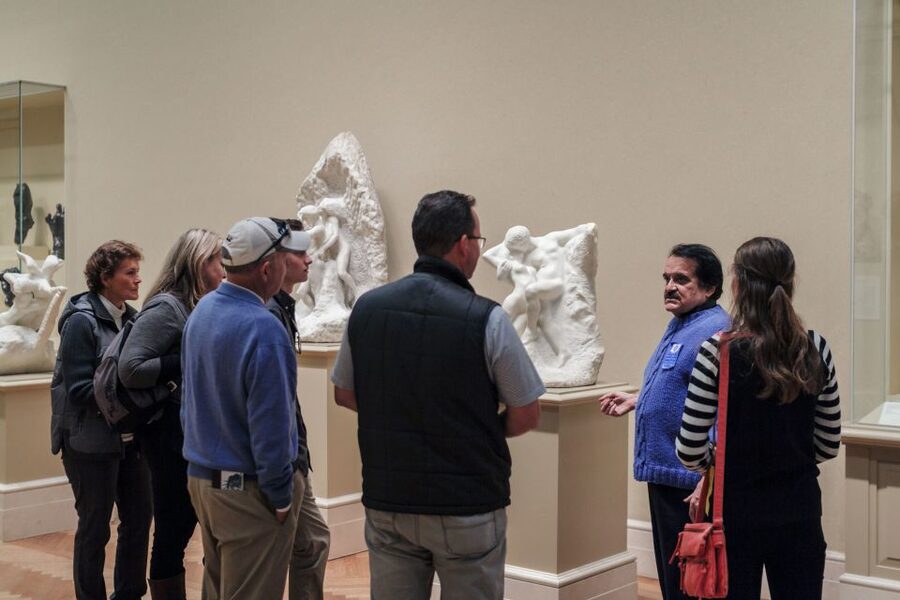
The Met is too big for a generic plan. The best part of this experience is the person holding the thread.
In the feedback tied to this tour, names like Phil, Stephane, Charlie, Ryan, Rob, Katherine, Kevin, Jett, Katie, John, and Roberta show up as guides who made the two hours feel personal. Some common themes repeat across many of those notes:
- Clear, strong voice: one older couple specifically praised how easy it was to hear the guide as they aged
- Engagement: guides kept people actively involved rather than letting the group go passive
- Preference-sensitive pacing: one guide took interests into account and even made a detour to show something special after hearing a personal detail
- Helpful next steps: several guides pointed out where to go after the tour, and a few helped with lunch navigation when people had trouble finding places
That last one is practical. The Met doesn’t just require stamina—it requires direction. When the guide helps you orient yourself afterward, you’re getting value that lasts beyond the 2-hour window.
What the 2 Hours Feels Like in Real Life
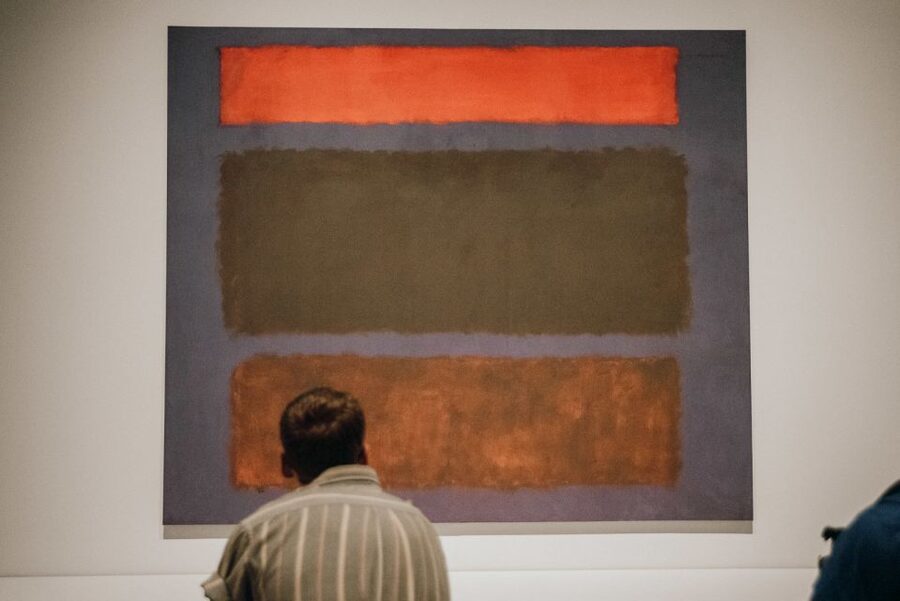
Think of this tour as a fast, high-contrast sampler. You’ll see major artworks, but you won’t have time for long, quiet study of everything. That’s the trade.
The upside: you leave with strong memories and a sense of the museum’s structure. The Met becomes less of a blur. You start connecting departments and understanding how the museum tells its stories across centuries.
Also, the pace is designed for moderate walking at a steady level. If you want a slow, gallery-by-gallery museum day, this isn’t that. If you want a smart introduction and a “see the best first” plan, it’s a good match.
Price and Value: Is $69 Reasonable for the Met Express?
At $69 per person for a 2-hour guided experience, the value depends on one thing: how much your time is worth.
Here’s why it can feel like a deal:
- you get priority ticket access, which is often where time disappears
- you get a guided route through the museum’s most iconic stops
- you get commentary that helps you actually understand what you’re seeing
- you keep the group small, which typically means you’re not paying for a cattle-train tour
This also includes a pre-arranged Met ticket with a donation included, plus the guide. Since the Met is free to wander on your own, the pricing question becomes: are you paying extra to buy clarity and speed? In most cases, yes—and for a lot of people, that’s money well spent.
If you already know the museum well and you love designing your own day, you may prefer to go solo. But if you’re short on time or you want the museum to feel understandable quickly, this is priced like an efficiency tool.
Accessibility and Day-of Reality (The Part You Should Know)
This tour is wheelchair accessible, but there’s a specific instruction: wheelchair access into the museum uses an entry to the left of the main entrance while facing it, where there’s a ground-level entrance. You’ll need to inform staff you’re meeting a tour group in the main lobby.
Also, galleries and artwork can be subject to closures or absences without notice. That means your guide may modify what you see. This isn’t a failure of the tour—it’s reality. Still, it’s why you should go in with flexible expectations. Your best bet is to focus on the big themes you want: Egypt, classical form, and major European painting.
Who Should Book This Met Highlights Tour
This is a strong fit if:
- you’re visiting the Met for the first time and want a guided hit list
- you have limited time in New York and want maximum art per hour
- you’d rather spend your energy looking than figuring out where to go
- you like your museum time with stories, context, and analysis
- you’re traveling with mixed ages, including teens who need momentum and variety
It’s less ideal if:
- you want slow, deep study of a few masterpieces
- you plan to spend most of the day reading labels and wandering without guidance
- your mobility is limited and you prefer a seated or minimal-walking format (this is a walking tour at a moderate pace)
Should You Book This Met Express Highlights Tour?
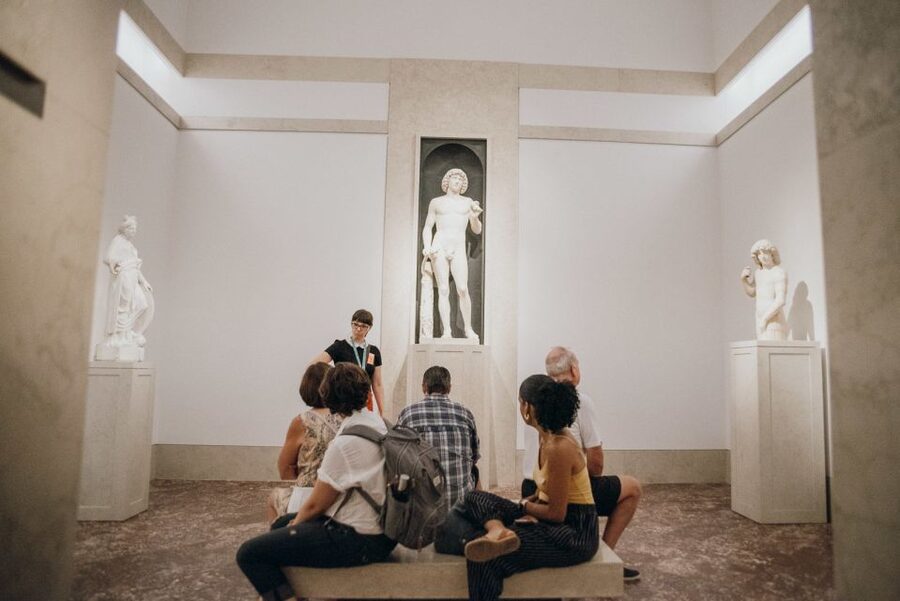
Yes, if your goal is to see the Met’s most famous art with less friction and come out with a clearer understanding of what you just saw. This tour’s greatest strength is the way it turns a giant museum into a coherent experience in just two hours—especially through the guide’s storytelling and attention to how the group responds.
If you can swing one guided session at the Met, this is a smart one to choose. Book it if you want your first impression to be structured, efficient, and genuinely interesting—then use the rest of your time to return to the sections that stuck with you.
FAQ
FAQ
How long is the Met Express Highlights Tour?
It runs for 2 hours.
Does the tour include a ticket to the Met?
Yes. A pre-arranged museum ticket is included, and the donation is included as part of that ticket.
Is the tour a skip-the-line experience?
Yes. It includes skip the ticket line with priority access.
What group size should I expect?
The tour is designed for small groups, with a maximum of 15 guests.
Is the tour in English?
Yes, the live tour guide provides the experience in English.
Is the tour wheelchair accessible?
Yes. Wheelchair access into the museum uses an entry to the left of the main entrance while facing it (ground level). You should inform staff you are meeting the tour group in the main lobby.
Are meals included?
No. Food and drinks are not included.
What if galleries are closed on the day I go?
Galleries and artwork visited during the tour can be subject to closure or absences without prior notice, and your guide may modify the route.
Can I cancel and get a full refund?
You can cancel up to 24 hours in advance for a full refund.