REVIEW · ROME
Small-Group Pasta Making steps from the Vatican Museums
Book on Viator →Operated by Rome Cooking Class · Bookable on Viator
Pasta class beats another Vatican photo stop. This one works because it pairs small-group attention with a warm, social start—sparkling wine and nibbles—and then you get hands-on with fresh pasta. The setting is also very close to St. Peter’s, in a historic-feeling kitchen space. One watch-out: for the price, you may want more time doing every step yourself, since some parts (like sauce/finishing) can be more hosted than student-led.
You can pick a lunch or dinner slot, so it fits around your Vatican morning without turning your day into a logistics puzzle. Expect a mix of practical pasta skills and Roman food ideas, including classics like Amatriciana, Cacio e Pepe, and Carbonara, plus what you actually make and eat at the end.
Plan for a 3-hour experience in English for up to 8 travelers, with the class wrapping up back where you started at Borgo Angelico. If you want a very relaxed, social meal break plus a real cooking payoff, this format usually lands well.
Key highlights at a glance
- Max 8 people for better instructor attention and fewer awkward waiting turns
- Sparkling wine and nibbles right at the start, in a cozy kitchen setting
- Two menu tracks so you can choose lunch or dinner based on your Rome rhythm
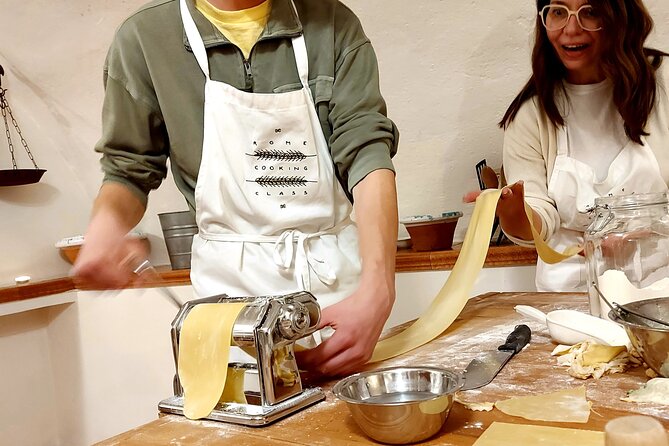
- You make and eat fresh pasta, not just watch a demo
- Roman favorites are part of the lesson, including Amatriciana themes
- Steps from St. Peter’s area with a short walk from public-transport options
In This Review
- Right by the Vatican: meeting at Borgo Angelico without stress
- The kitchen setting: historic atmosphere meets real cooking
- What you’ll actually make: ravioli, fettuccine, and Roman classics
- How the 3 hours tends to feel: wine start, aprons on, then plates
- Star dishes and starter-to-dessert rhythm
- Price and value: what $96.12 buys you in Rome
- The host factor: Romina’s teaching style and group energy
- Lunch or dinner: how to choose the right slot
- Who should book this pasta class?
- Practical tips before you go
- Should you book this Vatican-area pasta making class?
- FAQ
- How long is the pasta making experience?
- Where does the class start?
- How many people are in the class?
- Is the experience offered in English?
- What food is included?
- Is there free cancellation?
Right by the Vatican: meeting at Borgo Angelico without stress
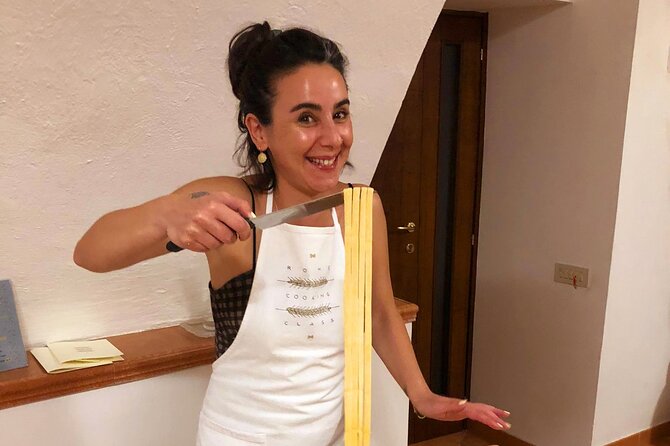
Meeting at Borgo Angelico (00193 Roma RM) keeps this class practical. You’re not trapped in the far edges of Rome just to cook dinner. It’s also a smart buffer if you’re already doing Vatican Museums that day—you can turn your “walking break” into something with a clear payoff.
The class ends back at the meeting point, which matters more than people think. In Rome, the fastest route home is often the one you already know. This avoids the typical end-of-tour scramble.
Two other small advantages help here. First, it’s near public transportation, so you’re not stuck with a taxi-only plan. Second, it’s in English, which makes the cooking instruction feel more usable—not like you’re watching culinary theater.
The kitchen setting: historic atmosphere meets real cooking
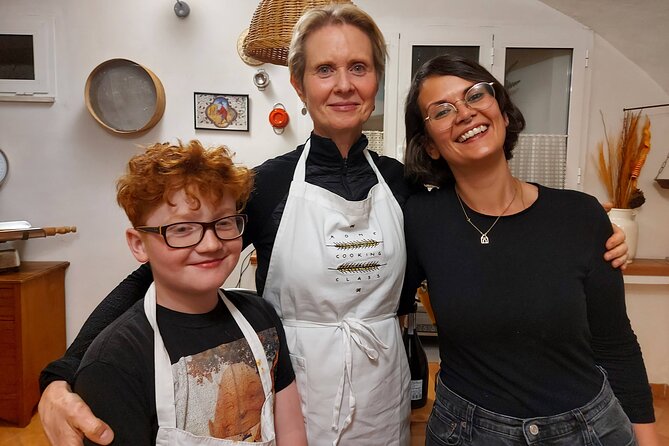
The location is described as a kitchen with real historical value—steps from St. Peter’s Basilica and once connected to the Vatican granary. Even if you don’t get a museum-style lecture, that context changes the mood. You’re in Rome for pasta, but you’re doing it in a place that feels like it belongs to the city’s story, not a generic cooking studio in a commercial strip.
In the reviews, the kitchen workshop comes across as cozy and welcoming, with a host who brings energy without rushing the class. That matters for pasta, which tends to punish impatience. If you’re trying to learn something physical—rolling, shaping, timing—comfort and patience from the instructor are not “extras.” They’re the difference between learning and feeling lost.
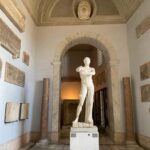
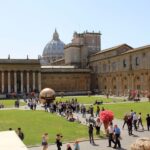
You can also read our reviews of more museum experiences in Rome
What you’ll actually make: ravioli, fettuccine, and Roman classics
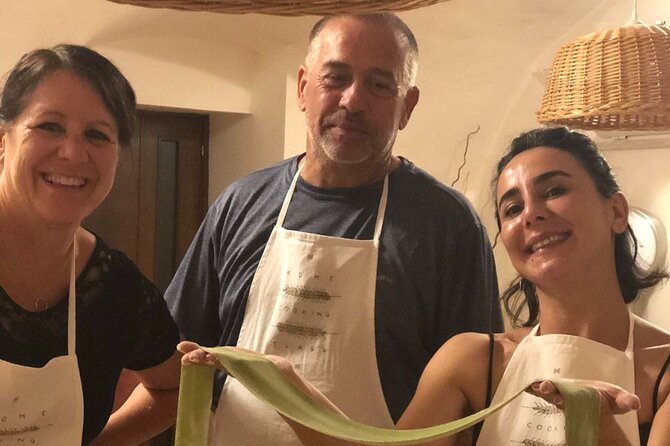
This experience is built around learning fresh homemade pasta and then eating it. Your menu is a mix of pasta mains, a starter, and dessert, with options that can fit different schedules.
Here’s the sample menu you should look for when you book:
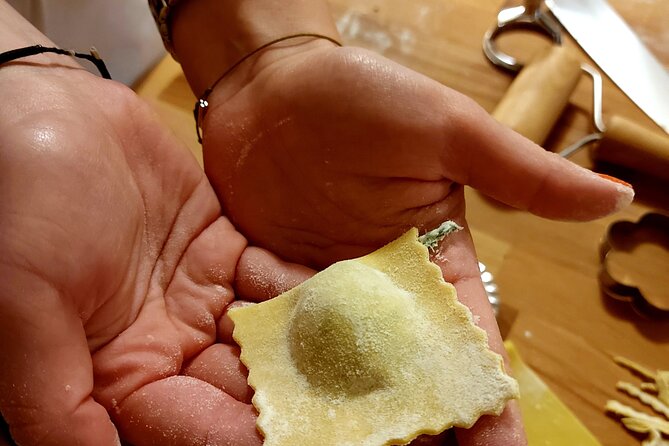
- Green ravioli filled with ricotta, pecorino, and lemon zest, served with fresh cherry tomato sauce and basil
- Homemade fettuccine served with Amatriciana sauce
- Bruschetta with cheese, roast peppers, and olives
- Dessert choices: tiramisù or strawberries and cream
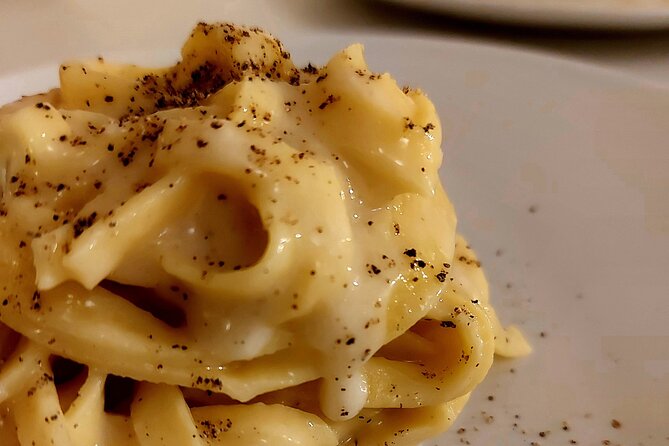
The lesson also references traditional Roman dishes like Amatriciana, Cacio e Pepe, and Carbonara. Even when your exact plate is ravioli and fettuccine, that Roman focus gives your meal a stronger sense of place. You’re not just learning pasta as a universal technique; you’re connecting it to what people actually order in Rome.
One practical note for expectations: while you do get hands-on with the pasta, the class isn’t positioned as a full, from-scratch workflow where students do every single cooking step. A review flagged that about the experience, specifically that only part of the process feels student-led while other parts can be prepared or finished by the host. If your dream class is a strict watch-me-then-you-do-everything style, go in with open eyes.
How the 3 hours tends to feel: wine start, aprons on, then plates
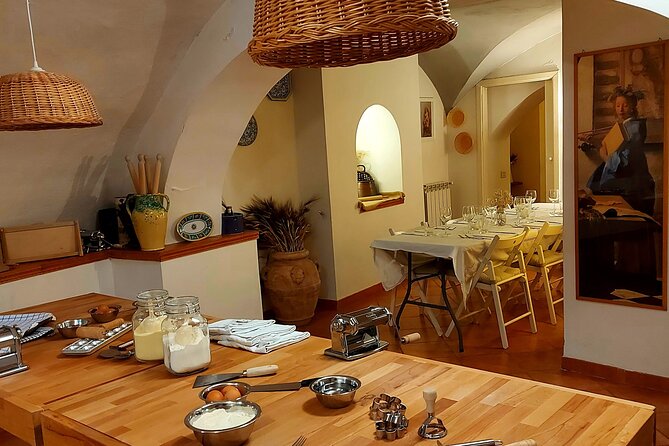
The flow is designed for fun and momentum. You start with a warm welcome—sparkling wine and nibbles—then you put on aprons and get to the work. That opener isn’t just a perk. It helps you settle in quickly, especially if you’re combining this class with a big day at the Vatican.
From there, you’ll learn pasta-making techniques with guidance from the chef/host. The experience promises one-on-one guidance, useful tips, and historical insights along the way. That mix is a good sign for value: pasta skills are practical, tips help you repeat at home, and the Rome-food context gives the meal meaning.
Then you eat. The wrap-up is part of the experience, not an afterthought. You’ll enjoy what you made, paired with selected local wine, and you’ll get time to relax with the group.
If you’re the kind of traveler who gets impatient during demonstrations, keep one thing in mind. This isn’t advertised as a nonstop hands-on workshop. It’s a guided lesson with learning and watching together at times. For most people, that balance is exactly what makes it enjoyable. For a few, it may feel like “intro” pasta rather than a full production class.
Star dishes and starter-to-dessert rhythm
The menu is structured in a way that keeps you moving through flavors. You start with bruschetta that brings savory, melty comfort, with cheese, roast peppers, and olives. Then come the pasta mains—ravioli for a filled, more delicate experience, and fettuccine for a classic, satisfying texture.
Finally, dessert closes the loop. You either get tiramisù (a Rome-and-Italy favorite) or strawberries and cream. Dessert choices like that make the class feel flexible without turning it into a random substitution. It also helps if you’re deciding between lunch and dinner, since dessert feels like a true finish either way.
And since the class includes wine pairing, the meal feels complete instead of like you’re just sampling food between activities.
Price and value: what $96.12 buys you in Rome
At $96.12 per person for about 3 hours, you’re paying for three things at once:
- Instruction in making fresh pasta
- A full sit-down-style food experience (starter, mains, dessert)
- A drink component (sparkling wine at the start, local wine pairing with your meal)
In Rome terms, that’s not “cheap,” but it’s also not in the realm of overly priced cooking theater where you mostly watch. The small-group limit of 8 travelers is part of the value equation. With fewer people, your instructor can correct, encourage, and keep you from falling behind.
That said, there is one fairness point. A critic of the class felt it wasn’t hands-on enough for the price, estimating only about 25 minutes hands-on and the rest more listening/watching. They also wished the class did more from-scratch steps, like making the sauces step-by-step together. So the value depends on what you personally want from a cooking class: if you want full process control, you might feel shorted.
If you want a great meal near St. Peter’s plus a friendly pasta skill you can recreate at home, this tends to look like a strong trade.

The host factor: Romina’s teaching style and group energy
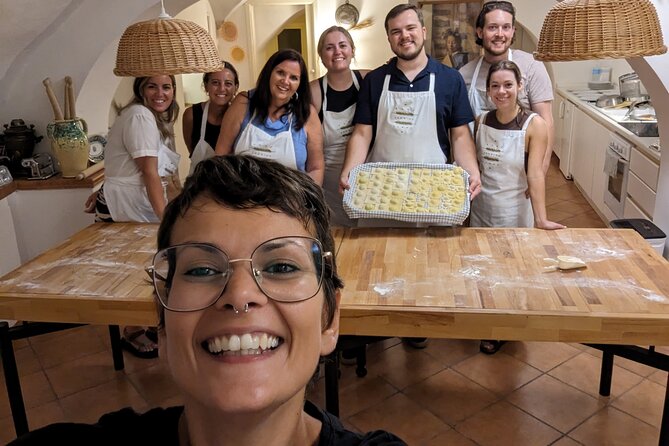
The name that keeps showing up is Romina. In the feedback, she’s described as fun, gracious, patient, and tuned into teaching. That “patient” piece is huge. Pasta is one of those skills where small mistakes happen—dough too sticky, rolling too thick, timing off—and the instructor’s tone can turn a stumble into learning instead of frustration.
There’s also a strong sense that the class atmosphere is playful. People mention laughs and a cozy, welcoming workshop vibe. That matters if you’re traveling with a partner, making a day out of Rome, or bringing kids. One review specifically called out that their kids considered it the favorite meal during the trip, which tells you the experience can feel lively and approachable—not just technical.
If you’re a solo traveler or want to meet people, a small class of up to 8 is usually the right size. You’ll interact enough to feel social, but it won’t turn into a crowd.
Lunch or dinner: how to choose the right slot
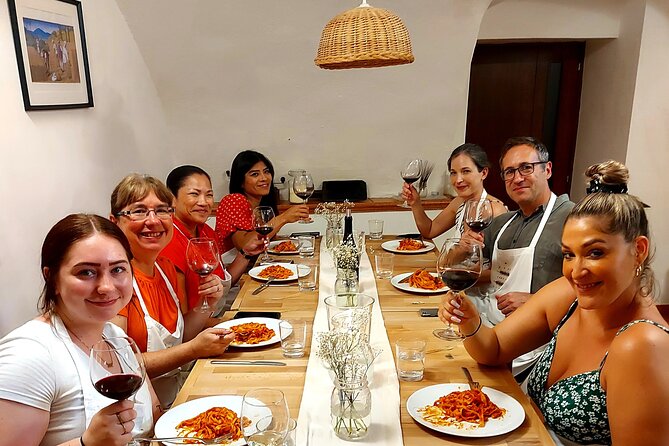
You can choose either lunch or dinner. Here’s how I’d decide based on Rome rhythm:
- If you’re doing Vatican Museums earlier in the day, a lunch class can be a reset. It turns the midday hunger into a planned break with structure and good food.
- If you want something that feels like a proper night activity, the dinner class works as your main “Rome meal” moment, with wine and dessert as the finale.
Because the lesson runs around 3 hours, you’ll want to keep a bit of breathing room before and after—especially if you’re walking from Vatican-area sights. You don’t want to book this so close to another timed ticket that you’re sprinting.
Who should book this pasta class?
This one fits best if you’re:
- A food-first traveler who wants a hands-on Rome lesson
- Looking for a break between major Vatican-area sights
- Traveling as a couple, family, or small group and want a friendly atmosphere
- Interested in Roman classics and want to learn them through cooking, not just ordering
It may not be the best fit if:
- You expect a highly technical class where you make every element from scratch
- You get restless when you’re watching portions of the process rather than doing every step continuously
- You want a recipe booklet that clearly covers every dish with equal depth (one review noted the booklet didn’t include both pasta dishes made)
Practical tips before you go
- Wear something comfortable. You’ll be rolling and shaping pasta, and you’ll be in a kitchen setting.
- Plan it like a meal, not a quick snack. You’ll likely end up satisfied because the class includes starter, pasta mains, dessert, and wine.
- If you have dietary restrictions, you should contact the provider ahead of time. The menu options listed don’t specify alternatives for allergies or dietary needs.
Should you book this Vatican-area pasta making class?
If your goal is a great Rome meal plus fresh pasta skills in a small group near the Vatican, I think this is a smart booking. The strongest selling points are the location, the small group size, and the fact that you end up eating what you make with wine pairing, not just leaving with a skill and an empty stomach.
I’d book it with confidence if you want an upbeat class led by Romina, where you learn, laugh, and walk away with a practical pasta-making experience you can repeat at home. I’d hesitate only if you’re the kind of learner who expects every sauce and finishing step to be made step-by-step by the students during the lesson.
Overall, for the location and what’s included, it’s a solid way to turn a Vatican day into a food memory.
FAQ
How long is the pasta making experience?
The experience is about 3 hours.
Where does the class start?
It starts at Borgo Angelico, 00193 Roma RM, Italy.
How many people are in the class?
The class has a maximum of 8 travelers.
Is the experience offered in English?
Yes, it is offered in English.
What food is included?
A starter, two pasta mains (including green ravioli and homemade fettuccine), and dessert are included, along with sparkling wine at the start and local wine pairing with the meal.
Is there free cancellation?
Yes. You can cancel up to 24 hours in advance for a full refund.