REVIEW · PARIS
Paris: 2-Hour Orsay Museum Masterpieces Guided Tour
Book on Viator →Operated by City Wonders Ltd · Bookable on Viator
Two hours in Orsay can feel like a sprint with a plan. This guided tour helps you hit the right highlights fast, with an expert art historian and headsets so the story stays audible through the galleries. You’re not wandering randomly; you’re moving with purpose.
I especially like that entry is prebooked, so you’re not stuck sorting tickets while the museum fills up. I also like how the guide connects the painters to the paintings—Impressionism is explained through what artists did (like individual brushstrokes) and why people at the time found it controversial. Guides such as Hamish, Laurent, Anaïs, and Christina have been praised for making the art click without rushing you.
One thing to consider: the experience depends on sound quality and guide delivery. A few guests reported issues hearing the guide even with headsets, so if audio is a big concern for you, plan to speak up quickly at the start if volume or clarity is off.
In This Review
- Key Highlights
- Two Hours in Orsay: What This Tour Is Really Good At
- Prebooked Entry: Why It’s Worth Paying for
- The Impressionist Story You’ll Follow (And Why It Helps)
- Stop 1 at Musée d’Orsay: The Highlights Route Inside
- The biggest payoff
- Pacing, Headsets, and Group Size: How It Feels in Real Life
- One realistic risk
- Meeting Point Reality: Start Smart at 5 Rue de la Légion d’Honneur
- Price and Value: Is $71.20 a Good Deal?
- When This Tour Works Best (And When It Might Not)
- My Booking Advice: Should You Choose This Orsay Tour?
- FAQ
- How long is the Musée d’Orsay guided tour?
- What is included in the price?
- Is the tour in English?
- Where do I meet the guide, and where does it end?
- How big is the group?
- Can I cancel for free?
Key Highlights
- Prebooked Musée d’Orsay entry to keep your time on track
- English-speaking art historian guide focused on the museum’s best moments
- Headsets when needed for hearing the commentary in busy rooms
- A fast path through Impressionism using key works like Renoir and Van Gogh
- Small-group options with overall capacity capped (check your selected option)
- Works plus context: brushwork, critics, and the artists’ lives
Two Hours in Orsay: What This Tour Is Really Good At
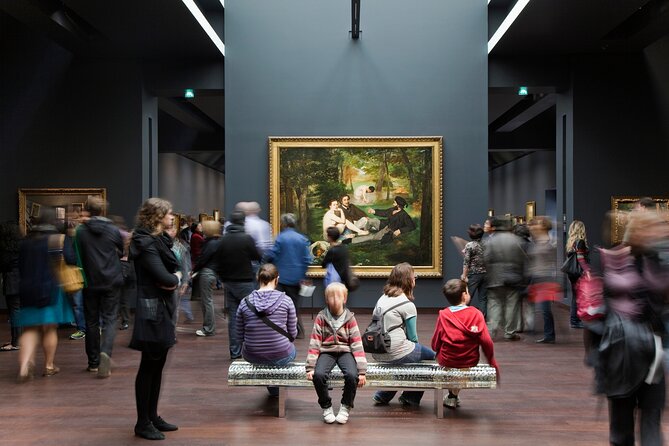
The Musée d’Orsay is one of those places that can overwhelm you fast. You walk in for the famous paintings and suddenly you’re staring at angles of light, sculpture, and a whole timeline of French art. This tour helps you do the smart thing: see a focused set of masterpieces and understand what you’re looking at while you’re looking at it.
You get an expert guide and headset support, which matters because Orsay can get loud. You also get structure. In two hours, that structure is the difference between feeling impressed and feeling oriented.
If you want a museum day that doesn’t turn into a stressful scavenger hunt, this is a strong fit.
You can also read our reviews of more guided tours in Paris



Prebooked Entry: Why It’s Worth Paying for
Orsay is popular, and the queue can soak up the time you’d rather spend inside. This tour includes the entrance ticket plus a reservation fee, so you’re effectively buying time back. Even if the rest of your Paris day runs a little late, prebooking lowers the risk that you’ll miss the start or waste energy waiting.
This also helps if you’re doing a tight schedule around other stops in Paris. When your visit is booked, you can plan dinner and nearby walking routes with more confidence.
And yes, you still might want to arrive early. Meeting points can be confusing in a packed entrance area, and you don’t want your trip to hinge on minute-by-minute timing.
The Impressionist Story You’ll Follow (And Why It Helps)
What makes this tour more than a highlight reel is the way the guide teaches the art like a story. Impressionism here isn’t just a style label. It’s shown as a set of choices: how artists built light, how they handled color, and why their brushwork upset people who expected a different finish.
That context changes how you see the paintings. When you understand that some techniques were criticized at the time, famous works stop feeling like museum “postcards” and start feeling like visual arguments.
You’ll also connect Impressionism to French life and place. The tour’s framing includes specific examples like:
- Renoir’s Dance at Le Moulin de la Galette, tied to a typical Sunday in Montmartre
- Degas and Monet as major players in the movement
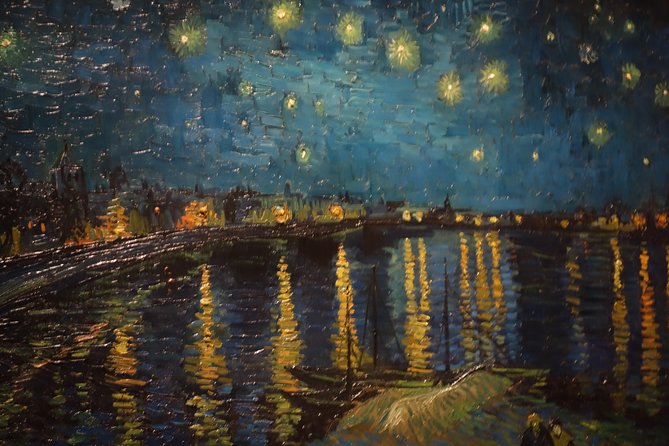
- Van Gogh’s Starry Night, presented as a representation of Arles and the Rhône view
Those details give you hooks to remember, and they also guide your eye while you’re standing in front of the canvas.
Stop 1 at Musée d’Orsay: The Highlights Route Inside
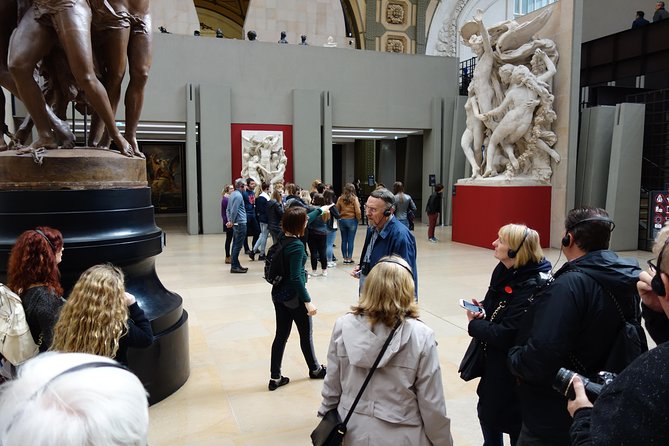
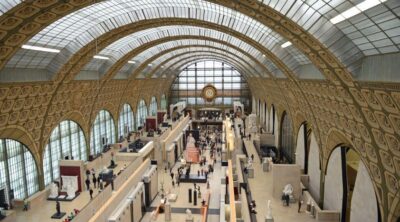
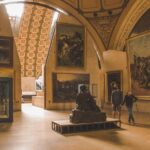
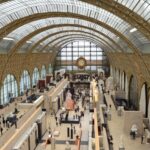
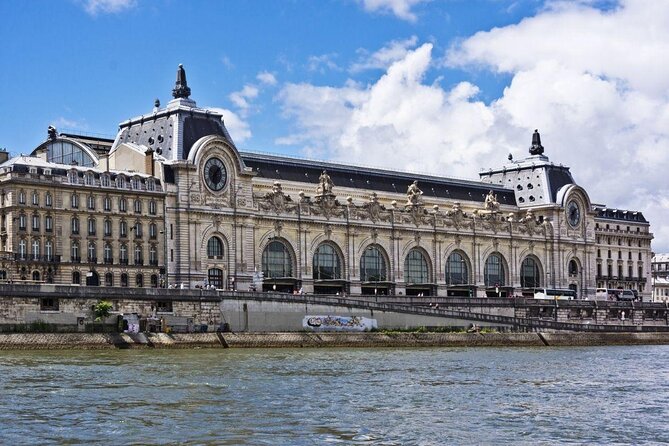
The tour’s itinerary is one big stop: Musée d’Orsay. That sounds simple, but it’s actually where the value is. Orsay has a huge collection, so the guide’s job is to choose the most meaningful pieces and the most efficient path between them.
Here’s what you can expect the tour to focus on once you’re inside:
- Impressionist painting, including the museum’s standout collection and the look-at-the-details moments (like visible brushstrokes)
- French painters such as Renoir, Degas, and Monet, explained through their artistic goals and subject matter
- The way the tour connects famous works to real settings, like Montmartre Sundays and the feel of Arles
- A sense of the larger period, with mention of major names beyond the pure Impressionist core—so you’re not stuck seeing only one type of painting
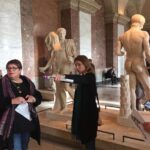
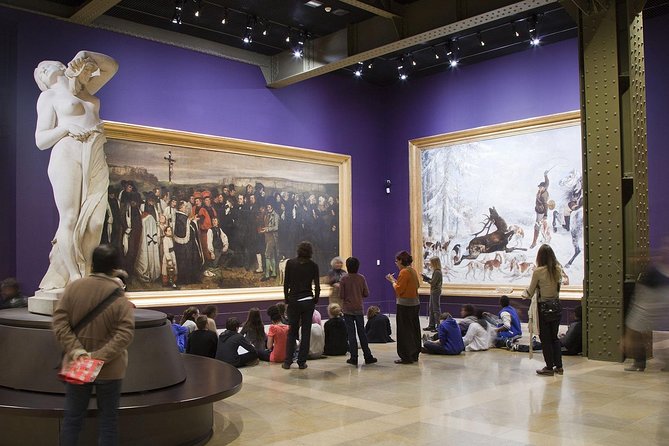
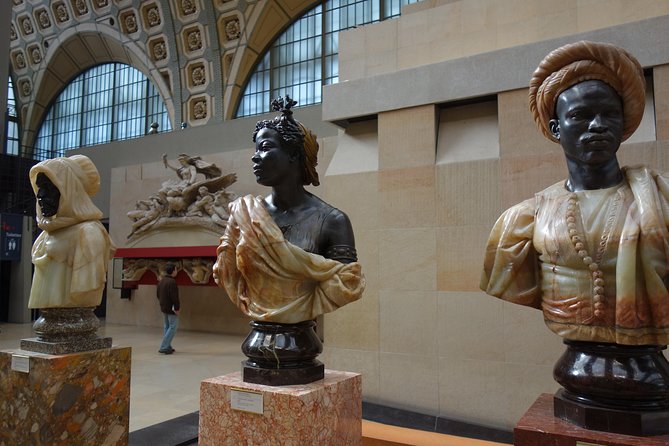
Some guests also noted that the tour covers paintings and sculptures. Orsay is known for both, so if you like variety, you’ll likely appreciate that the guide isn’t painting by numbers.
The biggest payoff
You leave with a clearer “map” of how French art developed in the late 1800s. In a museum this large, that map matters more than ticking off titles.
You can also read our reviews of more museum experiences in Paris




Pacing, Headsets, and Group Size: How It Feels in Real Life
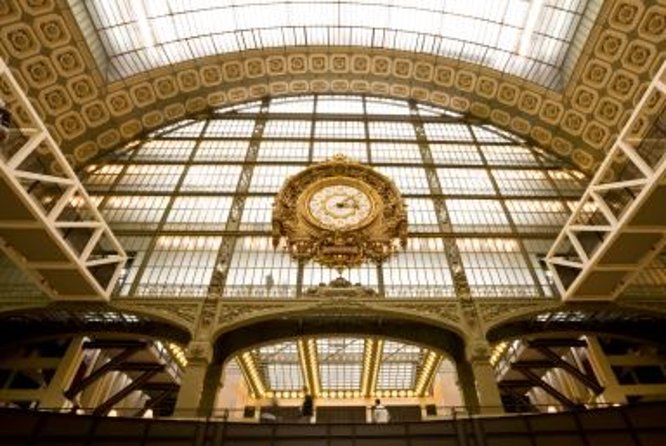
This tour runs about 2 hours, and it includes headset support when necessary. That’s a big deal in Orsay because gallery spacing and crowds can make it hard to hear. If your guide uses the headsets well, you can actually enjoy the paintings instead of constantly turning your head to find sound.
The group size is also part of the experience. The operator lists small-group options (including a group of 6 or fewer when selected, and a larger capped option when selected). The overall activity is capped at a maximum of 20 travelers, which helps keep things from turning into a wandering crowd.
What I’d suggest for your expectations:
- Plan for some time at the start for meeting and distributing equipment
- Expect the guided route to feel brisk, because the highlight set is intentionally focused
- If the pace feels fast, ask a question early—guides often slow down right after a key stop when they see the group needs it
One realistic risk
A small number of people reported hearing problems, including low voice volume or headset audio issues. If you’re hard of hearing or sensitive to audio quality, arrive calm, put the headset on right away, and ask the guide or staff to adjust volume if it’s not working. Don’t wait until the tour is halfway done.
Meeting Point Reality: Start Smart at 5 Rue de la Légion d’Honneur
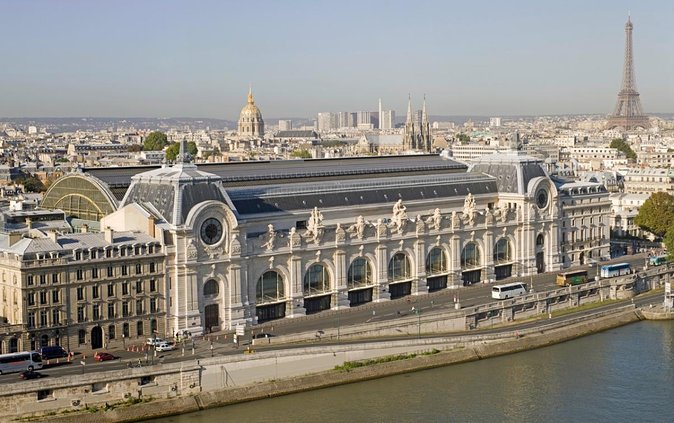
The meeting point is 5 Rue de la Légion d’Honneur, 75007 Paris, France. The tour ends at the Musée d’Orsay Esplanade Valéry Giscard d’Estaing area.
This kind of tour lives or dies on your ability to find the guide at the start. One guest flagged that the meeting location instructions can feel vague in a crowded entrance area. The practical takeaway: give yourself extra buffer time and arrive early enough to look around calmly.
A good tactic:
- Check your confirmation details for any visual cues
- Stand in the meeting area with an eye out for the group
- If you’re unsure, ask staff or nearby tour groups for guidance on where the meeting cluster forms
Once you’re inside, you’re in a much better situation. The museum route and the headset system make the rest smoother.
Price and Value: Is $71.20 a Good Deal?
At $71.20 per person, this tour is not a budget item—but it is spending with purpose.
Here’s what you’re paying for, beyond the guide:
- Admission ticket included (plus the reservation fee)
- Headsets when needed
- A focused highlights route designed to make your limited time count
- English commentary from an art historian style guide
If you were visiting independently, you’d still pay entry and you’d still have to solve the “what should I look at first?” problem. For two hours, this tour gives you a ready-made order of operations and interpretive context.
Where you might question the value:
- If you already know Orsay well and just want time to wander at your own pace
- If you strongly dislike group settings or worry about hearing the guide in crowded rooms
But if you want structure and clarity, the cost starts to feel reasonable fast.
When This Tour Works Best (And When It Might Not)
This tour is a great match for:
- First-timers to Orsay who want the big Impressionist moments with context
- People who like art history explained simply, not like a textbook
- Anyone who wants to avoid getting stuck in a crowd without a plan
It may not be the best match for you if:
- You expect a super-detailed, artwork-by-artwork deep study of everything in the museum
- You’re very sensitive to headset audio or you’re afraid you won’t be able to hear clearly
- You want unstructured wandering time more than you want a guided “story route”
One more nuance: some guests felt the museum was bigger than they expected, and no 2-hour plan can cover it all. This tour does not try to do everything. It tries to do the important parts well.
My Booking Advice: Should You Choose This Orsay Tour?
I’d book this tour if you want an efficient Orsay visit with strong guidance, especially if you’re paying for museum time rather than spending it lost in the halls. The best version of the experience is when the guide keeps you moving between major Impressionist works and gives you clear reasons for what you’re seeing—brushstrokes, subject choices, and the cultural reactions to new styles.
I’d think twice if you:
- Need guaranteed top-tier sound (since a few people reported audio/hearing issues)
- Are the type who likes to go at your own pace with no group structure
One last practical note: check your timing and plan to be there early. The tour ends inside the Orsay area, but your start point is an outdoor street address. Getting that right makes the rest of your day feel easy.
FAQ
How long is the Musée d’Orsay guided tour?
It runs for about 2 hours.
What is included in the price?
The tour includes an expert English-speaking guide, your Musée d’Orsay entrance ticket and reservation fee, and headsets when necessary. Food and drinks are not included.
Is the tour in English?
Yes, it’s offered in English.
Where do I meet the guide, and where does it end?
You meet at 5 Rue de la Légion d’Honneur, 75007 Paris, France. The tour ends at the Musée d’Orsay Esplanade Valéry Giscard d’Estaing area.
How big is the group?
This experience has a maximum of 20 travelers. There are also options that list smaller group sizes (such as 6 people or fewer, depending on the option selected).
Can I cancel for free?
Yes. You can cancel up to 24 hours in advance for a full refund.