REVIEW · VIENNA
Vienna: Klimt Villa (Gustav Klimt Atelier & Museum) Ticket
Book on GetYourGuide →Operated by Klimt Villa · Bookable on GetYourGuide
A small villa, big Klimt meaning. The Klimt Villa (Gustav Klimt Atelier & Museum) is a focused Vienna visit where you walk through Klimt’s working space, then face the harder story behind his collectors in the Klimt Lost exhibition. You also get a restored garden with the famous Klimt rose bushes, plus an included smartphone guide that keeps the story clear.
What I like most is the way the ticket covers real access: Klimt’s reconstructed final studio and the room-in-room setup that preserves the artist’s original working location feel different from most museum rooms. I also like the contrast between beauty and accountability, especially in Klimt Lost, which looks at persecution and looting during National Socialism and the long push for restitution.
One thing to keep in mind: this is a compact stop. It’s extremely worth your time, but it won’t fill a full day like a mega-museum, and the second-floor print gallery can be closed for private events, so don’t count on it as guaranteed.
In This Review
- Key points to plan around
- Klimt Villa in Vienna: a small ticket with a studio-first focus
- The neo-baroque villa and Klimt’s preserved final studio
- Klimt Lost exhibition: art history with a moral spine
- Restored garden and the Klimt Rose: when to go for the blooms
- Garden Café for coffee and cake, and the weekend-only detail
- The upper-floor print editions gallery (and why access can vary)
- How long to spend and how to pace the day
- Price and value: is $14 worth it?
- Who should book the Klimt Villa ticket
- Booking tip
- Should you book this Vienna Klimt Villa ticket?
- FAQ
- How long does the Klimt Villa ticket take?
- What does the ticket include?
- What languages are available on the smartphone guide?
- Is the garden café available year-round?
- Are food and drinks allowed inside the Klimt Villa?
- Can I bring luggage or large bags?
- Is the second-floor print gallery guaranteed entry?
- Is the Klimt Villa wheelchair accessible?
Key points to plan around
- Klimt’s final studio is reconstructed with a room-in-room method, so the experience feels close to how he worked (from 1911 to 1918).
- Klimt Lost tackles persecution, looted art, and restitution, linking famous works to the people affected.
- Garden time is seasonal: Damask roses known as the Klimt Rose bloom roughly from mid-May to late June.
- The garden café is only weekends (May–Sep, fair weather), so plan your coffee break accordingly.
- Upper-floor gallery access isn’t always assured, because it can be reserved for private events.
Klimt Villa in Vienna: a small ticket with a studio-first focus
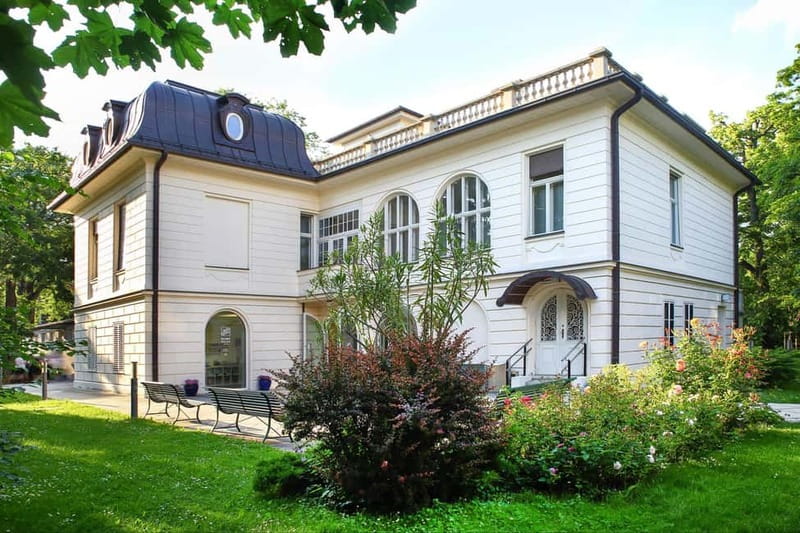
If you like art that feels human-sized, this works fast. The Klimt Villa isn’t trying to be endless. Instead, it gives you a tight sequence: Klimt’s final creative sanctuary, a powerful exhibition about what happened to art and collectors, and then the garden that shaped his visual world.
The price is also refreshingly straightforward. At about $14 per person, you’re not just paying to look at paintings behind glass. Your ticket includes entrance to the Klimt Villa and garden, access to the final studio and the Klimt Lost exhibition, and a smartphone guide service. That bundle matters because it turns the visit from passive looking into guided understanding without you needing to hunt for explanations.
A few more Vienna tours and experiences worth a look



The neo-baroque villa and Klimt’s preserved final studio
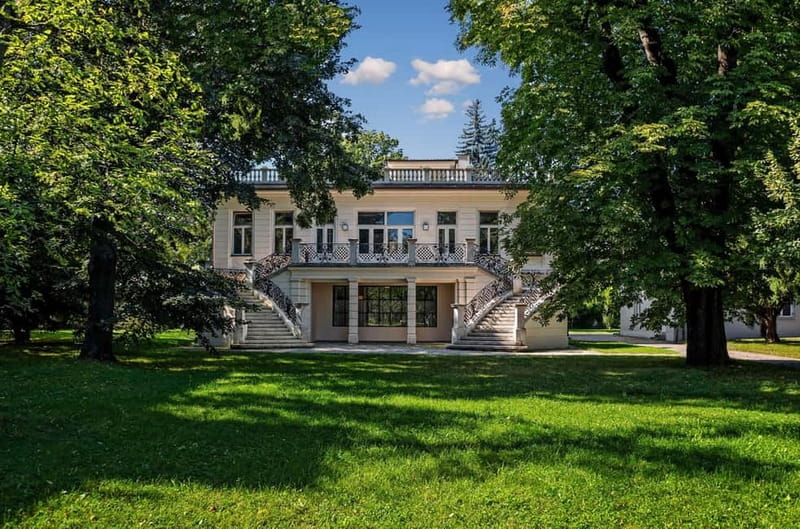
The biggest reason to come here is the sense of place. The Klimt Villa is a neo-baroque, two-story building that served as Klimt’s creative home base from 1911 until his death in 1918. You’re not just viewing artwork; you’re viewing the environment around the artwork.
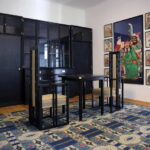
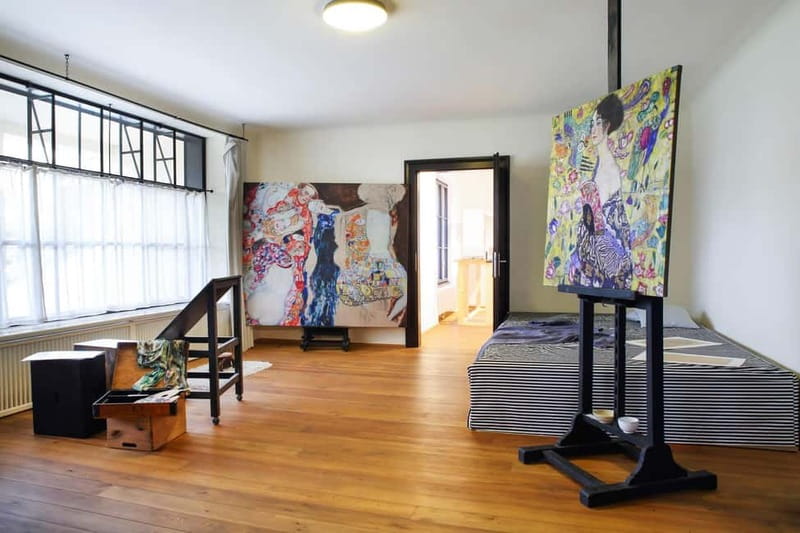
A key detail: the studio you’ll see is the product of reconstruction and careful preservation. After Klimt’s time, the studio area went through changes, moving from a ground-floor garden house into the villa form visitors recognize today. Then the museum used a room-in-room construction method to protect the original working location. Practically, that means the studio rooms feel intentional and “kept,” not like a generic gallery set up afterward.
When you move through, you’ll connect the space to Klimt’s major works. The villa experience is described in connection with paintings such as Adele Bloch-Bauer II, Friederike Beer, The Bride, Adam and Eve, and Lady with Fan. Even if you already know those titles, seeing them anchored to the final workspace gives them a new texture: you start thinking less about fame, and more about process.
Practical note: because the visit centers on rooms (and not huge halls), it’s smart to slow down. The value here comes from letting the studio layout and materials do their job—helping you picture Klimt working there, rather than simply skimming.
Klimt Lost exhibition: art history with a moral spine
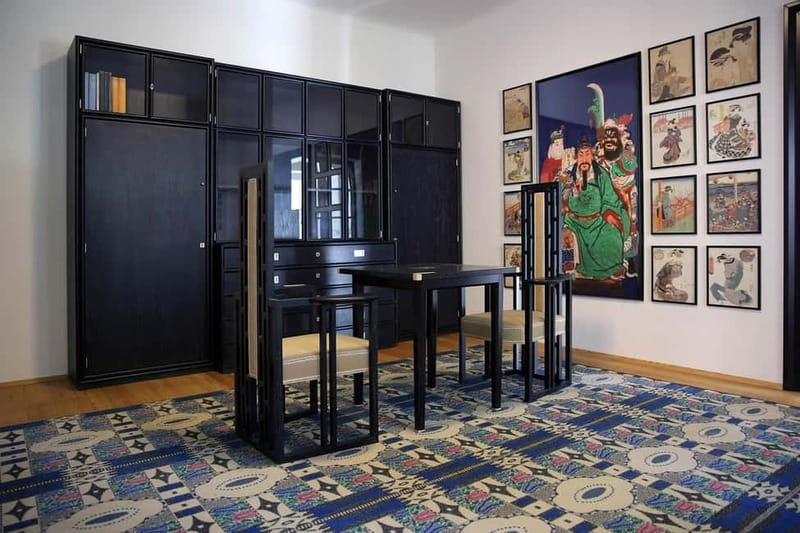
The Klimt Lost exhibition is the part of the visit that stays with you. It deals with a painful arc: the persecution and looting of Klimt’s collectors and artworks during National Socialism. It doesn’t treat looted art as a vague tragedy. Instead, it tracks what happened to people and what they fought for later.
You also get a human timeline. The exhibition looks at the fates of surviving collectors and highlights the long struggle—often running for decades—around restitution and justice. That matters because it changes how you think about “finding” a painting. The story becomes bigger than acquisition. It becomes about whether families and owners were ever truly made whole.
If you’re visiting for art only, this exhibition can feel heavy compared to the garden or the studio. But it’s also what makes the Klimt Villa more than a prettified stop. It gives you a fuller picture of the works Klimt created, and the costs later generations paid.
One more practical thing: the exhibition labels and descriptions are available in German and English, so you don’t have to rely entirely on the smartphone guide to keep up. The smartphone guide is there for added context, but you can choose your reading style.
Restored garden and the Klimt Rose: when to go for the blooms
The garden is not just scenery. It’s part of the reason Klimt’s work looks the way it does. When you walk the restored grounds, you’re stepping into a living reminder of what once surrounded the studio.
The highlight here is the Damask rose planting known as the Klimt Rose. These roses were originally planted around 1900, and the garden continues to be restored and maintained to keep that historic character. Timing matters: the Klimt Rose typically flowers from mid-May to late June.
So here’s the simple planning idea. If you can choose dates, aim for that mid-May to late-June window for the strongest garden payoff. If your dates fall outside bloom time, you’ll still enjoy the garden’s structure and restoration, but the “rose moment” won’t be as dramatic.
There’s also a good rhythm to the space. You can treat the garden as a breather after Klimt Lost. The subject matter is heavy; the roses are a reset. Just don’t rush. The garden portion tends to feel best when you give it time to breathe.
Garden Café for coffee and cake, and the weekend-only detail
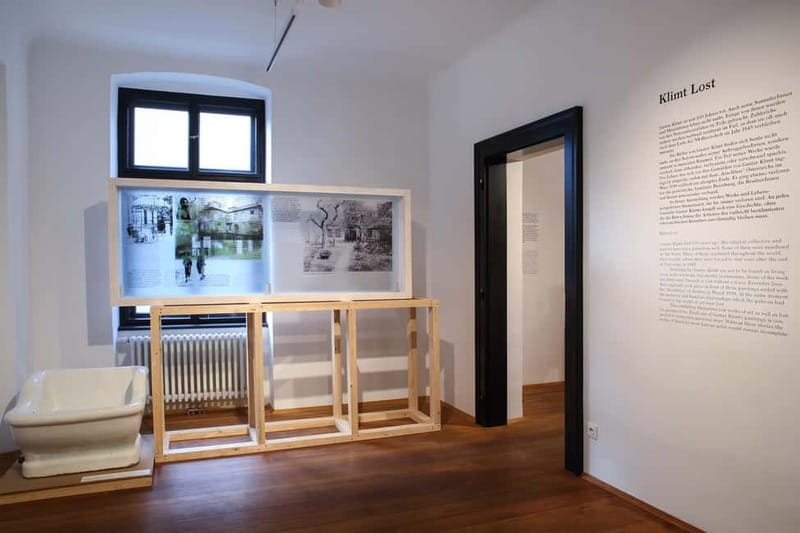
This is where a practical Vienna treat fits the day. The garden café serves Viennese coffee and cake, and it’s open on weekends from May to September, but only in fair weather.
That means you should plan your schedule with two scenarios in mind:
- If you’re there on a weekend in that May–Sep window and conditions are decent, treat the café as a genuine part of the experience.
- If you’re visiting on a weekday or in colder months, you likely won’t count on the garden café being operating as described.
Also, the museum has a clear rule: food and drinks are not allowed, and large bags aren’t allowed either. In other words, treat the café as your planned refreshment stop, not something you improvise with items you bring in.
You can also read our reviews of more museum experiences in Vienna






The upper-floor print editions gallery (and why access can vary)

On the upper floor, you’ll find a gallery connected to premium Klimt print editions, along with art reproductions and related works. The museum description notes Klimt, Egon Schiele, and Oskar Kokoschka, which is a nice way to place Klimt alongside other major figures of Viennese Modernism.
This is a good option if you like collecting ideas—seeing how Klimt’s world extends beyond the studio rooms and into print culture and related art forms. You also get a different kind of viewing than painting-only galleries.
Just don’t treat it as guaranteed. Second-floor gallery access can’t be guaranteed if it’s reserved for a private event. The practical fix is simple: if you want that gallery included in your visit, keep your expectations flexible and plan to enjoy the studio and Klimt Lost no matter what.
How long to spend and how to pace the day
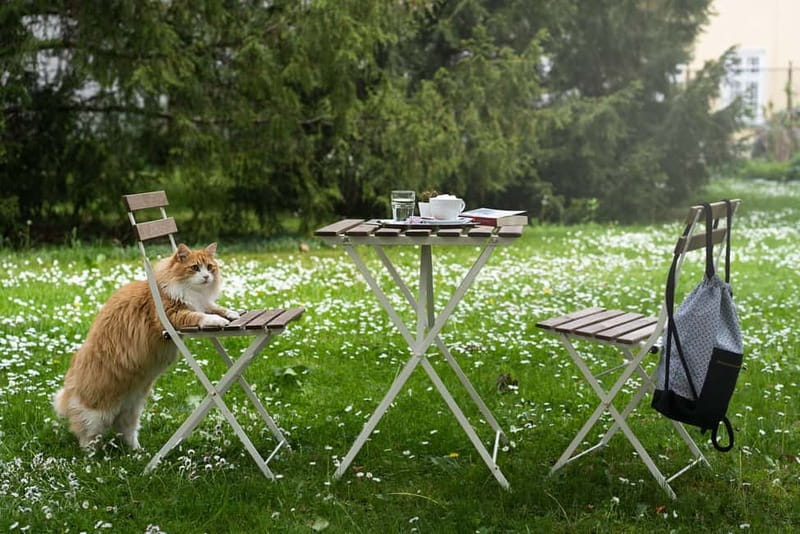
This ticket is designed to fit an efficient visit. It’s a one-day experience, and it’s structured around a small number of high-impact areas: studio rooms, Klimt Lost, garden, and (if accessible) the print gallery, plus optional café time.
My pacing advice:
- Start with the studio first. It gives you a reference point for Klimt’s working environment before you hit the harder exhibition material.
- Then tackle Klimt Lost. Going second helps, because you’ve already made an emotional connection to the place.
- Finish in the garden if possible. The outdoor time helps you absorb what you saw indoors.
If your schedule is tight, you can still make this work without feeling rushed. The key is to resist the temptation to sprint. The studio rooms and Klimt Lost are both best when you spend a little time letting details land.
Price and value: is $14 worth it?

For about $14 per person, the value is strong because the ticket bundles multiple types of experiences into one stop:
- Access to the Klimt Villa and garden
- Entry to Gustav Klimt’s final studio
- Access to the Klimt Lost exhibition
- A smartphone guide service in 20 languages
In plain terms: you’re paying for a guided, meaning-rich experience, not just entry. The smartphone guide matters because it helps you move through complex context—especially in Klimt Lost—without you needing extra materials.
There are a couple of value caveats. The visit is compact, so if you’re expecting a huge museum, you might feel you need more time elsewhere. And if the second-floor print gallery is reserved, you may miss that component. Still, the core studio plus Klimt Lost plus garden is the heart of the experience, and those parts are the reliable payoff.
Who should book the Klimt Villa ticket
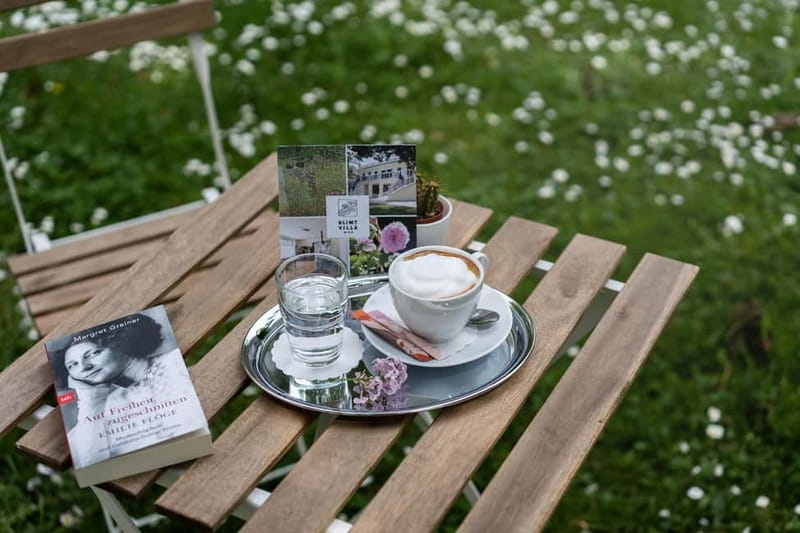
This ticket is ideal if you:
- Love Klimt but want more than surface-level beauty
- Want a short Vienna art stop with a clear narrative
- Are interested in how art history intersects with real-world harm and restitution
- Prefer guided context without booking a separate tour
It’s also a good choice for couples or solo visitors who like low-pressure sightseeing. The garden café option can make it feel more like a day out than a quick museum hop, especially in the right season.
If you’re traveling with kids, you might find the pacing manageable, but be aware Klimt Lost covers difficult themes, so you’ll want to choose how much you want to focus on that portion.
Booking tip
Bring light. Large bags aren’t allowed, and food and drinks are not allowed, so plan for a simple visit and use the garden café only when it’s operating as described.
Should you book this Vienna Klimt Villa ticket?
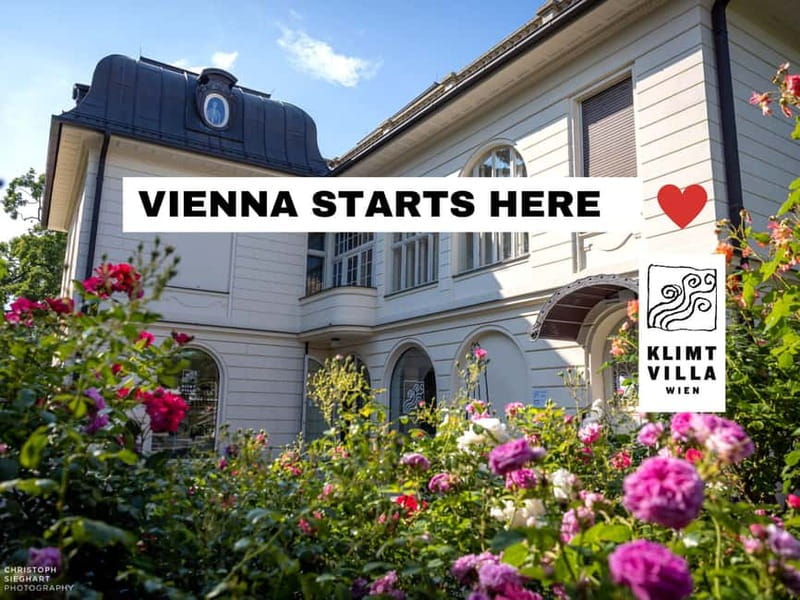
Yes—if you want a smart, studio-centered art stop with a serious exhibition and a garden payoff. The $14 price feels fair because it includes the final studio, Klimt Lost, garden access, and a multilingual smartphone guide. The experience also gives you something many art tickets don’t: a strong sense of place, plus context about what happened to Klimt’s collectors and works.
I’d only hesitate if you need a full-day museum marathon or if you’re coming mainly for the upper-floor print gallery, since access can be restricted for private events. Otherwise, this is a very solid Vienna choice.
FAQ
How long does the Klimt Villa ticket take?
The ticket is valid for one day. The experience is compact, with the main time spent on the final studio, the Klimt Lost exhibition, and the garden.
What does the ticket include?
It includes entrance to the Klimt Villa and garden, access to Gustav Klimt’s final studio, and access to the Klimt Lost exhibition. A smartphone guide service is also included.
What languages are available on the smartphone guide?
The smartphone guide service is available in 20 languages, including English, French, German, Italian, Spanish, Polish, Korean, Chinese, Czech, Portuguese, Hungarian, Russian, Japanese, Greek, Romanian, Turkish, Danish, Dutch, Hindi, and Croatian.
Is the garden café available year-round?
No. The garden café is open on weekends from May to September in fair weather.
Are food and drinks allowed inside the Klimt Villa?
No. Food and drinks are not allowed.
Can I bring luggage or large bags?
No. Luggage or large bags are not allowed.
Is the second-floor print gallery guaranteed entry?
No. The second-floor gallery is open unless it’s been reserved for a private event, so access cannot be guaranteed.
Is the Klimt Villa wheelchair accessible?
Yes. The venue is listed as wheelchair accessible.