REVIEW · VIENNA
MAK – Museum of Applied Arts, Vienna, Ticket
Book on Viator →Operated by MAK - Museum of Applied Arts · Bookable on Viator
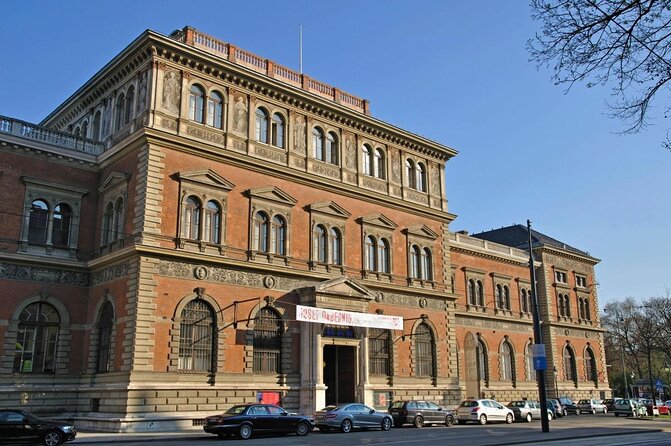
Vienna’s design museum is oddly easy to love. With skip-the-line entry plus a free digital MAK Guide, getting started is smooth and you can spend more time looking, not waiting. The MAK sits on Vienna’s Ringstraße in a building that’s already part of the experience.
I especially like the way the galleries mix applied arts—so you’re not stuck in one lane. You get highlights spanning five centuries, plus attention to the cultural shift around Vienna 1900, where everyday objects started to look and feel different. The focus on art, design, fashion, and architecture makes it a strong choice if you like connections between disciplines.
One drawback to plan for: the exhibitions can feel uneven. The museum offers both permanent highlights and rotating special shows, so if you only want one narrow style, you might find some rooms more rewarding than others.
In This Review
- Key Things to Know Before You Go
- MAK on the Vienna Ringstraße: why this museum feels different
- Price and what you actually get for $21.72
- Getting in smoothly: tickets, timing, and a realistic plan
- Inside the MAK building: five centuries of applied arts
- Vienna 1900 in the galleries: furniture, design, and modernism cues
- Special exhibitions on art, fashion, and architecture
- Restaurant and break time: what to expect (and what costs extra)
- What to watch for: when the mix may feel uneven
- Who should book the MAK ticket?
- Should you book this MAK ticket?
- FAQ
- What does the MAK ticket include?
- How long should I plan to spend at the MAK?
- What are the MAK opening hours?
- Is the ticket valid for temporary exhibitions too?
- Do I need to collect my tickets in advance?
- Can I cancel for a full refund?
Key Things to Know Before You Go
- Skip-the-line entrance to the MAK, with tickets collected at the museum on your visit day
- Free digital MAK Guide to help you follow what you’re looking at
- One ticket covering permanent + temporary exhibitions
- A five-century sweep, from the Middle Ages to today
- Design and furniture are a major payoff, especially for anyone interested in Vienna 1900
- Small group size (max 15) and opening hours that give you a clean 10:00 to 18:00 window
MAK on the Vienna Ringstraße: why this museum feels different
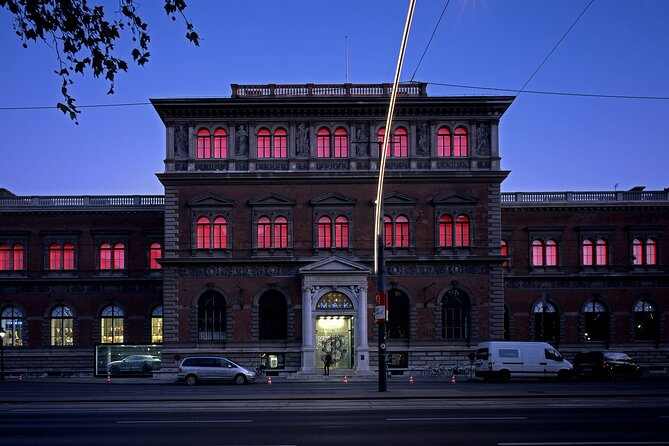
The MAK is one of those Vienna stops where you show up for art and end up learning how design thinking shaped everyday life. It’s not just paintings in white rooms. It’s a museum for applied arts—things you can use, wear, build, and live with—set inside a magnificent Ringstraße building.
Even the museum layout supports that idea. The exhibition rooms are described as spacious and designed by contemporary artists, which matters more than it sounds. Big rooms mean fewer bottlenecks, and you can pace yourself without feeling rushed.
You also get some built-in variety without changing locations. One ticket covers the MAK’s permanent highlights and all temporary exhibitions, so your afternoon doesn’t hinge on seeing exactly one show. If you like options, this is the right kind of museum structure.
Finally, the museum leans into English. The experience is offered in English, which makes the art-and-design topics easier to follow when you’re bouncing between styles and eras.
A few more Vienna tours and experiences worth a look


Price and what you actually get for $21.72
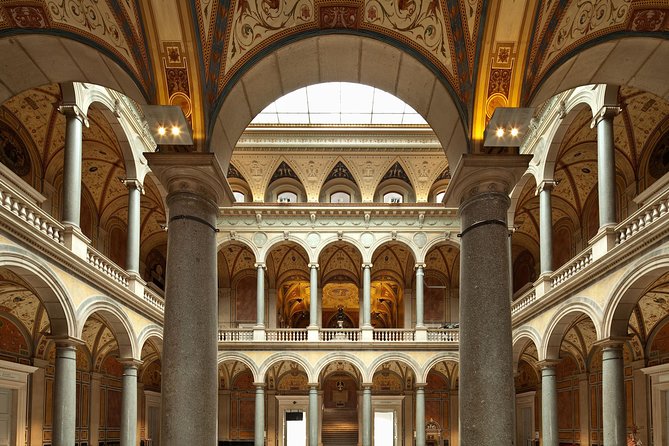
At $21.72 per person, the value comes from what’s included—not just the museum entry. Your ticket is valid for the permanent collections and all temporary exhibitions, so you’re not paying extra for the rotating parts that can change your visit.
On top of that, you get several practical extras that reduce friction:
- Free cloakroom (useful if you arrive with a coat or shopping bag)
- Free Wi‑Fi (helpful for quick reference and map use)
- Free digital MAK Guide to guide your route
- Skip-the-line entry to make arrival faster
Think of it like you’re buying time. Museums often charge for access, but here you’re also getting tools that help you understand what you’re seeing—especially important when the range is broad.
And if you’re visiting with younger travelers, there’s a plus built in: children and teens under 19 get free admission. That can be a real budget saver for families, especially in a city where museum tickets can add up fast.
Getting in smoothly: tickets, timing, and a realistic plan
This visit is designed for 1 to 2 hours. That’s a key planning detail because it shapes how you should move through the building. If you try to do everything with the same level of attention, you’ll either feel behind or start skimming. With a tight window, your best move is to choose a handful of galleries and give them real time.
Opening hours run Tuesday through Sunday, 10:00 AM to 6:00 PM. Plan to arrive closer to opening if you want the calmer pace, or later in the afternoon if you prefer more energy. Either way, you’ll be moving through a museum day that ends at 6:00, so don’t build a plan around a late-night wander.
Tickets work in an easy, low-stress way. You receive confirmation at booking, and your tickets are held at the MAK for collection on the day. That’s helpful if you like to keep plans flexible or you don’t want to manage printouts.
Group size is capped at 15 travelers. For you, that usually means you’re less likely to feel trapped behind a big herd. You can still take breaks and slow down when something catches your eye.
Inside the MAK building: five centuries of applied arts
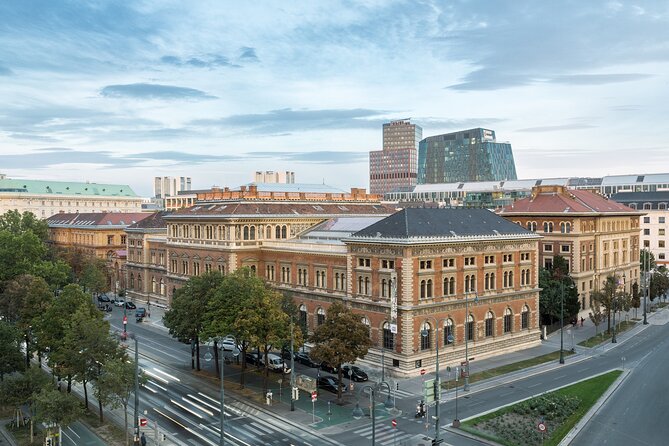
The MAK’s strongest ingredient is how it frames objects as culture. Instead of isolating art from life, it connects design, fashion, and architecture to the world around them. That shows up immediately in the range: you’re looking at highlights from the Middle Ages through the present.
This breadth is exciting, but it’s also the reason you should plan your route. When you walk into a multi-century museum, the temptation is to try to “cover” it like a checklist. In a place like this, you’ll get more satisfaction by picking themes—like furniture and everyday design, or modern architecture cues—then letting other rooms reinforce those ideas.
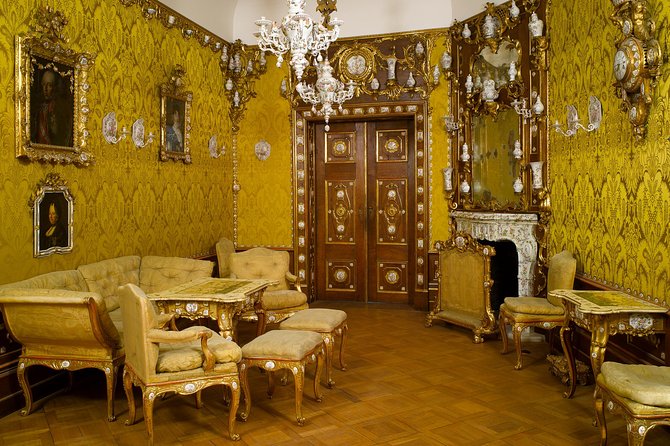
One standout from the information you’re given: the museum presents selected highlights of the MAK Collection from five centuries, with special emphasis on the relationship between the past and the future. That’s more than a slogan. It affects what you notice. You start comparing how materials, shapes, and ideas shift across time, not just whether each piece is beautiful.
The museum setting also earns its keep. The building itself is described as magnificent, and one of the big practical takeaways is simple: it’s a place where you can feel comfortable spending a couple of hours. You’re not fighting tight corridors or feeling squeezed into micro-views.
If you’re drawn to art that has a hand in real life—things meant to be used—this is where the museum earns its reputation. Applied arts can be easier to enjoy than you expect because you can guess how it was made and how it might feel in a room.
Vienna 1900 in the galleries: furniture, design, and modernism cues
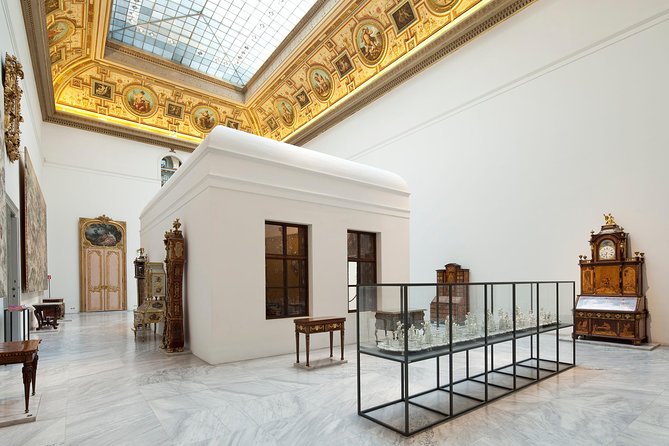
If you want one clear reason to pick the MAK, it’s the chance to understand the cultural revolution around Vienna 1900. That period isn’t just for textbooks. Here, it shows up in the shift toward modern design thinking—especially in furniture and objects from the early 1900s.
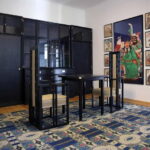
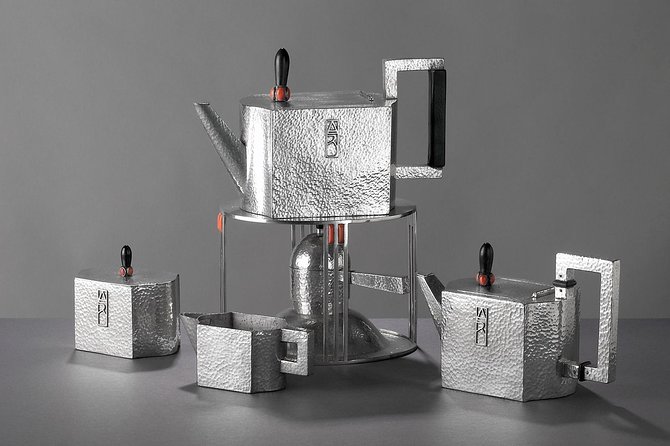
One of the most praised aspects is the focus on design that feels modern even now. People point out furniture from roughly 1900 to 1930 and highlight how modernist those pieces can feel. For you, this means you’ll probably spot familiar design ideas—clean lines, new forms, a break from older ornament—without needing a lecture.
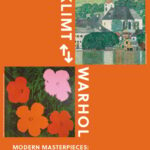
There’s also mention of Klimpt works of art on permanent display. Even if you’re not sure what you’ll see, it’s a hint that the museum includes major art names in the mix, not only decorative crafts. That matters because it lets the museum work for more than one type of art lover.
My practical advice: if you’re short on time, go after the Vienna 1900 rooms first. Don’t start with the most general-sounding halls. Start with the sections that match the cultural theme you came for, then let the rest of the museum support it.
When you do this, the museum stops being a random assortment of rooms. It becomes a story about how taste changed—and how that change showed up in the things people used every day.
You can also read our reviews of more museum experiences in Vienna





Special exhibitions on art, fashion, and architecture
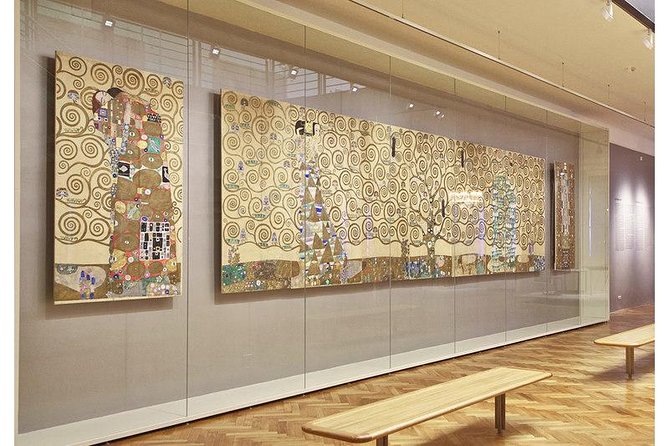
Besides the permanent collections, the MAK regularly runs special exhibitions in art, design, fashion, and architecture. The museum position is that these shows respond to challenges of the 21st century, which is a useful clue for how the curators think.
You don’t need to predict the exact content to benefit from this. The value is that the museum doesn’t treat design as stuck in the past. You’ll likely see exhibitions that connect older techniques and styles to contemporary life—through clothing, objects, spaces, or visual design.
Because your ticket covers temporary exhibitions too, you have flexibility. If a special show is packed, you can focus on the permanent highlights without losing your main ticket value. If a show hits your interests, you can spend time there without worrying that you’re “wasting” a timed ticket.
If you’re the type who likes to plan intelligently, use the free digital guide to decide what to prioritize before you fully commit your attention. With only 1 to 2 hours, you’ll feel better choosing a couple of targets rather than spreading yourself thin.
Also, note the experience is in English, so the guide helps you move through design concepts without struggling through guesswork.
Restaurant and break time: what to expect (and what costs extra)
You can take a break at the museum restaurant, and the feedback you’re given is positive about it being excellent. The catch is simple: food and drinks are not included in the ticket price.
So treat the restaurant like a bonus, not part of the “value math.” If you want to make the most of the time, plan on a quick pause rather than a long meal. Museums like this can pull you forward, and a quick rest helps you keep your focus.
If you’re visiting in a season with long days, you’ll probably combine the museum with an easy walk afterward. The MAK’s Ringstraße location is good for that kind of day—central, walkable, and built for pairing with other Vienna sights.
What to watch for: when the mix may feel uneven
A museum with both permanent collections and rotating shows can be a dream—or it can be hit-or-miss. One key consideration: not every exhibit will land equally for your taste.
That’s not a problem with the ticket; it’s a normal museum reality. The MAK intentionally covers multiple disciplines—applied arts, fashion, design, architecture—and that range can lead to some rooms feeling more exciting than others depending on your priorities.
Here’s how I’d handle it if you’re worried about wasting time:
- Start with the strongest match for your interests (Vienna 1900 furniture/design is a popular target)
- Use the digital guide to confirm what’s on permanent display versus temporary rooms
- If a gallery doesn’t click within a few minutes, move on rather than forcing it
That approach keeps the visit enjoyable even when one exhibit category isn’t your thing.
Who should book the MAK ticket?
Book this if you love art where design matters—furniture, everyday objects, fashion-adjacent visuals, and architectural ideas. It’s ideal for people who want a museum that connects eras and themes, not just a single period.
It’s also a good pick for:
- Art lovers who want a break from only painting-focused museums
- Design and architecture fans who like seeing applied arts across time
- Families with younger kids, since children and teens under 19 are free
- Anyone who wants a manageable, small-group experience (max 15 travelers)
If you’re visiting Vienna and trying to build a day that’s not too intense, this fits well. One to two hours is a comfortable slot, and the museum is near public transportation, which makes it easier to weave into a larger itinerary.
Should you book this MAK ticket?
Yes—if you want an art-and-design museum that covers a wide time span and still feels structured. The best reason to book is that your ticket includes both permanent highlights and temporary exhibitions, plus practical perks like the digital guide, cloakroom, Wi‑Fi, and skip-the-line entry.
You might skip it only if you’re extremely picky about one single style or one single medium. With the MAK’s broad focus, you’ll still likely enjoy the building and the furniture/design sections, but you won’t control every gallery’s tone.
If you like museums where objects tell a story—and you’ve got a couple hours in Vienna—this is a solid, good-value choice.
FAQ
What does the MAK ticket include?
Your ticket is valid for the permanent collections and all temporary exhibitions. It also includes access to a free digital MAK Guide, a free cloakroom, and free Wi‑Fi, plus skip-the-line entry.
How long should I plan to spend at the MAK?
Plan about 1 to 2 hours for the visit.
What are the MAK opening hours?
From 2025 through 2026, the museum is open Tuesday through Sunday from 10:00 AM to 6:00 PM.
Is the ticket valid for temporary exhibitions too?
Yes. The ticket covers both the permanent collections and all temporary exhibitions.
Do I need to collect my tickets in advance?
No. Tickets are held at the MAK for collection on the day you visit, and you’ll receive confirmation at the time of booking.
Can I cancel for a full refund?
Yes. You can cancel up to 24 hours before the experience start time for a full refund.