REVIEW · VIENNA
Admission to the Sigmund Freud Museum
Book on Viator →Operated by SIGMUND FREUD MUSEUM · Bookable on Viator
Freud’s address is still there. This admission ticket gets you inside Sigmund Freud’s Vienna home at Berggasse 19, where the museum uses original objects and rooms to connect his daily life to his big ideas. I especially liked the preserved apartment feel and the way the exhibition pairs Freud’s personal story with psychoanalysis in a way that’s easy to follow. One thing to keep in mind: some areas have been renovated, so you should not expect every room to look like a perfectly staged period set.
The whole visit is designed to work at a human pace, roughly 2 hours, which is perfect when you want a meaningful stop without turning it into an all-day project. The museum also gives you a few modern layers (like films and contemporary references) so the experience doesn’t freeze Freud in amber. Your best bet is planning a quiet, concentrated visit, especially if you’re sensitive to crowds.
In This Review
- Key things to know before you go
- Freud’s Home at Berggasse 19: What You’re Paying For
- Price and time: how $18.02 fits a Vienna day
- Walking through the permanent exhibition without getting lost
- The films from the 1930s: why they change the mood
- Objects and rooms: preserved feel, plus modern renovation reality
- Special exhibitions and conceptual art: linking Freud to today
- Café and shop: a practical ending to the visit
- Getting there: location, transport, and timing
- Who this ticket is best for (and who should reconsider)
- Should you book the Sigmund Freud Museum admission ticket?
- FAQ
- How long is the Sigmund Freud Museum admission experience?
- What does the admission ticket include?
- Where is the museum located?
- How much does it cost?
- Do I get a mobile ticket?
- Is the museum near public transportation?
- Are service animals allowed?
- Is there free cancellation?
Key things to know before you go
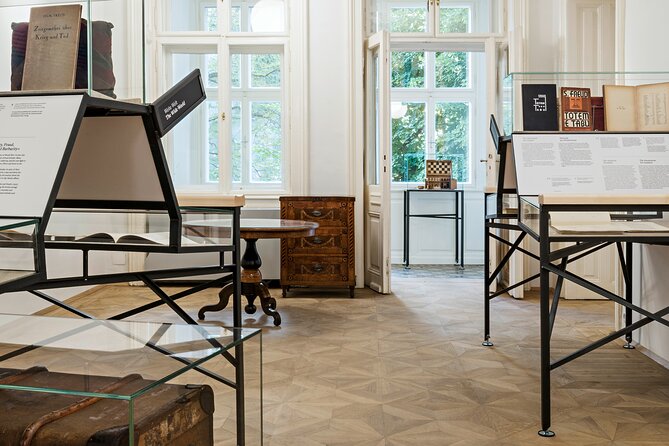
- Original apartment atmosphere at Berggasse 19 where Freud lived with his family for nearly 50 years
- A permanent exhibition that connects his family life to how psychoanalysis developed
- Films from the 1930s that bring the private side of the Freuds to life
- Changing special exhibitions plus conceptual art that point to the present
- A café and shop on site so you can regroup and pick up books or souvenirs
Freud’s Home at Berggasse 19: What You’re Paying For
You’re paying for something more specific than a standard museum ticket: access to a real, meaningful place. Freud lived at Berggasse 19, and the museum is built around that setting. That matters, because the experience isn’t just “read about Freud.” It’s “see how he lived, worked, and surrounded himself with ideas.”
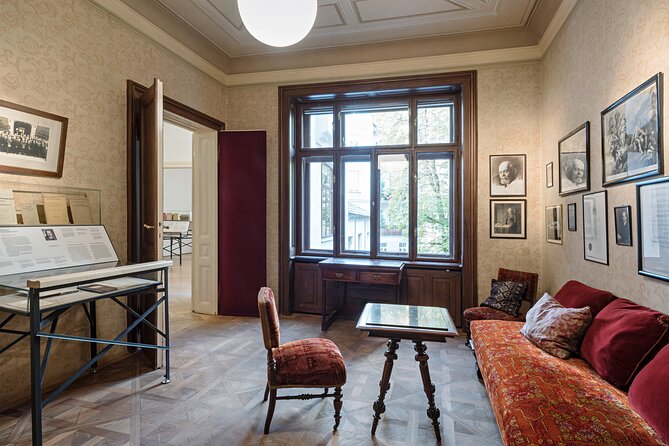
I like that the museum doesn’t treat the apartment as a cold showroom. Instead, it leans on original objects and furniture to create an atmosphere that feels grounded. If you’ve ever wondered why Freud’s work caught on, it helps to look at the everyday world he came from—his rooms, his routine, his environment.
Now for the practical note: based on how the museum has been presented, it sounds like not every part of the home is shown exactly the same way it might have looked historically. So set expectations accordingly. You’ll still get strong context, but you may notice more modern renovation surfaces in some spaces, rather than a fully restored, time-capsule look everywhere.
You can also read our reviews of more museum experiences in Vienna



Price and time: how $18.02 fits a Vienna day
For about 2 hours and an $18.02 ticket price, this is a pretty efficient stop. Vienna has plenty of museums that either swallow most of your day or feel too general. This one is tighter. You get an “I learned a lot” feeling without needing museum marathon stamina.
Also, you’ll likely want to book ahead. The experience is commonly booked about 25 days in advance on average, which hints that this is one of those “it’s worth planning, not just wandering into” situations. If you’re traveling in busy periods, I’d treat this as a ticket you should secure before your schedule gets too full.
The ticket itself is a mobile ticket, so you can keep things simple. No printing stress, just have your phone ready when you arrive.
Walking through the permanent exhibition without getting lost
The museum’s core is a permanent exhibition focused on Freud’s work and family life. The key value here is how the exhibition aims to link ideas to a real person. You’re not just collecting facts about theories. You’re watching a thinker develop in context—where he lived, who shared the space with him, and what his daily life looked like.
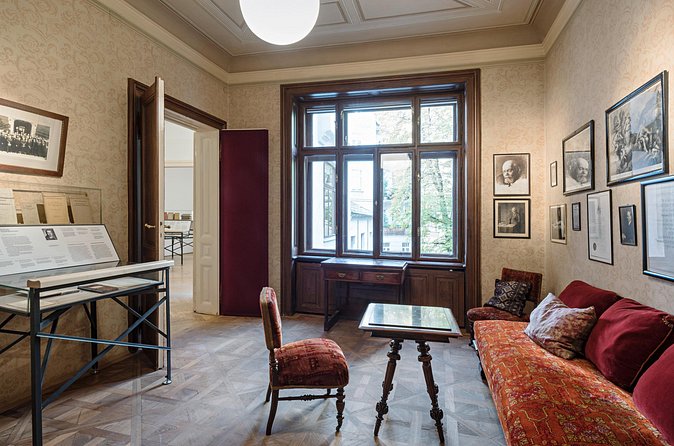
Expect to move through rooms where the story is staged through original objects and furniture. This is where the visit tends to feel most “Vienna.” The furnishings, layouts, and period details help you picture what kind of thinking environment this was—less abstract, more lived-in.
A smart approach for you: don’t try to absorb every detail at once. Instead, pick one thread to track:
- Freud as a family man in the home
- Freud as a working clinician surrounded by his tools
- Psychoanalysis as something that grew out of real relationships with patients
That way, even if a section feels more historical than theoretical, you’ll still connect it to a bigger narrative.
The films from the 1930s: why they change the mood
One standout element is the inclusion of unique films from the 1930s showing the private lives of the Freuds. Film has a different effect than objects. A room can be silent and still. Film adds motion, expression, and the sense that people kept living their lives even while history was shifting around them.
If you care about atmosphere, this is a major reason to prioritize the museum. It’s not only about Freud the myth. It gives you a human scale—gestures, faces, and a sense of daily rhythm that makes the apartment setting feel less like a set and more like real life.
If the museum is busy, try to time your film viewing so you’re not squeezed for space. When you’re standing shoulder-to-shoulder, films can feel harder to take in. But when you get a moment to watch calmly, it’s one of the best “aha” moments of the visit.
Objects and rooms: preserved feel, plus modern renovation reality
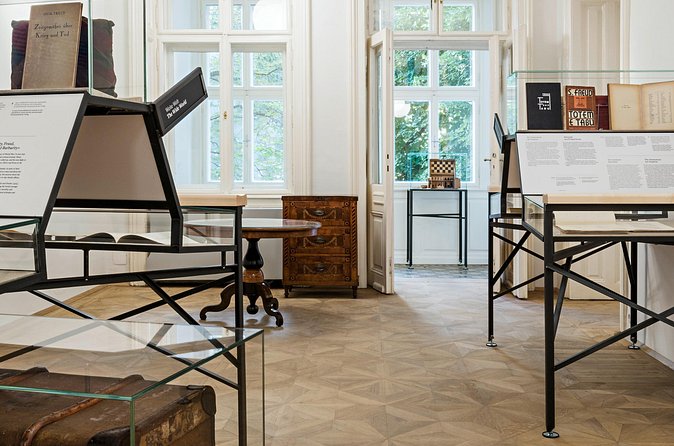
This museum’s strongest selling point is the connection between Freud’s life and the physical space. The apartments and consulting rooms are designed to give you that “stepping into his world” feeling, including artifacts tied to his working life.
However, there’s one consideration I’d highlight clearly for you: not every review-style expectation seems to match the idea of a totally restored, fully period-furnished house. In other words, you might notice areas that don’t look exactly like what you’d expect from a perfect historical reenactment.
What that means for your planning:
- Think of the visit as context and atmosphere, not as a flawless recreation of every room.
- If you’re very strict about seeing every classic piece of furniture in place, you could feel underwhelmed.
- If you’re more interested in how the home setting supports the story of psychoanalysis, you’ll likely feel rewarded.
Either way, go in ready to interpret. Even with some modern renovation touches, the museum’s emphasis on original objects and the overall apartment layout still helps you understand how Freud’s thinking environment connected to his work.






Special exhibitions and conceptual art: linking Freud to today
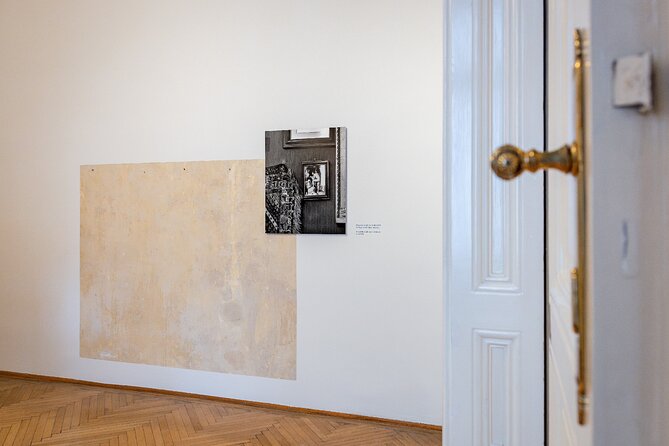
Beyond the permanent collection, the museum includes changing special exhibitions and a conceptual art collection that references the present. This is a smart move, because psychoanalysis isn’t a museum-only topic. It touches debates about psychology, identity, and how people interpret emotions and behavior.
What you’ll likely notice is that the museum tries to do two things at once:
- Respect the historical roots of Freud’s world.
- Show that the questions he raised still echo now.
That blend can be especially appealing if you like museums that don’t just archive the past. If you’re the type who gets restless in galleries that feel disconnected from real life, these contemporary connections can help your brain stay engaged.
Café and shop: a practical ending to the visit
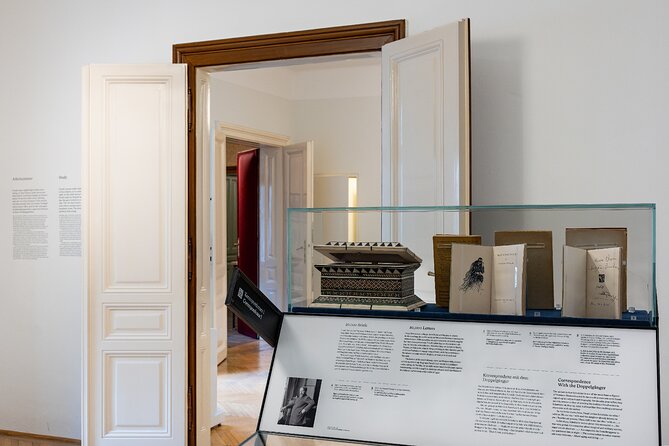
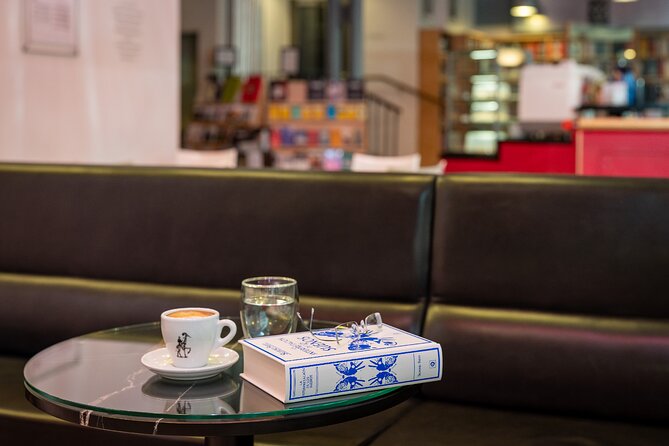
The museum doesn’t leave you hanging after the galleries. There’s a cozy café on site and a well-stocked shop where you can pick up books and souvenirs.
This is more than a bonus. It’s useful because the Freud Museum can leave you in a thinking mood. A sit-down break gives you a chance to process what you saw rather than racing to your next stop.
If you want value, pay attention to the book section. A museum like this can be a lot to absorb in one visit, and a good book helps you keep the context going after you’ve left the apartment behind.
Getting there: location, transport, and timing
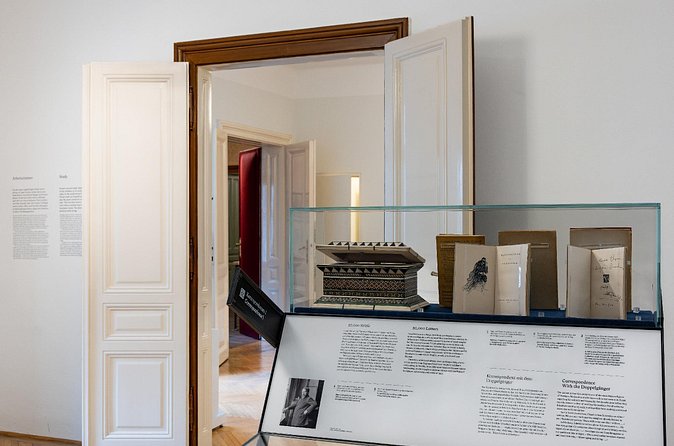
The address is straightforward: Berggasse 19, 1090 Vienna. The museum is also described as near public transportation, which is exactly what you want in Vienna. You can fit this stop into a route without relying on long walks across unfamiliar streets.
You’ll get the best experience if you treat the visit as a focused block. Don’t stack it back-to-back with five other ticketed museums. Give yourself some mental room before and after, especially if you’re reading labels slowly or want time for the films.
Also, remember it’s a small museum experience. That’s good for intimacy, but it can mean crowding if you arrive at a peak moment.
Who this ticket is best for (and who should reconsider)
This ticket is a strong match if you:
- like museums that use a real home/work space as the main storytelling tool
- want a 2-hour stop that feels substantial but not overwhelming
- enjoy psychoanalysis and early 20th-century European ideas
- appreciate museums with objects, not just panels and diagrams
It may be less satisfying if you’re expecting a fully staged, perfectly furnished, time-capsule restoration in every room. Some presentation elements may feel more modern than you imagined, and the exhibition style may not focus on brand-new interactive tech as a core part of the visit.
If you’re traveling with family, I’d still consider it, especially if someone in your group is curious about history or psychology. Just keep an eye on attention span, because this is an idea-and-object museum, not a ride.
Should you book the Sigmund Freud Museum admission ticket?
Yes, if you want a meaningful Vienna stop that doesn’t eat your whole day. For $18.02 and about 2 hours, you get a rare chance to visit the Freud apartment setting at Berggasse 19, plus a permanent exhibition tied to family life and the development of psychoanalysis. The on-site café and shop also make it an easy win for a clean, satisfying morning or afternoon.
Book it if you’re even mildly interested in psychology, history, or how ideas connect to daily life. Skip it only if you’re expecting an entirely fully restored period interior across every room, or if you strongly prefer big, high-energy museums with lots of modern hands-on features.
If you decide to go, plan for a calm visit time and give yourself space to read, watch, and actually look at the rooms—not just glance and move on.
FAQ
How long is the Sigmund Freud Museum admission experience?
It lasts about 2 hours (approximately).
What does the admission ticket include?
Admission to the Sigmund Freud Museum is included.
Where is the museum located?
It’s at Berggasse 19, 1090 Vienna, Austria.
How much does it cost?
The price is $18.02 per person.
Do I get a mobile ticket?
Yes, the ticket is provided as a mobile ticket.
Is the museum near public transportation?
Yes, it’s near public transportation.
Are service animals allowed?
Yes, service animals are allowed.
Is there free cancellation?
Yes. You can cancel for a full refund up to 24 hours before the experience starts.