REVIEW · KRAKOW
Auschwitz-Birkenau Memorial and Museum Trip from Krakow
Book on Viator →Operated by Mr.Shuttle · Bookable on Viator
One morning, history hits hard. This Krakow day trip takes you to Auschwitz I and Auschwitz II-Birkenau, with a tightly organized visit that starts early and helps you get into the sites without wasting the day.
I love that the transfer comes with a documentary film on WWII concentration-camp history. I also like that hotel pickup and drop-off are included, so you’re not juggling taxis or public transit before and after one of the heaviest places on earth.
The main drawback is timing. The guided museum route is standard and can feel rushed, especially if you want longer pauses for reading and quiet reflection.
In This Review
- Quick takeaways before you go
- Why this day trip from Krakow matters
- Getting there: the early shuttle and what to expect
- The documentary film on the ride out
- Auschwitz I: where the system began and decisions were made
- Birkenau: the scale that’s hard to take in
- Group touring reality: time, pace, and how to get more out of it
- What to bring: shoes, bags, and keeping your day smooth
- Price and value: what $93 buys you in the real world
- Who this tour fits best (and who should rethink it)
- Should you book this Auschwitz-Birkenau trip from Krakow?
- FAQ
- How long is the Auschwitz-Birkenau tour from Krakow?
- Is hotel pickup and drop-off included?
- What exactly is included in the guided visit?
- Is food or drinks provided?
- Are the tour tickets mobile?
- What are the bag size limits for the museum grounds?
- How large is the group and what fitness level do I need?
Quick takeaways before you go
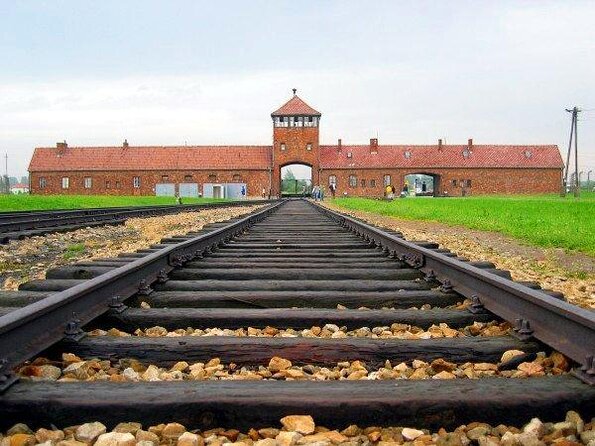
- Hotel pickup and drop-off in Krakow: you start and end with less stress
- A bus documentary before you enter: context first, then the grounds
- A guided 3.5-hour museum route: Auschwitz I plus Birkenau with official educators
- Bag size limits matter: keep things compact (30 x 20 x 10 cm) and use the bus for storage
- Expect a lot of walking: plan for moderate physical effort
- Sound can vary: some days you may rely more on your guide’s pace and the museum setup
Why this day trip from Krakow matters
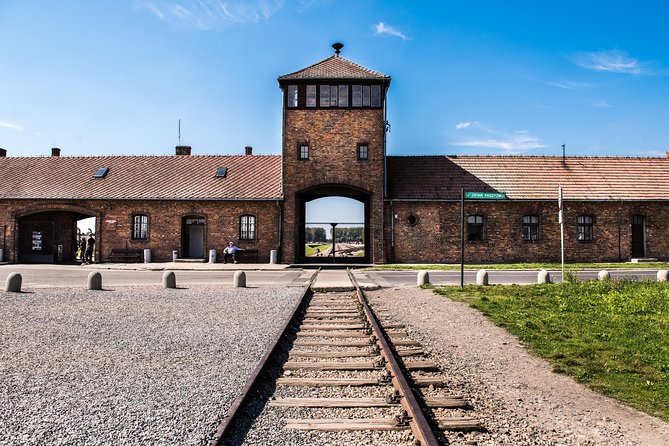
If you’re coming to Krakow, this stop isn’t optional in the “must-see tourist checklist” way. It matters because Auschwitz-Birkenau turns history into a place you can stand in. You don’t just learn what happened—you see how the camps were set up, what was kept, what was destroyed, and what remains to be explained.
This specific outing is built for people who want a structured visit without spending the whole day figuring out transport and entry. You’re picked up in Krakow, you get a short film en route, and then you follow the official museum tour through both Auschwitz I (the original camp) and Birkenau (where mass murder escalated on the largest scale).
One more practical point: because the experience is so intense, the less you have to manage logistics, the better. When you’re already tired and emotional, you don’t want extra steps.
You can also read our reviews of more museum experiences in Krakow
Getting there: the early shuttle and what to expect
Start time is 7:00 am, and that’s your anchor. In real life, your actual pickup window can run earlier than you expect depending on your hotel location and route planning, so don’t plan a leisurely breakfast.
The trip is offered in English, with a group size capped at 30 travelers. That cap is important: it affects how quickly you move, how easy it is to hear your guide, and whether you’ll see everything your group is scheduled to cover.
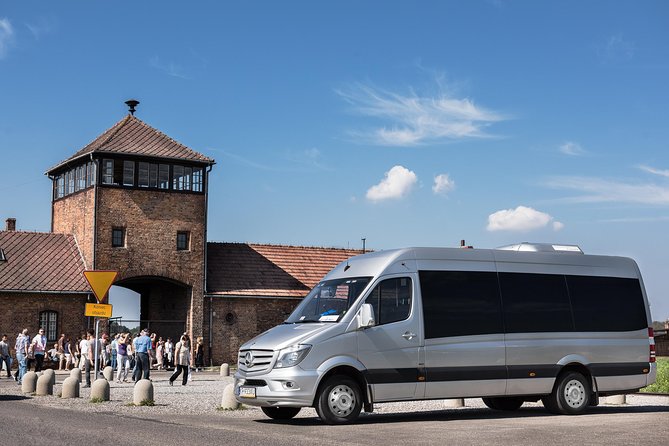
Transport is provided via a shuttle/van service with hotel pickup and drop-off included. That’s a big value-add for Auschwitz because mornings are hectic near the memorial and you don’t want to show up late. One clear upside: arriving early means you’re less likely to lose time standing around before entry.
Possible caution: if you’re prone to motion sickness, take precautions. Some people have described the drive as bumpy. Pack what you need (or sit where you feel steadier).
The documentary film on the ride out
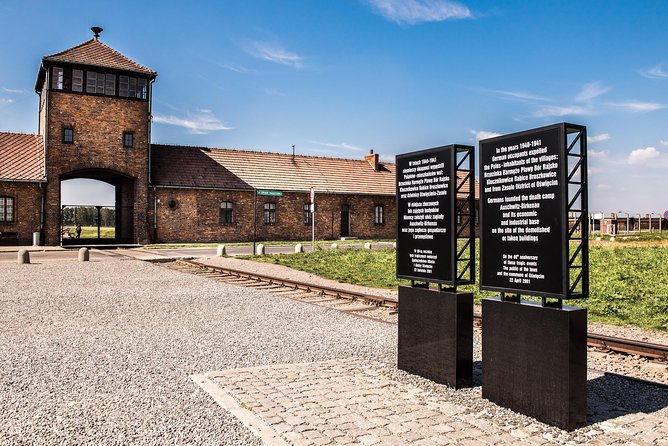
The tour includes a documentary film during your ride to the memorial. For first-timers, this is one of the smartest parts of the day. You’re heading into a site that can feel confusing at first glance: buildings, rails, open spaces, and artifacts all overlap in time and purpose.
That film gives you basic structure before you start walking—what Auschwitz was, how the system worked, and how the genocide escalated across the complex. I find that makes the first minutes on site less like shock and more like understanding.
If you’re sensitive to graphic topics, remember: this is still a Holocaust-focused experience, and the content you see later in the museum will be heavy. The film is meant to prepare you, not soften anything.
Auschwitz I: where the system began and decisions were made
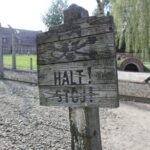
Auschwitz I is the first and main part of the complex. It also served as the administrative headquarters for the whole Auschwitz complex, so it’s where you’ll get a clearer sense of how the camp functioned beyond just the open-air horror of Birkenau.
In your guided portion, you’ll visit key areas within Auschwitz I that explain:
- the camp’s role as the original center
- how the Nazis organized the site
- what the museum documents about incarceration and persecution
- how the broader genocide unfolded through this system
This is also where some people feel the most “museum-like” order, because there are many structured displays and historical explanations. You’ll spend about 3 hours for the museum visit portion described in the tour format, though the exact flow depends on how the day is run.
A practical consideration: this site is still physically spread out and the tour pace can be brisk. Don’t assume you’ll have time to read every single label. Your best move is to focus on the signs and objects that help you build the timeline in your head.
Birkenau: the scale that’s hard to take in
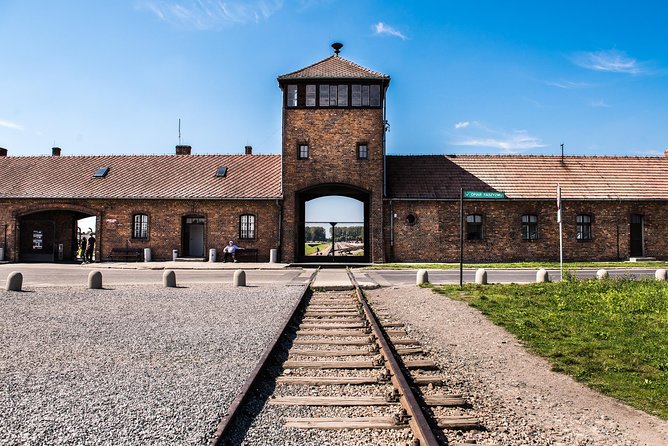
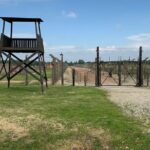
Birkenau (Auschwitz II) is where Auschwitz shifted quickly from a concentration camp into the main place where the genocide expanded. Here, the tour covers the areas tied to the machinery of mass murder, including gas chambers and crematoria, as well as the layout that made the operation possible.
Birkenau is also where the women’s camp was located. That detail matters because it helps you understand that the camp system wasn’t one-size-fits-all; different groups were processed and housed under different conditions.
Here’s the emotional reality: Birkenau’s open spaces and the sheer scale can overwhelm you in a different way than Auschwitz I. Some parts are visually harder to absorb because the site is vast, and you’re moving with a group. If you want to linger, it can be tough.
Sound can be an issue too. A couple of operational notes from experiences shared: some groups felt they didn’t catch everything during the second camp section. Headsets/earphones are sometimes tied to museum distribution, and if they’re not available on your specific day, you’ll rely more on the guide speaking clearly and on your group moving in a manageable rhythm.
If you can’t hear fully, don’t let that ruin the day. Focus on the labels and the structure, then use quiet pauses when you can see a key display or memorial element clearly.


Group touring reality: time, pace, and how to get more out of it
This tour is a standard guided experience with a fixed schedule, and that’s the trade-off. People often describe the overall visit as worthwhile, but also emotionally draining and long on foot.
The best way to handle the pace is to think in two layers:
1) Follow the guide for the main facts and the route.
2) Create your own mini-moments of pause at the places that hit you.
So, when you reach a key area, take ten seconds to actually look before you move on. It’s not about doing it perfectly—it’s about preventing the day from turning into a blur of footsteps.
Also note the group format. With up to 30 people, it’s hard for any guide to slow down for every question. If you have questions, jot them mentally and hold onto the ones you can ask during stops.
One more practical note: restroom breaks can feel limited. I’d treat this like a long museum day, not a casual city walk. Use restrooms before entering where possible, and be prepared for fewer chances during the tight schedule.
What to bring: shoes, bags, and keeping your day smooth
Wear flat, comfortable shoes. You’ll do a lot of walking on uneven grounds and through memorial areas that aren’t designed for leisurely strolls.
Bags have a strict size rule: 30 x 20 x 10 cm (about 12 x 8 x 4 inches). If you’re traveling with a bigger bag, you can leave belongings inside the bus, which will be parked nearby.
Other practical ideas:
- Bring a small bottle of water if you can carry it comfortably, but remember the tour does not include food or drinks.
- Dress for weather. Mornings can be cold and days can warm up fast.
- Keep valuables secure and accessible. Once you’re inside, you don’t want to be fumbling around.
Price and value: what $93 buys you in the real world
At $93.16 per person, you’re paying for more than just a ticket. You’re also paying for:
- hotel pickup and drop-off within Krakow
- a documentary film on the ride
- a standard guided group tour covering Auschwitz I and Birkenau (about 3.5 hours of guided museum time)
- admission ticket included
- insurance
That matters because Auschwitz is one of the places where time and coordination are everything. If you try to DIY it—public transit, timing tickets, and getting there early—you’ll spend energy you’d rather save for absorbing what you’re seeing.
Is it the cheapest option? Possibly. But it’s priced like an organized day that reduces stress. For me, that’s the core value: you arrive focused, you follow a route that makes sense, and you get home without extra planning.
Food isn’t included, so budget for a meal before or after. Plan your day so you’re not hungry while you’re trying to process everything.
Who this tour fits best (and who should rethink it)
This experience fits best if you:
- want an organized introduction to both Auschwitz I and Birkenau
- prefer a guided route rather than self-guiding in a site this complex
- can handle long walking and emotional content
- are okay with a fixed schedule and group pacing
It may be less ideal if you:
- need lots of downtime and long solo reading time
- are very sensitive to noise and sound issues
- strongly dislike early mornings
- have significant motion sickness and struggle with van rides
And for families: the data doesn’t specify a child age rule, but it does note moderate physical fitness. Given how intense the content is, you might want to think carefully about whether younger travelers can process what they’ll see.
Should you book this Auschwitz-Birkenau trip from Krakow?
I’d book it if you want a practical, guided day that includes transport, ticketing, and museum education through Auschwitz I and Birkenau—with pickup and drop-off to keep your morning from turning into a stress test.
Skip or reconsider if you’re hoping for unlimited time to wander, ask endless questions, or sit in one spot for a long while. This is a structured visit. The upside is that structure gets you in and moving efficiently. The downside is that it can feel rushed when you’d prefer slower reflection.
If you do book: plan for early pickup, wear comfortable shoes, bring something small for the day, and give yourself permission to experience it in pieces. Ten minutes of focused looking can be more meaningful than trying to absorb everything at once.
FAQ
How long is the Auschwitz-Birkenau tour from Krakow?
The total day runs about 7 to 8 hours.
Is hotel pickup and drop-off included?
Yes. Hotel pickup and drop-off are included, and pickup is available from accommodations within Krakow City limits (if your hotel isn’t listed, you should add a remark).
What exactly is included in the guided visit?
You get a standard 3.5-hour group tour that covers Auschwitz I and Auschwitz II-Birkenau, and your admission ticket is included.
Is food or drinks provided?
No. Food and drinks are not included, so you’ll need to plan your meals separately.
Are the tour tickets mobile?
Yes. The tour uses a mobile ticket.
What are the bag size limits for the museum grounds?
Bags and backpacks must be no bigger than 30 x 20 x 10 centimeters (roughly 12 x 8 x 4 inches). You can leave larger items inside the bus, which will be parked nearby.
How large is the group and what fitness level do I need?
The group is capped at 30 travelers, and you should have a moderate physical fitness level for the walking involved.