REVIEW · KRAKOW
Auschwitz-Birkenau Museum and Memorial Guided Tour from Krakow
Book on Viator →Operated by Intercrac Sp. z o.o. · Bookable on Viator
This day weighs heavy and still matters. This Auschwitz-Birkenau guided trip from Krakow is built to make the history clear, not vague, starting with a WWII briefing on the ride and ending at the memorial grounds.
Auschwitz-Birkenau isn’t a place you “do” quickly, but this tour is structured to help you see the key sites and understand why they matter.
I especially like the headsets. They help you hear your guide even when groups form or when you’re moving through crowded areas. I also love how the tour leans on a local guide to connect the sites to real people, not just dates and buildings.
One possible drawback: it’s a long day on the clock. Expect a full return trip, limited breaks, and in some minibuses, tight seating can make the ride tiring.
In This Review
- Key things that make this tour work
- Auschwitz-Birkenau day trip from Krakow: what you’re really paying for
- The ride to Oswiecim: pickup timing, the WWII video, and mental prep
- Auschwitz I at the Panstwowe Muzeum: how the tour turns buildings into a story
- Birkenau II: gas chambers, crematoriums, and understanding the scale outdoors
- Memorials and respectful moments: what the best guides do with silence
- Pace, breaks, and what to pack for a 7-hour emotional marathon
- Price and logistics: whether this guided format is worth it
- Who this tour suits best (and who should reconsider)
- Should you book the Auschwitz-Birkenau guided tour from Krakow?
- FAQ
- How long is the Auschwitz-Birkenau Museum and Memorial guided tour from Krakow?
- Does the price include admission to the museum?
- Is hotel pickup offered in Krakow?
- Is the tour offered in English?
- What’s included in the tour price?
- Is food or drinks included?
Key things that make this tour work
- Pickup from Krakow plus a pre-visit video gets you oriented before you arrive
- English guidance with headsets helps you follow along without craning your neck
- Auschwitz I and Birkenau II in one day covers both the prison camp and the killing center
- Small group size (up to 30 people) makes timing inside more manageable
- Respect-first pacing with memorial moments is a recurring highlight in guide feedback
- Birkenau is mostly outdoors so sun, wind, and weather can affect comfort a lot
Auschwitz-Birkenau day trip from Krakow: what you’re really paying for
At about $83.44 per person for roughly 7 hours, this tour is paying for three big things: transportation, a live guide, and access to the core Auschwitz sites with a guided narrative. What makes it good value is that the museum admission for your main time at Auschwitz is included, and you’re not left trying to stitch the story together on your own.
You also get practical supports that matter on days like this. There’s a local live guide, and you’ll use headsets so the explanation keeps up as you walk. That’s not glamorous, but it’s huge when you’re trying to absorb difficult information while moving through long paths and multiple locations.
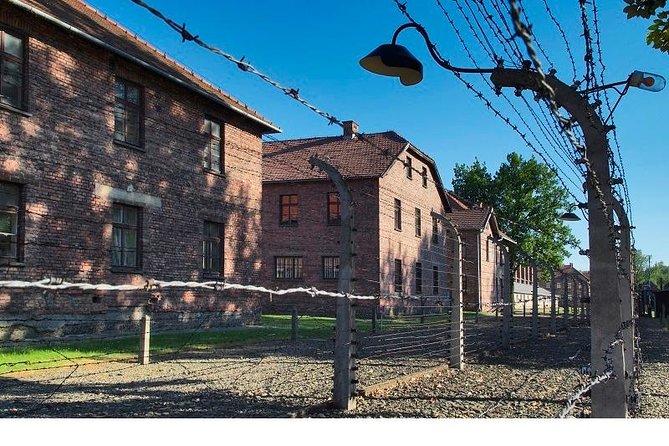
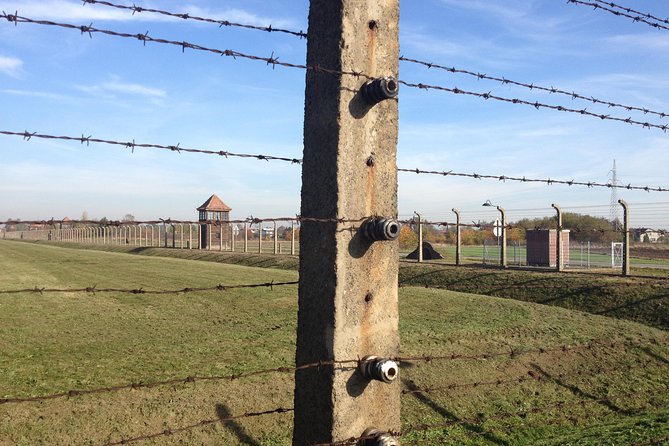
And yes, it’s emotionally intense. This is not a “quick history stop.” The day is designed so you can see Auschwitz I and Birkenau II with context, including crematorium and gas chamber areas, watchtowers, fences, and memorial grounds. You leave with a clearer understanding of how the system worked and what it cost human beings.
You can also read our reviews of more guided tours in Krakow

The ride to Oswiecim: pickup timing, the WWII video, and mental prep
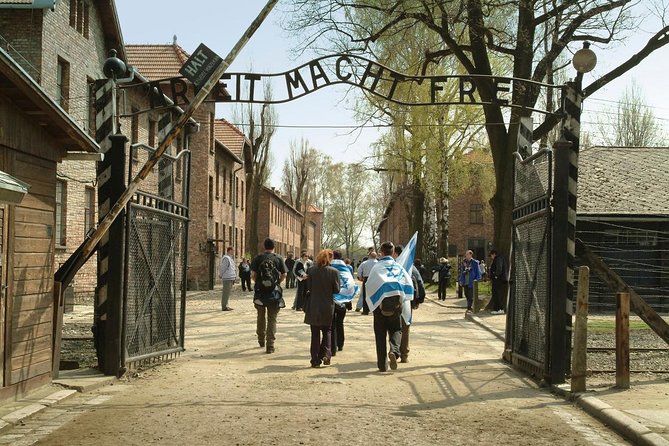
The tour starts with pickup at select Krakow hotels or at a central meeting point near the Main Post Office area. When pickup is offered, it typically arrives 30–40 minutes before departure. The exact departure time is messaged to you until the evening before, so plan your morning around that confirmation rather than a fixed number.
Then there’s the on-board WWII and Nazi Holocaust documentary. This is one of the smarter parts of the day. It gives you enough background to follow what the guide explains at the camps without turning every sentence into a guessing game. It won’t make the sites easier, but it makes the information more coherent.
The drive from Krakow to Oswiecim also affects your comfort. It’s an air-conditioned vehicle, and the group is capped at 30 people, which helps avoid the worst crowding. Still, you are in transit for a chunk of the day, and one review specifically flagged uncomfortable seating on the minibus for tall passengers. If that’s you, it’s worth picking a seat earlier on (where possible) and bringing patience for a long day.
Auschwitz I at the Panstwowe Muzeum: how the tour turns buildings into a story
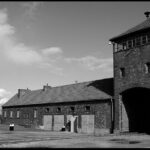
You start at the Auschwitz-Birkenau Museum complex, now a UNESCO World Heritage Site, and you enter through the infamous gate inscription Arbeit Macht Frei. The guide doesn’t treat it like a sightseeing photo spot. The focus is on explaining how the camp’s purpose evolved and how prisoners were processed and used.
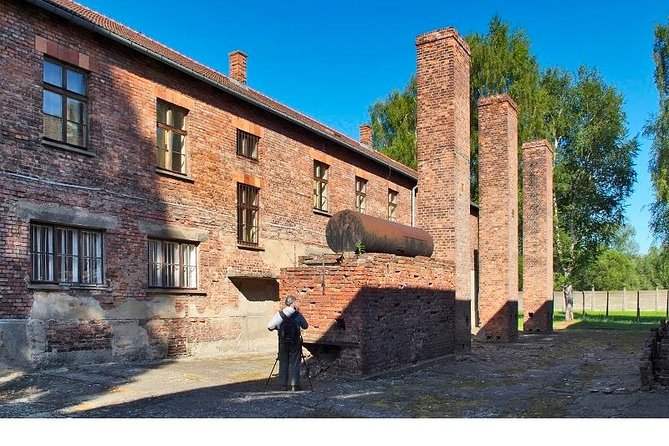
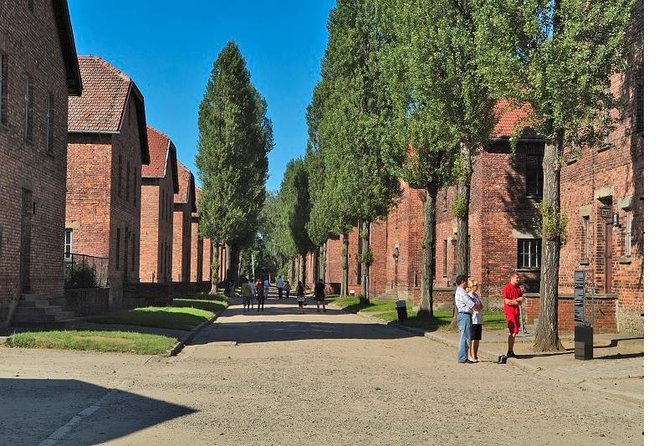
Your main time at Auschwitz I is guided and supported by the museum’s exhibitions and preserved areas. You’ll be shown key spaces like the old prison blocks and sites tied to how prisoners lived under the Nazi system. The tour includes time for the history of Auschwitz’s early purpose as a detention camp for Polish political prisoners, and then its expansion into a major center for the mass murder of primarily European Jews, with an estimated 1.1 million people killed.
What I like about this format is that it gives you a structure for what you’re seeing. Instead of wandering, you’re constantly anchored to a storyline: how the camp functioned, what different areas meant, and why the documentation and physical remains still matter today.
Practical note: Auschwitz I areas include covered sections, but they still involve a lot of walking through multiple rooms and corridors. Bring comfy footwear and expect to stand and move more than you think.
Birkenau II: gas chambers, crematoriums, and understanding the scale outdoors
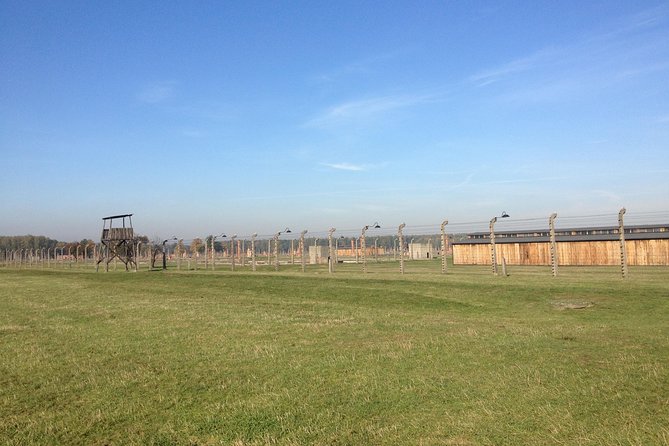
After Auschwitz I, the tour continues to Auschwitz II–Birkenau. This is where the scale hits hard. Birkenau is more open-air and more spread out, which is why the day can feel physically demanding, especially in summer weather.
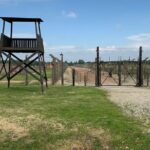
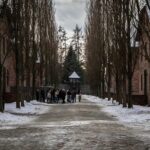
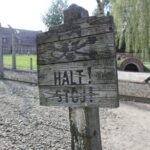
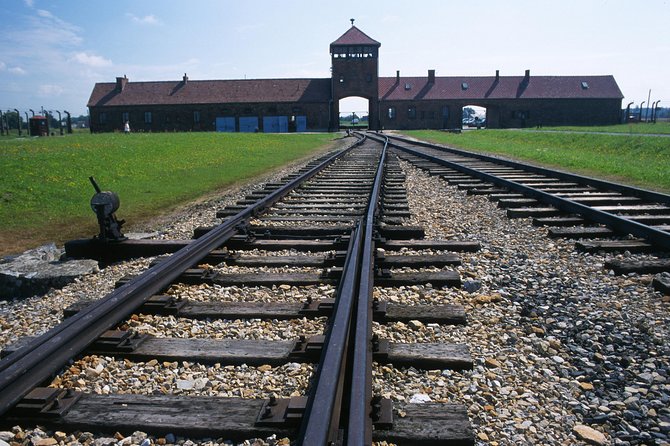
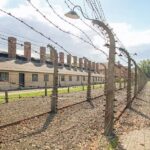
This part of the tour focuses on the systems of killing and the security architecture. You’ll visit areas tied to the crematoriums and gas chambers, and you’ll also see elements like watchtowers and fences—the places where guards controlled movement and access.
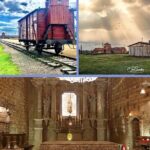
A detail worth knowing: one guide-focused highlight described an approach that encouraged a memorial-style mindset while walking along the rail tracks toward crematorium areas. That kind of framing matters. It keeps the tour from turning the grounds into a route you race through. You’re meant to treat it as a memorial walk, not a walking tour.
Also, there’s a real timing tradeoff here. Outdoor areas can’t be skipped, but the museum rules and fixed tour duration shape the pace. One person noted that it got dark and the tour had to skip parts, which is a reminder to plan for late-day light if you’re booking a later departure.
Memorials and respectful moments: what the best guides do with silence
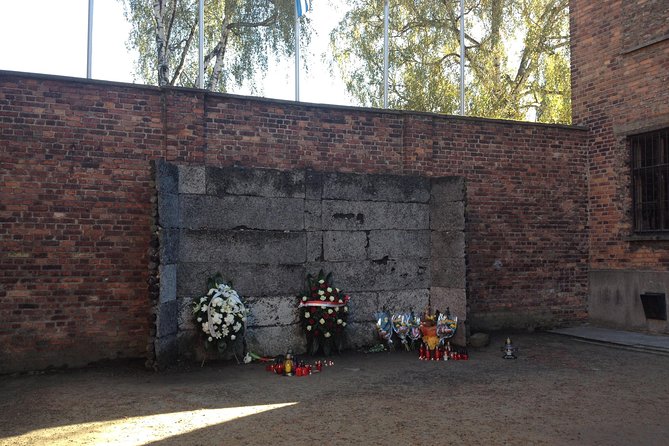
The tour includes paying respects at the camp memorial sites. This is where the right tone matters. The best guide feedback on this tour isn’t about jokes or charisma. It’s about being respectful, factual, and careful with the material.
A strong example from guide comments: one guide was praised for keeping a short three-minute silence near Block 11 and using the route through Birkenau as a memorial walk. Another highlight mentioned that guides answered questions while maintaining a serious approach, not turning the experience into something casual.
If you get a guide such as Mikael, Tomas, Patrycja, Andrew, or Magda (names that came up in guide feedback), you’re more likely to get that “tone set early” approach. The point isn’t to make the day calm. The point is to keep it grounded and respectful while you absorb what happened.
This is also why the headset matters. Even during memorial moments, you’ll often want to listen closely to how the guide explains what you’re looking at. With headsets, you can focus on the words without losing them to crowd noise.
You can also read our reviews of more museum experiences in Krakow



Pace, breaks, and what to pack for a 7-hour emotional marathon
This is one of those days where comfort affects your ability to process. You’ll spend a long time moving between Auschwitz I and Birkenau II, and while the schedule includes a short break, it’s not built like a normal sightseeing day.
One review specifically mentioned a limited break time—around 25 minutes at the first camp—where it’s essentially the main window to eat or drink. The tour’s not positioned as a food-inclusive outing, and the tour info says food and drinks aren’t included unless specified.
So here’s my practical packing checklist based on what people report helps:
- Water you can carry (don’t rely on camp vending as your main plan)
- Sunglasses + hat + sunscreen for outdoor Birkenau
- An umbrella or lightweight layer if weather changes
- Comfortable shoes for long walking stretches
One review also flagged that buying snacks inside can be pricier than typical street prices, and that camp availability may be limited. That’s not shocking, but it’s good to know so you’re not scrambling with little time.
And if you’re sensitive to discomfort: some reports mention the minibus can be tight, with limited legroom for taller passengers. If you have strong preferences, pick the earliest seat you can manage when you board.
Price and logistics: whether this guided format is worth it
Compared to DIY plans, paying for a guided day trip like this usually makes sense for three reasons.
First, the guide compresses the background you’d otherwise need to research. Auschwitz-Birkenau can feel overwhelming because there’s so much to see and so many locations. A live guide helps you connect the physical sites to what the system was doing at different stages.
Second, the transportation matters. Getting from Krakow to Oswiecim and back takes time and coordination. Here, you get an air-conditioned vehicle and a set schedule, plus drop-off back in Krakow at the central 2 Wielopole Street area.
Third, the headsets reduce stress. In a memorial setting, you don’t want to miss explanations because you’re too far from the guide. Better audio means better understanding.
That said, it’s also fair to acknowledge the tradeoffs. Some people felt the day was rushed. Others mentioned discomfort on the ride or that part of the tour could be hard to finish fully if timing runs later. This is the reality of a site with strict museum regulations and a fixed number of hours.
So the “value” is highest if you want structure and interpretation more than you want maximum unbroken time in every building.
Who this tour suits best (and who should reconsider)
This works well if you want a guided, English-language overview of Auschwitz I and Birkenau II with transportation from Krakow. It’s also a solid choice for people who prefer to show up with minimal planning beyond booking and arriving on time.
The physical aspect is moderate. The tour information notes moderate physical fitness is required. If you have mobility limitations or fatigue issues, you’ll want to think carefully about long walks across memorial grounds and the day’s length.
It’s also a good fit for adults and mature teens. One guide praise mentioned bringing grandchildren (ages 13 and 11) because the day left a lasting educational impact. If you’re traveling with young kids, you might want to judge whether the content and pace fit your family’s expectations.
If you hate long rides or tight seating, consider that potential drawback. A few people flagged minibus legroom issues and discomfort, so plan around it.
Should you book the Auschwitz-Birkenau guided tour from Krakow?
I’d book this if you want the core Auschwitz-Birkenau experience done with transport + an English guide + headsets, and you prefer to understand the story rather than trying to puzzle it out alone. At $83.44, the included admission and the guided interpretation are a fair package for a day that’s hard to replicate well on your own.
Skip it—or at least be cautious—if you strongly need lots of free time to move at your own pace inside the grounds, or if long transit and limited breaks would derail your comfort. This is a structured memorial tour, not a flexible day.
If you do book, go in prepared: comfy shoes, water, sun protection, and a mindset that this will be heavy. That’s not a downer. It’s part of getting the most out of the day in a respectful way.
FAQ
How long is the Auschwitz-Birkenau Museum and Memorial guided tour from Krakow?
The tour duration is about 7 hours.
Does the price include admission to the museum?
Yes. An admission ticket for the Auschwitz-Birkenau Museum is included for the main visit (Auschwitz I and Auschwitz II–Birkenau).
Is hotel pickup offered in Krakow?
Pickup is offered from selected Krakow hotels. If you don’t use pickup, you’ll meet at the main meeting point near the Main Post Office area.
Is the tour offered in English?
Yes, the tour is offered in English.
What’s included in the tour price?
Included are transportation (air-conditioned vehicle), a local live guide, and headsets to hear the guide clearly.
Is food or drinks included?
No. Food and drinks are not included unless specified.