REVIEW · KRAKOW
Krakow: Auschwitz Birkenau Museum Guided Tour with Pickup
Book on GetYourGuide →Operated by GR8 WAY · Bookable on GetYourGuide
Auschwitz is not a normal day trip. This Krakow tour takes you by hotel pickup to Auschwitz I and Auschwitz II-Birkenau, so you can see the real sites where the Holocaust unfolded and hear it explained by an English-speaking guide. I especially like that you get an on-site live guide (not just a self-guided shuffle) and that the visit focuses on the prisoners’ everyday reality, not vague generalities. The main consideration: the day can start very early, and time on the ground can feel fast given how much you’re asked to take in.
You’ll cover about 65 km each way, with guided time at Auschwitz I and Birkenau, plus museum entry included. It’s 7 hours total, so you’ll want to plan the rest of Krakow around one long, emotionally heavy block. The Auschwitz experience is not meant to be light—come prepared for hard history and lots of walking.
In This Review
- Key Points at a Glance
- What This Auschwitz Tour Really Gives You
- Pickup From Krakow: The Part You’ll Feel Most on Day One
- The Journey to Auschwitz: Why the Schedule Starts Early
- Stop 1: Travel and Arrival Flow to Auschwitz
- Auschwitz I: Where the Camp System Started
- Auschwitz II-Birkenau: When Scale Becomes the Story
- How the Guide Changes the Experience (Names You Might Hear)
- Skip-The-Line and Museum Entry: A Real Value Add
- What to Expect From the Day’s Pace
- Practical Tips That Make a Big Difference
- Water and vending machine headaches
- Expect lots of steps and uneven ground
- Who This Tour Is Best For
- FAQ
- FAQ
- How long is the Krakow to Auschwitz Birkenau guided tour with pickup?
- What price is this tour?
- Does it include hotel pickup and drop-off?
- Which camps will we visit?
- Is there an English guide?
- Is museum entry included?
- Is there skip-the-line access?
- What should I bring?
- Are large bags or luggage allowed?
- Should You Book This Auschwitz Tour From Krakow?
Key Points at a Glance
- Hotel pickup and drop-off: you don’t have to wrestle with buses first thing.
- English live guide + English audio: you’ll get context while you’re standing in the places.
- Auschwitz I and Auschwitz II-Birkenau: both camps, not just one.
- Skip the ticket line: it helps, even though security and crowds can still affect flow.
- Small group options: easier questions and less rushing between stops.
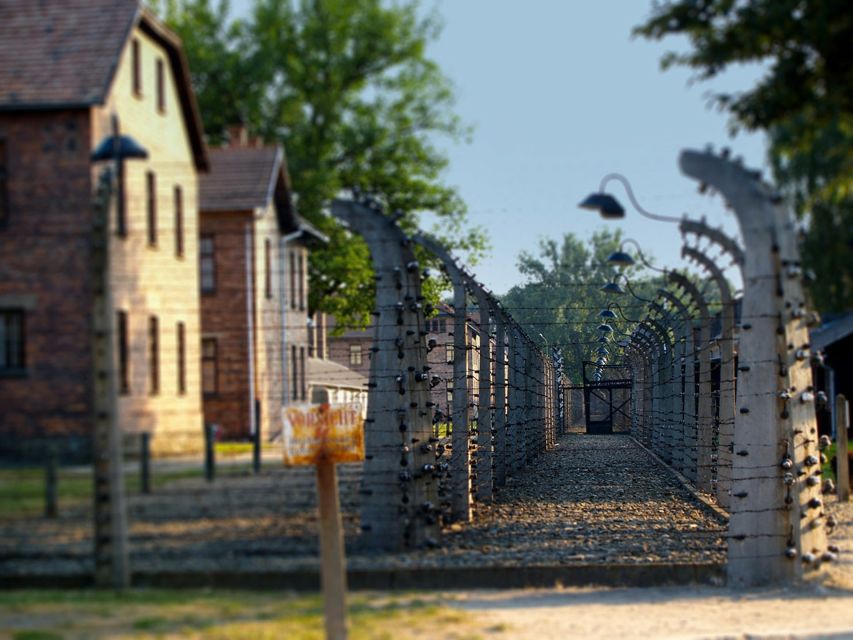
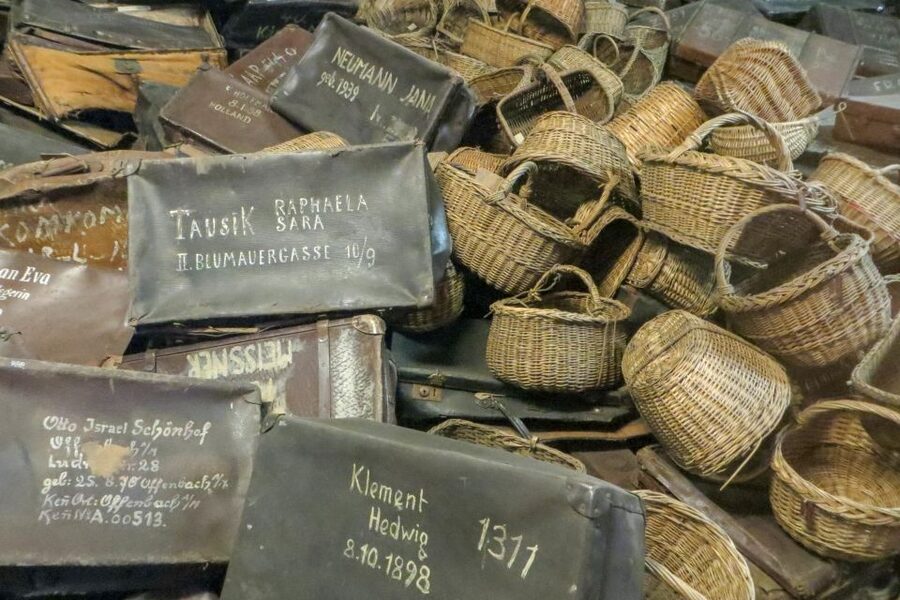
- Real, preserved evidence: barracks, watchtowers, rail ramps, gas chambers, and crematoriums.
What This Auschwitz Tour Really Gives You
This is one of those tours where the headline is simple, but the value is in what it prevents you from doing. Without a guide, it’s easy to get lost in the scale—what you see is vast, and the meaning can drift if you don’t have a narrative.
Here, the tour is built around a guided visit of Auschwitz I (where the camp system took shape) and Auschwitz II-Birkenau (the larger extermination-focused camp). You also get museum entrance included, plus the big time-saver of skipping the ticket line. That matters when you’re dealing with a busy, tightly scheduled day.
And you’re not just looking at buildings. The focus is on understanding the Holocaust—what was planned, how it was carried out, and what life was like for prisoners day to day. That’s the difference between seeing a place and understanding it.
You can also read our reviews of more guided tours in Krakow

Pickup From Krakow: The Part You’ll Feel Most on Day One
Your day starts with hotel pickup. If you’re staying around Krakow, the tour uses a minivan/air-conditioned vehicle setup to collect you from your address or a stated meeting location (Straszewskiego 14 is listed as the start point).
The drive is about 1.5 hours each way over roughly 65 km, so you’re not just taking a quick hop. You’re committing to a full half-day of travel plus guided time. That’s why the timing matters: even when you book a normal-sounding pickup window, the day can shift earlier depending on museum flow and departure logistics.
One thing I like here is that the tour is designed to reduce your stress. You’re not coordinating transit, translating signs, or hunting for the right entrance. You show up with ID and good shoes, and the rest is handled.
The Journey to Auschwitz: Why the Schedule Starts Early
The main drawback of this type of tour is also the reason it works: crowds and museum timing. The Auschwitz-Birkenau Memorial and Museum opens early, and lines can form fast. That’s why some departures run with very early pickups—sometimes in the pre-dawn hours.
If that sounds intense, it is. But it can pay off. When you’re early, you spend more of your time inside the camp and less of it waiting outside in the cold or heat.
Also note this: you’ll be doing a lot of walking once you’re there. The schedule often moves forward in a way that keeps the group on track. If you need long pauses to process what you’re seeing, build that into your expectations. You’ll want to treat the day as a sequence of stops—not a relaxed stroll.
Stop 1: Travel and Arrival Flow to Auschwitz
Before you ever reach the camp gates, you’ll have the bus/coach ride segment (about 1.5 hours) that positions you for entry on the timed visit.
Once you’re on-site, the tour structure typically follows a “get in, listen, walk, repeat” rhythm:
- security/entry flow,
- guided explanation at the key areas,
- then moving on to the next camp.
Because skip-the-line entry is included, you avoid one common headache. Still, expect you may experience some waiting tied to the museum’s on-site process and crowd levels. It’s not a problem with the tour so much as the reality of a very high-traffic site.
Auschwitz I: Where the Camp System Started
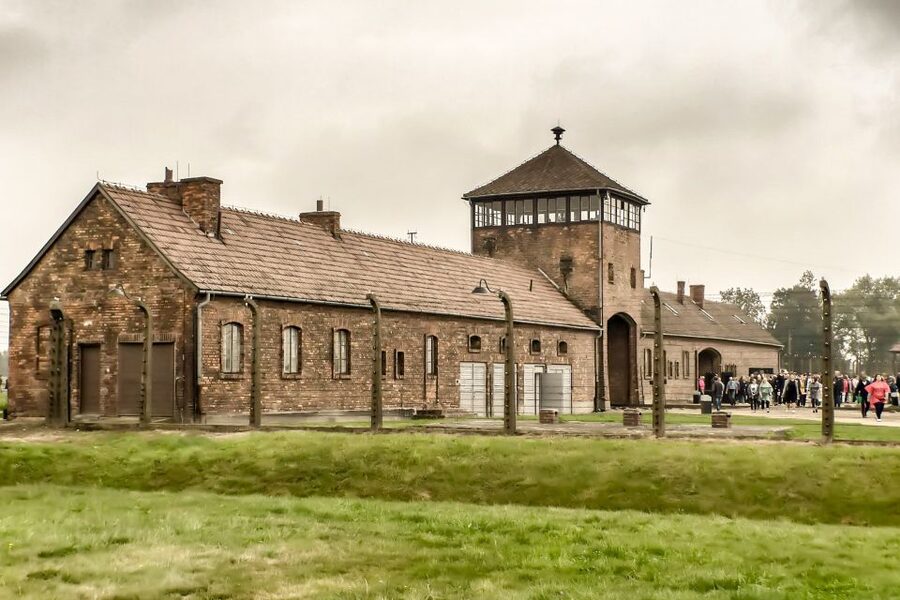
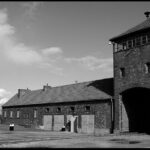
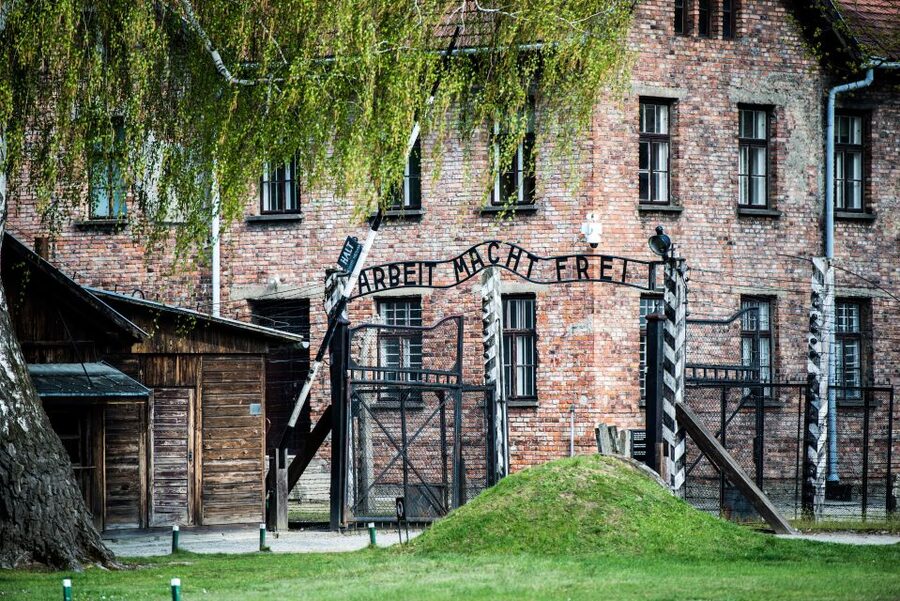
Auschwitz I is the place you visit first (with about 2.5 hours for the guided portion). This is where the camp system took hold, and it’s also where the preserved remains hit you in a different way than Birkenau.
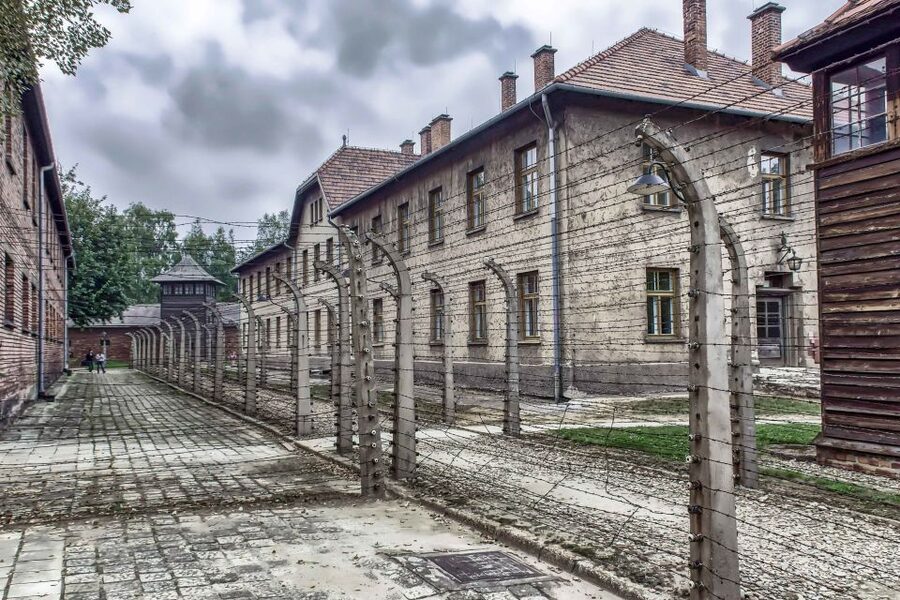
In Auschwitz I, you’ll see:
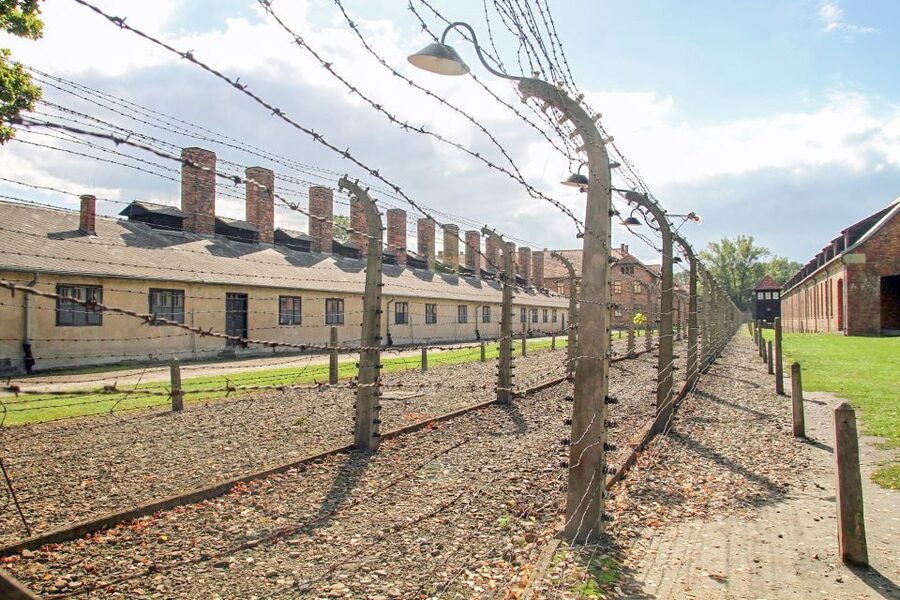
- remains of barracks,
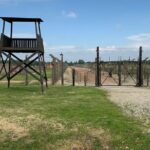
- watchtowers,
- key camp structures tied to the camp’s earlier operation,
- and the general layout that helps you understand how the Nazis built and expanded the system.
What I like about starting here is that it gives you a “map in your head.” Even if you’ve read about Auschwitz before, the physical arrangement helps you connect terms like camp expansion, prisoner transportation, and the changing functions over time. You’re not just hearing facts—you’re watching the story become visible.
One practical note: Auschwitz I includes areas that can be step-heavy and shaded in parts and exposed in others, so wear shoes you can trust and clothing you can layer.
You can also read our reviews of more museum experiences in Krakow




Auschwitz II-Birkenau: When Scale Becomes the Story
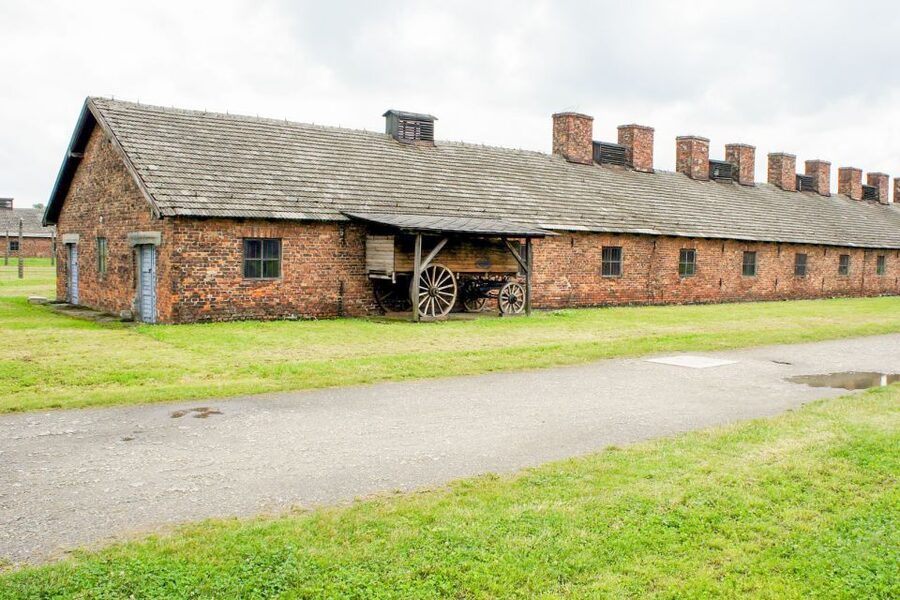
Birkenau is the second camp (guided time listed at about 1 hour, with additional time possible on-site depending on pacing). This is where the site’s scale really lands.
You’ll see major features tied to mass transport and the extermination process, including:
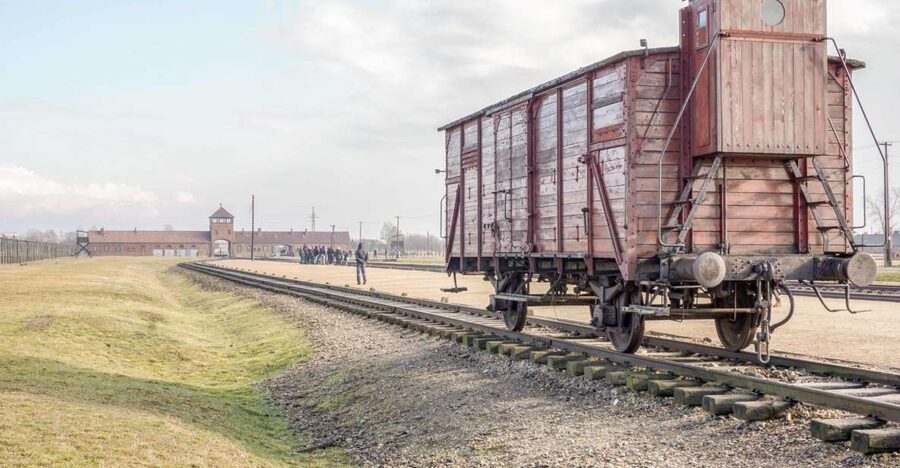
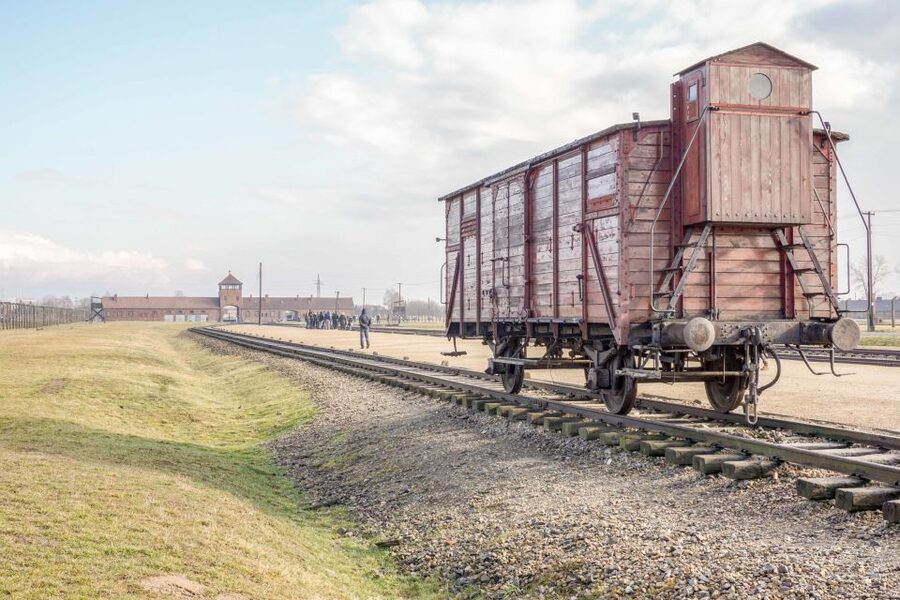
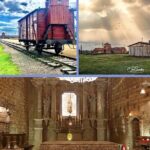
- railway ramps (how prisoners arrived),
- gas chambers,
- crematoriums,
- and the broader camp layout that shows how enormous the operation became once expanded.
This camp can feel emotionally overwhelming because it’s bigger, more open, and harder to wrap your mind around. The guide’s job here is crucial: you want an explanation that ties the physical remains to the human reality without turning the site into an abstract lesson.
Also, the walking can be uneven—Birkenau is known for rocky ground. So thick, grippy soles are your friend. If you’re thinking about wearing stylish shoes, don’t. Your feet will disagree.
How the Guide Changes the Experience (Names You Might Hear)
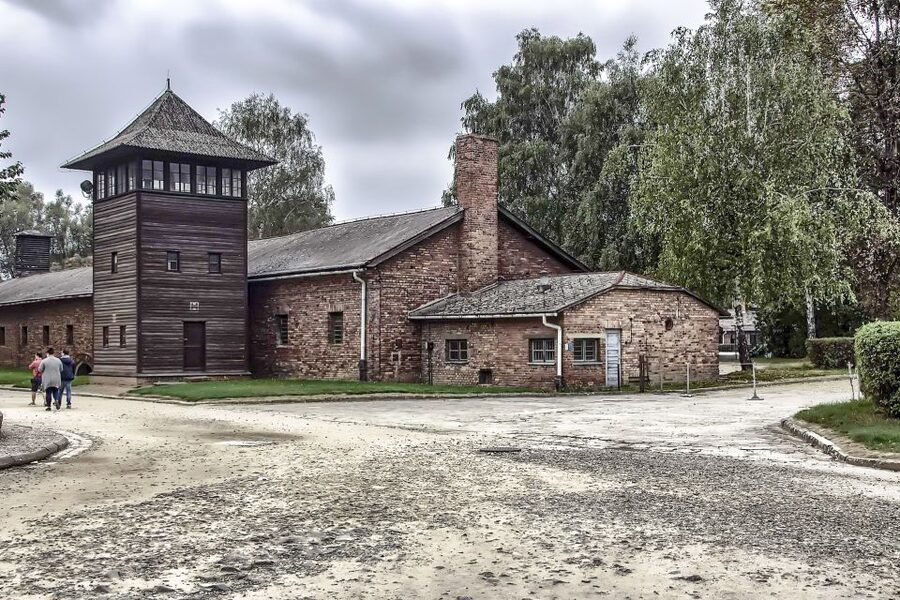
This tour is built around a professional English-speaking guide, and the difference shows up quickly. The guide helps you connect what you see—watchtowers, barracks, transport routes, and industrial remnants—to how the system functioned and what prisoners experienced.
On some departures, guides reported include Anna, Susannah, and Sofia. The driver names reported include Damien. Your exact team can vary, but the key point stays the same: you’re getting live interpretation, not just signage.
One more detail: an audio guide in English is included. So if you miss a sentence while you’re processing the scene, you’re not completely stuck.
Skip-The-Line and Museum Entry: A Real Value Add
Let’s talk value for a moment. The listed price is $8 per person, and it includes:
- hotel pickup and drop-off,
- air-conditioned transport,
- professional English guide,
- and entrance to the museum,
- plus skip-the-ticket-line access.
That combination is what makes it feel like good value. You’re paying for access and interpretation, and you’re not spending your morning figuring out transit and entrances.
Just keep one reality in mind: Auschwitz is not a “quick look and move on” museum. Even with guided time and skip-the-line entry, the site itself requires time and emotional attention. This is not the kind of tour where you can treat it like a checklist item.
What to Expect From the Day’s Pace
The total duration is listed as 7 hours. A typical rhythm looks like:
- pickup and travel (about 1.5 hours),
- guided time at Auschwitz I (about 2.5 hours),
- guided time at Birkenau (about 1 hour),
- then return travel (about 1.5 hours).
That’s a lot of ground in one day, and it can feel fast—especially if you’re someone who likes to stop and read every sign slowly. In practice, the group pace is designed to keep you from missing key areas and to fit the scheduled guided blocks.
If you want extra control over your own tempo, consider adding a bit of planning for free time back in Krakow afterward. The tour day itself is about structured learning and moving between the two camp sites.
Practical Tips That Make a Big Difference
Auschwitz is one of those places where small planning choices matter a lot.
Bring:
- Passport or ID card (full name must match booking name for entry),
- comfortable shoes (thick soles for Birkenau),
- weather-appropriate layers.
Avoid:
- luggage or large bags,
- alcohol and drugs,
- pets.
There’s also a key requirement: when booking, you must provide your full name and contact details to meet museum requirements. Entrance may be refused if the name doesn’t match your ID exactly. Double-check spelling.
Water and vending machine headaches
A practical tip from on-site experience: water vending machines can be expensive, and if a machine misbehaves, support might not be right there. If you can, bring your own water before the tour starts. There’s a cafe at Auschwitz I before some entry points, but you don’t want to gamble on timing when you’re about to start walking.
Expect lots of steps and uneven ground
Plan on steps up and down, plus rocky, uneven terrain at Birkenau. This isn’t about being dramatic—your legs and feet will feel it.
Who This Tour Is Best For
This tour is a strong fit if:
- you want hotel pickup so you can sleep in slightly (or at least avoid navigation stress),
- you value an English-speaking guide to connect what you see to what it means,
- you’re comfortable with an emotionally heavy, fact-driven visit.
It may be less ideal if:
- you need a super-slow pace to process each area without moving as part of a group schedule,
- you’re traveling with large luggage that you can’t store for the day (the tour rules restrict large bags),
- you’re not ready for early starts on some departure options.
If you’re debating between doing Auschwitz in one structured day vs. splitting time, remember this: doing it with a guide is often what helps the experience feel clearer, not just darker.
FAQ
FAQ
How long is the Krakow to Auschwitz Birkenau guided tour with pickup?
The total duration is listed as 7 hours.
What price is this tour?
The price is listed as $8 per person (check availability for starting times).
Does it include hotel pickup and drop-off?
Yes. Free hotel pickup and free hotel drop-off are included.
Which camps will we visit?
You’ll visit Auschwitz I and Auschwitz II-Birkenau.
Is there an English guide?
Yes. The tour includes a live English guide, and an English audio guide is also included.
Is museum entry included?
Yes. Entrance to the museum is included.
Is there skip-the-line access?
Yes. Skip the ticket line is included.
What should I bring?
Bring your passport or ID card, comfortable shoes, and weather-appropriate clothing.
Are large bags or luggage allowed?
No. Luggage or large bags are not allowed.
Should You Book This Auschwitz Tour From Krakow?
Book it if you want a structured, guided Auschwitz day with hotel pickup, museum entry included, and English interpretation. The biggest reason to book is practical: you avoid transit headaches and you get help understanding what you’re seeing at both Auschwitz I and Birkenau.
Skip it only if you know you can’t handle group pacing, early departures, and a long day with lots of walking. If you can meet those realities, this is a straightforward way to visit the UNESCO World Heritage–listed memorial with the context you’ll wish you had while standing in the camps.