REVIEW · KRAKOW
Galicja Jewish Museum
Book on GetYourGuide →Operated by Discover Cracow · Bookable on GetYourGuide
A museum like this can change how you see a whole region. Galicja Jewish Museum uses photography and WWII context to honor victims and bring Jewish Galicia into focus. I like the way the permanent exhibition is built around a single, clear theme, and I like that it gives you space to reflect without rushing. The main thing to consider is that it’s photo-heavy rather than artifact-heavy, so if you’re only looking for objects, you may want to manage your expectations.
One more plus for planning: the museum layout is easy to navigate, and you can easily build a calm visit into a day that also includes Kraków classics. Just be ready for a ticket that arrives by email and needs a printed copy at the door.
In This Review
- Key highlights to look for
- Galicja Jewish Museum: what you’re really seeing
- Entering Traces of Memory and getting oriented
- 140+ photographs of former Galicia: why the images matter
- The founder’s role: Chris Schwarz and the museum’s voice
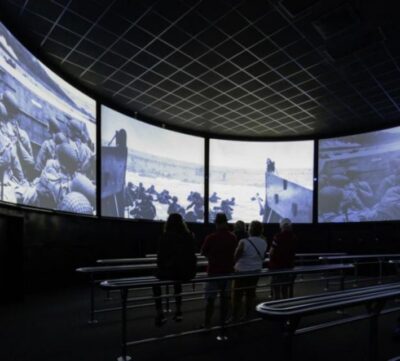
- WWII moving pictures: what you watch and how to handle it
- Temporary exhibitions, concerts, talks, and the cafe reset
- The bookshop: a smart way to leave with context
- Price and what it’s worth for a 1–2 day window
- Kraków City Pass and City Card: how to save
- Timing, meeting point, and getting there without stress
- Your practical visit checklist (the stuff that can trip you up)
- Who this museum fits best
- Should you book the Galicja Jewish Museum ticket?
- FAQ
- What does the ticket include?
- How much does the Galicia Jewish Museum ticket cost?
- How long is the experience valid?
- What if I can’t print the ticket email?
- Is transportation included?
- When is the last time I can enter?
- Is entry free with Kraków cards?
- Is smoking allowed inside?
Key highlights to look for
- Traces of Memory: a permanent exhibition built from years of artistic work
- 140+ photographs mapping remnants of Jewish presence in former Galicia
- WWII moving pictures that show Jewish life during the war
- A focused, respectful purpose: remembrance plus celebration of heritage
- More than exhibitions: cafe, temporary shows, concerts, talks, workshops
- On-site bookshop with titles in Polish, English, and German
Galicja Jewish Museum: what you’re really seeing
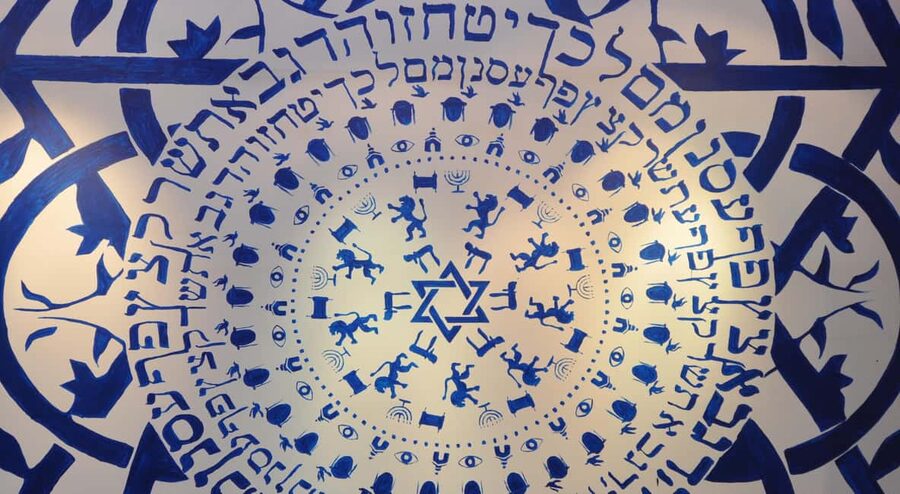
Galicja Jewish Museum exists to do two jobs at once: remember the victims of the Holocaust and also celebrate the Jewish culture of Polish Galicia. That combination matters. Too many exhibits either lean only toward history-as-tragedy or only toward culture-as-memory. Here, the approach is more human: you start with a long timeline—800 years of Jewish presence—and then you watch how that world was destroyed during WWII.
For me, the heart of this museum is the way it treats photography as evidence and as feeling. You’re not just looking at images. You’re reading what’s missing, what’s left behind, and why a place can be both familiar and gone.
You can also read our reviews of more museum experiences in Krakow
Entering Traces of Memory and getting oriented
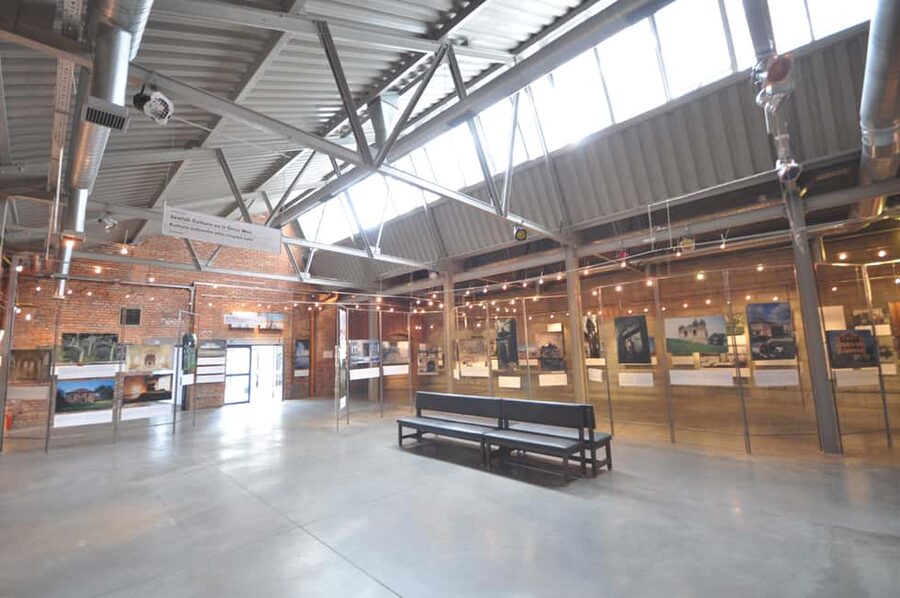
The permanent exhibition, called Traces of Memory, is the center of the visit. It’s the product of twelve years of artistic work, and it’s designed as an educational and emotional route through the story of Jewish life in southern Poland—historical Galicia.
As you move through the galleries, the museum’s goal becomes clear: it’s building a map of memory. The exhibit doesn’t try to overwhelm you with unrelated themes. Instead, it repeatedly brings you back to one idea—Jewish culture in Galicia lasted for centuries, and WWII marked a deliberate process of destruction.
If you like exhibits with a strong structure, this one is for you. If you prefer quick browsing, you can still see the core areas, but you’ll probably get more out of it if you slow down and actually read the captions and context.
140+ photographs of former Galicia: why the images matter
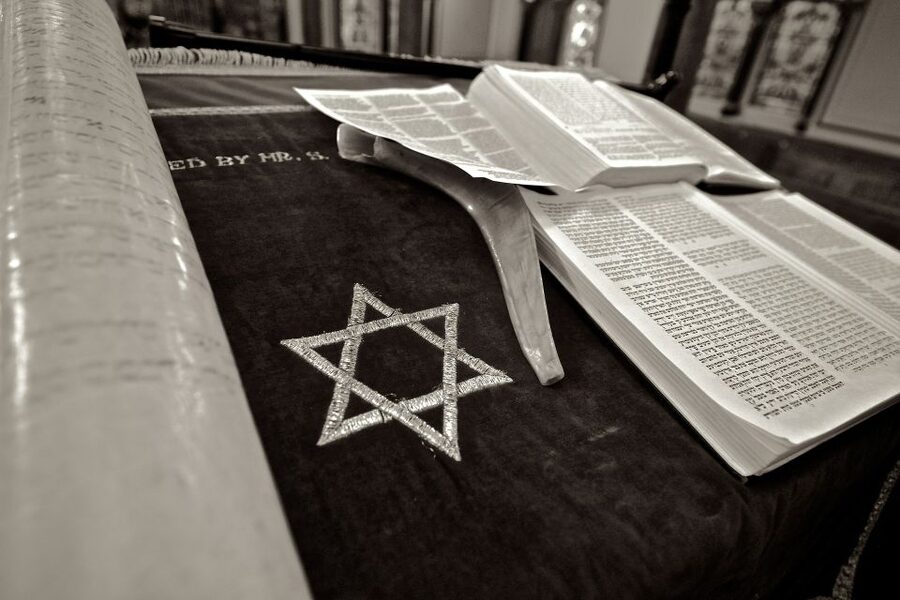
One of the museum’s most praised elements is its photo collection. The museum’s founder produced the images that form the backbone of the permanent show, and the exhibition features more than 140 photographs. The emphasis is on what remnants of Jewish presence can look like after centuries—and after catastrophe.
Here’s what makes that powerful for your visit: photos can show details you won’t get from general summaries. You can notice streets, buildings, memorial traces, and the visual texture of daily life. That’s the difference between learning about Galicia and seeing how Galicia looked.
There is, though, a practical consideration. Since this museum is largely photographic, it may feel less like a traditional museum of objects and more like a carefully designed historical presentation. If your ideal museum experience is artifact cases and physical items, plan to lean into the images and the stories that go with them. You’ll get the most value by treating the exhibit like a guided narrative—one where each image is a piece of the chain.
The founder’s role: Chris Schwarz and the museum’s voice
The Galicia Jewish Museum was established by Chris Schwarz, a British photographer whose work focuses on Jewish culture in Poland. He served as the museum’s director before he died in 2007. That personal authorship shapes the museum’s tone.
You can feel it in how the photos are presented: not as random snapshots, but as a deliberate attempt to document, preserve, and interpret. It also explains why the museum’s permanent exhibition leans so heavily on photography rather than on typical museum collecting.
For you as a visitor, that background helps you read the museum better. When you know who shaped it, the exhibit feels less like a generic archive and more like a living project—one that was meant to keep memory from fading.
WWII moving pictures: what you watch and how to handle it
The highlights of the museum also include moving pictures showing Jews during WWII. This is the part of the visit that can hit hardest, because film doesn’t let you control the pace the way still images do. You’re watching history unfold, and that can make the emotional weight arrive faster.
I suggest you prepare for that shift in tone. If you’re sensitive to difficult material, take a breath before you enter the film section. Then, after, give yourself a little space before you continue. Even a short pause—standing back, looking again at the wall text, or stepping into the next room more slowly—can help you keep the story connected without feeling steamrolled by it.
Film is also one reason this museum works well even if you don’t speak Polish fluently. Visual storytelling carries meaning even when you’re still catching up on written details. You’ll get more by reading what you can, but you won’t be totally locked out if you’re relying on your own language skills.





Temporary exhibitions, concerts, talks, and the cafe reset
The museum doesn’t only do permanent galleries. It also has space for temporary exhibitions and hosts concerts, meetings with authors, lectures, and workshops. That’s a nice advantage because it keeps the museum from feeling frozen in time. Depending on when you go, the museum may add new perspectives or highlight specific angles of Jewish culture and memory.
Then there’s the practical side: you have a cafe on site. After walking through heavy subject matter, a place to sit and reset is not a luxury. It’s part of how you turn an emotionally intense visit into something sustainable.
If you want to extend the day without turning your trip into a sprint, plan the museum visit, then use the cafe time as your “processing window.” You’ll come out calmer, and you’ll retain more of what you read.
The bookshop: a smart way to leave with context
Before you go, don’t skip the bookshop. It offers books in Polish, English, and German, covering Jewish life and culture as well as the Holocaust, Jewish thought, identity, and literature.
This is valuable because it helps you keep the museum from being only a one-hour lesson. If a photograph or theme sticks with you, the right book can expand what you saw. Even if you don’t buy anything, browsing helps you notice which topics you cared about most—then you can decide what to follow up with later.
Price and what it’s worth for a 1–2 day window
The ticket price listed is $4.33 per person, which is frankly hard to beat for a museum that combines centuries of history, a strong permanent exhibition, and WWII film. When the content is this focused—800 years of Jewish culture in Galicia plus the story of destruction—you’re paying for meaning, not for added frills.
You also have flexibility in the sense that the ticket is valid for 1–2 days. That’s useful if you want to pair the museum with other Kraków sites, or if you want a second bite at the permanent exhibition when you have more time.
If you’re trying to plan efficiently, remember the museum has a firm closing rhythm. Last entrance is 90 minutes before closing, so build your schedule with some cushion. The museum is meant to be read, not rushed.
Kraków City Pass and City Card: how to save
If you have a Krakow City Pass or a Krakow City Card, you may have free entry, depending on the specific card rules. The info provided notes that for Krakow City Card holders, entrance is free of charge.
Also, the Krakow City Pass is designed to bundle access to 36 of Kraków’s best museums and landmarks for 1–3 days. If you’re already planning a multi-museum day, this can turn your itinerary into a better value overall—especially if you’re hitting major sites like Schindler’s Factory and Kraków’s underground museum options.
Timing, meeting point, and getting there without stress
The experience is run through Discover Cracow, and the exact meeting point may vary depending on the option booked. The activity ends back at the meeting point.
Transportation is not included, so you’ll want to handle getting to the museum on your own. That’s usually not a problem in Kraków, but it does mean you should confirm your route ahead of time so you don’t lose your museum time buffer.
Also, opening hours can differ from what you might see elsewhere, so it’s smart to verify before you head out that day.
Your practical visit checklist (the stuff that can trip you up)
- Bring your ID if you have it handy; you’ll be dealing with a ticket check.
- No smoking is allowed.
- You’ll receive a separate ticket via email, and only a printed version is accepted.
- If you can’t print your ticket, you can print it at Plac Szczepański 8.
- Plan around the 90-minute-before-closing last entrance rule.
Small details like these save headaches. When you’re visiting a museum with heavy themes, you don’t want your stress to be the loudest emotion you carry in.
Who this museum fits best
This is ideal if you:
- care about Jewish history in Poland and want a story anchored in images
- like museums that treat memory seriously, without turning the topic into spectacle
- want a calm, readable pace with room to reflect
It’s less ideal if you:
- only want object-based displays and dislike photo-led exhibitions
- are looking for a light, casual stop with minimal reading
If you like a morning that starts reflective and ends with a cafe break, this museum fits that rhythm well.
Should you book the Galicja Jewish Museum ticket?
Yes—if you want a meaningful, well-structured museum visit at a low price. The combination of Traces of Memory, 140+ photographs, and WWII moving pictures gives you both cultural context and historical consequence. Even with the note that it’s more photo-driven than artifact-driven, it still delivers strong learning and strong emotional weight.
I’d book it if you have at least a couple hours and you’re willing to read captions and let the images do their job. If you’re the type who rushes through museums, you might leave feeling like you skimmed something important. But slow down, plan your timing around last entrance, and you’ll get real value from the time you spend here.
FAQ
What does the ticket include?
You get a separate ticket sent via email. Only the printed version of that ticket is accepted.
How much does the Galicia Jewish Museum ticket cost?
The price is listed as $4.33 per person.
How long is the experience valid?
The ticket is valid for 1–2 days. You’ll need to check availability to see starting times.
What if I can’t print the ticket email?
You can print the ticket at Plac Szczepański 8 if you can’t print it yourself.
Is transportation included?
No. Transportation is not included.
When is the last time I can enter?
Last entrance is 90 minutes before closing.
Is entry free with Kraków cards?
For Krakow City Card holders, entrance is free of charge.
Is smoking allowed inside?
No, smoking is not allowed.