REVIEW · VIENNA
Sigmund Freud Museum Ticket
Book on GetYourGuide →Operated by Sigmund Freud Museum · Bookable on GetYourGuide
Freud’s story lives in real rooms. At Berggasse 19, this museum walks you through where Freud worked and lived, then asks you to look closer with the phone-based AR scene Freud’s Couch.
I love the private rooms layout, especially how it starts with the same entrance and the historic steps up to the mezzanine where the family lived. I also like the audio recordings of Sigmund Freud and Anna Freud, plus the unique 1930s film footage.
One possible drawback: some of the rooms can feel dim, so bring patience for reading captions and listening carefully instead of trying to rush.
In This Review
- Quick hits before you go
- Berggasse 19: the feeling of stepping into psychoanalysis
- Private rooms and Freud’s working life: what you can actually see
- The AR installation Freud’s Couch: seeing absence with your phone
- Audio voices and 1930s family film: the human scale
- From expulsion to exile: the museum doesn’t soften the timeline
- Freud’s office and Hidden Thoughts of a Visual Nature
- Timing and tickets: how to plan your 1-day visit
- Practical details that affect your experience
- Families, mental health professionals, and curious generalists
- Museum shop and café: where to decompress
- Should you book the Sigmund Freud Museum ticket?
Quick hits before you go
- Berggasse 19, the famous address: use the historic entrance Freud and his patients used, then climb the old steps to the mezzanine.
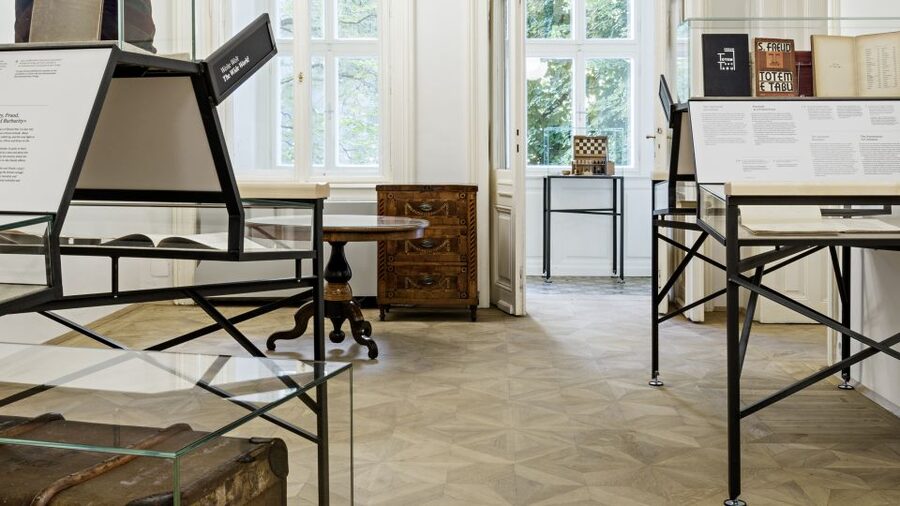
- Work and family life in the same spaces: you’ll move through the rooms where Freud practiced for years and where the Freuds lived.
- Freud’s Couch AR on your phone: start the installation right where the couch used to be, using your device to place it in context.
- Voices and film material: hear recordings of Sigmund and Anna Freud and watch rare family footage from the 1930s.
- A hard section on expulsion and exile: you’ll see the museum’s account of the Nazi period after Freud’s expulsion, including what happened at Berggasse 19 and the family’s flight to London.
- Conceptual art in Freud’s office: inside Freud’s office, you’ll find the permanent exhibition Hidden Thoughts of a Visual Nature, with works by artists like John Baldessari and Joseph Kosuth.
Berggasse 19: the feeling of stepping into psychoanalysis
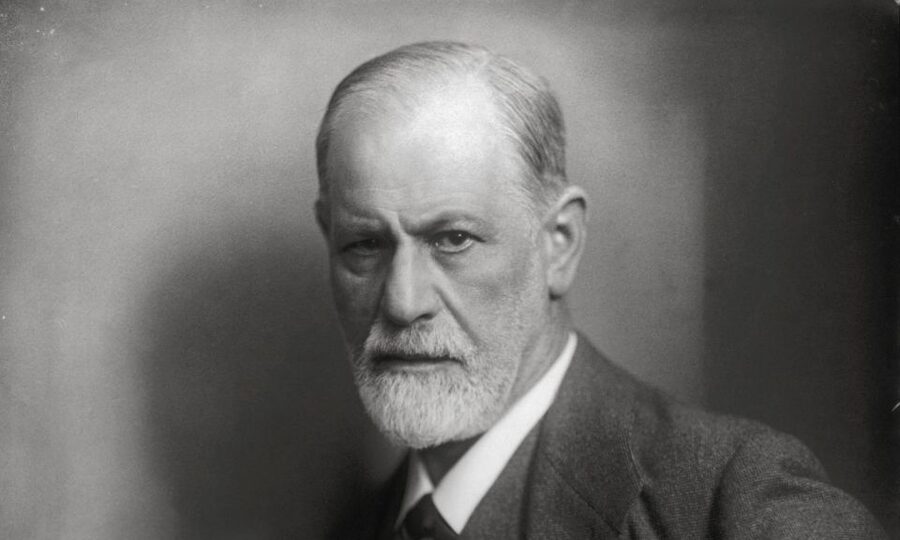
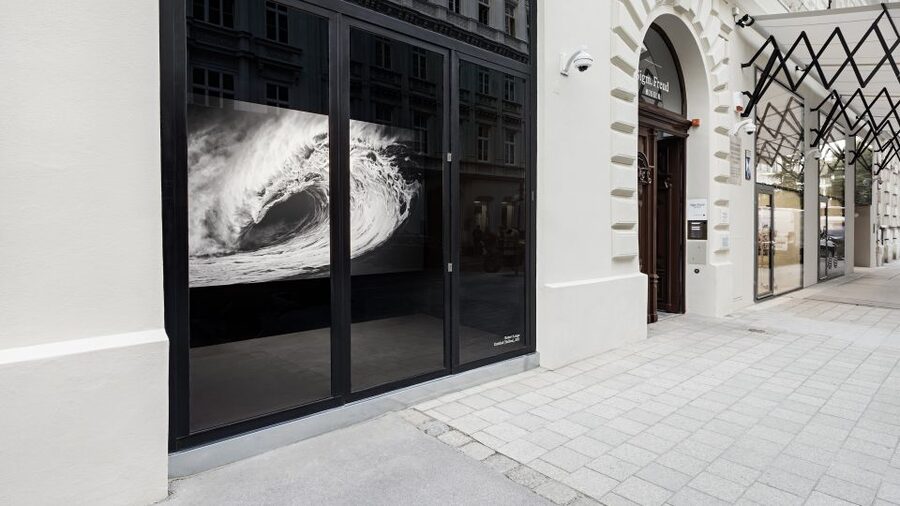
The address matters here. Berggasse 19 is not just a street name in Vienna; it’s the setting for the work that helped shape psychoanalysis. The museum keeps pulling you back to place—where you are, which rooms you’re in, and what those rooms were used for.
You’ll start at the main entrance and enter through the same kind of route Freud’s patients would have taken. That small detail changes the whole experience. Instead of viewing a biography behind glass, you get the sense of moving through a real apartment-cum-clinic, with everyday rooms turned into working space.
A few more Vienna tours and experiences worth a look


Private rooms and Freud’s working life: what you can actually see
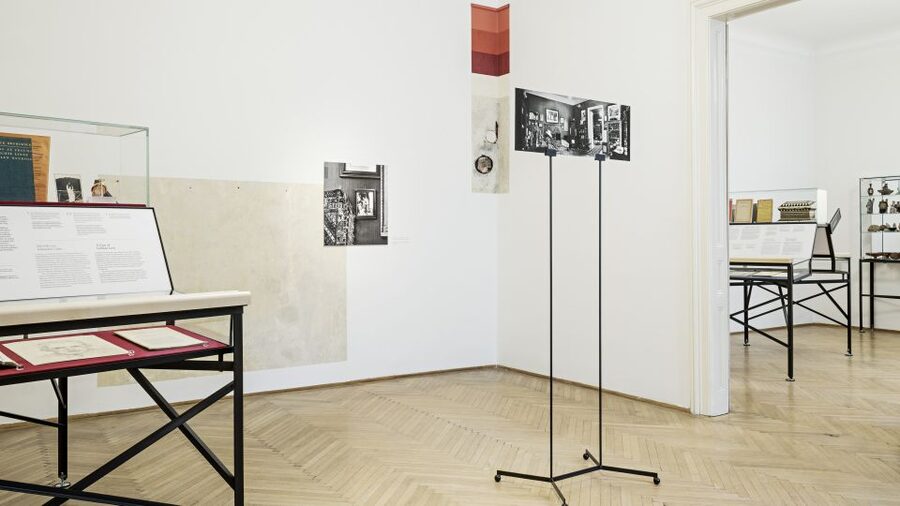
The museum is built around rooms. You’ll go through the private quarters and the professional spaces Freud used for about half a decade, when he was creating and refining ideas that became central to psychoanalysis.
A major highlight is the historic progression inside the building. After the entrance, you take the historic steps up to the mezzanine, where the Freud family lived. Then you move through an intellectual Vienna—turn-of-the-century rooms connected to Freud’s professional stations and personal life.
Expect exhibits that focus on more than dates. You’ll see professional materials tied to how Freud worked, including rare print items and early publications. The museum also presents offprints and presentation copies, which help you understand the “making” of theory, not just the final product.
This is a place where you’ll likely notice two things at once: the man’s ambition and the routine of living inside the work. That balance is part of what makes the museum so emotionally effective, even if you don’t consider yourself a psychoanalysis person.
The AR installation Freud’s Couch: seeing absence with your phone
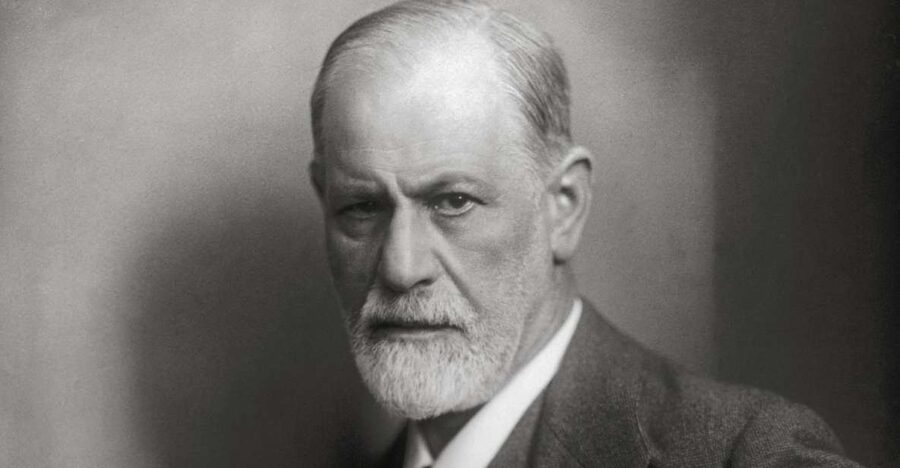
The museum’s Freud’s Couch AR experience is one of the cleverest ways to handle a problem that comes with history: objects don’t always remain where they once were.
You start the installation on your phone right where the famous couch used to sit. That positioning matters. Instead of getting a generic digital recreation somewhere else, the museum ties the idea of the couch to the room itself and the physical sense of where it would have belonged.
If you like interactive museum tech, this is the part you’ll probably keep thinking about afterward. It turns a famous image into something spatial and specific, rather than a floating icon.
Tip: treat your phone as part of your museum visit. The AR feature is a key layer of the experience, so make sure your device is ready to use for the installation.
Audio voices and 1930s family film: the human scale
Text can explain Freud. Audio and film do something different. In this museum, you can hear recordings associated with Sigmund Freud and Anna Freud, which brings a human temperature to the story.
You’ll also encounter unique film material from the 1930s. That matters because it shifts you from reading about ideas to seeing a family and a moment in time. The museum uses these materials to make Freud feel less like a marble statue and more like a person with relationships, habits, and stakes.
This human scale is also where the museum becomes unexpectedly emotional. Even if you come for the intellectual story of psychoanalysis, the recordings and footage push you toward the lived reality behind the theories.
From expulsion to exile: the museum doesn’t soften the timeline
One section of the museum takes on the dark years directly. The building’s story includes the period after Freud was expelled, when Nazi violence reached Berggasse 19. The museum describes the time fraught with Nazi terror, including that Jews were collected at Berggasse 19.
Then you’ll move into a separate area devoted to Freud’s flight into exile in London with his closest family, including his brother Alexander. The museum also addresses the fate of Freud’s sisters—Rosa, Marie, Pauline, and Adolfine—and how their lives ended in Nazi extermination camps.
This isn’t framed as “tragic history” in the abstract. It’s grounded in the house and in the family ties that were severed. If you’re sensitive to this kind of content, plan your emotional pacing. You don’t have to rush through it to “get it done.”
You can also read our reviews of more museum experiences in Vienna




Freud’s office and Hidden Thoughts of a Visual Nature
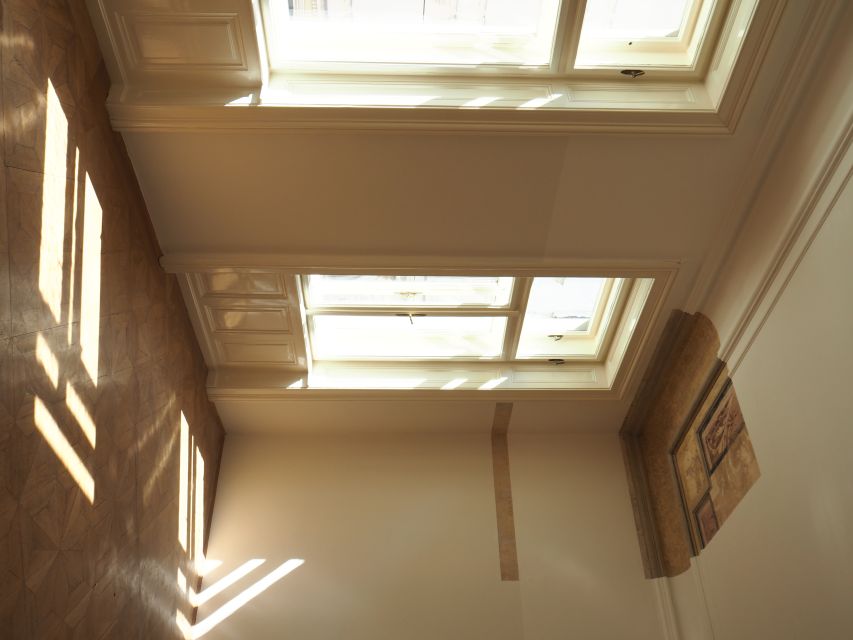
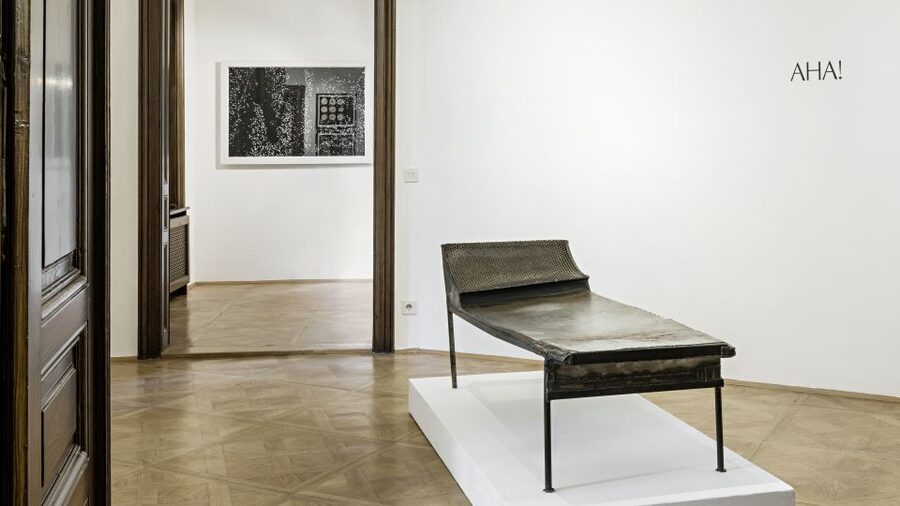
In Freud’s former office, the museum adds another layer. The permanent exhibition Hidden Thoughts of a Visual Nature presents selected conceptual artworks from the museum’s collection.
You’ll see works by major artists including John Baldessari, Joseph Kosuth, Susan Hiller, Franz West, and Haim Steinbach, among others. It can feel like a left turn at first if you’re expecting only historical artifacts from Freud’s life.
But the connection is the point. The museum uses conceptual art to echo themes of interpretation—how people look, how meaning gets constructed, and how ideas travel between disciplines. It’s one of the ways the museum avoids turning Freud into a closed chapter.
If you enjoy museums that ask questions rather than simply tell stories, this section will likely click for you.
Timing and tickets: how to plan your 1-day visit
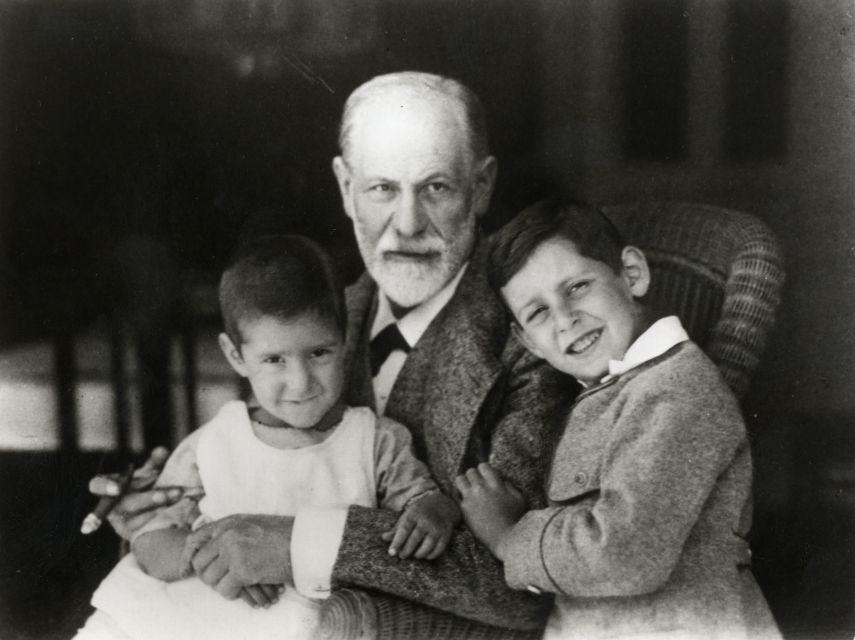
Your ticket is for admission for 1 day, and you can choose starting times based on availability. The museum also notes skip-the-ticket-line service, and your voucher is presented at the main entrance.
How long should you plan? In practice, you can do a focused circuit in about an hour or two, but it’s easy to spend more time when you slow down for readings, audio points, and the AR layer. If you want breathing room, give yourself at least a couple of hours.
Crowds matter in a museum like this. If you prefer a quieter run through the rooms, consider arriving earlier in the day so you can read and listen without constantly stepping aside.
Practical details that affect your experience
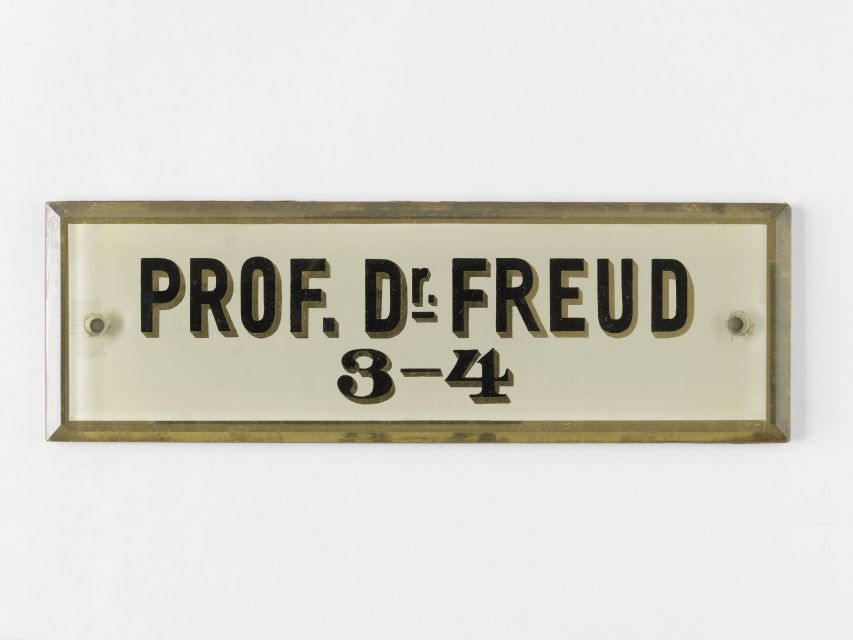
A few rules and comfort points can help you enjoy the visit more.
- No flash photography inside the museum. Plan on using normal light conditions for pictures, or skip photos and focus on the exhibits themselves.
- The visit uses a newly built staircase connecting all floors. That helps orientation and keeps you moving through the storyline across levels.
- The museum has a café and shop at the end, which is handy because this is a place where your brain will want a break after the heavy sections.
Also, opening hours can change, so check before you go. It’s the kind of museum where showing up on the wrong time can feel especially annoying.
Families, mental health professionals, and curious generalists
This museum works for different kinds of visitors, even if your reasons for going are totally different.
If you’re coming as a mental health professional, you’ll likely feel the clinical details more sharply when you see Freud’s practice spaces and the materials connected to his work. The museum also frames psychoanalysis in a historical way, not just as a slogan.
If you’re traveling with kids, you might appreciate the playful elements built into the visit. There are puzzle-style stickers in rooms that help younger visitors look closely, and there’s even a board game in the shop that some people find hard to resist.
If you’re just curious, you’ll still get plenty. The museum has room-by-room storytelling, plus the combination of audio, film, and interactive AR.
Museum shop and café: where to decompress
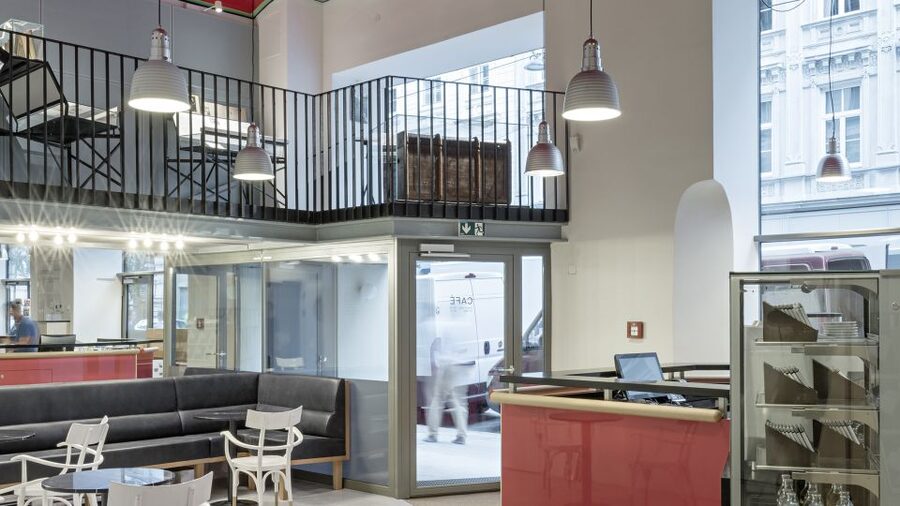
Before you leave, the museum ends with a shop and café. You can browse books and gifts, then grab a Viennese coffee with cake, or choose a Viennese wine instead.
This is a good moment to pause and reset after the museum’s emotional and historical sections. It’s also a smart stop if you want a souvenir that’s more than a postcard—books are a natural fit here.
Should you book the Sigmund Freud Museum ticket?
Book it if you want a Vienna experience that mixes place, objects, and story—not just a timeline of famous ideas. For $18, the value comes from the access to Freud’s former rooms, the audio experiences, the AR Freud’s Couch layer, and the museum’s serious handling of exile and Nazi persecution.
Skip it only if you strongly dislike museums that mix heavy historical material with intellectual content, or if you prefer bright, high-contrast exhibits where reading is effortless. Otherwise, this is one of those tickets that tends to leave people thinking, even if they don’t agree with every idea Freud is associated with.
If your day in Vienna has room for one focused ticket stop, this is a strong candidate.