REVIEW · VIENNA
Vienna: Klimt Villa (Gustav Klimt Atelier & Museum) Ticket
Book on GetYourGuide →Operated by Klimt Villa · Bookable on GetYourGuide
A single house can hold a whole era. Here at the Klimt Villa, you get Gustav Klimt’s preserved final studio plus the thought-provoking Klimt Lost exhibition, all in a building that once served as his creative sanctuary. I love how the visit moves from art to real-world history, then ends with a garden that actually shaped the look of his work. One trade-off: you’ll want to plan your day carefully, because the first-floor print gallery can be closed for private events.
What I also like is the pacing. You can take your time in the studio area, read the labels at your speed (German and English are available), then step outside without feeling rushed. The entrance experience tends to be smooth, with easy admission and friendly staff. Still, one consideration if you’re traveling light: food and drinks aren’t allowed inside, and luggage or large bags aren’t permitted.
If you’re a Klimt fan, history fan, or just want a calm break from Vienna’s big museum crowds, this ticket gives you a lot for the price. At about $11 per person (check your start time), it’s one of those small-format experiences that leaves a strong impression.
In This Review
- Key things to know before you go
- First stop: Klimt Villa Ticket Shop and getting oriented fast
- Inside Klimt’s final studio: the room-in-room trick you’ll actually notice
- Klimt Lost exhibition: the hard part of the Klimt story
- The garden and the Klimt Rose bloom window
- Garden Café: a simple break that depends on weather and weekends
- First-floor print editions gallery: optional, but often worth it
- Audio guide and labels: how to choose your language support
- Price and value: what $11 really buys you
- Who should book the Klimt Villa ticket
- Should you book Klimt Villa?
- FAQ
- What does the ticket include?
- Where do I start, and where does it end?
- How long is the experience valid?
- Is there an audio guide, and what languages are offered?
- Is the first-floor print gallery guaranteed?
- When is the Garden Café open?
- Are there restrictions on what I can bring?
Key things to know before you go
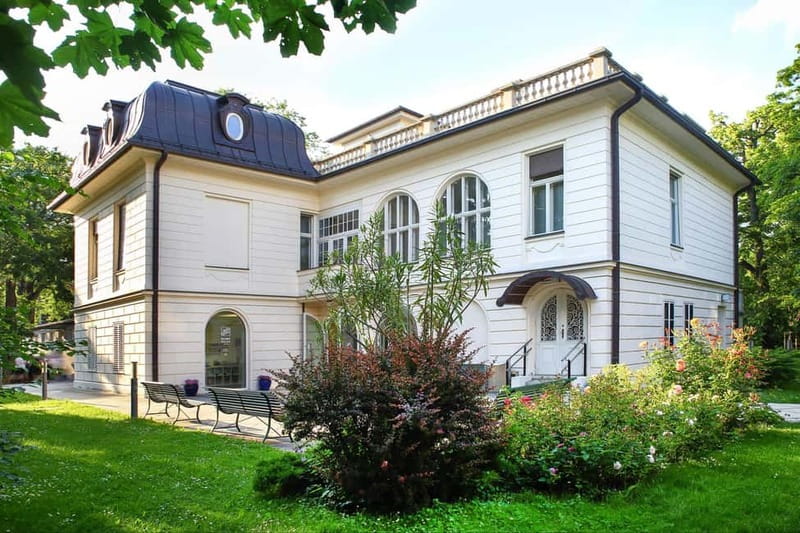
- Klimt’s final studio is preserved, and you’ll see how the room-in-room construction helped protect his original workspace.
- Klimt Lost tackles persecution and looting, plus the slow fight for restitution tied to collectors and artworks.
- The outdoor highlight is the Klimt Rose—Damask roses planted around 1900 and tended for a mid-May to late-June bloom window.
- The garden café is only a plan on weekends from May to September, and only in fair weather.
- The upper-floor print gallery is worth checking, but entry isn’t guaranteed if reserved for a private event.
- Optional audio support is available, including multi-language options and a smartphone guide service.
First stop: Klimt Villa Ticket Shop and getting oriented fast
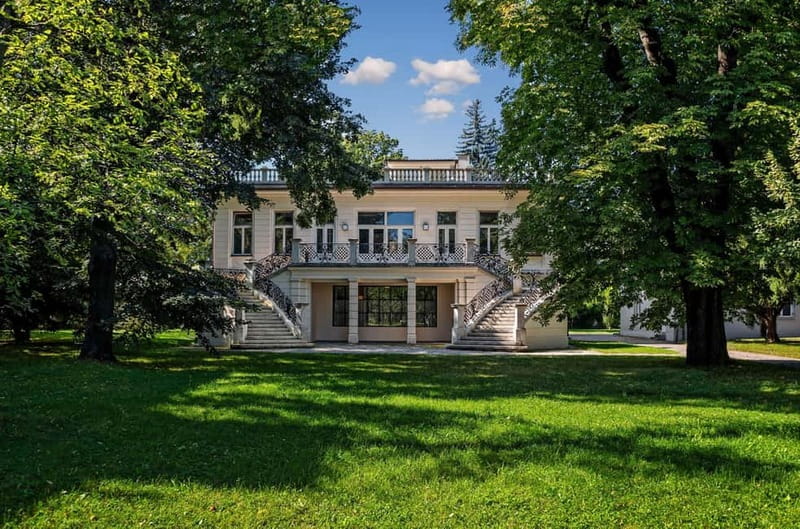
Plan to start at the Klimt Villa Ticket Shop. From there, the experience runs through the villa, the garden, and the included exhibition areas, and it ends back at the meeting point.
What matters in practical terms is that this is not a complicated timed itinerary with multiple locations. It’s one site with several distinct zones, so you can choose your rhythm. Based on the kinds of on-site experiences people describe, admission is typically efficient, and the staff tend to be helpful if you have questions about which rooms are open.
The ticket is also refreshingly simple. You get entrance to the Klimt Villa and its garden, plus access to Gustav Klimt’s final studio and Klimt Lost. You’re not paying for a checklist of quick stops—you’re paying for a small, coherent visit.
A quick tip: since the “final studio” and the “Klimt Lost” exhibition are the core indoor draws, I like to aim for an arrival that gives you enough time to read without rushing. That’s even more important if you’ll use the audio guide, which adds context but also slows you down (in a good way).
A few more Vienna tours and experiences worth a look


Inside Klimt’s final studio: the room-in-room trick you’ll actually notice
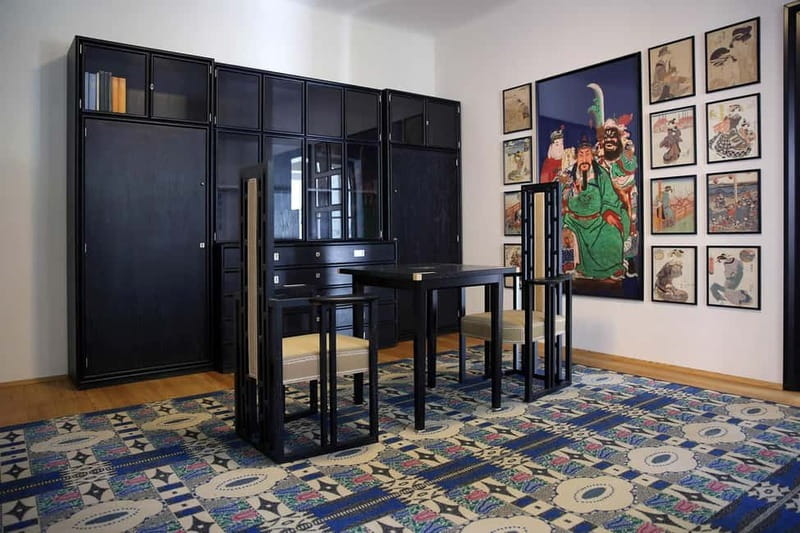
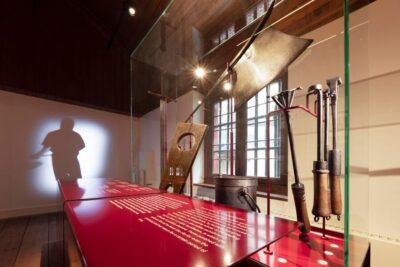
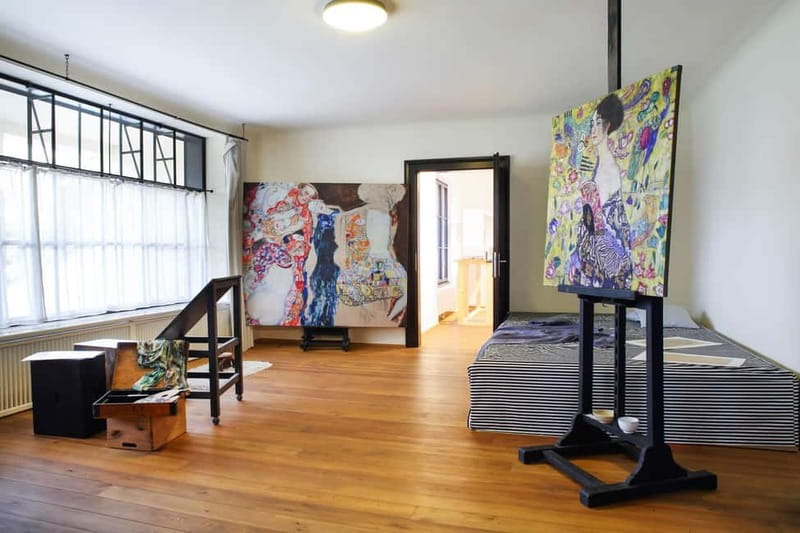
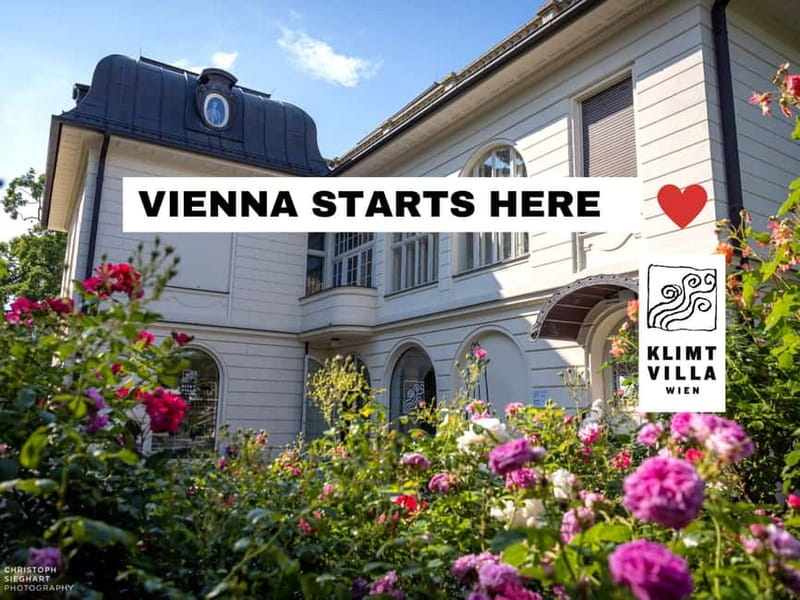
The main indoor anchor is Gustav Klimt’s final studio, housed in the neo-baroque villa you see today. This building wasn’t always the same shape. The studio space originally began as a garden house on the ground floor, then later transformed into the villa structure after Klimt’s time.
The reason that matters is this: the villa includes a unique room-in-room construction method designed to preserve Klimt’s original place of work. When you’re in the reconstructed studio and reception room, you’ll feel that extra layer of care. It’s not just a “look at the room” situation. It’s meant to protect the integrity of the workspace as they present it for visitors.
You’ll also see how the story ties back to specific works associated with Klimt’s later years. The villa’s interpretation connects the studio to artworks such as Adele Bloch-Bauer II, Friederike Beer, The Bride, Adam and Eve, and Lady with Fan. Even if you don’t know every title, this gives your visit structure: you’re not wandering—your eye has a pathway through a curated late-career narrative.
What’s a good way to enjoy this space? I’d treat it like a slow “read.” Stand where you can take in the full studio layout, then shift your position and watch how your attention changes. The building is the exhibit, not just the paintings.
One consideration: because the emphasis here is on the studio and the reconstructed interior, the vibe is quieter and more reflective than a typical big museum hall. If you’re looking for lots of interactive stuff or multimedia flash, this won’t be that kind of experience. It’s more about atmosphere, preservation, and context.
Klimt Lost exhibition: the hard part of the Klimt story
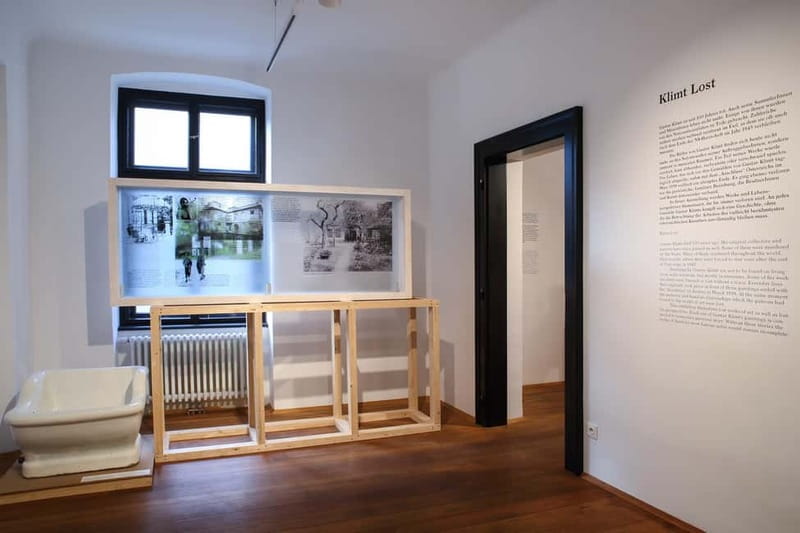
Then you move into Klimt Lost, and the tone changes. This exhibition focuses on the darker side of art history: persecution and looting tied to National Socialism, plus what happened to Klimt’s collectors and works in the years that followed.
What I appreciate about this section is that it doesn’t treat looting like an abstract tragedy. It connects actions to people. The exhibition highlights the moving history of collectors who were targeted and artworks that were stolen or lost, and it also points to the long aftermath—often spanning decades—when survivors and heirs pursued restitution and justice.
You don’t have to be a specialist to follow the thread. If you read at an easy pace, the labels are available in German and English, so you can stay oriented even when the subject becomes emotionally heavy.
If you tend to prefer art that stays purely aesthetic, this part might feel like a sudden emotional pivot. That’s not a flaw—it’s the point. For me, the value is that you learn to see Klimt’s legacy as more than famous paintings. You see how history can disrupt ownership, memory, and cultural heritage.
A practical note: give yourself time here. Don’t squeeze it between faster stops. The exhibition is designed for thought, and you’ll get more out of it if you slow down.
The garden and the Klimt Rose bloom window
After the indoor themes, step outside. The garden is a major part of the experience, and it isn’t just decorative. It’s restored continuously to keep the historic feel that surrounds Klimt’s studio.
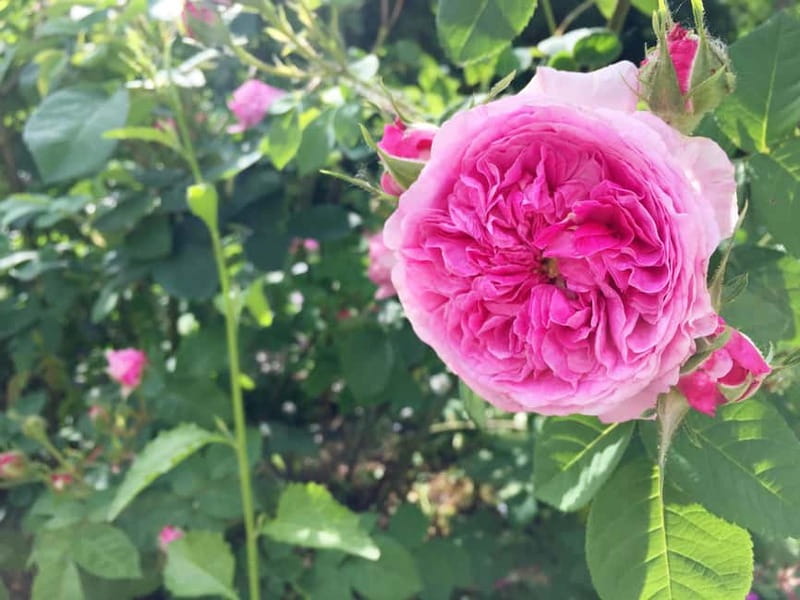
At the heart of the garden are Damask roses, planted around 1900. These are the flowers often called the Klimt Rose, and their timing is specific: they grace the garden from mid-May to late June.
Why this matters for your visit planning: if your goal is to see the garden at its most iconic moment, time your trip toward that bloom window. If you go outside it, you’ll still enjoy the garden atmosphere, but the “Klimt Rose” effect won’t be at its peak.
I also like that the garden ties back to the art without turning the whole visit into a lecture. It’s a chance to walk where you can imagine the floral scene that influenced Klimt’s visual world. This is also a good reset if indoor history left you a little heavy.
If you like taking photos: the garden is where you’ll likely want to slow down and frame shots. The building and garden relationship is part of what you came for. Just remember that the experience focuses on walking, reading, and looking, not on a timed photography frenzy.
Garden Café: a simple break that depends on weather and weekends
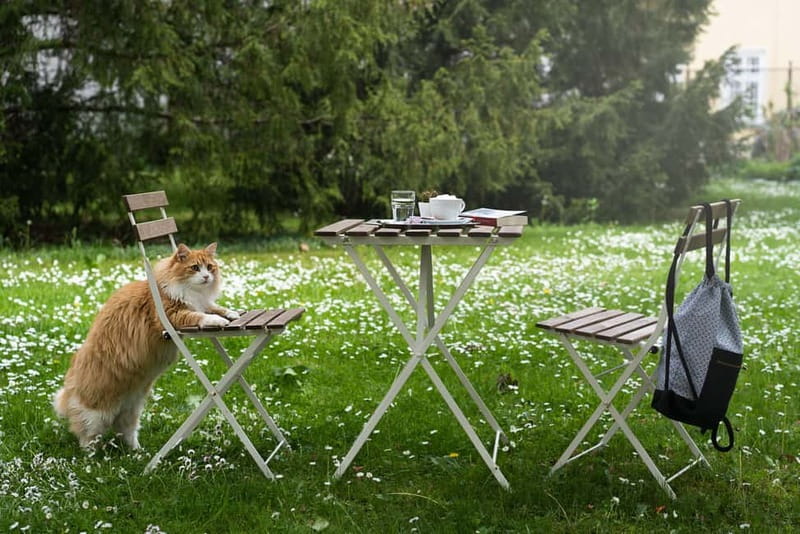
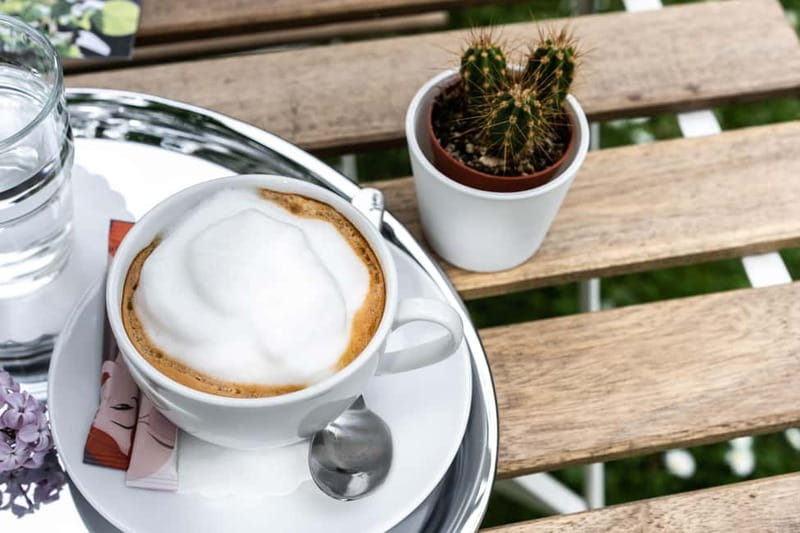
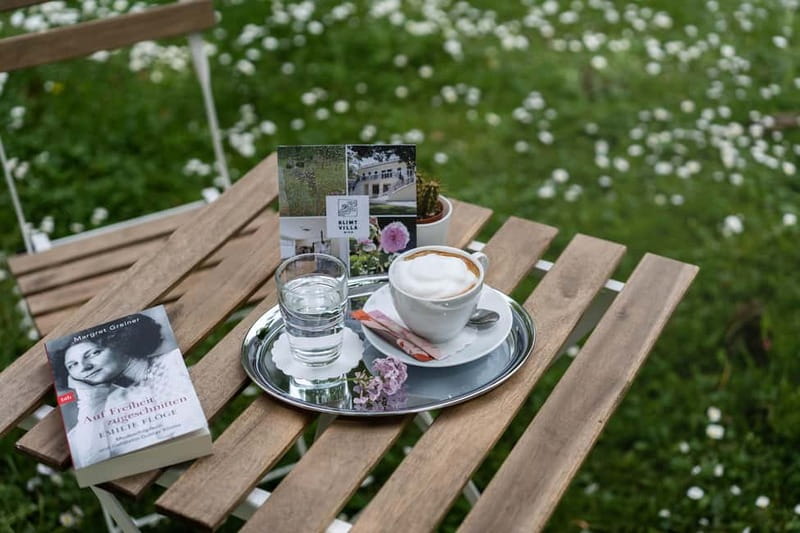
One of the nicest perks—when it’s available—is the Garden Café. You can enjoy Viennese coffee and cake in the blooming garden (or at least in the garden setting), but only under certain conditions.
The café is open weekends from May to September, and only in fair weather. That means if you’re visiting midweek or outside those months, you should be ready with a nearby plan for refreshments, because the café may simply not be running.
Also pay attention to what you can bring. Food and drinks aren’t allowed, so you’re relying on what the site provides (when open) rather than packing your own picnic inside.
When the café is operating, I’d use it as a moment to regroup after you finish the indoor exhibitions. It helps your brain shift from “history reading mode” back to “slow travel” mode.
You can also read our reviews of more museum experiences in Vienna





First-floor print editions gallery: optional, but often worth it
Before you leave, you may want to check the first-floor gallery for premium Klimt print editions, along with works by Egon Schiele and Oskar Kokoschka.
This section is a practical bridge for art lovers. If you came because you love Klimt’s paintings, the print editions help you see how modernism circulated beyond original canvases. And seeing Schiele and Kokoschka alongside Klimt gives you a broader picture of the Viennese modernist circle without forcing you into a larger multi-building museum day.
One important reality check: access to the gallery can’t be guaranteed, because the space is open to visitors unless it has been reserved for a private event. That’s not something you can control, so don’t build a “must-see” promise around it. Still, if you can get in, it’s a strong add-on.
How long to spend here? Enough time to browse calmly, not enough time to lose track of your energy. I’d treat it as a “final layer,” ideally after you’ve absorbed the studio and Klimt Lost.
Audio guide and labels: how to choose your language support
To make the experience easier to follow, you’ll have a couple of options.
First, exhibition labels and descriptions are available in German and English. So if you’d rather read than listen, you can still move at your own pace.
Second, there’s an optional audio guide. It’s available in many languages, including English, French, German, Italian, Spanish, Polish, Korean, Chinese, Czech, Portuguese, Hungarian, Russian, Japanese, Greek, Romanian, Turkish, Danish, Dutch, Hindi, and more. The exact availability can vary by service setup, but the point is: language support is built in.
And there’s also a smartphone guide service in 13 languages. If you’re the kind of person who likes to control volume and pause buttons, the smartphone option can be a better fit.
My suggestion: pick one method. If you try to do both reading and audio at full volume, you’ll end up multitasking your way through the story.
Price and value: what $11 really buys you
At about $11 per person, this ticket feels like a smart deal because the included content isn’t shallow.
You’re paying for:
- access to Klimt’s final studio
- access to the Klimt Lost exhibition
- entrance to the villa and garden
- plus the chance to round out your visit with the print gallery if it’s open
That’s a lot for a single-site experience. Especially because the emotional load of Klimt Lost means you’re getting more than pretty rooms—you’re getting a guided narrative about art, ownership, and history’s damage.
The other value factor is time efficiency. This doesn’t require you to coordinate multiple venues. Even better, the smoother admission experience people describe makes it feel like a practical stop, not a hassle.
If you’re on a tighter budget, this is exactly the kind of museum ticket that fits well: you get meaningful content without paying “big museum” prices or committing to an all-day marathon.
Who should book the Klimt Villa ticket
This visit fits you if:
- you love Klimt and want to see the studio context around his late work
- you care about how art history connects to real people and restitution
- you want a calmer, smaller-scale stop in Vienna
- you like gardens and want an outdoor component with an actual bloom schedule
It’s also a good match for visitors who prefer straightforward planning: one ticket, one meeting point, and an experience that’s easy to pace on your own.
If you’re traveling with kids, it can still work—especially during the garden café months—but you’ll likely need to translate the ideas in Klimt Lost into age-appropriate language. This is serious history, so it’s better for families who can handle that tone.
Should you book Klimt Villa?
I’d book it if you want a meaningful Vienna stop that stays focused. The studio gives you a clear Klimt anchor, Klimt Lost adds the historical weight that makes the story matter, and the garden provides a human-scale calm afterward.
Skip it only if you’re hunting for a high-energy, blockbuster-style museum day or if you’re visiting when the café and roses won’t be at their best. Even then, the indoor components still stand on their own.
FAQ
What does the ticket include?
Your ticket includes entrance to the Klimt Villa and its garden, plus access to Gustav Klimt’s final studio and the Klimt Lost exhibition.
Where do I start, and where does it end?
The experience starts at the Klimt Villa Ticket Shop and ends back at the meeting point.
How long is the experience valid?
The ticket is valid for 1 day. Starting times depend on availability, so it’s worth checking before you finalize your plan.
Is there an audio guide, and what languages are offered?
There’s an optional audio guide available in many languages, including English, French, German, Italian, Spanish, Polish, Korean, Chinese, Czech, Portuguese, and others. A smartphone guide service is also available in 13 languages.
Is the first-floor print gallery guaranteed?
No. The first-floor gallery is open unless it has been reserved for a private event, so access cannot be guaranteed.
When is the Garden Café open?
The Garden Café is open on weekends from May to September in fair weather.
Are there restrictions on what I can bring?
Food and drinks aren’t allowed. Luggage or large bags aren’t allowed. Pets aren’t allowed (assistance dogs are allowed). Smoking indoors isn’t allowed.