REVIEW · THE HAGUE
The Hague: Prison Gate Museum
Book on GetYourGuide →Operated by Rijksmuseum de Gevangenpoort · Bookable on GetYourGuide
The medieval Prison Gate feels heavy in a good way. This is Rijksmuseum de Gevangenpoort, right by the Hofvijver, where crime-and-punishment history is explained through the very walls that once held people. What I really like is how the setting does part of the storytelling for you, from the 13th-century gateway to later life as a prison and courthouse.
My second favorite thing is the museum’s display of prison life and punishment tools, including a national collection of torture and punishment instruments. It’s also packed with specific Dutch history moments—like the imprisonment tied to Johan and Cornelis de Witt—so it’s not just spooky décor. One consideration: the subject matter is grim, so if torture details will bother you, plan your pacing carefully.
In This Review
- Key highlights you can’t miss
- The Prison Gate Museum in one sentence: history you walk through
- Arrive by the Hofvijver and understand the Binnenhof connection fast
- From gateway to courtroom: how the Hof van Holland shaped what you see
- Prison cells: what “waiting for trial” looked like
- Johan and Cornelis de Witt: the courthouse drama behind the stone
- Torture and punishment instruments: what the museum includes (and what to watch for)
- Visiting without a guide: how to get the most from self-paced time
- Price and value: what $18 buys you in The Hague
- How long should you plan for in a 1-day The Hague visit?
- Who this museum is best for (and who should think twice)
- Should you book the Prison Gate Museum?
- FAQ
- How much does The Hague: Prison Gate Museum cost?
- How long is the visit?
- Where is this museum located?
- What are the main things I can see?
- Is a guided tour included?
- What’s included with the ticket?
- Are food and drinks included?
- Is free cancellation available?
- Do I need to choose a specific start time?
- Is there Wi-Fi available during the visit?
Key highlights you can’t miss
- Hofvijver setting: the Prison Gate sits by the water, part of the Binnenhof complex
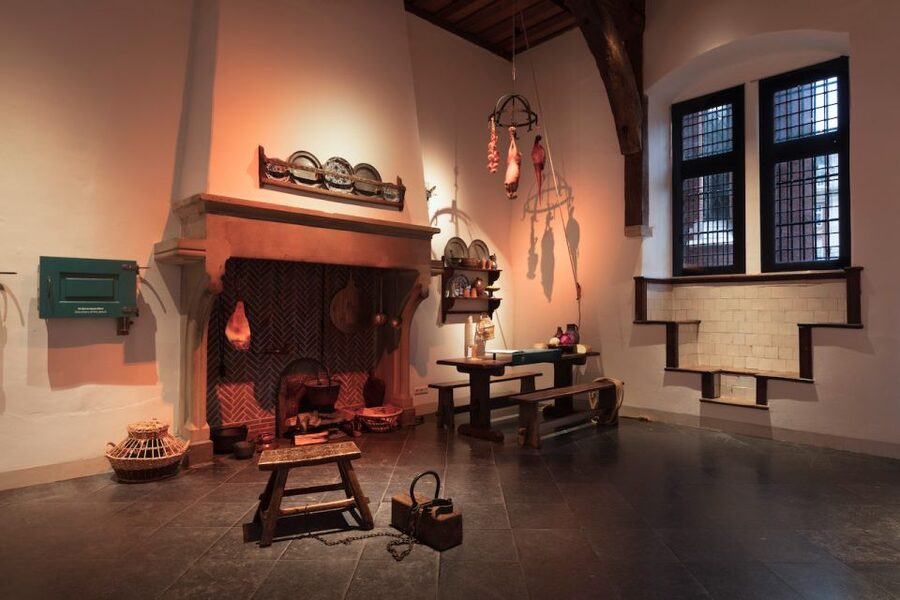
- Real cells, real layout: centuries-old prison rooms you can actually see
- Johan & Cornelis de Witt: Dutch political figures connected to the building’s past
- The national torture-instruments collection: tools displayed as part of the punishment story
- Crime and punishment timeline: from gateway to prison and courthouse under the Hof van Holland
The Prison Gate Museum in one sentence: history you walk through
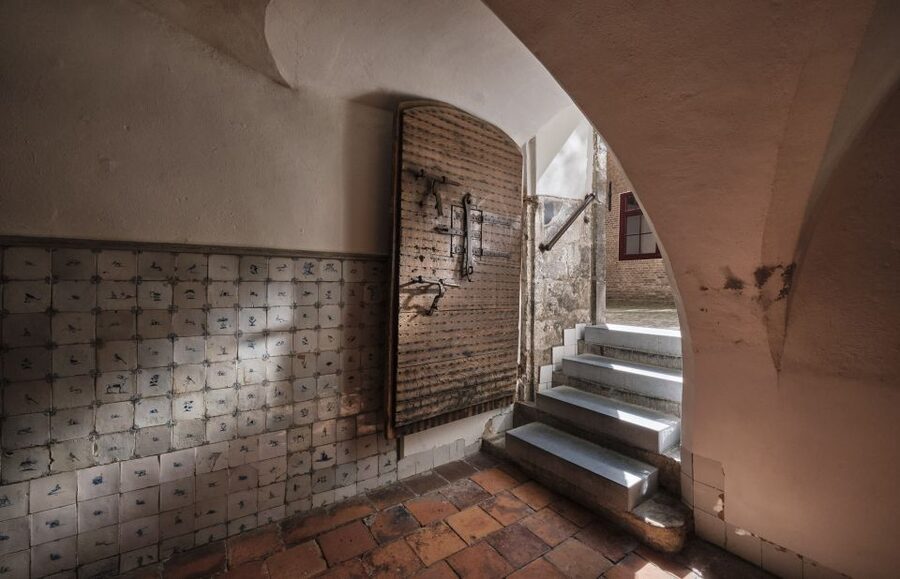
The Hague’s Prison Gate Museum is a compact but intense stop. The core idea is simple: the building itself was first an imposing gateway to the Binnenhof, then became a prison and courthouse of the Hof van Holland, and today it explains that transformation. You’re not just reading about Dutch justice and punishment—you’re moving through the spaces where it once happened.
What makes this place so effective is the way it turns abstract concepts into something physical. A courthouse becomes a prison. A gateway becomes a holding place. And each shift helps you understand what Dutch power looked like at different times: who had authority, who got accused, where proceedings happened, and how punishment was carried out.
It’s also a great value day-trip museum stop. At $18 per person for a full-day ticket (with set times based on availability), you’re paying for a real monument experience, not a quick photo stop.
You can also read our reviews of more museum experiences in The Hague



Arrive by the Hofvijver and understand the Binnenhof connection fast
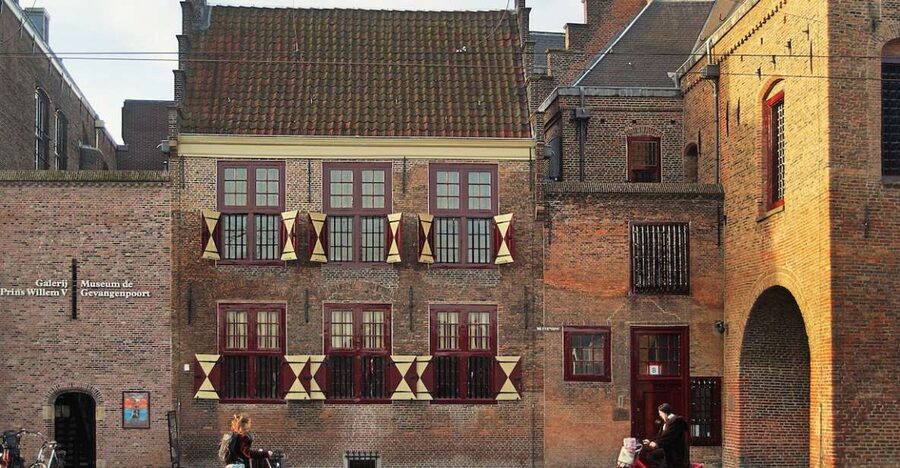
You’ll find the museum in The Hague’s historic core, in and around the Binnenhof area, with the Prison Gate beautifully situated near the Hofvijver. That location matters. The Binnenhof is the political heartbeat of the city, so walking up to a former gateway to it helps you quickly grasp the building’s original purpose: control, access, and authority.
Here’s what you’ll want to do when you arrive: slow down at the outside and notice how the monument’s “gateway” role still makes sense. In the 13th century, this wasn’t a random building—it was an imposing entrance. Later, when it became a prison and courthouse, the meaning changed, but the architecture still communicated power and separation.
That location also helps your timing. You can pair this with other Binnenhof-area sights without the hassle of long transfers. The museum works best when you keep the whole day in this part of town, because the story is rooted in the political center.
From gateway to courtroom: how the Hof van Holland shaped what you see
Once inside, the museum’s story is built around the same progression: gateway → prison → courthouse → museum today. The Hof van Holland is the key historic setting here. This is where suspected criminals waited for their trial and where defaulters were imprisoned.
You’ll also see why the building felt different from a typical “prison building.” In this case, the legal process wasn’t far away. The museum describes how people could be held and tried in the same broader complex of authority. That connection gives you a clearer sense of how the legal system operated: detention wasn’t just an afterthought—it was part of the justice workflow.
This is one of the most valuable parts of visiting now. You’re watching history that explains itself. The building’s purpose changes, but the focus remains on discipline and due process as the authorities understood it. If you like Dutch history that’s grounded in real places, you’ll appreciate the logic of the exhibit layout.
Prison cells: what “waiting for trial” looked like
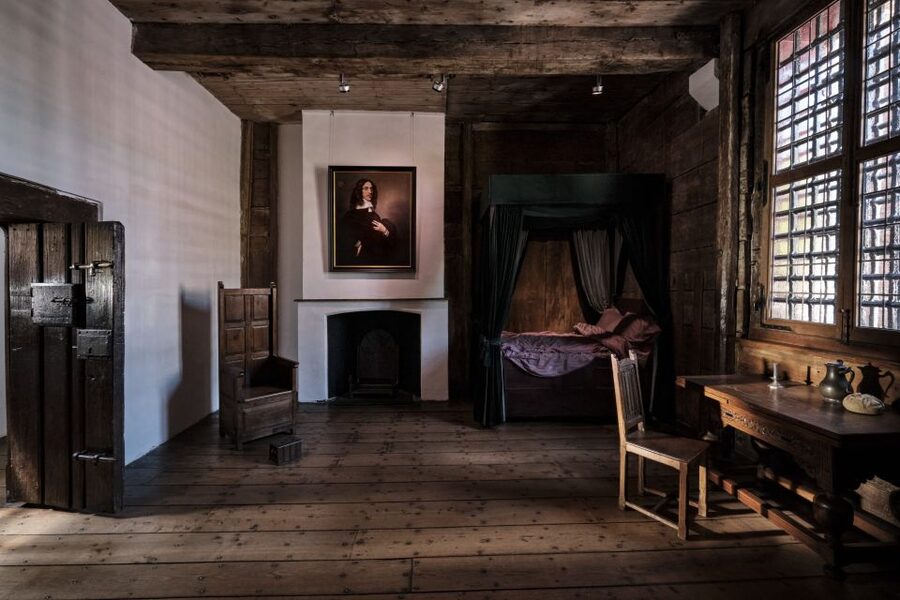
This is the heart of the experience for most people. The museum lets you discover centuries-old prison cells, and it sets up questions that you’ll naturally start asking as you walk: Which cells held which people? Was there a difference between poor and rich prisoners? Where did verdicts get delivered?
Even without a traditional guided tour, the museum experience is designed to push you toward that kind of thinking. You’ll be looking at spaces meant for confinement, but the exhibits (and the way the building is arranged) guide you to interpret what the spaces meant socially and legally.
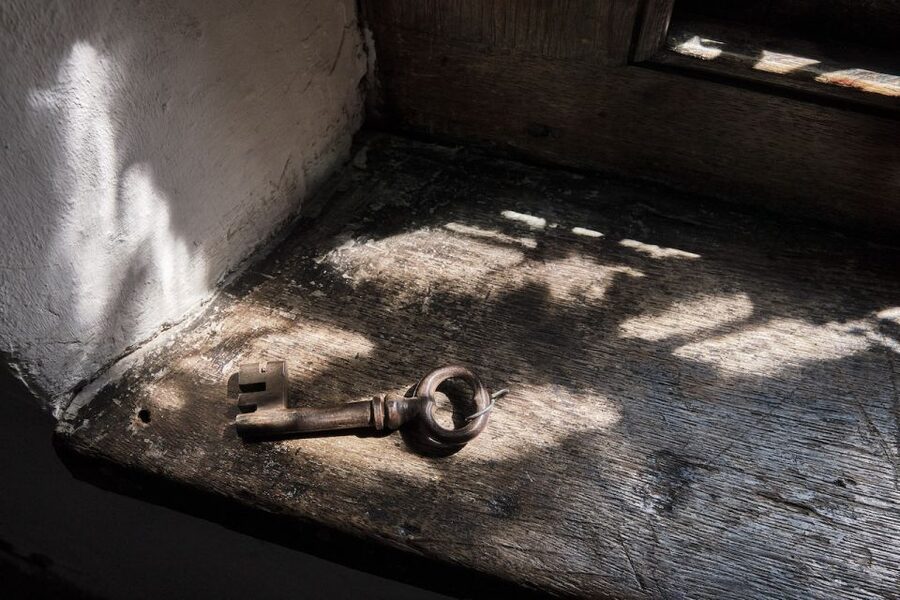
One practical tip: take your time in the cells. It’s easy to speed through when you’re excited, but the whole point is to let the environment do its work. The cells are the best proof that “crime and punishment” was not abstract. It was physical, cramped, and real.
And if you want the most meaningful visit, don’t treat this as a checklist. Ask yourself what rules would have mattered here: access, movement, visibility, and the tension of waiting.
Johan and Cornelis de Witt: the courthouse drama behind the stone
A standout historical moment tied to the building is the murder of the De Witt brothers. Johan and Cornelis de Witt appear as part of the museum’s story, including how important historical figures were imprisoned here.
This matters because it turns the Prison Gate from a generic “old prison” into a specific piece of Dutch political history. You’re not just seeing a site associated with crime. You’re seeing it connected to high-profile people and high-stakes events.
If you tend to connect more with character-driven history, this is the section that will likely pull you in. It gives you names to attach to the spaces you’re standing in, which helps the building’s grim function feel more personal and less like a distant museum display.
Torture and punishment instruments: what the museum includes (and what to watch for)
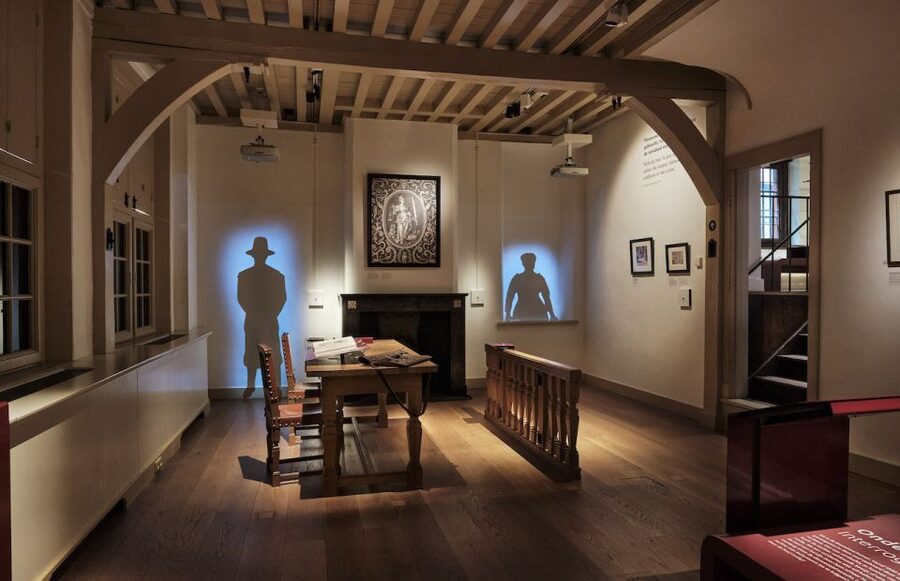
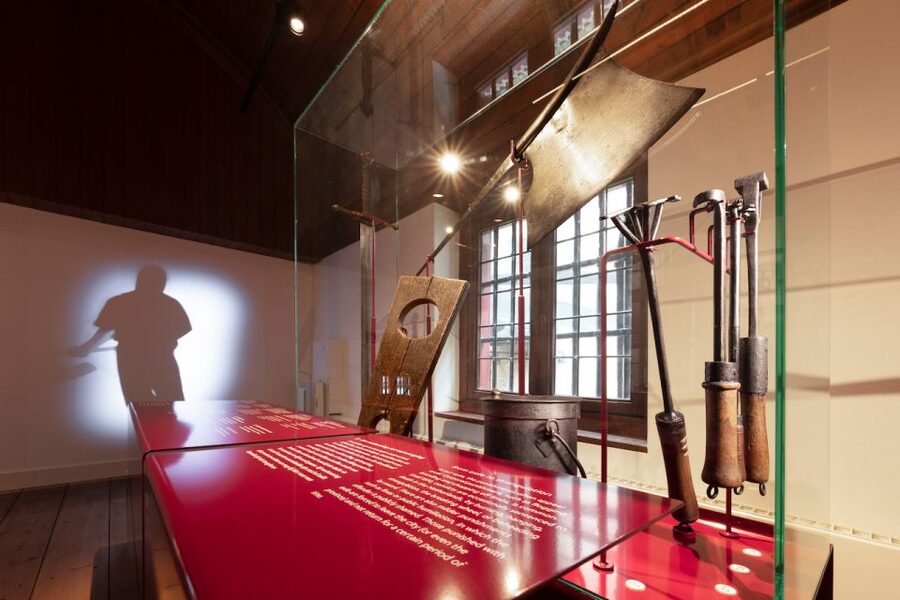
The museum also features the national collection of torture and punishment instruments. This is where the experience becomes emotionally heavy. The point isn’t shock for its own sake—the museum frames these instruments as part of the story of punishment in times gone by.
You should go in knowing what this means. If you’re sensitive to graphic or disturbing historical material, take a slower route. You can also choose to spend less time here and focus more on cells and courtroom context.
Still, for many history lovers, this exhibit is exactly why the museum is memorable. Seeing the tools gives weight to the questions the museum asks: what punishments were given, what authority existed behind them, and how punishment systems were put into practice.
The best way to enjoy this section is to keep it interpretive. Don’t just stare. Think about how justice was enforced, how accused people were treated, and why the punishment “machinery” would have seemed normal to those in power at the time.
Visiting without a guide: how to get the most from self-paced time
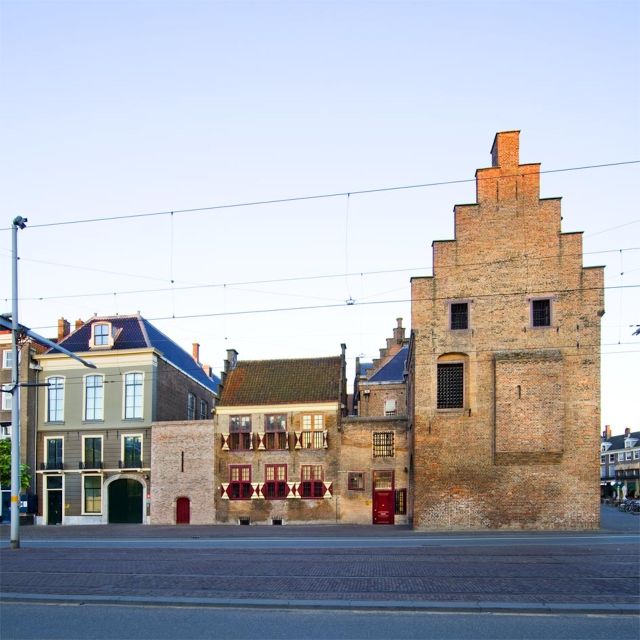
One key detail to plan around: this activity is without a guide. Guided tours exist elsewhere, and a guided tour is marked as not included here, so you’ll rely on the museum’s own presentation.
That’s not a dealbreaker. In fact, it can be a plus if you like setting your own pace—especially for a subject that can feel intense. If you want a self-guided approach, this museum works well because the setting and the exhibits do much of the storytelling.
To get the most value from a no-guide visit, I suggest this approach:
- Spend extra time in the cells so the building makes sense as a prison before you move to the instrument displays
- Let the De Witt story anchor the political context while you’re near the courthouse-related interpretation
- Give yourself permission to skip or skim sections if something feels too disturbing
If you’re the type who benefits from live narration—someone telling you what to notice and why—then consider whether you want a guided alternative in The Hague for your broader trip. But for a self-paced history stop, this is still a strong choice.
Price and value: what $18 buys you in The Hague
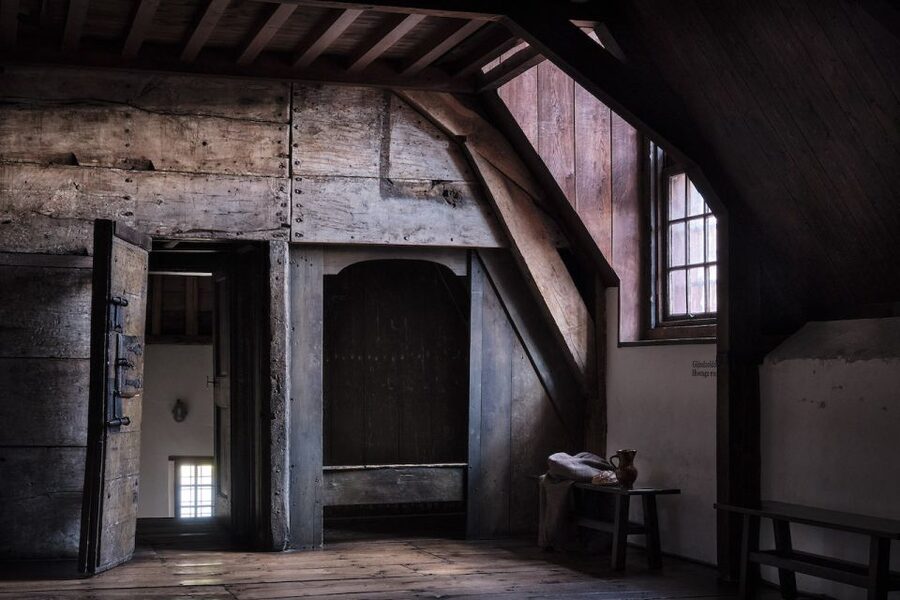
At $18 per person, this isn’t a budget museum, but it also isn’t overpriced for what you get. You’re paying for a nationally significant historic building (the Prison Gate itself), plus exhibits that connect multiple eras: the 13th-century gateway role, the prison and courthouse era under the Hof van Holland, and the long arc of Dutch justice and punishment.
You’re also not buying one theme only. It’s a mix:
- prison cells and confinement space
- courtroom/trial waiting context
- named historical figures (Johan and Cornelis de Witt)
- a national collection of torture and punishment instruments
That variety is what makes the ticket feel fair. Instead of one exhibit, you get a full museum experience inside a monument.
How long should you plan for in a 1-day The Hague visit?
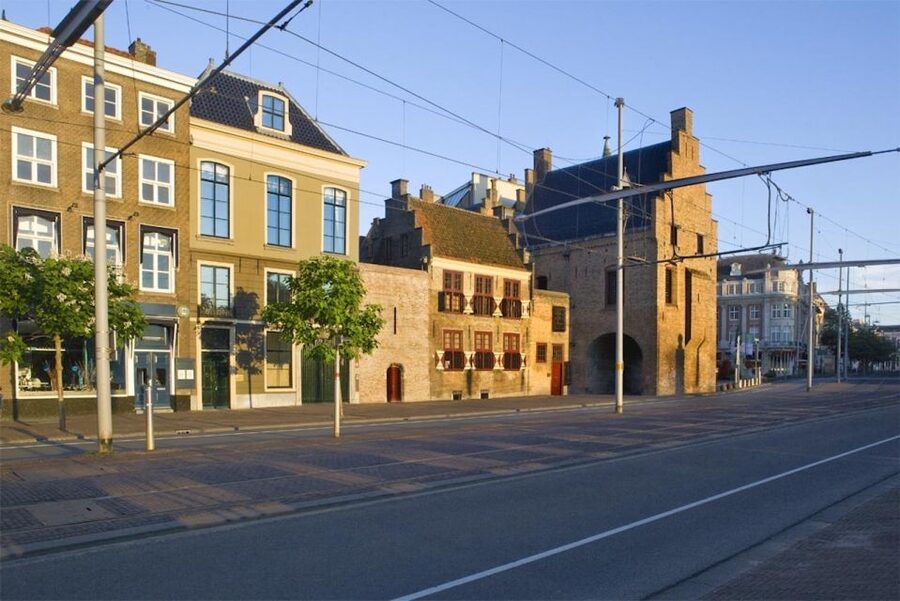
The ticket is valid for 1 day, and the museum experience fits best when you keep your expectations realistic. This is not a “blink and go” site. Even if you’re a fast reader, the subject matter benefits from pauses—especially in the cells and around the punishment-instruments section.
Since no time length is specified, plan more like this: you’ll want enough time to walk at a comfortable pace, revisit the areas that connect best with your interests, and avoid rushing through the most intense material.
If you’re building a one-day The Hague plan, this museum plays nicely with nearby historic sites around the Binnenhof and Hofvijver. It’s also a good mid-morning or mid-afternoon stop when you want your history to be grounded in a single compelling location.
Who this museum is best for (and who should think twice)
You’ll probably love this if you:
- enjoy Dutch history tied to specific places
- like museum storytelling that uses architecture, not just text
- want strong political-history connections, including the De Witt brothers
- don’t mind serious themes if they’re presented in a historical context
You might want to think twice if you:
- are easily bothered by torture and punishment instruments
- prefer light, cheerful museum experiences
- want a live guide to explain context in real time
It’s a serious museum. But it’s also a practical one: if you want to understand how justice and punishment worked in earlier Dutch society, it’s a direct route.
Should you book the Prison Gate Museum?
If you’re visiting The Hague and you want one place that instantly connects architecture, legal history, and named Dutch figures, I’d book this. For $18, you’re getting more than a set of rooms—you’re getting a monument that tells a complete crime-and-punishment story, with cells and a major instruments collection that few history stops can match.
Just go with the right mindset. This isn’t a casual “light history” diversion. It’s built to make you think about imprisonment, trials, and punishment. If you can handle that, you’ll walk away with a clearer, more memorable picture of how Dutch history played out behind these walls.
FAQ
How much does The Hague: Prison Gate Museum cost?
It’s listed at $18 per person.
How long is the visit?
The experience is valid for 1 day.
Where is this museum located?
It’s in The Hague (South Holland, Netherlands), and the Prison Gate Museum is situated by the Hofvijver.
What are the main things I can see?
You can see prison cells, historical connections such as the imprisonment tied to Johan and Cornelis de Witt, and a collection of torture and punishment instruments, along with the museum’s story of crime and punishment.
Is a guided tour included?
No. The activity is noted as without a guide, and a guided tour is listed as not included.
What’s included with the ticket?
Included items are entry ticket, wifi, and wardrobe.
Are food and drinks included?
No. Food and drinks are not included.
Is free cancellation available?
Yes. You can cancel up to 24 hours in advance for a full refund.
Do I need to choose a specific start time?
Starting times depend on availability, since the entry is valid 1 day and you should check availability to see starting times.
Is there Wi-Fi available during the visit?
Yes. Wi-Fi is included.