REVIEW · CAIRO
Day tour at The National Museum of Egyptian Civilization
Book on Viator →Operated by Egypt Royal Tours · Bookable on Viator
Egypt’s newest museum tells old stories fast. I love the easy pickup and the 3–4 hour pace that fits well into a Cairo itinerary. You’ll also get an Egyptologist guide who helps the collections make sense, but do note that this is mostly an indoor museum day with limited time for wandering.
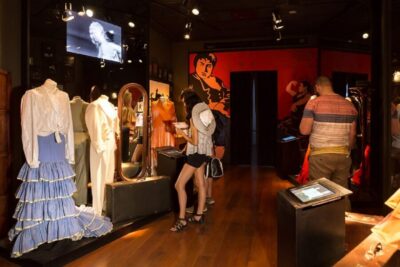
The museum in Fustat is a smart setting for the theme: you move through Egyptian life and change over time, from prehistory onward. I especially liked the jump from everyday craft to the unusual items, like the oldest tanning leather in Egypt, and then finishing with the one-of-a-kind Ain Sirah Lake.
It’s private for your group, which makes questions and pacing feel natural, not rushed. The tour also has a good-weather requirement, so if Cairo decides to throw unusual weather your way, you’ll want some schedule breathing room.
In This Review
- Key Highlights You Should Know
- A Half-Day Museum Plan That Works in Cairo
- Hotel Pickup and Air-Conditioned Comfort
- Egyptologist Guidance: What You Get Beyond Labels
- Touring Fustat’s Story: Prehistory to Modern Egypt
- The Temporary Crafts Exhibit: Four Crafts, One Time Span
- Oldest Tanning Leather in Egypt: Why This Artifact Matters
- Mummies You’ll Actually Want to See
- Ain Sirah Lake: Cairo’s Only Remaining Lake
- Timing and Pacing: How to Make the Most of 3–4 Hours
- Price and Value: What $90 Gets You
- Who This Tour Suits Best
- Quick Practical Advice Before You Go
- Should You Book It?
- FAQ
- What time does the tour start?
- How long is the National Museum of Egyptian Civilization tour?
- Is hotel pickup included?
- Is the museum admission ticket included in the price?
- Is this tour private or shared?
- What’s included besides the guide and entry ticket?
- If the weather is poor, what happens?
Key Highlights You Should Know
- Pickup from your hotel in an air-conditioned private vehicle so you’re not doing guesswork on timing or transport
- An Egyptologist guide who connects the objects to the broader story of Egyptian civilizations
- Fustat galleries covering prehistory through modern times rather than a single narrow era
- Ain Sirah Lake—the only remaining lake in Cairo—added into the route
- Standout artifacts, including the oldest tanning leather in Egypt
- Mummies you’ll actually enjoy, with the museum’s collection described as amazing
A Half-Day Museum Plan That Works in Cairo
Cairo can swallow your time fast—traffic, heat, and long distances are real. This tour is built around a clean window of about 3 to 4 hours, which means you can see a lot without turning the day into a logistics marathon.
You’re not just being dropped at a gate and left to interpret labels on your own. The value here is the structure: you travel in comfort, enter with included admission, and get guided explanations from an Egyptologist so the museum reads like a story instead of a checklist.
The other reason this works is the museum’s layout and theme. The collections are framed around Egyptian civilizations in Fustat, so you’re constantly re-grounding your understanding as you move from one period to the next.
You can also read our reviews of more museum experiences in Cairo



Hotel Pickup and Air-Conditioned Comfort
I’m a big fan of tours that remove the stress of getting there. In this case, the team meets you from your hotel with a driver in an air-conditioned private vehicle, and you’re picked up by Egypt Royal Tours staff holding a sign.
That sounds like a small detail, but it matters in Cairo. When your transport is handled, you can spend your morning thinking about what you want to see, not how to get there on time.
You’ll also get bottled mineral water as part of the tour. It’s a small inclusion, but it helps you stay comfortable so you don’t burn energy on basic needs during your museum window.
Egyptologist Guidance: What You Get Beyond Labels
The biggest “why” in this experience is the Egyptologist guide. A guide doesn’t just translate; they connect objects to the time period and to the theme of Egyptian civilization across centuries.
In the reviews, people highlighted the guide’s friendly, helpful approach. Names came up too—Hamad is mentioned for being knowledgeable and easy to talk with, and الأستاذ محمد (Professor Mohammed) is thanked for making the tour enjoyable around the museum.
If you’ve ever walked into a museum and felt like you were doing a self-study quiz, this is the fix. With an Egyptologist leading you, you’ll spend more time understanding and less time guessing.
Touring Fustat’s Story: Prehistory to Modern Egypt
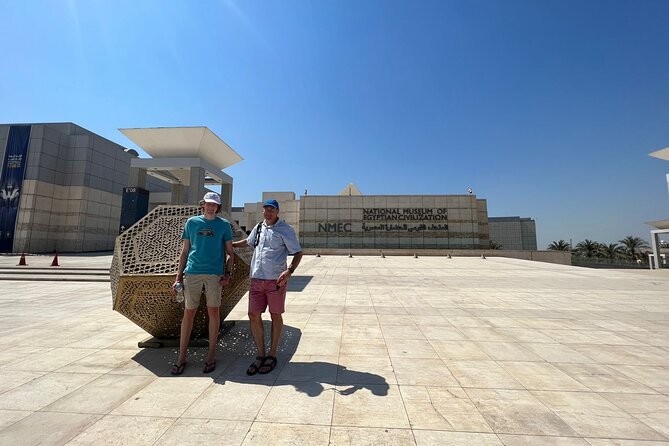
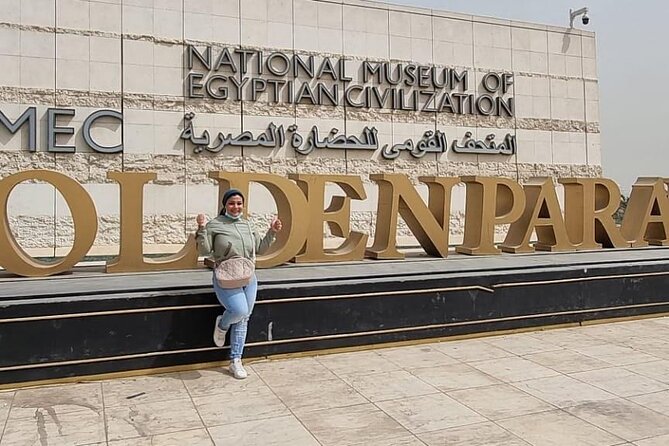
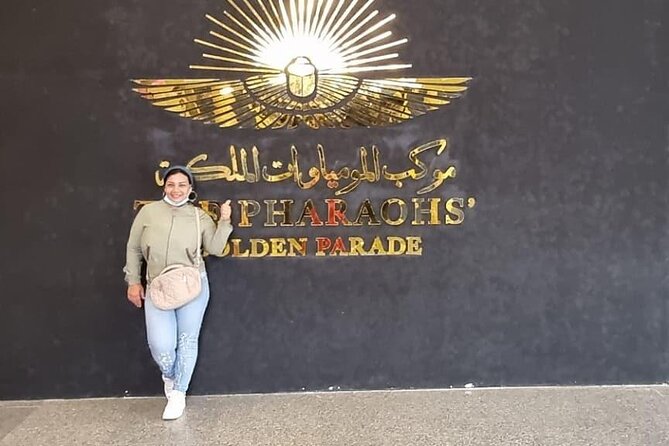
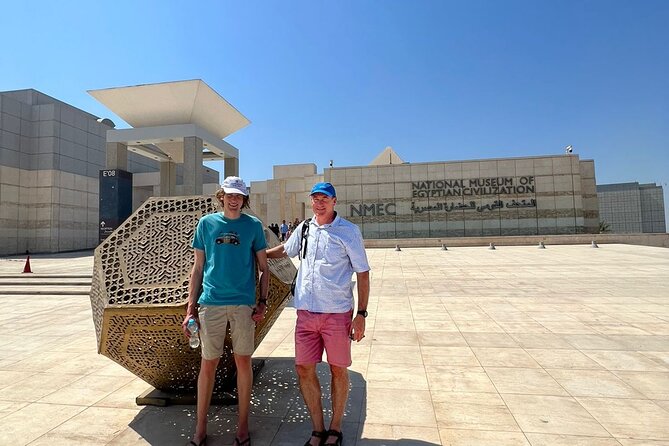
The visit centers on the National Museum of Egyptian Civilization in Fustat, with a route designed around the museum concept of showing how civilizations changed over time.
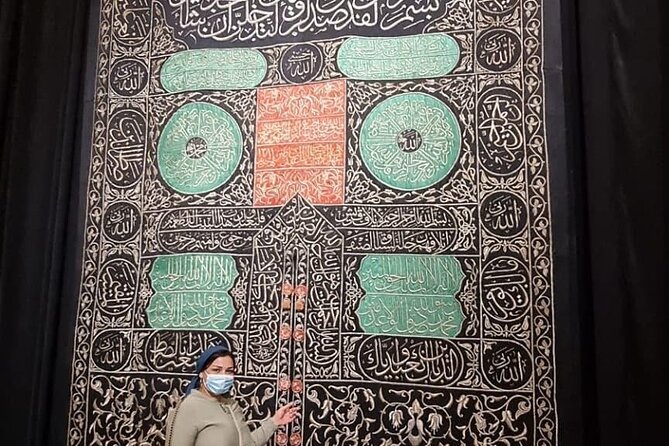
You start by moving through galleries that cover the civilizations that came in Fustat from prehistory to modern times. That’s a helpful approach because it prevents you from seeing Egypt as one fixed era. Instead, you get a sense of continuity and change—what stayed familiar and what transformed.
One practical consideration: because this museum-day is guided and timed, you’ll likely cover the highlights rather than every single room in detail. That’s not a downside if your goal is understanding and a good overview—especially with a 9:00 am start and a half-day time box.
The Temporary Crafts Exhibit: Four Crafts, One Time Span
Your route also includes a partially opened area focused on a temporary exhibition tied to the history and industry of four crafts, running from prehistory to modern history.
Even if you’re not a “craft history” person, I like this kind of exhibit because it bridges the gap between museum objects and real life. It turns artifacts into something closer to daily work—what people made, how they used materials, and how those skills traveled across eras.
Because it’s temporary and only partially opened, your exact experience may vary depending on what’s running that day. But the theme is consistent: crafts as a window into how Egyptian society functioned and adapted.




Oldest Tanning Leather in Egypt: Why This Artifact Matters
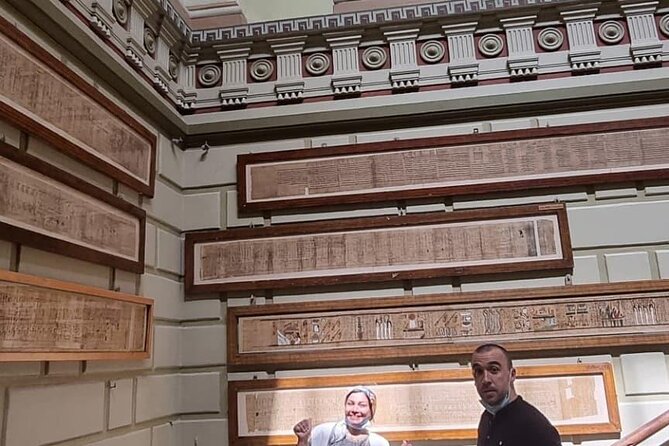
One of the most memorable items on the route is the oldest tanning leather in Egypt. That’s a standout for two reasons.
First, it’s unusual enough that you’ll remember it long after the trip. Second, it’s a reminder that civilization history isn’t only about monuments and rulers. Materials, production, and practical skills are part of the story too.
In a museum packed with major themes, this kind of specific artifact gives you a concrete point of focus. You’re not just hearing about time periods—you’re looking at something that survived long enough to tell you how people once processed and prepared materials.
Mummies You’ll Actually Want to See
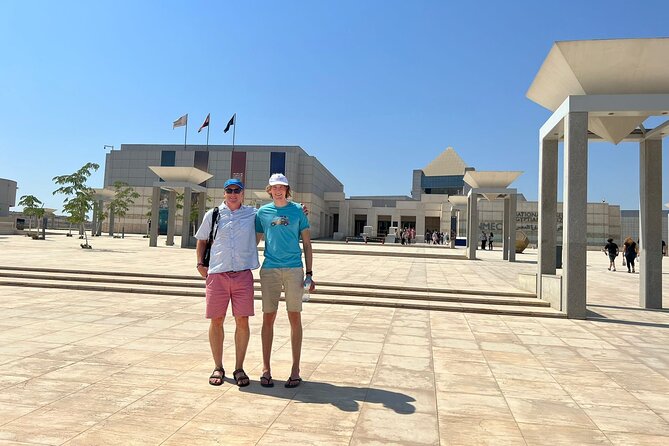
One of the most praised parts of the experience is the mummy collection, with reviews using phrases like mummies galore and highlighting how amazing the mummies are.
This matters for planning. Some Egypt museum visits focus more on history broadly, and the mummy area becomes just one stop among many. Here, the route includes that content in a way that leaves a strong impression—so if you’re coming for the classic Egypt shock-and-awe factor, you’re covering it.
If you’re sensitive to how Egyptian artifacts are displayed, it still helps to go in with realistic expectations: you’ll be seeing preserved remains, and the experience is presented in a museum context rather than a “light” attraction.
Ain Sirah Lake: Cairo’s Only Remaining Lake
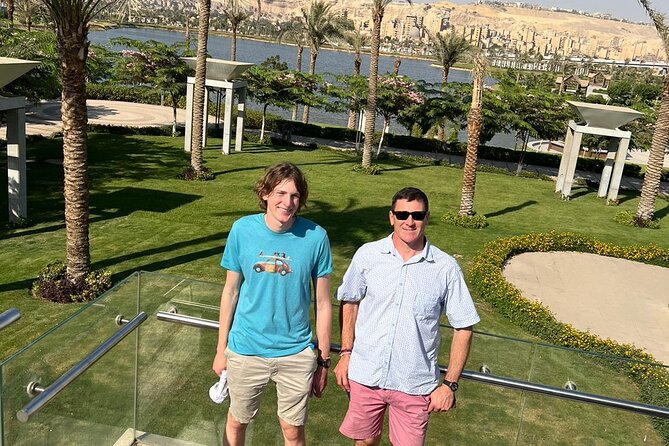
The tour doesn’t end with indoor galleries. You also get to see Ain Sirah Lake, described as the only remaining lake in Cairo.
This is a smart closing chapter because it adds a living geography element to the museum’s civilization theme. You finish with a place-related story rather than only objects behind glass.
Also, this is one reason the tour has a good-weather requirement. If weather is poor, you may be offered a different date or a full refund, since the experience depends on being able to operate properly.
Timing and Pacing: How to Make the Most of 3–4 Hours
The start time is 9:00 am, and the experience runs about 3 to 4 hours including the visit and transfers.
Here’s how I’d plan around it. Aim to keep the rest of your day flexible, because after a guided museum visit you’ll want time to reset—water, shade, and food. Cairo afternoons can be intense, so treating the museum morning as your “thinking time” often works better than cramming it into late afternoon.
Because it’s private for your group, pacing is usually more adjustable than big group bus tours. Still, it’s not an open-ended wander session. You’ll be moving with the guide and covering the museum route, so come in ready to learn rather than ready to browse for hours.
Price and Value: What $90 Gets You
At $90.00 per person, you’re paying for a package, not just admission. What’s included matters more than the number.
You get:
- a private air-conditioned vehicle with hotel pickup and return
- an Egyptologist guide
- entrance fees
- bottled water
- tax and tourism police permission
When you add those pieces together, the tour feels like practical value if you want a guided museum visit without arranging transport yourself. The included guide is especially important. Egypt museums can be overwhelming, and having an expert steer your time is often the difference between a forgettable visit and one that sticks.
Not included is tipping. That’s normal for private guided experiences, but it’s worth planning for so it doesn’t catch you off guard at the end.
Who This Tour Suits Best
This is a strong fit if you:
- want a half-day plan that doesn’t eat your whole day in Cairo
- like museums with explanations, not just photo stops
- care about how Egypt evolved from early times through modern periods
- want to see standout artifacts like the oldest tanning leather and the mummy collection
It’s also a good choice if you’re traveling with a group that wants to ask questions and keep the pacing comfortable. Since it’s private for your group only, it tends to feel more personal than a multi-language crowd shuffle.
Quick Practical Advice Before You Go
A few things that will make your morning run smoother.
Wear comfortable shoes. Museum floors and walkways add up faster than you think once you’re following a guided route.
Bring a light layer even in warm months. Egypt’s buildings and vehicles can swing from hot outside to very cool inside, and you’ll be happier if you can adjust.
If you’re there for the most talked-about highlights, keep your energy for the key stops and don’t spend the entire time on every side exhibit. The guide route is designed to hit the museum’s big themes without turning the day into a marathon.
Should You Book It?
If you want an Egypt museum day that feels well organized and genuinely educational, I’d book this. The combination of hotel pickup, included admission, and an Egyptologist guide makes it easier to get a clear understanding of what you’re seeing.
Choose it especially if you care about more than one era—this museum’s approach covers prehistory to modern times in Fustat. And if you’re hoping for the mummy experience plus unusual artifacts like the oldest tanning leather, this tour lines up well with those goals.
The only real “maybe” is weather. Since the experience has a good-weather requirement, keep your schedule flexible so a date shift won’t throw off your whole plan.
FAQ
What time does the tour start?
The start time is 9:00 am.
How long is the National Museum of Egyptian Civilization tour?
It runs about 3 to 4 hours.
Is hotel pickup included?
Yes. Pickup and round-trip transfers from your Cairo hotel are included.
Is the museum admission ticket included in the price?
Yes. Entrances fees and admission are included.
Is this tour private or shared?
It’s private for your group only.
What’s included besides the guide and entry ticket?
You get an air-conditioned private vehicle, an Egyptologist guide, bottled mineral water, tax, and tourism police permission.
If the weather is poor, what happens?
The tour requires good weather. If it’s canceled due to poor weather, you’ll be offered a different date or a full refund.