REVIEW · MILWAUKEE
Skip the Line: Museum Admission Ticket – Grohmann Museum
Book on Viator →Operated by Grohmann Museum · Bookable on Viator
Don’t guess your way through a museum line. With a skip-the-line Grohmann Museum ticket, you get straight into one of Milwaukee’s more unusual art stops, built around the evolution of human work. Add in a rooftop sculpture garden, and you’ve got a mix of quiet time indoors and big outdoor views when the weather cooperates.
What I like most is the museum’s focus: you’re not wandering generic “random art.” The collection is organized around trades and tasks, so the sculptures and artwork feel like a timeline of how people made a living. I also like the pacing. You can take it slow over three gallery floors, then finish with the rooftop sculptures, which many people find the easiest way to set the mood.
One possible drawback: the rooftop is weather-dependent. Since good weather is required for the experience, you may have to enjoy the indoor galleries if conditions keep things closed.
In This Review
- Key things to know before you go
- Grohmann Museum Milwaukee: art built around how people worked
- The easiest way through: rooftop first, then three floors
- What you’ll spot indoors
- What you’ll notice about the outdoor stop
- Skip-the-line ticket: why $5 can feel unusually efficient
- A practical look at timing and hours (so you don’t show up wrong)
- Getting there: on the MSOE campus and close to transit
- What to expect from the exhibits: work across centuries, not just one style
- Who this Milwaukee museum ticket fits best
- Friendly staff and useful museum help
- Price and logistics: why this ticket is a smart use of a Milwaukee day
- Should you book the Skip-the-Line Grohmann Museum ticket?
- FAQ
- How much is the Grohmann Museum skip-the-line ticket?
- How long should I plan to spend at the Grohmann Museum?
- What are the museum’s opening hours?
- Is the ticket mobile, or do I need to print it?
- Does the visit depend on weather?
- Can I cancel for a refund?
Key things to know before you go

- Skip-the-line admission: move quickly into the Grohmann without standing around for tickets
- Three floors plus rooftop: a logical flow that supports a relaxed visit
- Art about work: sculptures and artwork organized around human jobs, tools, and trades
- Rooftop sculpture garden views: a standout outdoor stop when the weather is right
- Often worth it even for a short visit: plan 1 to 3 hours and still feel satisfied
- Mobile ticket delivery: confirmation at booking, and you’ll use your phone for entry
Grohmann Museum Milwaukee: art built around how people worked
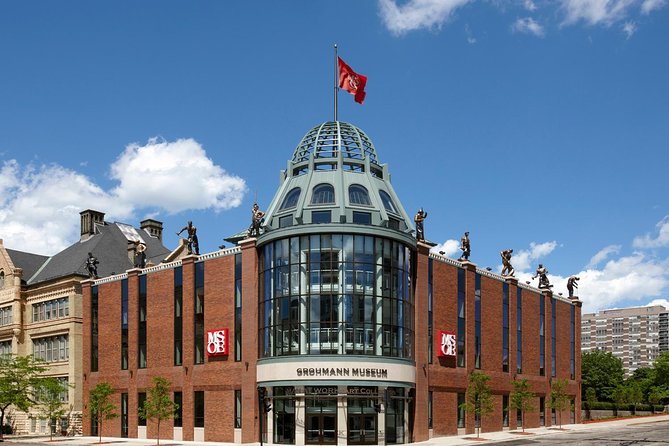
Milwaukee’s Grohmann Museum doesn’t chase blockbuster hype. Instead, it does something smarter: it makes human work the main theme. The museum is known for a very broad collection that traces how people’s jobs, skills, and tools evolved over time, using sculpture and art to tell that story in a hands-on way.
You’ll see plenty of work-related subject matter, including figures of working tradesmen and materials that connect to industry and labor. That theme changes the way you look at the exhibits. You’re not just asking what’s pretty. You’re asking what the makers were trying to capture: motion, craftsmanship, tools, and the people behind the scenes.
And then there’s the setting. The museum is easy to reach on the Milwaukee School of Engineering campus, so it tends to fit cleanly into a Milwaukee day without needing a complicated plan.
The easiest way through: rooftop first, then three floors
This is one of those museums where the layout actually helps you. You get three floors of gallery space, plus a one-of-a-kind rooftop sculpture garden. The flow encourages you to wander, absorb, and then notice how themes connect from one room to the next.
A smart strategy is to start with the rooftop sculptures. More than one recent visitor highlights this order as a way to get your bearings fast—literally, because the outdoor sculptures help you understand the museum’s central “work” idea before you move indoors. After the rooftop, you can work your way down floor by floor at a comfortable pace.
Here’s what that means in real time. If you want a quick but satisfying visit, you can spend about an hour and a bit moving top to bottom and reading the key labels. If you like taking your time, plan for a full 1 to 3 hours, because the collection is spread out thoughtfully and you’ll likely want to slow down for sculpture details.
What you’ll spot indoors
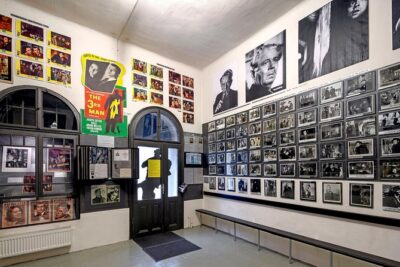
Indoors, the museum leans into art that shows people doing real things. You might see bronze and cast sculptures, plus paintings and stained glass. The exhibits are organized into categories such as medicine and textiles, which makes the museum feel structured rather than random.
That organization is part of the value here. If you’re the type who gets overwhelmed by sprawling museums, you’ll probably appreciate the clear subject groupings. You can target what you care about—crafts, tools, healthcare history, or labor-focused art—without needing a perfect plan.
What you’ll notice about the outdoor stop
The rooftop sculpture garden is special, and it’s also the part most sensitive to weather. When conditions are good, you’ll get a calm outdoor walk and sculpture viewing with the city around you. When weather isn’t friendly, the rooftop may be inaccessible, and your visit becomes more indoor-focused.
Skip-the-line ticket: why $5 can feel unusually efficient

The price is $5 per person, which is hard to beat for a museum visit that includes multiple floors and a rooftop garden. This isn’t a “pay $5, get five minutes” kind of deal. The museum’s theme and layout create enough content to justify your time.
The skip-the-line part matters for two reasons. First, you’re not spending your day stalled. Second, the museum is quiet enough that when you arrive, you can start looking right away instead of feeling rushed at the front door.
You’ll also have a mobile ticket tied to your booking, with confirmation received at the time of purchase. That removes the annoying “where did I put the printed ticket” problem and helps you move through Milwaukee with fewer steps.
A practical look at timing and hours (so you don’t show up wrong)
The Grohmann Museum opening hours are listed as Monday to Friday, 9:00 AM to 5:00 PM. That matters because it’s a good museum for a weekday visit, especially if you want a calmer experience without squeezing it into a weekend rush.
Your typical visit length is listed as 1 to 3 hours. I’d treat that as a real planning tool:
- If you’re combining it with other Milwaukee stops, budget closer to 1 to 2 hours.
- If you like sculpture details, stained glass, and taking your time with labels, go nearer the 2 to 3 hour end.
Also note that this experience requires good weather. If you’re traveling in a season where Milwaukee can be unpredictable, it’s worth building flexibility into your day so you don’t feel stuck with an outdoor disappointment.
Getting there: on the MSOE campus and close to transit

One of the nicest practical details is location. The museum is on the Milwaukee School of Engineering campus, so it’s straightforward to find once you’re in the area. The site is also noted as being near public transportation.
That’s a helpful combo. If you’re walking around Milwaukee and don’t want to rely entirely on parking or rideshares, this works well as a mid-day or afternoon stop. The campus setting also tends to keep the museum from feeling like it’s “out in nowhere land.”
What to expect from the exhibits: work across centuries, not just one style

If your usual museum day is mostly paintings and portraits, you’ll probably enjoy the Grohmann’s different angle. The center of gravity here is labor, industry, and the human skills behind work—shown through sculpture, casts, and art that acts like a pictorial record of livelihood.
From the information you’ll find inside, you can expect the collection to cover long stretches of time, from earlier centuries through more recent history. That range is part of why the museum can feel educational without turning into a lecture.
And if you’re thinking, “Will this be too niche?” you may be surprised. The themes touch a lot of universal interests: how people live, how communities build, how trades develop, and how tools shape daily life. Even if you don’t consider yourself a museum person, the subject matter can feel instantly understandable.
Special exhibits may appear at times. For example, one recent period included a train-related exhibit, which suggests you might catch something fresh depending on when you go.
Who this Milwaukee museum ticket fits best
This is a strong fit if you like one or more of these:
- Sculpture and craftsmanship over purely decorative art
- museum visits that teach without shouting
- a calm indoor experience with an outdoor bonus
It’s also a good option for budget-minded trips. When a museum visit costs $5 and can fill up 1 to 3 hours with three floors of galleries, that’s practical value.
Families can do well here too, especially if the rooftop and sculpture walk sounds like the kind of activity that keeps kids curious. The museum’s focus on tangible work themes (and outdoor sculptures when open) often feels more engaging than abstract art for younger visitors.
Mobility note: the museum includes stairs and an elevator, so you’ll have options for navigating the floors.
Friendly staff and useful museum help
The staff experience is consistently described as welcoming and helpful, with clear context provided around the exhibits. That matters because museums about specific themes can sometimes require a little framing. Having staff who can point out what to look for can make the visit feel smoother and more meaningful.
If you’re the type who reads labels but still wants a shortcut to what’s important, ask at the front desk when you arrive. You’ll likely get guidance that fits the way you want to spend your time—quick tour, deeper reading, or rooftop-first pacing.
Price and logistics: why this ticket is a smart use of a Milwaukee day
At $5, this ticket is the kind of museum option that lets you be flexible. If you’re building a Milwaukee itinerary and want a cultural stop that won’t blow your budget, this does the job.
Logistics are also tidy. You’ll get your confirmation when you book, and the ticket is delivered as a mobile pass. Plus, the museum is open during weekday hours, which makes it easier to slot into a travel schedule between other activities.
Duration-wise, you can treat this as a standalone mini-adventure or as a calm break between bigger attractions. The rooftop offers a nice “reset” in the middle of your day, and the indoor floors keep you moving through the collection without needing a guided tour to understand what’s going on.
Should you book the Skip-the-Line Grohmann Museum ticket?
Yes—if you want a low-cost, high-value museum stop that’s themed, organized, and worth your time. The Rooftop + three-floor format gives you enough variety to feel like you saw something substantial even on a short visit.
I’d book it especially if:
- you’re keeping Milwaukee spending under control
- you like sculpture, trades, and “how things are made” topics
- you want a weekday cultural stop in the 9 AM to 5 PM window
Consider skipping—or at least plan for an indoor-only version—if the forecast looks poor for your visit day, since the experience requires good weather for the rooftop component.
FAQ
How much is the Grohmann Museum skip-the-line ticket?
It’s listed at $5.00 per person.
How long should I plan to spend at the Grohmann Museum?
The visit duration is about 1 to 3 hours.
What are the museum’s opening hours?
The hours provided are Monday to Friday, 9:00 AM to 5:00 PM.
Is the ticket mobile, or do I need to print it?
The ticket is a mobile ticket, and confirmation is received at the time of booking.
Does the visit depend on weather?
Yes. The experience requires good weather. If it’s canceled due to poor weather, you’ll be offered a different date or a full refund.
Can I cancel for a refund?
Yes. Free cancellation is available up to 24 hours in advance for a full refund. Within 24 hours, the amount paid isn’t refunded.