REVIEW · WILLEMSTAD
Entrance Ticket Kurá Hulanda Museum (not including guide service)
Book on Viator →Operated by Stichting Museum Kura Hulanda · Bookable on Viator
History in Willemstad hits you from the harbor up. The Kurá Hulanda Museum tells the story of the transatlantic slave trade with artifacts from continental Africa and a clear link to Curaçao’s present. I liked that the museum stays focused and practical: you walk, you read, you see objects, then you understand how the Dutch West India Company and the island’s port shaped the region.
Two things I especially liked. First, it’s priced like a smart add-on: an entrance ticket for $12 (mobile ticket) and a museum map lets you explore at your pace. Second, the museum isn’t stuck in the past; it shows cultural influences that still echo across Curaçao and the Caribbean. One consideration: it’s heavy material and it can be a lot of reading, so going in without a plan can feel overwhelming.
In This Review
- Key things to know before you go
- Willemstad’s harbor setting makes this more than a museum stop
- Ticket value at $12: what’s included and what you’ll need to add
- What you’ll see inside: transatlantic slavery, African cultures, and living legacies
- How the museum experience usually lands
- Africa room and artifact focus
- One-stop itinerary: how to plan your route through Kurá Hulanda Museum
- 1) Start with context, not speed
- 2) Work through the slavery story and its port connection
- 3) Spend time on culture, not only cruelty
- 4) Don’t skip the Hulanda Village stroll
- A realistic time plan
- The optional guided tour: why a $5 per-person add-on can be worth it
- Opening hours, location logistics, and how not to waste your visit
- Who should book this museum ticket, and who should think twice
- Should you book Kurá Hulanda Museum tickets?
- FAQ
- FAQ
- Where is Kurá Hulanda Museum located?
- How much is the entrance ticket?
- Is a guided tour included with the ticket?
- What’s included with my entrance ticket?
- How long should I plan to spend inside?
- What are the opening hours?
- Is the ticket a mobile ticket?
- Is the museum near public transportation?
- Is there free cancellation?
- Is there a lot of walking in the museum?
Key things to know before you go
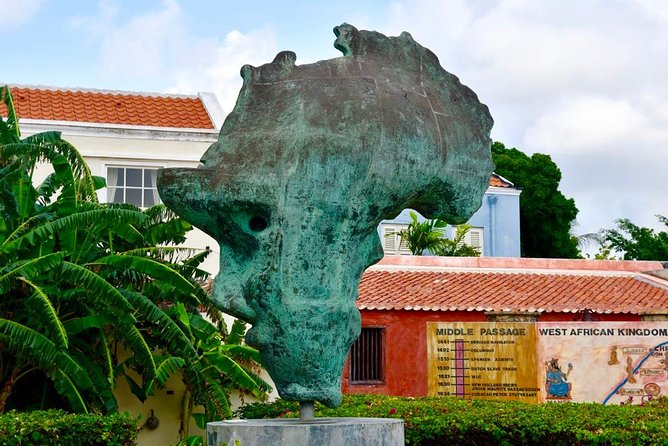
- Harbor-side location in Willemstad: the museum sits by the port area of Otrobanda, tied to the routes that moved enslaved people onward.
- Artifacts from continental Africa: you get objects and context, not just dates and names.
- Clear focus on impact: the exhibits connect 16th–19th century slave trading to Curaçao’s lasting cultural legacy.
- On-your-own ticket is real value: admission is $12, and the map helps you navigate without a guide.
- A guide can change everything: optional guided tours are offered in multiple languages for a per-person fee.
- Sensitive, emotional subject matter: plan time to process what you see.
Willemstad’s harbor setting makes this more than a museum stop
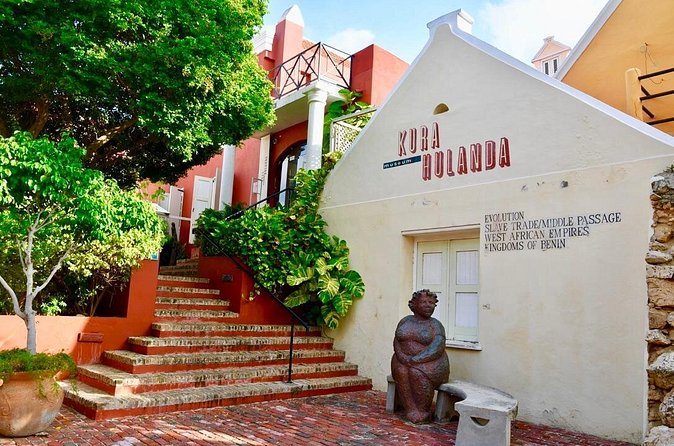
Kurá Hulanda Museum is in Willemstad, Curaçao, right along the city-center harbor area of Otrobanda. That matters because the exhibits aren’t floating in space. This is one of the key transshipment points in the region, meaning Willemstad’s port area played a role in moving enslaved people from Africa to plantations across North and South America and the rest of the Caribbean.
Walking into the museum, you’ll feel how the island’s geography and colonial trade routes shaped everyday life for centuries. The museum also points to the Dutch West India Company connection, which is part of why the slavery story fits Curaçao so tightly. If you like history that’s tied to place (and not just a classroom lecture), this location earns its spot.
Ticket value at $12: what’s included and what you’ll need to add
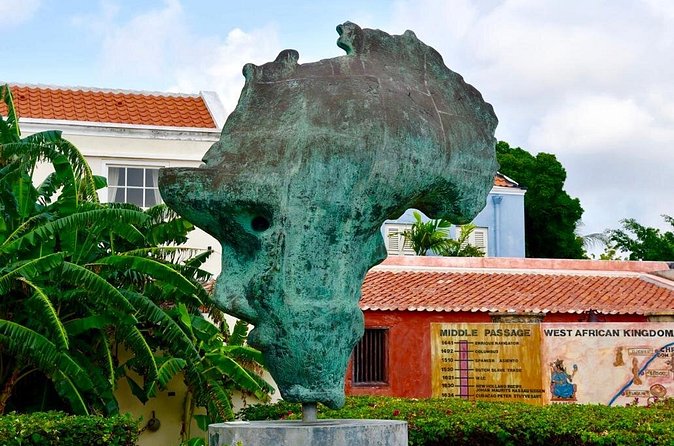
The entrance ticket is $12 per person, and it’s sold as a mobile ticket. Included with the ticket are a receptionist and a museum map. That’s it—no transportation, no souvenirs, and no guided interpretation bundled in.
So here’s the practical way to think about value. If you want a quiet, self-paced visit where you can stop and re-read sections, the base ticket makes sense. You’re paying for access to the collection and the story it tells, and the map helps you move through the site without feeling lost.
If you want the “why” behind what you’re seeing (and you’d rather not rely on reading every label), you’ll likely want to add the optional guided service. Guided tours are available in Dutch, English, Papamentu, and Spanish for a per-person fee listed at $5. That small add-on can turn a visit from informative to truly understandable, especially with a topic this layered.
What you’ll see inside: transatlantic slavery, African cultures, and living legacies
The museum’s core is the history and impact of the transatlantic Slave Trade between the 16th and 19th centuries. The exhibitions cover the forced relocation and sale of millions of Africans to the New World, with a strong emphasis on the Caribbean and South America.
You’ll also see that the museum doesn’t treat Africa as one background detail. Instead, it highlights artifacts from continental Africa and shows how those cultures influenced Curaçao and the wider region over time. In practice, that means you’re not just reading about trade and suffering. You’re also seeing objects that point to identities, traditions, and creativity that survived and adapted.
How the museum experience usually lands
Expect a mix of:
- interpretive text (often a lot of it)
- artifacts and collection pieces
- thematic sections that connect the trade route to Curaçao’s story
One thing I’d call out from the way visitors talk about the museum: the exhibits can be heartbreaking. That’s not a warning to skip it. It’s a heads-up to go in with emotional pacing. If you’re the type who reads every word and then lets it sink in, you’ll probably appreciate the time you spend here. If you’re trying to “power through,” you may end up feeling rushed and underpowered by the amount of information.
Africa room and artifact focus
You’ll likely spend real time in the areas that focus on African cultures. Visitors mention an especially strong Africa-focused section with cultural objects and a sense of depth that goes far beyond a few display cases. Some comments even point to very old artifacts (thousands of years old), which gives the exhibits a longer timeline than many people expect when they think only of the 1800s.
One-stop itinerary: how to plan your route through Kurá Hulanda Museum
Since this experience is basically one stop—the Kurá Hulanda Museum—your “itinerary” is really your internal route. Here’s how I’d structure it so you don’t feel like you’re sprinting through something that deserves attention.
1) Start with context, not speed
When you arrive, use the museum map early. Don’t treat it like paper you’ll read later. Use it to get oriented: what sections exist, and what themes repeat. This helps you avoid the common feeling of walking into a lot of text without a sense of direction.
If you’re going on your own, this is also where you decide how you’ll handle the reading. The museum can be info-heavy, and some people find it overwhelming if they’re trying to read everything in one go. A good approach is simple: scan first, then slow down only in the sections that hit hardest or raise questions.
2) Work through the slavery story and its port connection
The strongest story thread ties together:
- the forced movement of people from Africa
- the New World destinations (Caribbean and South America, plus wider connections)
- the role Curaçao played as a trading and transshipment hub
You’ll feel how the island’s harbor setting is not scenery—it’s part of the explanation. This part can be intense. If you need a reset, take it. Step back. Let your brain catch up.
3) Spend time on culture, not only cruelty
One reason people come away moved is that the museum balances the transatlantic story with artifacts and cultural influence. If all you focus on is the horror, you may miss the point the museum is making about survival and influence.
Take your time in the sections that show cultural continuity and transformation. That’s where the museum feels connected to Curaçao today rather than sealed in history textbooks.
4) Don’t skip the Hulanda Village stroll
There’s also mention of time to stroll through Hulanda Village. If it’s on your route, treat it as your decompression zone. It gives you a calmer space before you decide whether you want to return to the exhibit areas for more reading.
A realistic time plan
The experience is listed as 1 to 2 hours. That’s enough for a straightforward pass, especially if you skim labels. But I’d plan differently if you care about absorbing details. Some visitors recommend planning longer—around 2 to 3 hours—to properly experience the exhibits without rushing.
If you only have an hour, consider adding a guide option. A guide can compress context so you spend your time reading the most meaningful labels instead of trying to piece everything together alone.
The optional guided tour: why a $5 per-person add-on can be worth it
This museum is the kind of place where context matters. The base ticket lets you explore independently, but an on-site guide can help you connect the dots faster, translate concepts into plain language, and answer questions as they come up.
Guided tours are available in Dutch, English, Papamentu, and Spanish. If your group is mixed-language or you want the most accurate interpretation of object meaning, choosing a guide is the easiest upgrade.
Also, guide choices can make the experience more human. Names that appear in visitor notes include Evonne and Ms. Milva—people singled them out for strong storytelling and the ability to connect themes across different parts of the museum. Even if you pick another docent, the pattern is the same: a guided visit helps you move through sensitive material with less confusion and more understanding.
Practical tip: if you take a guide, give yourself fewer competing plans afterward. You’ll likely leave with questions in your head, and you may want time to walk and process.
Opening hours, location logistics, and how not to waste your visit
Kurá Hulanda Museum opening hours are:
- Monday to Saturday: 8:00am–16:00pm
- Sunday: 9:00am–14:00pm
- Closed on all official holidays
It’s also noted as being near public transportation, which helps if you’re staying somewhere in Willemstad and don’t want to shuffle taxis around.
One scheduling detail that matters: arriving close to opening can be smart, but don’t assume you’ll walk straight in the moment doors open. Some people report waiting when they arrived early, so if you’re tight on time, plan a small buffer.
Who should book this museum ticket, and who should think twice
This is a good match if you:
- want a focused education on transatlantic slavery’s impact
- enjoy museums where you can learn from artifacts, not only panels
- like history grounded in the real geography of Willemstad’s port area
- are traveling with teens or older kids who can handle serious topics
It’s also a decent option for large groups (the experience caps at 15 travelers). That cap is useful—it generally keeps the visit from turning into chaos.
Who should think twice? If you’re very sensitive to emotionally heavy topics, or you want a light, quick “see and move on” stop, this might not match your mood. Also, some visitors note there can be a lot of walking, which could be an issue if you have mobility limits. The museum isn’t described as step-free or fully accessible in the provided info, so if mobility is a concern, ask your operator ahead of time.
Should you book Kurá Hulanda Museum tickets?
Book it if you want a meaningful Curaçao experience that goes beyond beaches and shopping. For $12, you get admission, a map, and the chance to understand how the island’s port role and Dutch colonial ties connected to the wider slave trade. This is also a smart buy when you like learning at your own pace—you can slow down, stop, and re-read until it clicks.
Don’t book it (or consider adding a guide) if you know you’ll struggle with heavy reading or you need more interpretation than labels provide. With a topic this layered, a guide option in English, Dutch, Papamentu, or Spanish can be the difference between confused and clear.
If you can only fit one cultural stop in Willemstad, this is the one I’d choose.
FAQ
FAQ
Where is Kurá Hulanda Museum located?
It’s in Willemstad, Curaçao, near the city-center harbor area of Otrobanda.
How much is the entrance ticket?
The entrance ticket price is $12.00 per person.
Is a guided tour included with the ticket?
No. Guided tours are available separately. The guided service is listed at $5.00 per person.
What’s included with my entrance ticket?
Your ticket includes admission, a receptionist, and a museum map.
How long should I plan to spend inside?
The visit is listed as about 1 to 2 hours, though you may want extra time if you want to read more carefully.
What are the opening hours?
Monday through Saturday: 8:00am–16:00pm. Sunday: 9:00am–14:00pm. The museum is closed on all official holidays.
Is the ticket a mobile ticket?
Yes. The experience uses a mobile ticket.
Is the museum near public transportation?
Yes, it’s listed as being near public transportation.
Is there free cancellation?
Yes. You can cancel up to 24 hours in advance for a full refund, based on the experience’s local time.
Is there a lot of walking in the museum?
Some visitors report that there is a lot of walking, which may be a consideration if you have mobility issues.