REVIEW · BUDAPEST
Budapest: Budapest Retro Interactive Museum Ticket
Book on GetYourGuide →Operated by Budapest Retro Interactive Museum · Bookable on GetYourGuide
Want 1980s Budapest without the time travel.
I love the interactive Lada police car simulator and the period TV news studio with functioning cameras. One catch: a lot of the exhibition text may not be in English, so plan accordingly.
You’ll move through three floors of 1970s and 80s daily life, from red pioneer scarves and propaganda-style songs at school to summer camps at Lake Balaton and ordinary apartment routines built on a functionality first layout.
Plan on about 1–2 hours if you want to see everything at a comfortable pace, and use your voucher at the museum desk for fast entry.
In This Review
- Key things I’d prioritize
- Price and Logistics: What Your $17 Ticket Is Really Paying For
- Three Floors of 1970s–80s Life, Not Just Posters on Walls
- Floor-by-floor, what you should look for
- The “goulash communism” vibe
- The Period News Studio: Vintage Cameras and Real Broadcast Text
- Vintage Vehicles: Motorcycles, Soviet Cars, and the Black Volga Detail
- The Lada Police Car Simulator and Gazdagrét: A Fun Way to Learn Geography
- Inside a Typical Apartment: Functionality First and Interactive Photo Moments
- The 1980 Space-Race Room: Hungary, Salyut 6, and Goulash in Space
- The Retro Bistro: Coffee, Drinks, Pastries, and Jukebox Vibes
- Who This Museum Fits Best (and Who Might Feel Restless)
- Practical Tips That Make the Visit Smoother
- Should You Book This Budapest Retro Interactive Museum Ticket?
- FAQ
- How long does the Budapest Retro Interactive Museum visit take?
- Where do I present my voucher?
- Is the admission ticket included?
- Is there an option to book without paying immediately?
- Is the museum wheelchair accessible?
- What’s included in the experience?
- Is food included with the ticket?
- Does the museum have activities for families and kids?
- Do ticket prices stay the same every day?
- Do seniors get any extra perk?
- Can I cancel and get a refund?
Key things I’d prioritize
- Patrol a virtual Gazdagrét from a Soviet-style Lada police car simulator
- Read communist-era news in a real TV studio with two functioning vintage cameras
- See original everyday artifacts arranged into themed rooms, not just glass cases
- Tour a typical apartment with period furniture and an interactive mirror for outfits
- Space-race oddities and local details including a Hungarian folk-art goulash gift for Salyut 6
Price and Logistics: What Your $17 Ticket Is Really Paying For
The ticket price is listed at about $17 per person, and it can vary by day of the week. That matters because this museum’s value isn’t about a big building or a long timeline. It’s about the density of hands-on exhibits in a compact space—so paying attention to the day (and the time slot) helps you avoid peak crowding.
You get skip-the-line admission, and that’s one of the few “time saver” perks that genuinely helps. With interactive museums, waiting can break your flow. Present your voucher at the Budapest Retro Interactive Museum desk and you’ll be in as soon as your ticket is processed.
One more practical point: this experience is typically sized for an hour or two. If you want a slow, take-everything-in museum day, you may end up wishing you’d paired it with something else. If you like focused visits, this is a good fit.
A few more Budapest tours and experiences worth a look



Three Floors of 1970s–80s Life, Not Just Posters on Walls
The museum’s concept is simple: everyday life during Hungary’s communist era, especially the 1970s and 80s. You’ll see items arranged in themed rooms so the story feels like “what it was like,” not a lecture.
Floor-by-floor, what you should look for
Floor 1 leans into recognizable daily routines—education, youth culture, and community life. You can spot how school worked, including distinctive red pioneer scarves and the kind of propaganda songs students learned. Even though the tone of that world was political, the rooms also show the social texture: kids still had activities, and summer life was still a thing.
Floor 2 shifts toward media and messaging. There’s a period news studio with two authentic, functioning TV cameras, where you can read original communist-era broadcasts. This is one of the smartest parts of the museum because it shows how information was packaged and delivered, not only what the message claimed.
Floor 3 brings you into “stuff you’d actually use”—especially the home. You’ll see the logic behind the apartment layout and the idea that systems should prioritize practicality over luxury. You can then step into a typical apartment setup with household items from the period.
The “goulash communism” vibe
The museum doesn’t pretend the era was simple. Still, the tone often feels like a blend: controlled politics, but familiar human routines. That’s why the themed rooms land well for many people, including families. You’re learning context, but you’re not stuck staring at uniforms forever.
The Period News Studio: Vintage Cameras and Real Broadcast Text
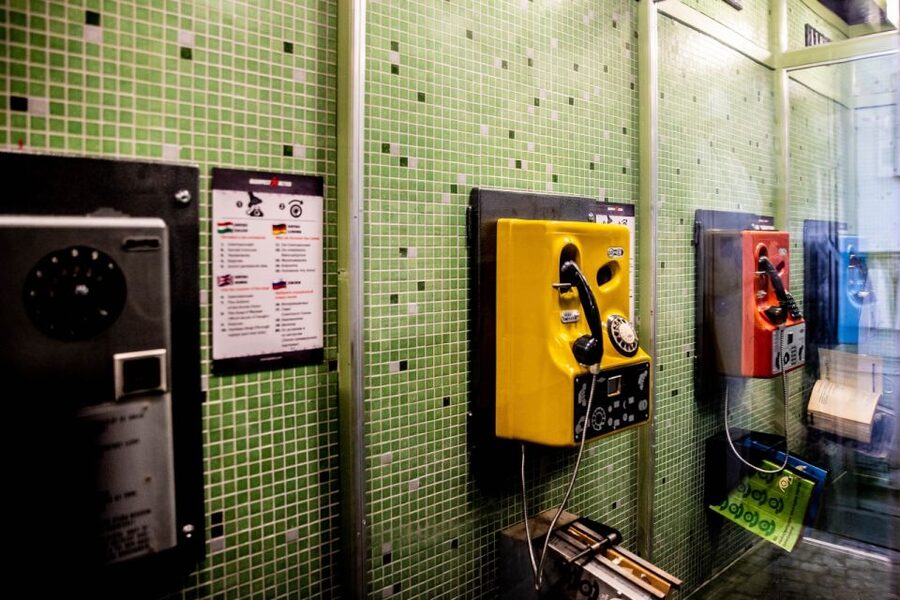
If you only do one “wow” section, make it the TV studio. It’s designed like you’re stepping into a broadcast setting from the communist era. The best part is that the studio comes with two authentic, functioning TV cameras—not props that look good and do nothing.
Then comes the educational piece: you can read original news broadcasts from the time. The museum approach is practical here. You’re not just told that propaganda existed. You see how it looked on screen and how the information was presented.
This part is also useful if you’re traveling with mixed interests. Someone who thinks museums are boring can get pulled in by the cameras and studio vibe, while the history-minded folks get something concrete: period broadcasts with a real sense of formality.
You can also read our reviews of more museum experiences in Budapest



Vintage Vehicles: Motorcycles, Soviet Cars, and the Black Volga Detail
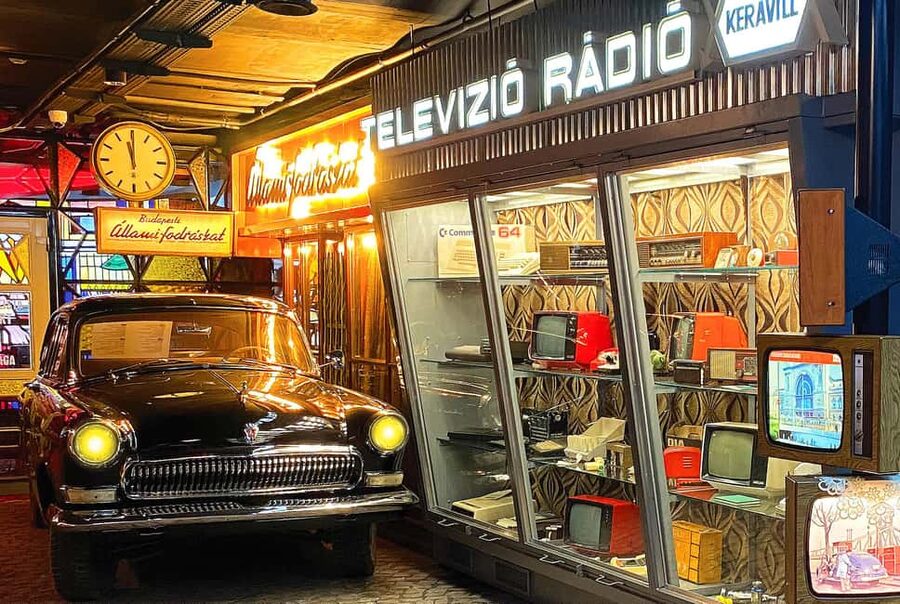
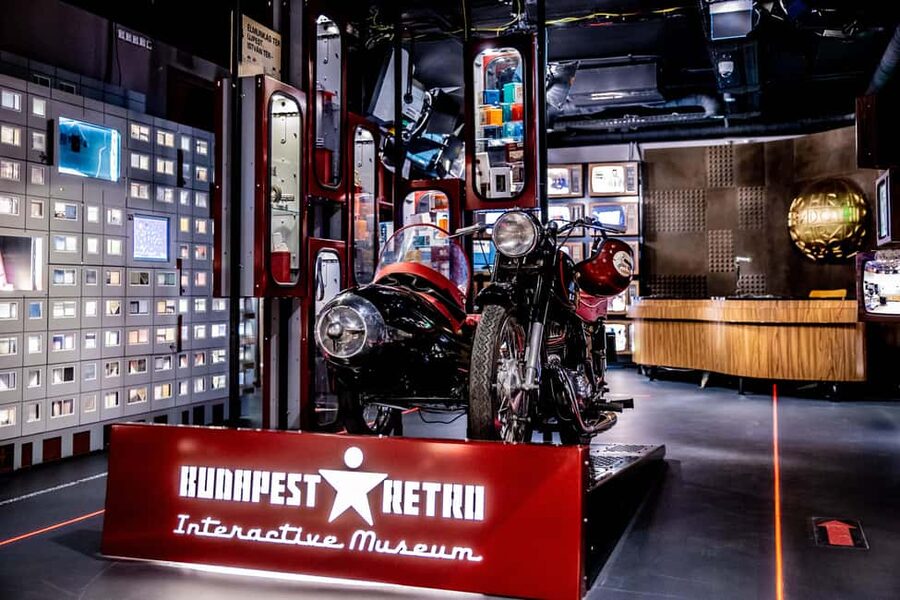
One of the most praised sections is vehicle-heavy, and you’ll understand why quickly once you’re inside. The museum includes nine motorcycles plus three renovated vintage Soviet cars. One of them is specifically identified as a black Volga, which gives you that “how is this here?” moment that makes the visit feel unusual.
These vehicles work as more than decoration. They’re physical proof of the era’s everyday transport world. Even if you’re not a car person, you’ll likely find yourself slowing down—because you can see the shapes, materials, and style of the time, not just read about them.
And then there’s the main attraction: the Soviet-made Lada police car simulator. That takes the vehicle theme from static display into action.
The Lada Police Car Simulator and Gazdagrét: A Fun Way to Learn Geography
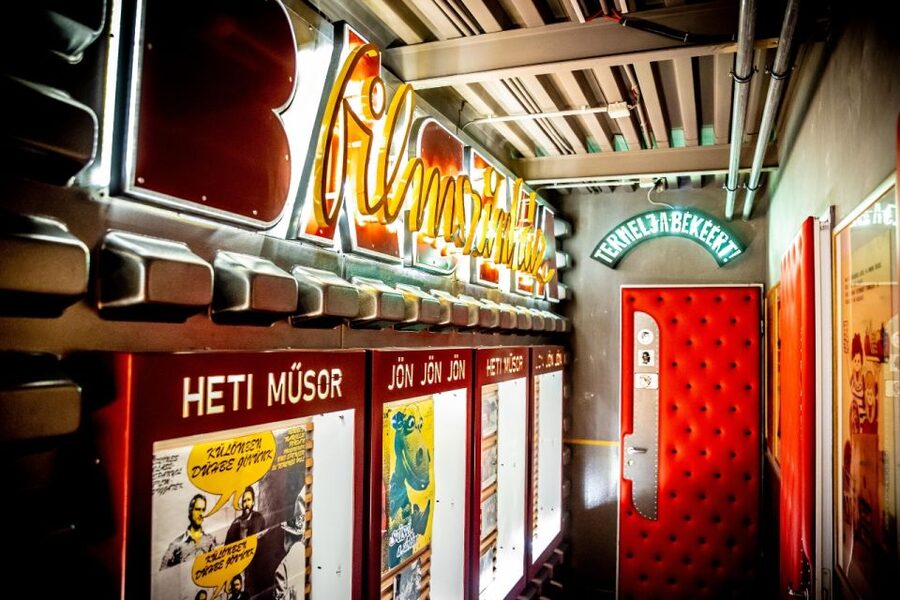
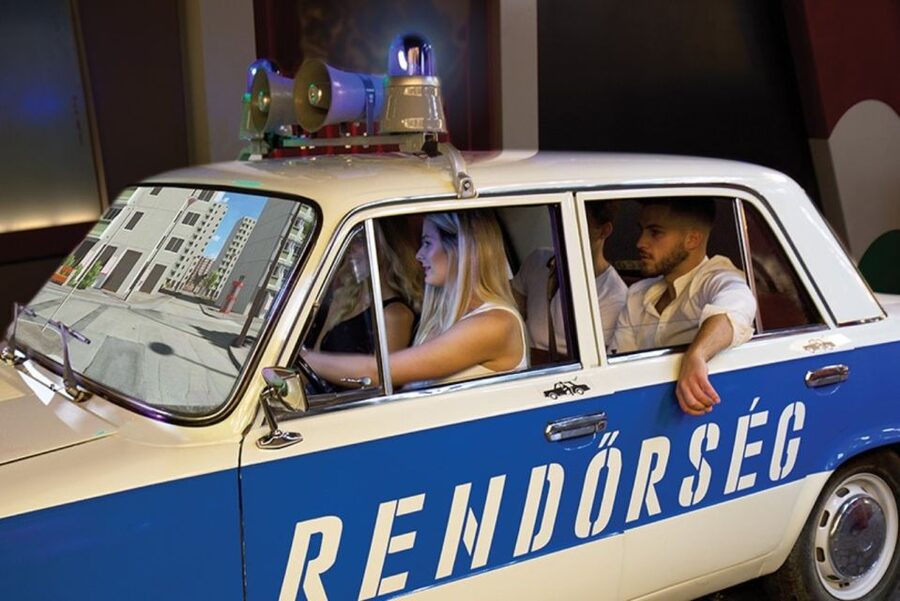
The museum’s highlight is the Lada police car simulator, remodeled so you can patrol a virtual version of Gazdagrét—an iconic Budapest housing estate known for its repeating blocks and long rows of apartments.
This is a smart learning tool because it turns architecture and urban planning into something you can “experience.” Instead of memorizing descriptions, you move through a stylized environment and connect the housing blocks to life around them. For anyone curious about how cities were reshaped under the system, this hits quickly.
It also turns the museum into something more than a reading museum. You get movement, sound, and interaction. For families, kids tend to light up here, and adults enjoy seeing the estate environment translated into a playable format.
Tip: if you’re visiting with younger kids, plan your simulator time before you reach sensory fatigue. The rest of the museum still has engaging sections, but the simulator is the moment most people want to hit without rushing.
Inside a Typical Apartment: Functionality First and Interactive Photo Moments
A big part of the museum’s appeal is the home section. The guiding idea is spelled out as functionality first: square apartment blocks, units with the same practical items, and standard layouts. The museum translates that system into something you can walk through.
You’ll see a typical apartment setup—household items that match the period’s look. The furniture, appliances, and TV presence are all part of the story. This section helps you understand how daily life could feel repetitive in space, but still comforting in routine.
Then comes a surprisingly fun feature: an interactive mirror where you can try on vintage outfits. It’s designed for photos, but it also has value as a teaching tool. Clothing, style, and public identity were part of the social structure, and this lets you see that immediately, without a long explanation.
The 1980 Space-Race Room: Hungary, Salyut 6, and Goulash in Space
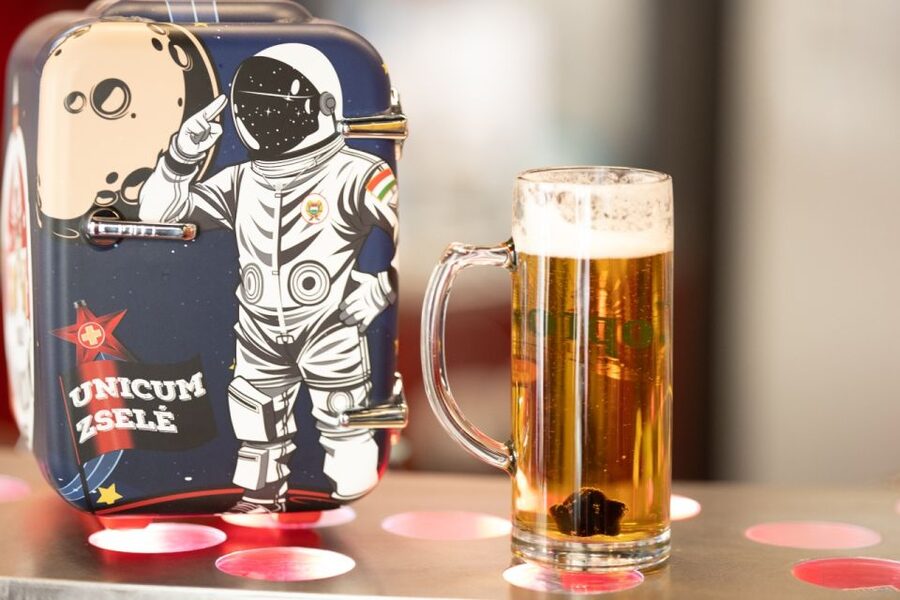
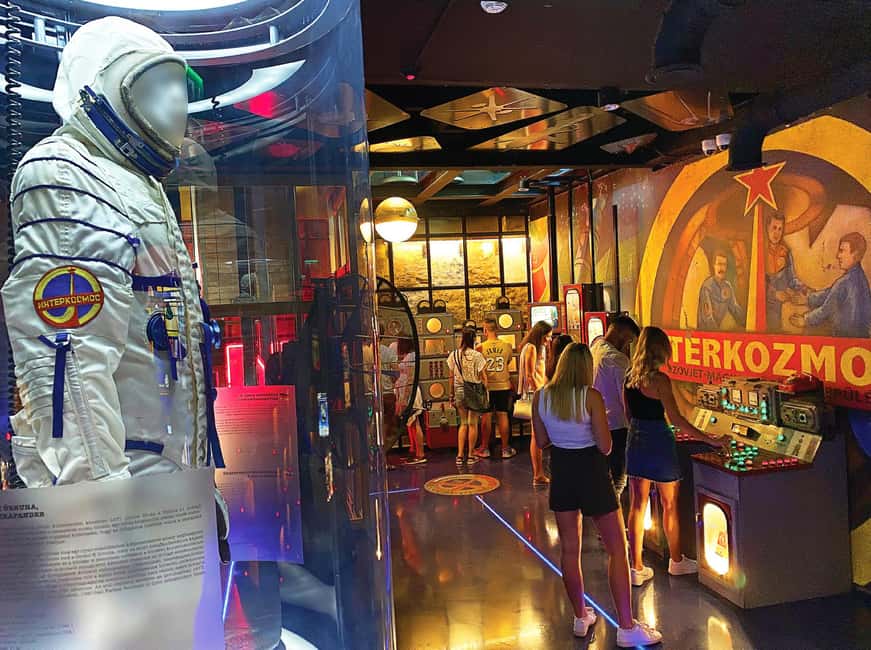
One of the most distinctive rooms links Hungary’s 1980 space connection to the Soviet mission. The museum explains that Hungary became the seventh nation to send an astronaut to space in 1980 as part of the mission.
You’ll find a dedicated display with a spacesuit and a story detail that’s very Budapest: a canned goulash gift presented to the Salyut 6 station crew. The gift is described as featuring Hungarian folk art patterns, which turns the space-race idea into something locally recognizable.
This room is short compared with the larger daily-life sections, but it gives your brain a break from classrooms and apartments. It also shows how “communist era” didn’t only mean politics and shortages. It meant major projects and public pride too.
The Retro Bistro: Coffee, Drinks, Pastries, and Jukebox Vibes
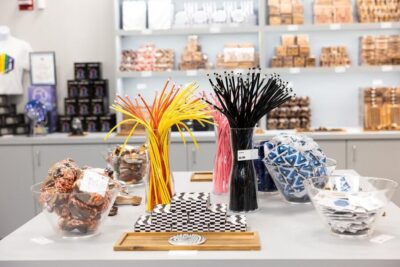
After you’ve finished the main floors, you can stop at the retro bistro. It serves coffee, drinks, and pastries. There’s also a jukebox vibe, plus a chance to browse souvenirs.
This is worth planning for because it keeps the museum from feeling like a sprint. If you’re visiting with kids, you’ll appreciate having a predictable break. And if you’re someone who reads every label, your energy will usually dip around the time you finish the apartment and vehicles.
One practical note: since food and drink aren’t included in the ticket, decide early whether you want a full break or just a quick snack.
Who This Museum Fits Best (and Who Might Feel Restless)
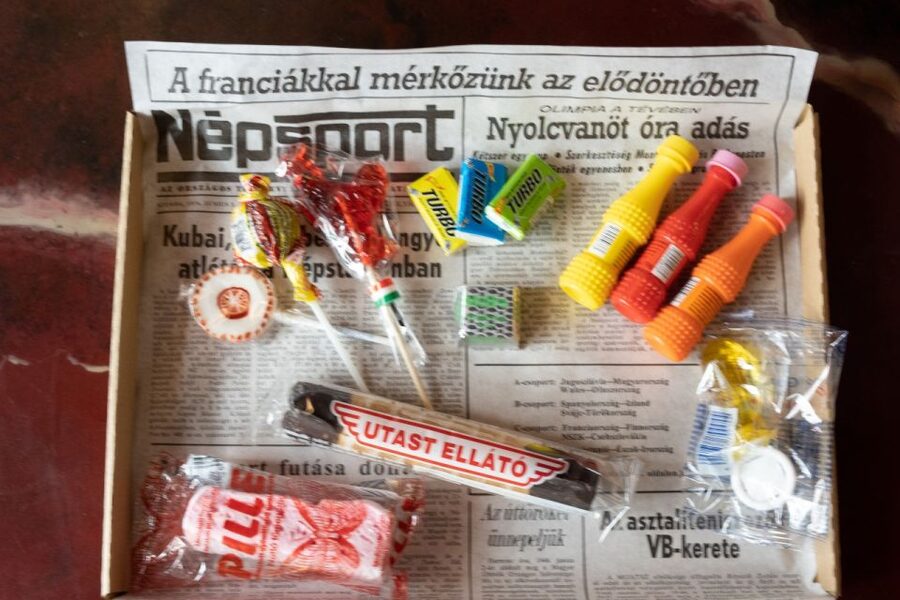
This museum works well if you like interactive displays, hands-on moments, and “objects in context.” It’s also a strong choice for families because there are multiple participation points—like the simulator, the TV studio experience, and outfit photo moments.
It’s also a good match for history curiosity without the expectation of a somber, hours-long exhibition. The museum is built around everyday life, not just ideology.
If you’re the type who needs everything explained with consistent English labeling, you should know that some sections may not be fully in English. That doesn’t ruin the experience—it just changes how much you’ll get from each room. Bring your curiosity and be ready to use visual clues.
Finally, if you hate compact museums because you feel “done” too soon, this place could feel short. For many visits, people say it can take less than 2 hours when you’re moving at a steady pace.
Practical Tips That Make the Visit Smoother
- Time it for when you can concentrate. If the museum is crowded, some interactive areas can feel like a wait.
- Bring a “photo mindset,” but don’t rush. The mirror and simulator are fun, but the artifact rooms teach you the why.
- Plan for possible heat. Some visitors have mentioned air conditioning issues on hot days, so consider visiting when the weather is kinder.
- Wear walking shoes. Even though it’s not a huge space, you’ll move between themed rooms and vehicles.
- Pair it with another nearby activity. Since it’s often a 1–2 hour experience, you’ll get more out of your day planning something before or after.
Should You Book This Budapest Retro Interactive Museum Ticket?
I think you should book if you want a fast, interactive way to understand Hungary’s communist-era daily life—especially if you’ll enjoy vehicles, media set pieces, and hands-on rooms. The combination of the TV studio with functioning cameras and the Lada police car simulator over Gazdagrét is exactly the kind of museum interaction that feels worth paying for.
Skip booking if you need a long, text-heavy museum with consistent English across every label, or if you strongly prefer quiet, slow gallery time. Also, if you’re expecting a full-day museum outing, adjust your plans—this experience is designed to be done in about 1–2 hours.
FAQ
How long does the Budapest Retro Interactive Museum visit take?
Plan for about a 1–2 hour visit to fully experience the museum.
Where do I present my voucher?
Present your voucher at the Budapest Retro Interactive Museum desk.
Is the admission ticket included?
Yes. The ticket includes skip-the-line admission.
Is there an option to book without paying immediately?
Yes. You can reserve now & pay later to keep plans flexible.
Is the museum wheelchair accessible?
Yes. The museum is wheelchair accessible.
What’s included in the experience?
You’ll explore three floors showing everyday life in the communist era, with interactive sections like a TV news studio and a Lada police car simulator, plus rooms featuring typical apartments and period artifacts.
Is food included with the ticket?
No. Food or drink is not included. There is a retro bistro on-site where you can buy coffee, drinks, and pastries.
Does the museum have activities for families and kids?
Yes. The exhibition is suitable for all generations and families with kids, with interactive elements that help keep younger visitors engaged.
Do ticket prices stay the same every day?
No. Ticket prices vary by day of the week.
Do seniors get any extra perk?
Yes. Seniors (65+) who buy a senior ticket receive a complimentary coffee every Wednesday.
Can I cancel and get a refund?
Yes. You can cancel up to 24 hours in advance for a full refund.