REVIEW · MONTANA
Admission to the C. M. Russell Museum
Book on Viator →Operated by C.M. Russell Museum · Bookable on Viator
Cowboy art gets real fast. The C.M. Russell Museum in Great Falls lets you spend a full day with Charles M. Russell and fellow western artists, in galleries built around the man himself. I love the way the collection blends famous paintings with objects and context, so it feels like you’re watching art come to life. I also like that the ticket gives all-day access (10am to 5pm), so you can slow down or zoom through without stress.
One thing to consider: there are firm museum rules—no bags/backpacks, no flash photography, and no touching the art—so plan for what you’ll carry. Also, double-check the date printed on your ticket before you go, because even a one-day mismatch can ruin your timing.
In This Review
- Key highlights
- C.M. Russell Museum admission: what your all-day ticket really means
- Russell Home and Studio: why it changes how you see the paintings
- The core collection: cowboys, Indians, and Russell’s most famous watercolors
- Going to the Sun: Glacier National Park scenes through western artists
- Browning Firearms Collection: a museum stop that surprises you
- Museum rules and timing: how to plan so you don’t feel rushed
- Gift shop value: souvenirs with western art DNA
- Who this Great Falls museum pass is perfect for
- Should you book the C.M. Russell Museum admission?
- FAQ
- What does the admission ticket include?
- How long should I plan to spend at the museum?
- What are the museum hours?
- Are there any restrictions inside the galleries?
- Is food and drink available on-site with the ticket?
- Are service animals allowed?
- Can I cancel and get a refund?
Key highlights
- All-day entry (10am–5pm) so you can pace yourself and linger where you want
- Russell’s art at scale, including around 2,000 works he created and thousands more in the museum’s holdings
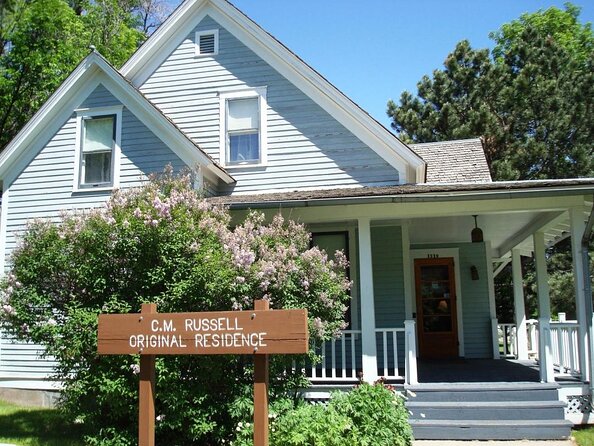
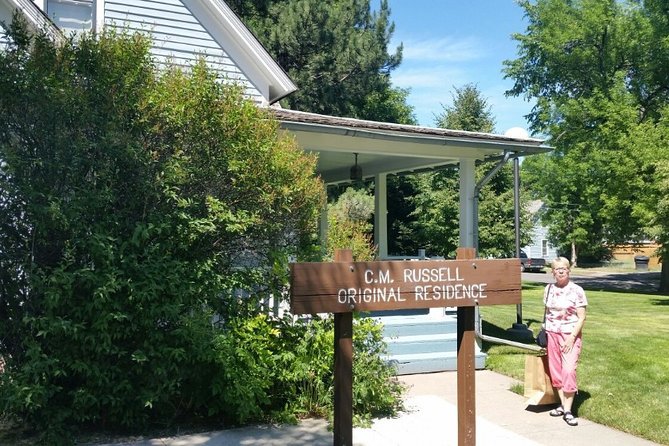
- Russell Home and Studio for that rare feeling of stepping into the working world behind the paintings
- Going to the Sun: Artists in Glacier National Park for western art made from real park life
- Browning Firearms Collection for a focused look at craftsmanship and history through metal
- On-site gift shop for western-inspired souvenirs you can take home
C.M. Russell Museum admission: what your all-day ticket really means
This is one of those museum tickets that works well because it gives you options. The museum is open 10:00 AM to 5:00 PM, and admission covers your visit time for that window. Many people need about three hours to see everything, but you can easily stretch it longer if you like to read labels, compare styles, or revisit favorite rooms.
What makes this admission feel like more than a “hit and run” stop is the museum’s scope. You’re looking at more than 4,000 artworks spanning roughly 50 years of American history, and you’re not limited to one theme. Sure, Russell is everywhere, but you also get supporting western collections that help the whole picture make sense.
Also, you’ll get a clean, straightforward visit format: go in, see the permanent collection and exhibitions, and move at your own pace until closing.
Russell Home and Studio: why it changes how you see the paintings
If you only care about paintings, you could still have a good time. But the museum’s extra value is how it connects art to daily work. Russell’s story matters here: he was born in 1864, grew up fascinated by Wild West stories, and later traveled to Montana, working on the frontier and sketching what he saw.
That personal history becomes physical once you’re at the Russell Home and Studio near the museum. The setup gives you a sense of how he lived and created, not just what he created. I love the way the studio experience makes the art feel less like museum objects and more like a craft process—especially when you notice how the museum presents western life through more than one medium.
A practical tip: plan to spend a little time here even if you’re tempted to race to the galleries. This is the part that can make the rest of your visit click into focus.
The core collection: cowboys, Indians, and Russell’s most famous watercolors
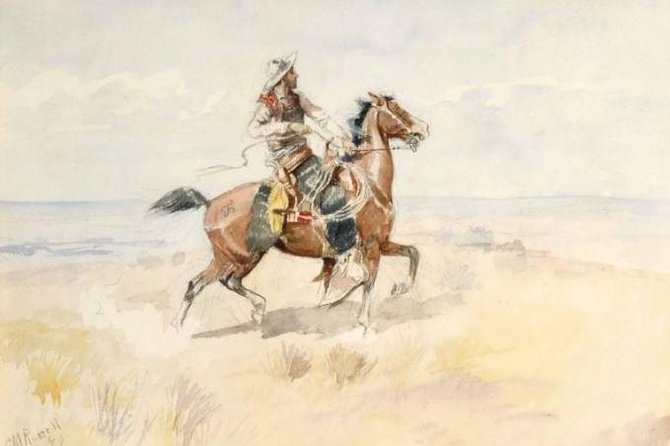
Charles M. Russell is the center of gravity, and the museum is happy about it. He created around 2,000 paintings across themes like cowboys, Indigenous life, and western scenery. If you’ve heard of him but never seen his work in one place, this is where you’ll understand why his images still get referenced in western art circles.
You’ll also see many of his most famous Western-inspired watercolors, including Breaking Camp and Meat for the Wagons. Even if you think you know these titles, seeing them in person matters. Watercolor can be tricky on paper, but in person you can catch how the scene is built—how Russell guides your eye and shapes mood using light, line, and space.
Now, here’s the balanced part: while the Russell collection dominates, the museum does include work by other western artists too. That means you can compare approaches and see that the western art world had more than one “voice,” even when Russell’s style is the loudest in the room.
Going to the Sun: Glacier National Park scenes through western artists
One of the best ways to make your visit feel fresh is to treat the temporary exhibition like a lens. Going to the Sun: Artists in Glacier National Park focuses on paintings that capture life inside the park. If you’re a nature traveler, this is a nice bridge between “western art” and “western landscapes,” but in a way that’s still about people and moments, not just scenery.
You can approach this exhibit two ways. First, look for the visual mood—how artists handle distance, weather, and movement. Second, look for the human signals that tell you how people interacted with the park. It’s the kind of exhibit where a little extra time pays off, because small details often do the storytelling.
I like pairing this exhibit with Russell’s work. Russell’s Montana themes are different from park-focused scenes, but the emotional thread—work, travel, and daily life on the edge of the American West—keeps the day coherent.
Browning Firearms Collection: a museum stop that surprises you
Not every art museum includes a serious firearms collection, which is exactly why this is worth your attention. The museum’s Browning Firearms Collection gives you a different kind of storytelling: precision, design, and the role of weapons in western life.
If you’re thinking, Will this feel out of place?—it usually doesn’t, because the art at the museum often deals with frontier life. This collection helps connect the practical side of that world to the artistic themes. Instead of only seeing “the idea” of the frontier, you see objects made for specific use and craftsmanship.
You don’t need to be a firearms person to enjoy this. Even if you skim the technical details, you’ll still come away with a better sense of what “frontier life” included—tools, materials, and the way metal culture shows up in western history.
Museum rules and timing: how to plan so you don’t feel rushed
Your day at the museum is flexible, but planning makes it smoother. The museum runs Monday through Sunday from 10:00 AM to 5:00 PM. The experience time you’ll want ranges from about 1 to 4 hours, with a common sweet spot around three hours for most visitors.
Bring light, because the museum is strict. No bags/backpacks are allowed, flash photography is not allowed, and you can’t touch the artwork. Also, food and drinks aren’t allowed inside the galleries.
That affects your comfort level more than you might expect. If you’re used to carrying water, snacks, and a full day bag, adjust your packing plan. I recommend going with the basics: wallet, phone/camera (no flash), and whatever you’ll need for the gift shop. If you hate losing time, wear comfortable shoes—this place rewards walking.
For timing, aim to arrive when you feel mentally ready to read. A slower start makes it easier to enjoy label details and spot connections between exhibits, especially Russell’s broader themes.
Gift shop value: souvenirs with western art DNA
The museum gift shop is more than a last-minute checkout. It’s your chance to bring home western-inspired souvenirs, and you’ll likely find items that feel tied to the art you just saw. Since you’ll already be looking at Russell’s imagery all day, the shop feels like a natural wrap-up rather than a separate stop.
This part is optional, but if you like meaningful keepsakes, you’ll probably enjoy browsing a bit instead of rushing straight to your car.
Who this Great Falls museum pass is perfect for
This admission works best if you like one or more of these:
- You’re drawn to cowboy and western art, especially Russell’s watercolor style
- You want context, not just paintings—Russell’s home and studio make a big difference
- You like western history presented through art and related collections, including the Browning Firearms Collection
- You’re visiting the region and want an easy, self-paced anchor activity that fits a half-day or full day
If you’re a strict “only the absolute must-sees” visitor, you’ll still have a good time. You can focus on Russell’s most famous works first, then choose one or two other stops (like Glacier’s exhibit or the firearms collection) based on your interests.
Should you book the C.M. Russell Museum admission?
If you’re in or near Great Falls, I think this is an easy yes—especially if you value art tied to real place and real working life. The combination of Russell’s collection, the Russell Home and Studio, and the special exhibits gives you a visit that feels more grounded than a standard gallery-only stop.
Book it if you want a flexible day where you can slow down. Skip it only if you know you hate rules like no bags, no flash, and no touching, or if you’re the type who finishes museums in 20 minutes.
Either way, do one smart move before you go: double-check the date on your ticket so you don’t show up on the wrong day and lose your entry window.
FAQ
What does the admission ticket include?
Your ticket includes all access to the C.M. Russell Museum during open hours, including the museum exhibitions and collections.
How long should I plan to spend at the museum?
Most visitors need about three hours to see the exhibits, but the visit can fit anywhere from 1 to 4 hours depending on your pace.
What are the museum hours?
The museum is open 10:00 AM to 5:00 PM.
Are there any restrictions inside the galleries?
Yes. Touching the artwork is prohibited, flash photography is not allowed, and bags/backpacks are not allowed in the museum or galleries. Food and drinks are also not allowed.
Is food and drink available on-site with the ticket?
Food and drinks are not included, and food and drinks are not allowed in the museum or galleries.
Are service animals allowed?
Yes. Service animals are allowed.
Can I cancel and get a refund?
Yes. You can cancel up to 24 hours in advance for a full refund. If you cancel less than 24 hours before the experience starts, the amount paid is not refunded.