REVIEW · MALAGA
Picasso’s Birthplace Museum Entrance Ticket
Book on Viator →Operated by Agencia Publica · Bookable on Viator
Picasso’s story begins at street level in Malaga. This ticket gets you into Pablo Picasso’s Birthplace Museum faster, then lets you wander at your own pace through family objects, early works, and rotating exhibits.
What I really like here is how direct the experience feels and how much you can learn without needing a group tour. You’ll see Picasso’s birthplace at No. 15 Plaza de la Merced, and you also get an included audio guide in multiple languages.
One thing to consider: the visit can feel short if you move quickly—some people find it around 30 minutes—so give yourself a relaxed 1 to 2 hours to actually read and look closely.
In This Review
- Key things to know before you go
- Why Picasso’s Birthplace feels personal in Malaga
- Tickets, skip-the-line access, and what this one really costs
- Fundacion Picasso: No. 15 Plaza de la Merced, and what you’ll see inside
- The birthplace setting
- The collection and early works
- The library and research feel
- One more location in the same square
- Timing: how long this visit takes and when to go
- Opening hours and practical daily planning
- Audio guide strategy: using it without getting stuck
- What the audio helps you catch
- Temporary exhibits in the same ticket: how to think about that extra time
- Finding the right entrance without losing time
- Group size and the pace inside
- Who should book this and who might want a different plan
- Should you book this Picasso birthplace ticket?
- FAQ
- How long does the Picasso Birthplace Museum visit take?
- Is skip-the-line entry included?
- What does my ticket include?
- What languages are available on the audio guide?
- Where is Picasso’s birthplace museum located?
- Are the opening hours the same every day?
- Is there free entry at certain times?
- Is the museum easy to reach using public transportation?
- Do kids need an adult?
- How big is the group for this experience?
Key things to know before you go
- Skip-the-line priority access helps when the street entrance area gets busy
- Audio guide in many languages (including English) so you can go at your pace
- No. 15 Plaza de la Merced is the core birthplace site, recognized as an Artistic-Historical Monument
- Permanent + temporary exhibitions are both included
- Small-group format (max 15) makes the flow inside feel calmer
- Free entry every Sunday from 4pm to 8pm can make this ticket even better value
Why Picasso’s Birthplace feels personal in Malaga
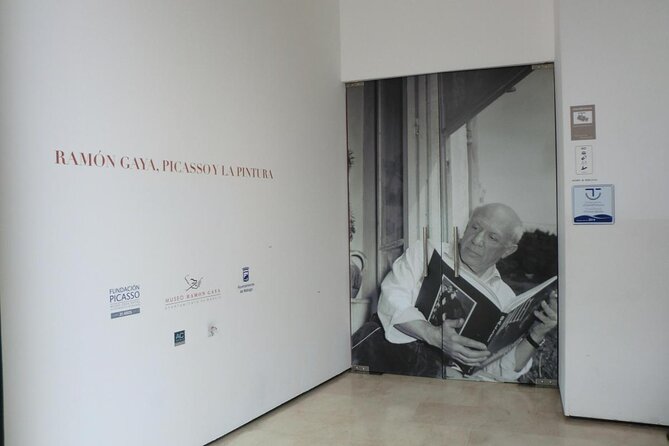
Malaga doesn’t just host Picasso’s legend. It gives you the physical starting point: his birthplace on Plaza de la Merced, at No. 15. Standing in that setting helps the story click, because you’re not just seeing art—you’re seeing context: family life, local ties, and the environment that formed him.
I like that the museum is designed for self-guided wandering. You can pause when something grabs you, then move on before the place starts feeling like a checklist. That pacing matters here, because the museum mixes artifacts, documentation, and early visual material that rewards slow looking.
A nice bonus is the museum’s structure. It includes a dedicated specialist library and a steady program of temporary exhibitions and cultural activities, so even repeat visits (or a second stop in the same square) can feel different.
A few more Malaga tours and experiences worth a look


Tickets, skip-the-line access, and what this one really costs
The price listed is $4.81 per person, which is unusually low for a dedicated museum entry ticket with priority access. When a ticket is this affordable, you don’t want to “maybe do it.” You want to schedule it like a must-do and then let the museum do the convincing.
That skip-the-line priority is the practical part. The museum is popular, and it’s located right where people naturally flow through central Malaga. If you arrive during peak hours, priority access can save you time without forcing you into a rigid tour schedule.
You’re also getting more than a doorway stamp. Your ticket includes:
- Entrance to the Pablo Picasso Birthplace Museum (Casa Natal)
- Skip-the-line priority
- Audio guide included (you can choose the language from the options)
- Access to the temporary exhibition
So the value equation is simple: fast entry + self-guided learning + temporary exhibit access, for a price that barely registers compared with many major-city museum tickets.
Fundacion Picasso: No. 15 Plaza de la Merced, and what you’ll see inside
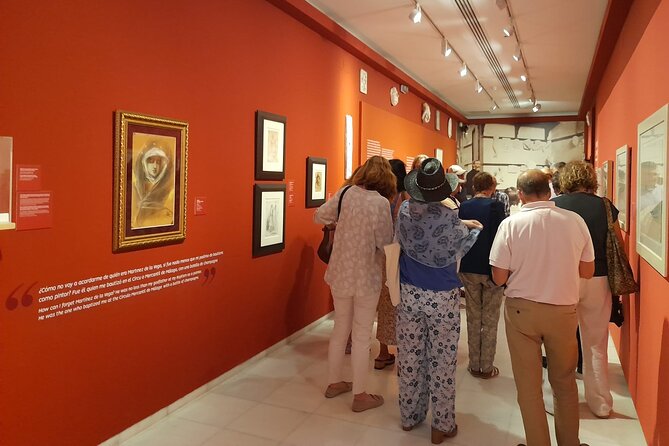
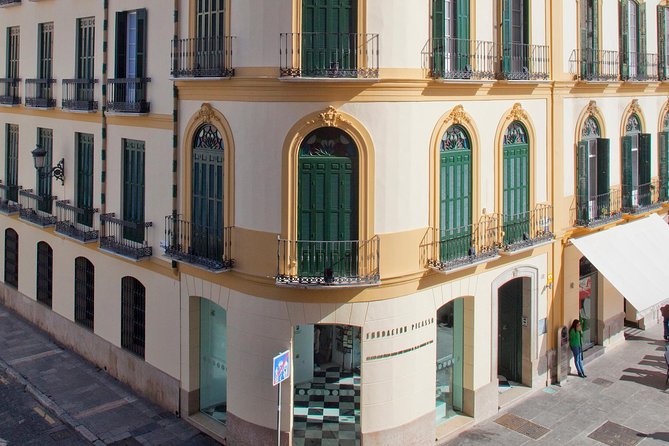
Your main stop is Fundación Picasso – Museo Natal, centered on Picasso’s birthplace at No. 15 Plaza de la Merced. The building is significant beyond being “a house museum.” It has official heritage status and was declared an Artistic-Historical Monument of National Interest in 1983. That helps explain why the museum experience feels careful and intentional rather than casual.
The birthplace setting
In practical terms, you’re walking through rooms that act like a bridge between a family home and an art legacy. Expect a mix of original objects, family souvenirs, and display materials that connect Picasso’s family and social world to Málaga. If you like understanding where an artist came from, this is where you’ll feel the museum earning its space.
The collection and early works
One of the most compelling parts is the scale behind the scenes. The museum has assembled a collection featuring over four thousand pieces by over 200 artists. That’s not just trivia—it matters because it shows Picasso as part of a broader artistic ecosystem, not an isolated genius.
If you’re a detail person, look for the museum’s reference to Picasso’s sketchbooks. The collection includes sketchbooks prepared for Las señoritas de Aviñón (dated 1907) and notes that these are the only sketchbooks of this kind found in a Spanish collection. Even if you don’t know the whole story of that artwork, the museum’s presentation helps you see the early thinking behind a major turning point.
You can also read our reviews of more museum experiences in Malaga
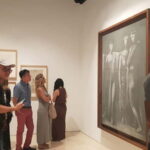
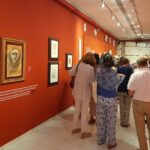
The library and research feel
The museum also includes a specialist library. You might not spend much time reading in a library space compared with the galleries, but the presence of that resource signals the museum’s role: it’s not only for quick photo ops. It’s built to document and interpret Picasso’s ties to Málaga.
One more location in the same square
Since 2005, there’s also another exhibition room at No. 13 in the same square. Your ticket says it includes entrance to all exhibition areas of the Casa Natal. Translation: you’re not just standing in one room; you should expect a route that may shift between sections within the same overall site area.
Timing: how long this visit takes and when to go
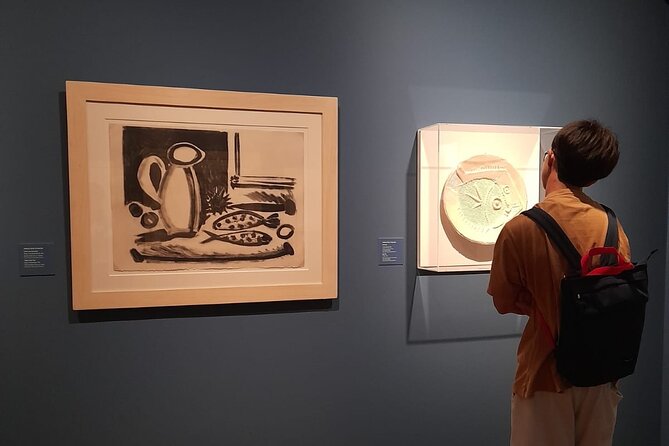
Plan on 1 to 2 hours. In reality, your time depends on how you look. If you read most labels and spend real time on the early sketch-related material and family objects, you’ll land closer to the longer end.
If you’re more of a “get the idea fast” visitor, you might be tempted to power through and finish sooner. But I’d still keep at least an hour on the schedule, because this museum works best when you let the story build room by room.
Opening hours and practical daily planning
The museum is open daily from 09h30 to 20h00, including holidays. It’s closed on 1 January and 25 December, and special hours apply on 24 and 31 December (09h30–15h00).
There’s also a smart value window: free entry every Sunday from 4pm to 8pm. If you’re visiting on a Sunday, you can use that to either save money or justify spending a bit more time elsewhere afterward.
Audio guide strategy: using it without getting stuck
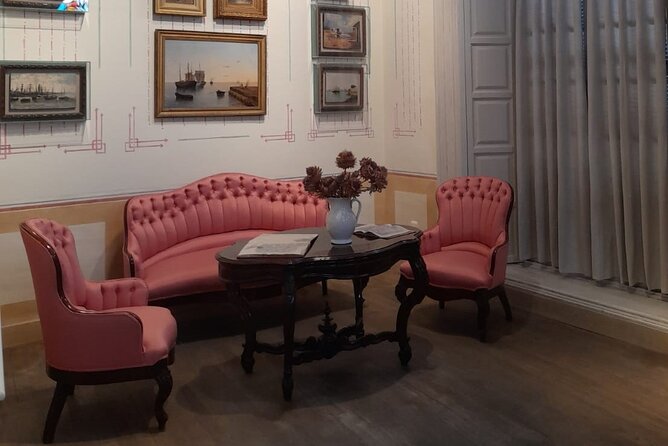
This ticket includes audio guides in Spanish, French, English, Italian, Chinese, and German. That’s a big deal because it means your language choice doesn’t limit your access to key information.
The practical move: don’t treat the audio guide like background noise. Step into a room, take 60–90 seconds to look around, then play the track that matches what you’re seeing. You’ll understand more because the audio is anchored to your eyes.
Some people have mentioned issues with audio during later sections. If something seems off, don’t fight it for too long. It’s usually better to switch to reading labels and then restart the audio for the next section once the layout becomes clearer. This museum is small enough that you can recover quickly without losing the whole visit.
What the audio helps you catch
The museum’s story is partly in the objects and partly in the connections. The audio guide is where you’ll get the “why” behind things like family ties to Málaga and the significance of early materials. If you want Picasso beyond the headline names, the audio is your best tool.
Temporary exhibits in the same ticket: how to think about that extra time
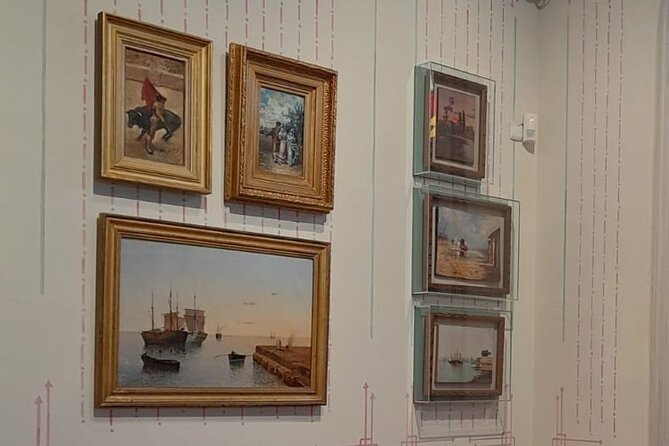
Your ticket includes access to the temporary exhibition as well as the permanent areas. That matters because it turns the visit from a single fixed experience into something you can experience differently depending on the date.
Also, temporary exhibits tend to add information, not just decoration. Expect added context around themes connected to Picasso, Málaga, and related cultural activity. Since you’re already paying for entry, it’s worth planning your route so you don’t miss that rotating room.
If your schedule is tight, my advice is this: don’t rush the birthplace core. If you fall behind, you can keep the temporary exhibit for last and use it as a closing “so what” moment.
Finding the right entrance without losing time
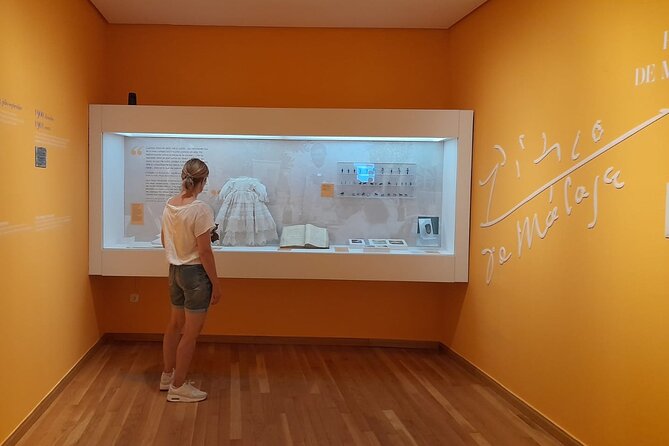
This is a small museum, but it’s easy to lose time if you’re looking for it casually. The biggest practical note: the entrance can be different from the birthplace location door. And the meeting or ticket redemption point can be confusing, especially if you’re navigating in a language barrier or if signage isn’t obvious right when you arrive.
So here’s what you should do:
- Arrive with a little buffer, not at the last second
- Be ready to ask where to redeem or enter
- If you’re given a specific redemption location, confirm it on your phone before walking away
This isn’t about bad planning on your part. It’s just good travel hygiene in a dense older-city square.
Group size and the pace inside
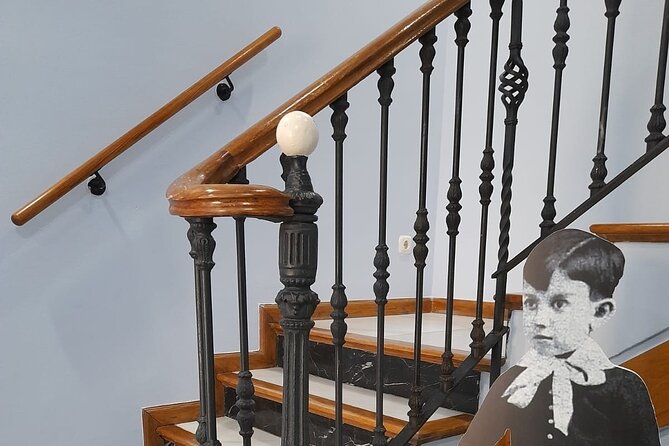
This activity has a maximum of 15 travelers. That’s not huge, and it helps keep the museum experience from feeling like a cattle chute. Even though your visit is self-guided with an audio guide, smaller groups often mean less crowding near the most interesting rooms.
The overall vibe is calm and focused. A lot of the best moments are the slow-looking moments: old photographs, family-related displays, and the sense of the home environment. When crowds are light, you can actually see details instead of scanning for landmarks.
Who should book this and who might want a different plan
This ticket makes sense if you’re any of the following:
- You want a short, high-impact museum stop in central Malaga
- You like context—family, place, and influence—not just famous artwork
- You want an English audio option and prefer self-guided pacing
- You like small museums where reading labels actually matters
It might feel less satisfying if you’re expecting a huge, multi-hour art encyclopedia. Even though there’s a lot of material in the broader collection, the physical visit is usually around 1 to 2 hours, and in some cases shorter.
Also, if you’re in town for a very tight itinerary, you’ll still want to do it early in your day rather than right before dinner. The museum closing time is 20h00, and it can be easy to cut things too close when you’re also walking to other nearby stops.
Should you book this Picasso birthplace ticket?
I’d book it if you want an efficient, meaningful taste of Picasso’s origins with skip-the-line entry and a multi-language audio guide included. The price is low enough that you can treat it as a smart add-on, but the content is strong enough that it shouldn’t feel optional.
Book it especially if you:
- Visit during busier hours
- Want to spend more than a quick glance by using the audio guide
- Like museums where the “place” matters as much as the objects
If you’re trying to choose between a Picasso stop and something else, I’d still tip in favor of this one. It’s one of those experiences where the setting makes the learning stick, and you walk away with a clearer sense of how a famous artist started out—right in this neighborhood, in a real-life home.
FAQ
How long does the Picasso Birthplace Museum visit take?
Plan on about 1 to 2 hours.
Is skip-the-line entry included?
Yes. Your ticket includes skip-the-line priority access.
What does my ticket include?
It includes entrance to the Picasso Birthplace Museum, skip-the-line, an audio guide, and access to the temporary exhibition.
What languages are available on the audio guide?
The audio guide languages listed are Spanish, French, English, Italian, Chinese, and German.
Where is Picasso’s birthplace museum located?
It’s in Malaga, Spain, at No. 15 Plaza de la Merced (Casa Natal). The ticket also references an additional exhibition room at No. 13 in the same square.
Are the opening hours the same every day?
The museum is open daily from 09h30 to 20h00 (including holidays), with special hours on 24 and 31 December (09h30–15h00), and it’s closed on 1 January and 25 December.
Is there free entry at certain times?
Yes. Free entry on Sundays from 4pm to 8pm is listed.
Is the museum easy to reach using public transportation?
Yes. It’s listed as near public transportation.
Do kids need an adult?
Yes. Children must be accompanied by an adult, and youths under 18 can enter for free when accompanied by an adult.
How big is the group for this experience?
This experience has a maximum group size of 15 travelers.