REVIEW · MALAGA
Málaga: Museo del Automóvil y la Moda Ticket
Book on GetYourGuide →Operated by Museo Automovilistico y de la Moda · Bookable on GetYourGuide
Cars and couture in one building. In Malaga’s La Tabacalera, this ticket gets you into a former tobacco factory turned car-and-fashion museum where the displays connect vehicle design to the style of its era. I really like how the museum pairs period cars with designer fashion and matching art, and I also love the museum’s technical side, including alternative-energy vehicles and the Sunday engine-start moment. The main drawback: it’s a bit out of the center, so you’ll want transport sorted before you go.
With a pre-booked entrance ticket, you can explore at your own pace in themed galleries, or add an optional guided tour if you want extra commentary. Either way, you’re set up for a visit that’s about 50 minutes—long enough to get the story, short enough to fit into a day trip without stress.
This is also one of those rare museums that works for more than just car people. If you’re into design, style, or even how technology changes what people build, you’ll probably enjoy the mix. Just know there’s a no-luggage policy for large bags, so pack light.
In This Review
- Key things to know before you go
- La Tabacalera: the old tobacco factory that gives the museum its mood
- Your ticket plan: what the 50 minutes actually feels like
- Car design through the decades: from early models to the Roaring ’20s
- The American dream wall: Cadillacs and horsepower vibes
- English heritage in the details: Rolls Royce and Jaguar
- The future lane: alternative energy vehicles you can still look at today
- Fashion isn’t a side quest here
- The “Running the Engines” Sunday at 12:30
- Practical stuff: where to park, what to bring, and what to leave behind
- Who this visit is best for (and who might want a plan B)
- Price and value: is $14 worth your hour?
- Should you book the Museo del Automóvil y la Moda ticket?
- FAQ
- Where is the Automobile and Fashion Museum in Málaga?
- How much does the ticket cost?
- How long is the visit?
- Is the ticket self-guided, or is there a guided tour?
- If I choose the guided tour, do I still need a museum ticket?
- Is parking available?
- Is there WiFi on site?
- What should I bring with me?
- What is not allowed inside?
- Is there a special event during the week?
- What’s the cancellation policy?
- Can I reserve now and pay later?
Key things to know before you go
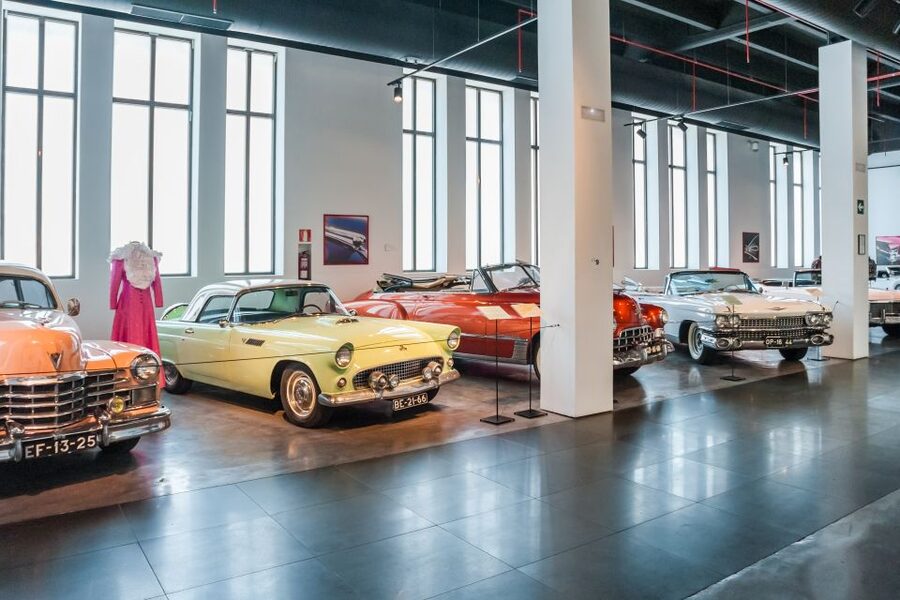
- La Tabacalera setting: the museum lives in a 1923 tobacco factory building, now repurposed into a themed car museum.
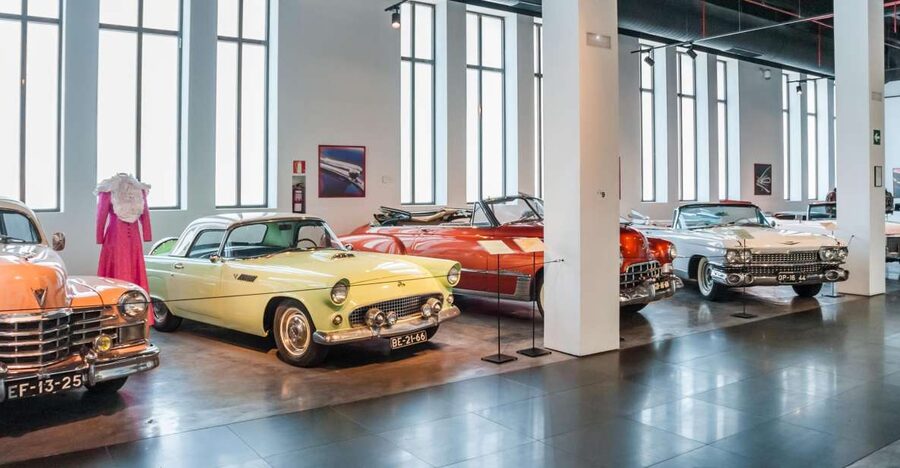
- Car + fashion pairing: many exhibits link vehicles with fashion items and era-appropriate styling cues.
- Design history timeline: you’ll move through past, present, and future vehicle design, including older models and “ahead of their time” concepts.
- Big-brand highlights: expect mighty American models, including a collection of Cadillacs, plus English heritage brands like Rolls Royce and Jaguar.
- Alternative energy displays: you’ll find vehicles designed to run on alternative energy sources.
- Sunday special at 12:30: Running the Engines starts some vehicles so you can listen to the machinery.
La Tabacalera: the old tobacco factory that gives the museum its mood

The museum’s address is Avenida Sor Teresa Prat, 15-29003 Málaga, and the building is a character all its own. It’s the spectacular La Tabacalera complex, built in 1923 as a tobacco factory, then transformed into an imaginative museum space.
That setting matters more than you might think. You get big, industrial-feeling rooms that make classic cars feel dramatic, not dusty. The air inside is also part of the comfort factor, which helps if you’re visiting in warmer months.
A few more Malaga tours and experiences worth a look


Your ticket plan: what the 50 minutes actually feels like
Your entrance ticket is designed for a focused, self-paced visit. You can roam independently through the collections, and the galleries are organized into themed areas so you’re not wandering without context.
If you choose the optional guided tour, you still use the museum ticket as your entry. The guide adds professional commentary, but the collections are the real draw—especially if you like reading the small history cards beside each vehicle.
A 50-minute duration is a smart target for this type of museum. It’s long enough to take in the eras and the design connections, but short enough that you won’t feel trapped when you’re done. Also, it’s a good match for families who want something interesting without turning it into an all-day project.
Car design through the decades: from early models to the Roaring ’20s
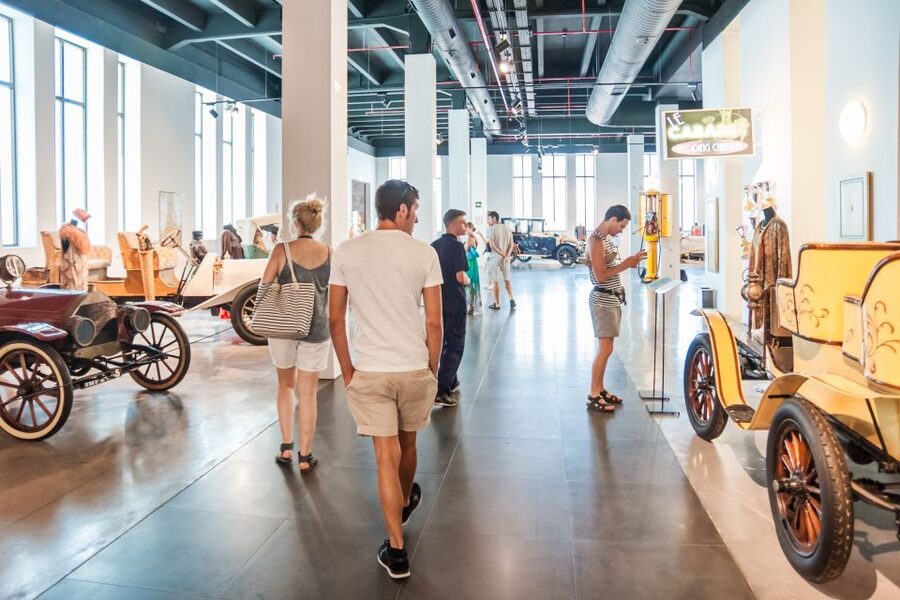
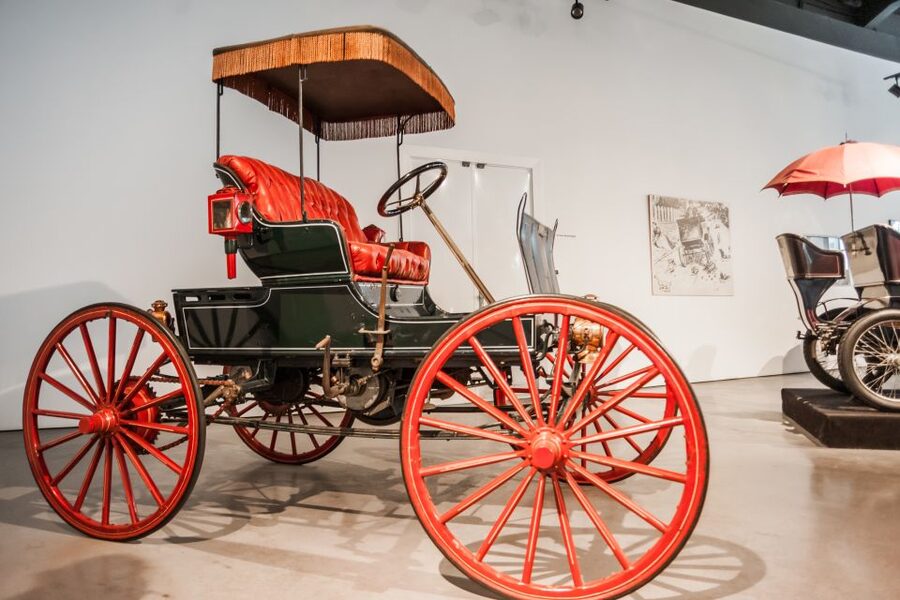
One of the best parts of this museum is how it turns “cars” into a design story. You’ll see vehicles from different periods, including some older late 19th-century models, then travel forward through styles that reflect technology, taste, and branding.
You’ll likely notice the museum’s approach: it doesn’t just show metal. It highlights design choices—shape, presence, and how the car matched the personality of the era. As you move through the galleries, you get a sense of how vehicle styling evolved from novelty toward mainstream aspiration.
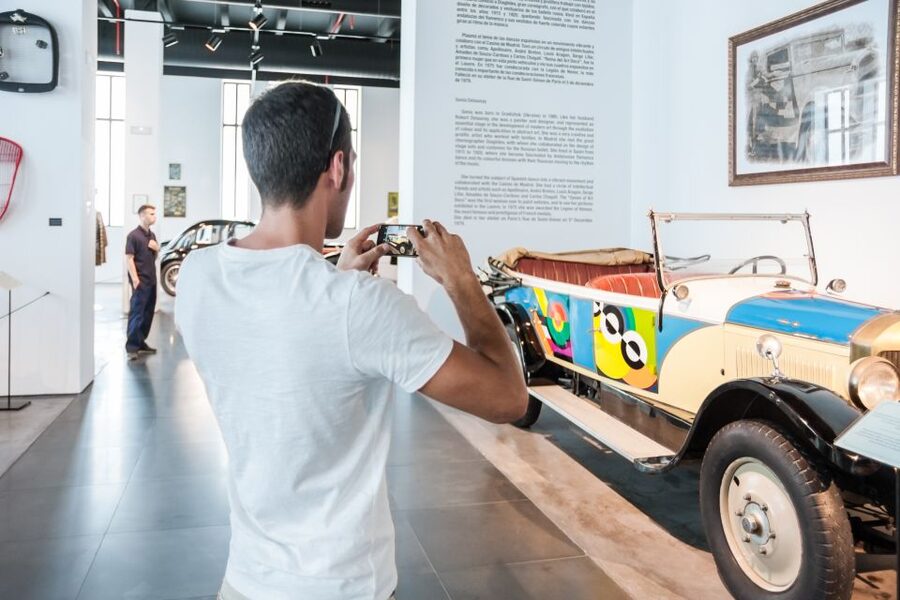
The Roaring ’20s section is a great example of that vibe. The museum leans into that glamorous, “something new is happening” feel, with car displays that look made for a photo shoot. If you like visual history, this is where the museum can feel most fun.
The American dream wall: Cadillacs and horsepower vibes
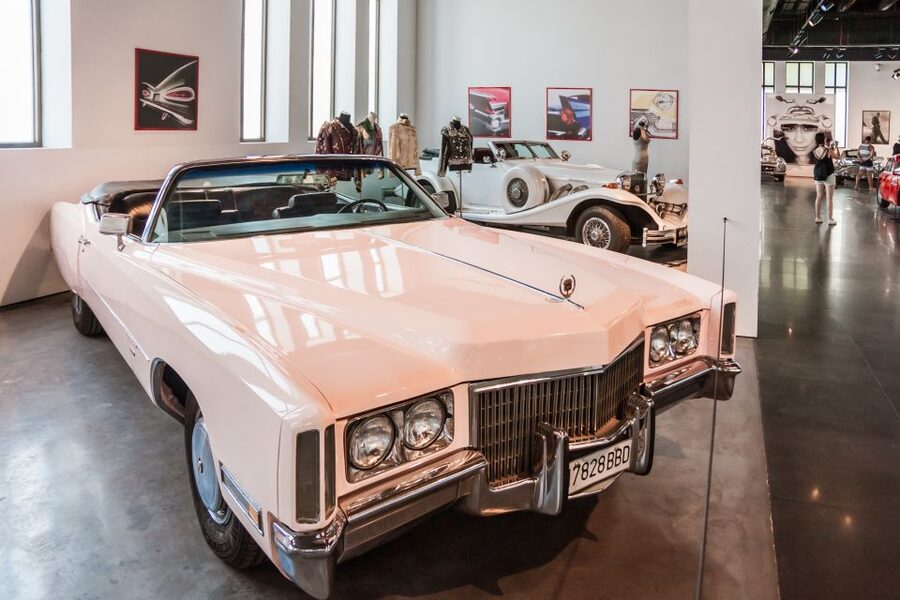
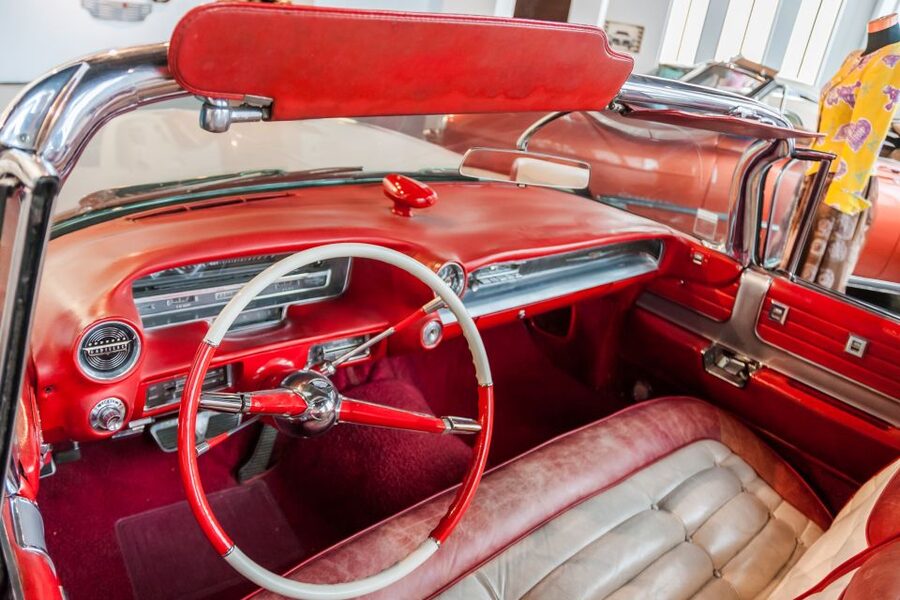
If you’re drawn to mid-century American car culture, you’ll probably spend extra time here. The collection includes a notable Cadillacs display, and the overall American models are presented with a sense of scale and confidence.
These cars come across as dream machines—big silhouettes, bold styling, and the kind of engineering confidence people associate with the era. Even if you’re not a car fanatic, this section helps you understand why brands became symbols, not just transportation.
English heritage in the details: Rolls Royce and Jaguar
On the other side of the timeline and the vibe, the museum includes classic English heritage brands such as Rolls Royce and Jaguar. This works especially well after you’ve seen the louder American styling, because you can compare philosophies in a glance.
Where American designs often feel about size and show, English luxury usually reads as refinement and balance. The museum’s presentation supports that contrast, and it gives you a clearer idea of why car enthusiasts love design language, not just specs.



The future lane: alternative energy vehicles you can still look at today
A standout theme is how the museum addresses “what’s next” in transportation. You’ll find automobiles designed to run on alternative energy sources, which adds a modern layer to a museum that otherwise lives in the classics.
For me, that matters because it reframes a car museum. Instead of treating old vehicles as finished history, it connects them to engineering challenges the world is still dealing with. If you’re the type who likes seeing how themes repeat—design trends, public imagination, and technical limits—you’ll get more out of this collection than just eye candy.
Fashion isn’t a side quest here
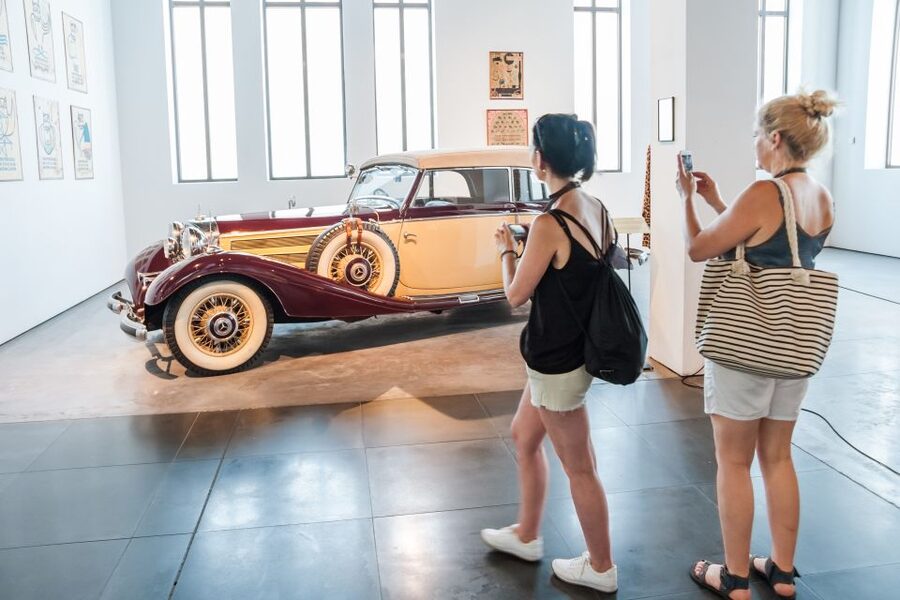
This museum is unusual because fashion isn’t tacked on as a decoration. Instead, the exhibits often link vehicles to fashion styling from matching periods.
You may see period clothing presented alongside the cars, including a strong focus on what designer looks meant for the identity of an era. There’s also a virtual experience linked to designer fashion, including a virtual try-on room where people can interact with looks from the relevant styles.
That combination can surprise you in a good way. It turns a car collection into something closer to a design museum. And if you’re traveling with someone who’s less interested in cars, the fashion and art elements give them a second route into the story.
The “Running the Engines” Sunday at 12:30
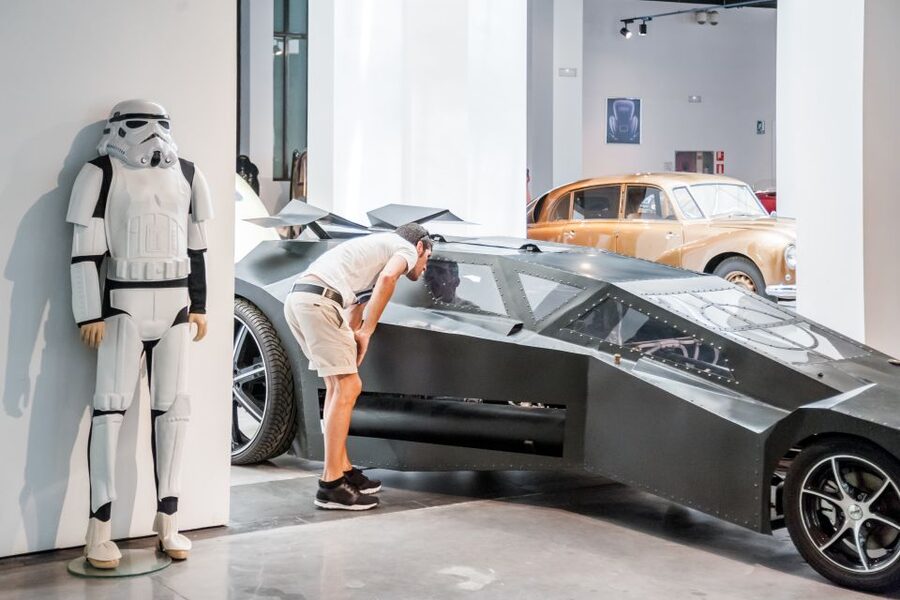
If your schedule lines up, try to aim for Sunday at 12:30. The museum offers Running the Engines, an activity where some vehicles in the collection are started.
This is the moment where the museum stops being only visual. You get to listen to the machinery, which helps you appreciate the difference between eras. It’s also one of the easiest ways to make the visit more memorable for kids and teens, because sound is instant and universal.
If you want this experience, build the day around it. You don’t want to arrive rushed, because you’ll lose the chance to enjoy the energy of the event.
Practical stuff: where to park, what to bring, and what to leave behind
Getting there is mostly about convenience. The museum includes free parking, which helps a lot if you’re arriving by car or taxi. If you’re planning to walk from central Málaga, you’ll likely find it a long trek, so I’d treat driving or a direct ride as the easiest choice.
Inside, there’s free WiFi in a dedicated area. It’s helpful for quick checks—tickets, opening hours, or mapping your next stop—without needing to disappear.
What to bring is straightforward: bring passport or ID, and if you qualify, bring student and disability cards as well. The museum also has information about rest areas and adapted facilities for seniors and disabled visitors.
What you can’t bring: luggage or large bags. So keep your daypack manageable and save heavy shopping trips for later.
Who this visit is best for (and who might want a plan B)
This is one of those museums that usually satisfies both halves of a mixed group.
You’ll be especially happy here if:
- You like design—cars, fashion, graphics, and how style signals an era.
- You want something that includes storytelling, not just static objects.
- You’re traveling with someone who isn’t a car person but still likes aesthetic history.
It’s also a great family choice. The museum layout and the pairing of cars with fashion elements give different interests a chance to “land.” And on Sundays, Running the Engines adds a built-in moment of excitement.
A possible mismatch: if you’re expecting a deep, technical automotive workshop, you may find it more art-and-design focused. The cars are presented with history and visual context, which is a different strength.
Price and value: is $14 worth your hour?
At $14 per person, this ticket prices the experience like a quality attraction rather than a budget gamble. For that money, you’re getting admission to a themed museum with multiple collections, free parking, and an optional guided tour if you want the extra commentary.
The value gets better when you consider the “two-in-one” factor. You’re not paying for a pure car museum. You’re paying for a car-and-fashion design presentation, plus special touches like alternative-energy vehicles and Sunday engine starts.
And because the visit is about 50 minutes, you’re buying a tight slice of entertainment that fits into a day. For many people, that means better value than an experience that turns into an all-afternoon commitment.
Should you book the Museo del Automóvil y la Moda ticket?
Yes, book it if you like museums that connect objects to culture. This one is especially worth it if you want cars shown as design history, with fashion and art making the eras feel more human.
I’d also book it if you can visit on a Sunday and catch Running the Engines at 12:30. That sound-and-motion element is the kind of difference you’ll actually remember later.
Skip it only if you want a purely technical car experience with lots of hands-on engineering detail. Also keep the distance in mind. Plan transport so you’re not turning “car museum” into “logistics headache.”
FAQ
Where is the Automobile and Fashion Museum in Málaga?
It’s located in the La Tabacalera building in Málaga. The meeting point listed is Avenida Sor Teresa Prat, 15-29003 Málaga (Spain).
How much does the ticket cost?
The price is $14 per person.
How long is the visit?
The duration is about 50 minutes. You’ll want to check available starting times when you reserve.
Is the ticket self-guided, or is there a guided tour?
With your ticket you can explore the museum on your own. There is also an optional guided tour available if you select it.
If I choose the guided tour, do I still need a museum ticket?
Yes. If you choose the guided tour, you also need to buy your ticket to the museum.
Is parking available?
Yes. Free parking is included.
Is there WiFi on site?
Yes, there is a free WiFi area on site.
What should I bring with me?
Bring a passport or ID card. If applicable, you should also bring a student card or disability card.
What is not allowed inside?
Large bags or luggage are not allowed, and smoking indoors isn’t allowed. Swimwear is also listed as not permitted.
Is there a special event during the week?
Yes. Every Sunday at 12:30 there’s an activity called Running the Engines, when some vehicles are started so you can listen to them.
What’s the cancellation policy?
You can cancel up to 24 hours in advance for a full refund.
Can I reserve now and pay later?
Yes. The option is available to reserve your spot and pay nothing today.