REVIEW · HO CHI MINH CITY
City Tour By Motorbike w/ War Museum & Reunification Palace
Book on GetYourGuide →Operated by Saigon Adventure Travel · Bookable on GetYourGuide
Saigon has a way of compressing big history fast. This half-day motorbike tour is a practical way to see the city’s most important sites without spending your whole day stuck in traffic. You’ll connect the French-colonial architecture to the Vietnam War story—while you’re moving, not just standing in lines.
I especially like the stop choices that explain cause and effect, not just names. The War Remnants Museum and Reunification Palace give context you can actually connect to what you see around Saigon today. And I also like the vibe: many guides (like Brandon, Tris, Tony, and Nhi) share the history in a way that feels personal.
One consideration: it’s a scooter tour, so you need comfortable clothes and a calm attitude for busy streets. Also, you’ll need to follow the dress rules for temples and pagodas (covered knees and shoulders, no shorts or sleeveless shirts).
In This Review
- Key highlights worth your attention
- Saigon war sites, seen on a scooter (and why that matters)
- Notre-Dame Cathedral and the Central Post Office: French details you can actually spot
- Reunification Palace and the War Remnants Museum: the story center of gravity
- City Hall, the Opera House, and Nguyen Hue: French lines meet everyday Saigon
- Jade Emperor Pagoda: a culture stop with real dress rules
- Ben Thanh Market and the market rhythm you can feel in 4 hours
- Scooter ride basics: safety, timing, and how you’ll feel at the end
- Price and value: what $28 gets you, and how to judge it
- Who should book this Saigon motorbike war tour
- Should you book? My honest recommendation
- FAQ
- How long is the City Tour By Motorbike?
- How much does the tour cost?
- What’s included in the price?
- Where do you pick up, and what if I’m outside District 1 or 3?
- Is there a dress code for temples and pagodas?
- Can I cancel or pay later?
Key highlights worth your attention
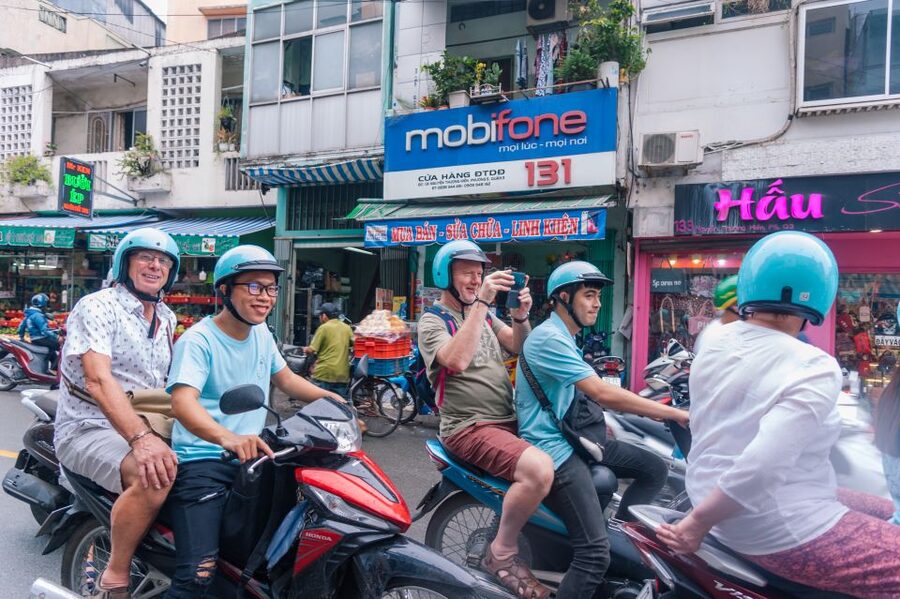
- War Remnants Museum + Reunification Palace: the emotional core of Saigon’s modern story, visited in a logical order
- French colonial architecture hits: Notre-Dame Cathedral, Central Post Office, City Hall, and the Opera House area
- Motorbike format: a quick way to cover a lot of ground in just 4 hours
- Ben Thanh Market: one of Saigon’s oldest markets, tucked right into the route
- Temple stop with clear rules: Jade Emperor Pagoda requires covered knees and shoulders
- English-speaking guides on scooter: guides like Johnny, Kevin, Bean, Kent, Katherine, Long, and Zayne focus on real explanations and safe driving
Saigon war sites, seen on a scooter (and why that matters)

If you’re short on time, a walking-only plan can feel like you’re doing a chore. This tour uses a scooter with a local driver so you can spend your energy on the places that count. The payoff is timing: in about 4 hours, you get a strong loop through Saigon’s most meaningful landmarks.
The other win is perspective. The route is built around major war-related sites and major French-era buildings, so you can compare two eras side by side. You’ll hear Vietnam War context through a local’s explanations, and it helps you read the city instead of just looking at it.
The mood is serious at the war stops, but the ride itself stays lively. In multiple reviews, guides and drivers were praised for being careful and for making the experience feel safe (even when traffic is intense). That balance—serious content, comfortable transport—is exactly why this format works.
You can also read our reviews of more city tours in Ho Chi Minh City

Notre-Dame Cathedral and the Central Post Office: French details you can actually spot
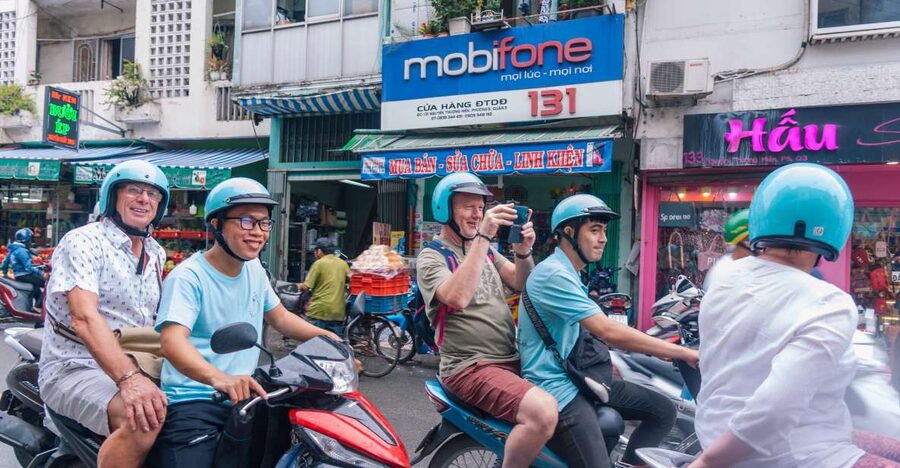
You start with some of Saigon’s best-known French-era landmarks, and the method is simple: look closely while someone explains what you’re seeing.
At Saigon Notre-Dame Basilica (constructed by French colonists between 1863 and 1880), the point isn’t just the building’s scale. It’s that you can connect the cathedral to the period when French colonial power left physical fingerprints across the city. If you pause long enough, you can spot how the design signals a European presence—right in the middle of modern Vietnam.
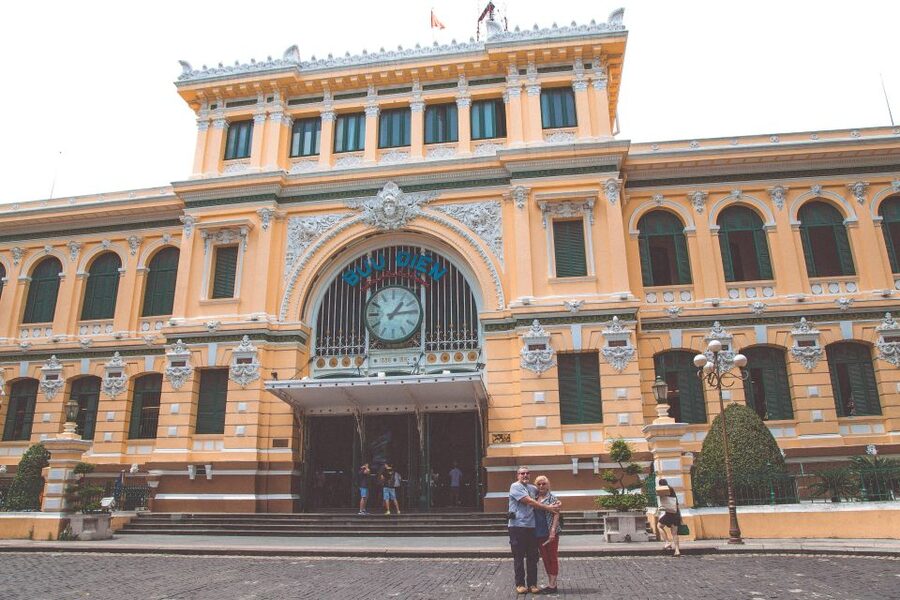
Next comes Saigon Central Post Office, built from 1886 to 1891. This is one of those places where details matter: Gothic, Renaissance, and French colonial design elements are mentioned as part of its character. You don’t have to be an architecture expert to enjoy it. You just need a few minutes to look up and around, and your guide can point out what’s worth noticing.
One practical tip: bring comfortable shoes for the short walks between photo spots. Even though you’re on a scooter, you’ll still do enough standing that your feet matter. If you’re planning to layer for weather, do it smart—cooler evenings can make you glad you brought something light.
Reunification Palace and the War Remnants Museum: the story center of gravity
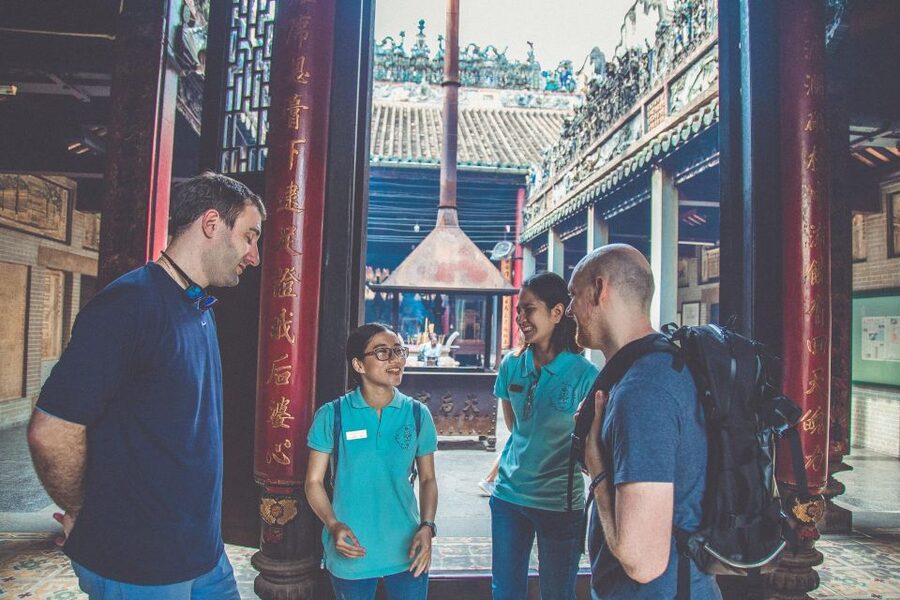
This is where the tour earns its name. Reunification Palace was the residence of the President of the Republic of Vietnam until April 30, 1975. That date isn’t just a fact; it becomes the lens for understanding why the building is so important. You’ll see the place as an artifact of decision-making at the end of a long conflict.
Then you head to the War Remnants Museum, which focuses on the second Indochina war. The museum is described in terms of artifacts, photographs, and pictures documenting the conflict. Expect something more direct than a textbook summary. This stop tends to hit hardest because it connects images to place.
The best way to get value here is to ask questions while you’re inside. A lot of guides on this route are praised for answering with enthusiasm and clarity, and you’ll get better explanations if you speak up. Guides mentioned in reviews—like Johnny, Tris, Bean, and Zayne—were singled out for strong English and for making time for questions.
A small caution: this portion can be emotionally heavy. If you’re sensitive to war imagery, pace yourself. Don’t force “everything in one go.” Take breaks when you need them, then come back with calmer focus.
City Hall, the Opera House, and Nguyen Hue: French lines meet everyday Saigon
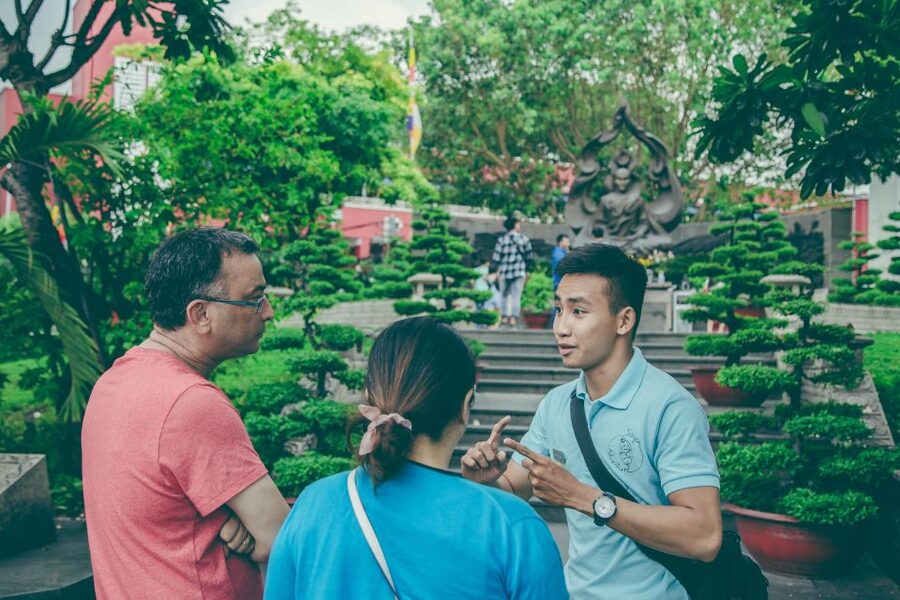
After the heavy stops, the tour shifts gear into the part of Saigon people love to photograph: French-influenced civic buildings and city-center streets.
You’ll pass or visit Ho Chi Minh City People’s Committee (often referred to as City Hall) and the Opera House area. These are not random photo stops. They’re part of the city’s layered identity, where colonial design and local governance share the same urban space. Your guide’s commentary helps you see those buildings as historical signals, not just pretty facades.
Then you’ll get time around Nguyen Hue Walking Street, which is a central, people-oriented area. Think of it as a place to reset your brain after the museum experience. You’ll also feel the everyday energy of the city in a way that’s hard to get from museum-only travel.
If you want photos that actually look like Saigon (not just monuments), this is a good moment to look for scenes with movement: scooters, street life, and the buildings framing the street. Just be respectful and keep your head up on the scooter transitions—busy intersections are part of daily life here.
Jade Emperor Pagoda: a culture stop with real dress rules
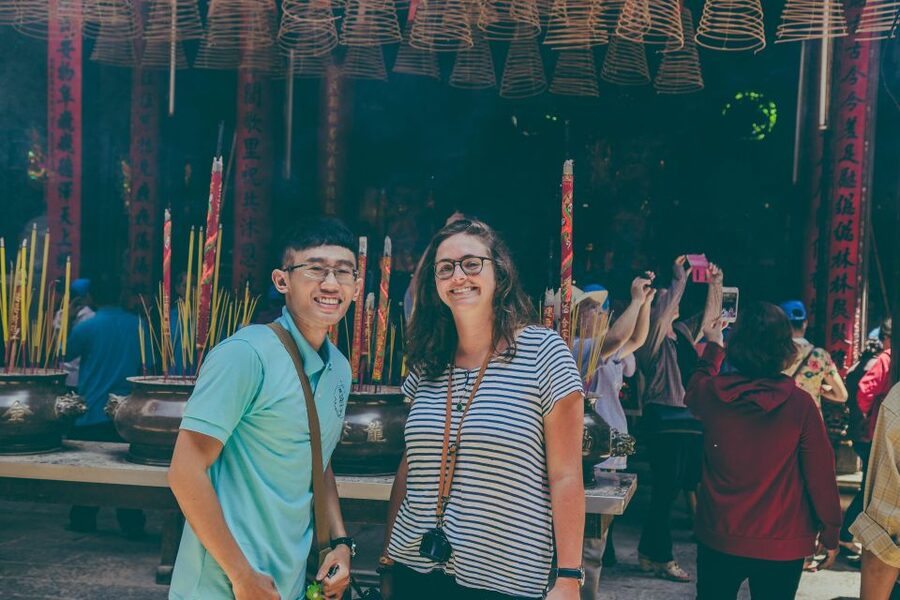
The Jade Emperor Pagoda fits the tour’s theme of Vietnam’s different spiritual layers, but it comes with one key requirement: you must cover knees and shoulders to enter temples and pagodas. The tour also notes that shorts, short skirts, and sleeveless shirts are not allowed.
This is easy to fix ahead of time, and it’s worth treating it as a serious rule rather than a suggestion. Bring long pants or sleeves, or plan to wear a shirt that covers you properly from the start. It’s one of those “small” issues that can ruin a good morning if you show up unprepared.
Once you’re in the right outfit, you can enjoy the stop for what it is: a moment where the city’s spiritual identity shows up in a very tangible way. And since this tour uses multiple eras, the contrast between a war museum and a pagoda feels meaningful. You end up thinking about Vietnam not as one story, but as several threads that coexist.
You can also read our reviews of more museum experiences in Ho Chi Minh City




Ben Thanh Market and the market rhythm you can feel in 4 hours
Ben Thanh Market is on the route for a reason. It’s one of Saigon’s oldest markets, with roots described as dating back to before the French invaded Saigon. The market appeared at the beginning of the 17th century, serving small traders near Ben Nghe River’s bank by a harbor near Gia Dinh Citadel.
Even if you only have a short time, you can understand why markets matter. They’re not just shopping; they’re a practical system for everyday life. This is also where your guide’s local perspective helps. You might get pointers on what’s worth a quick look and what to skip if you’re in a hurry.
If you want a snack, the tour includes kumquat juice, which is a nice mid-route break. It’s not a full meal replacement, but it helps you stay comfortable while you move between stops.
One practical note: markets are where you’ll be tempted to buy things fast. Set a simple rule for yourself—if you’re not ready to decide, don’t rush. Save your more serious shopping for another day when you can compare.
Scooter ride basics: safety, timing, and how you’ll feel at the end
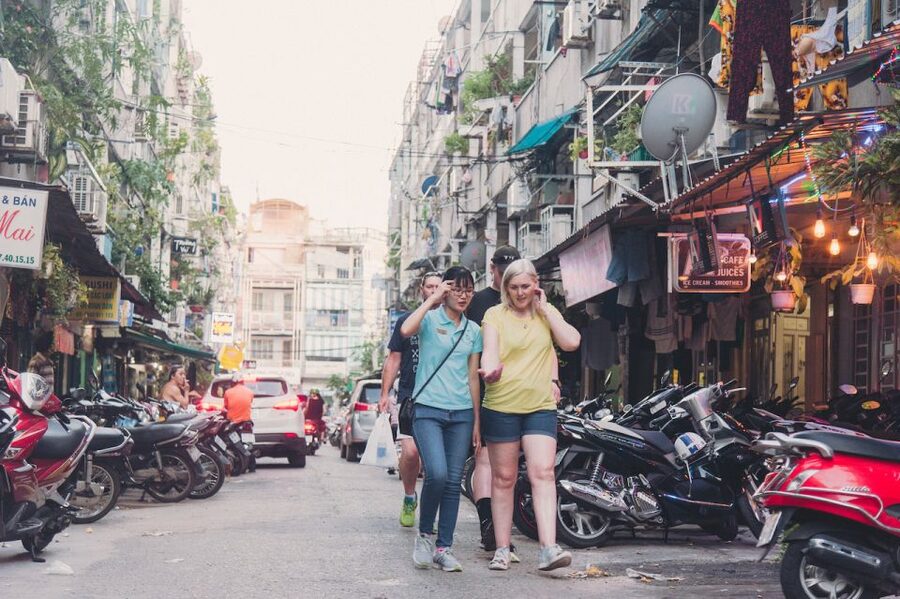
A scooter tour can sound intimidating. The good news: many reviews specifically praised drivers for careful, safe driving, and you’ll also have an English-speaking guide alongside the scooter setup. People often highlight that it feels fun, quick, and manageable even in heavy traffic.
What the 4-hour structure does well is pacing. You’ll get enough time at each major stop to absorb the idea, but not so much that you lose focus. That pacing matters with war sites, where you want time to read and look, but not so long that you burn out.
Also, the tour can feel flexible if traffic is lighter. One review mentioned that the guide used extra time to add more places beyond the included ones. Don’t count on extra stops every day, but it’s a sign the guides know how to manage the day on the ground.
For comfort, wear clothes you can move in and shoes you can walk in. The tour advises comfortable shoes and clothes, and that’s solid advice for real life. Then add one more thing: keep your hands free for photos. In busy areas, you’ll appreciate having one less thing to juggle.
Price and value: what $28 gets you, and how to judge it

At $28 per person for a 4-hour tour, you’re paying for more than transportation. You’re paying for a route that bundles major sights—entrance fees included for War Museum and Reunification Palace—plus a scooter with driver and an English-speaking guide.
Here’s the simple value test: if you tried to assemble this yourself, you’d spend time coordinating transport and tickets, and you might miss the connections that make the sites land. The tour also includes kumquat juice, which is a small cost saver and a nice break mid-ride.
If you care most about the war and French-era landmarks, the value is strong. The route hits major names without making you choose between “history” and “architecture” for a full day. If you’re the type who loves learning while you travel—especially through local explanations—this setup is a good match.
Who should book this Saigon motorbike war tour

This is a good fit if you:
- Have limited time and want a high-impact loop through central Saigon
- Want Vietnam War context explained by a local guide, not just signage
- Enjoy a scooter ride and feel comfortable moving through busy streets
Consider skipping or switching to a calmer pace if:
- You don’t like museum-heavy mornings and potentially intense imagery
- You’d rather avoid scooter riding, even if drivers are careful
- Your schedule or clothing needs make the temple dress rules hard to meet
You can also choose a private tour option if you want more control over pace and questions. That’s ideal for couples, small groups, or anyone who prefers a quieter experience.
Should you book? My honest recommendation
I’d book this tour if you want Saigon’s biggest ideas in one half-day: French colonial landmarks on the outside, and the Vietnam War story at the center. The scooter format makes the route workable, and the guide-led explanations are what turn “a list of sites” into something you understand.
Do it especially if you like asking questions and you want a driver-guide team that people praise for safety and clarity. Just plan your outfit for temple entry, wear comfortable shoes, and accept that the war stops are the emotional heart of the morning.
If that sounds like your kind of travel—then yes, this is a smart way to spend your time in Ho Chi Minh City.
FAQ
How long is the City Tour By Motorbike?
The tour lasts 4 hours.
How much does the tour cost?
It costs $28 per person.
What’s included in the price?
Included are an English-speaking tour guide, a scooter with driver, entrance fees (for the War Museum and Reunification Palace), and kumquat juice.
Where do you pick up, and what if I’m outside District 1 or 3?
Pickup is optional, but it’s limited to District 1 and District 3. If you’re not in those districts, there’s an extra charge, or you can come to the meeting point at Cyclo Resto, 133 Nguyễn Du, Phường Bến Thành, Quận 1.
Is there a dress code for temples and pagodas?
Yes. You must cover your knees and shoulders to enter temples and pagodas. Shorts, short skirts, and sleeveless shirts are not allowed.
Can I cancel or pay later?
Free cancellation is available up to 24 hours in advance for a full refund. You can also reserve now and pay later.