REVIEW · PARIS
Paris: Musée d’Orsay Ticket and Guided Tour
Book on GetYourGuide →Operated by Walks France-Spain · Bookable on GetYourGuide
Orsay is the shortcut to art that hits fast. This skip-the-line Musée d’Orsay experience gets you into the Main Hall quickly and then walks you through the paintings that defined late-19th-century vision.
I especially like how the tour pairs the museum’s jaw-dropping setting with Impressionist highlights like Van Gogh, Monet, Cézanne, Manet, and Gauguin. I also like that the guide’s approach can turn a chaotic museum visit into clear, memorable takeaways (people rave about guides such as Ahmed, Hugo, Ari, Adam, and Simon for making the connections land).
One consideration: the museum is still busy, and the experience is a walking tour at a moderate pace—so it is not a fit if you need wheelchair access, strollers, or you can’t handle crowds and walking.
In This Review
- Key highlights worth planning for
- Why a Musée d’Orsay guided tour beats a solo wander
- Meeting at Rue de la Légion d’Honneur (and what to do when you arrive)
- The big entrance moment: Main Hall and the station story
- A 2-hour route that focuses on Impressionist powerhouses
- Van Gogh to Monet to Cézanne: how context changes what you see
- What it’s like with a guide: stories, pacing, and close looking
- Crowds, comfort, and smart expectations inside Orsay
- Price and value: what $73 gets you (and why it can be worth it)
- Who should book this Musée d’Orsay Impressionist tour
- Practicalities to keep your day smooth
- Should you book it?
- FAQ
- How long is the Musée d’Orsay guided tour?
- What does the ticket include?
- Where do I meet the guide?
- What time should I arrive?
- Is the tour in English?
- Does the tour include hotel pickup or drop-off?
- What should I bring?
- Are strollers or large bags allowed?
- Is the tour suitable for wheelchair users?
- What happens if the museum closes due to strikes?
Key highlights worth planning for
- Skip-the-line entry so you spend more time with paintings and less time waiting
- A focused 2-hour route that avoids the Orsay overload problem
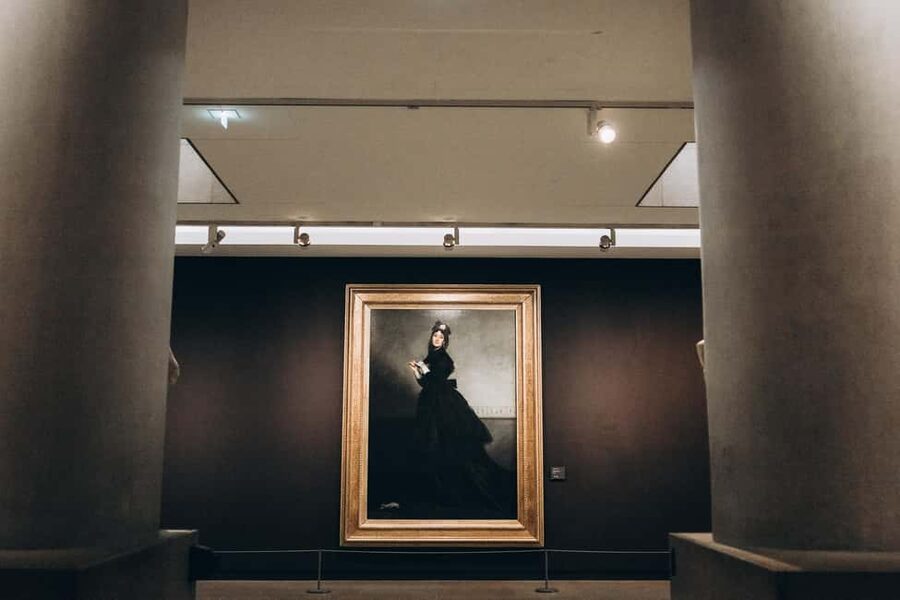
- Art-reading help: you learn what to notice and how context changes what you see
- Main Hall first: the former train-station shell makes a strong opening
- Impressionist big names covered with context, not just names
Why a Musée d’Orsay guided tour beats a solo wander
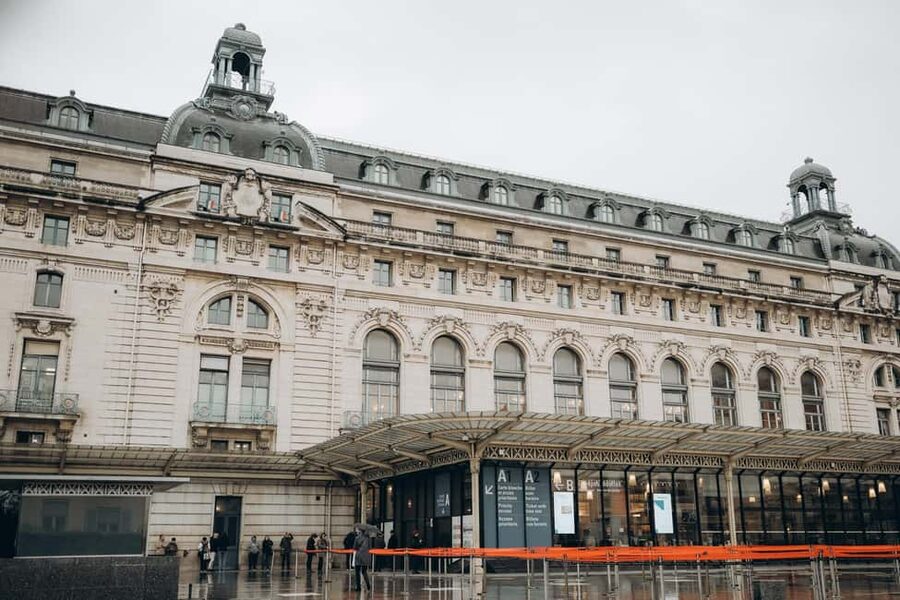
Musée d’Orsay can feel like a firehose. The collection is huge, the rooms are dense, and Impressionism is more varied than most people expect. A guided format matters because it helps you choose what to look at right now and what to save for later.
I like that this tour is built around the museum’s strongest story arc: how late-19th-century artists broke from older styles and started treating light, color, and modern life as the main subject. In other words, you’re not just collecting famous paintings—you’re learning the “why” behind the brushwork. And because you get skip-the-line tickets, you also avoid wasting part of your short Paris time staring at a queue.
You’ll also get a guide’s selection strategy. That’s the secret sauce: they point you toward the works that best explain each artistic shift, so the visit feels curated by someone who knows how to connect dots in plain language.
A few more Paris tours and experiences worth a look



Meeting at Rue de la Légion d’Honneur (and what to do when you arrive)
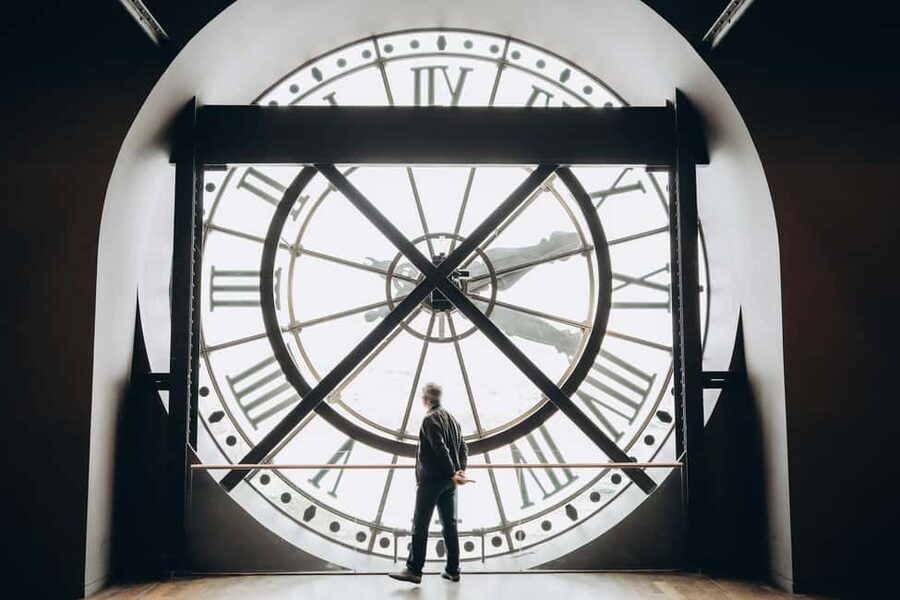
The tour starts at 1 Rue de la Légion d’Honneur, outside the museum. The meeting instructions are specific: arrive about 15 minutes early, and look for your guide holding a green Walks sign. Meet by the rhinoceros statue to the left of the entrance when you face the museum.
This matters more than people think. Orsay sits along the Seine and the area can be busy, so giving yourself buffer time keeps your tour start calm instead of stressful. Also, because the tour is limited to about 2 hours, being late can throw off the flow.
A helpful practical note: wear comfortable shoes. You’re moving through the museum at a moderate pace, and a smooth start helps you settle into the art rather than rush between rooms.
The big entrance moment: Main Hall and the station story
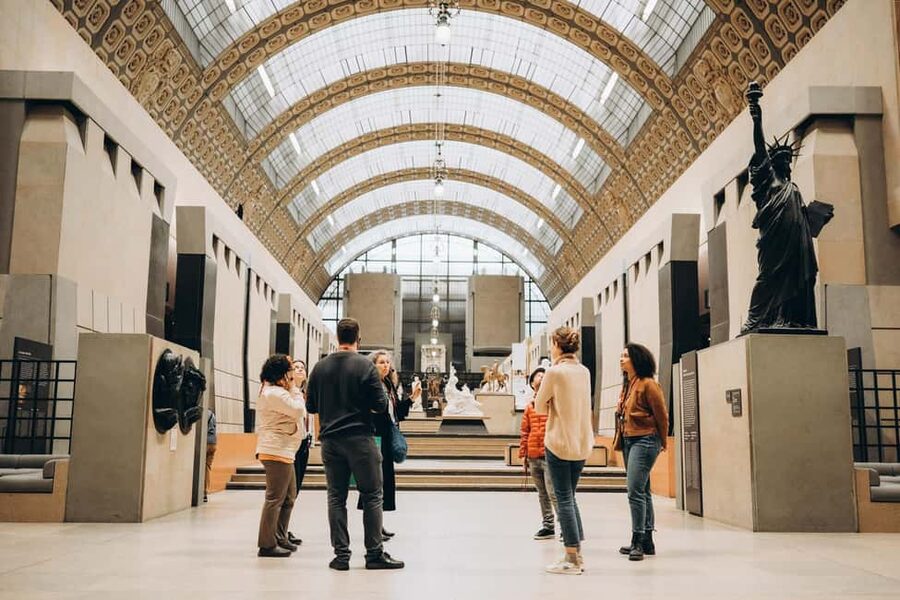
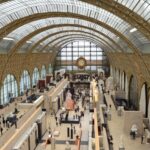
Your tour begins outside, then you skip the lines via a separate entrance. The reward is immediate: you step into Orsay’s Main Hall, famous for its Beaux-Arts architecture and soaring ceiling vaults.
This is more than a pretty background. Orsay’s building is a former train station, and that change of purpose is part of what makes the collection feel dramatic. You get an origin story fast, and it helps you understand why the museum’s interior feels like a theater for art—wide, bright, and designed to hold crowds.
If you’re the type who likes to understand how places shape what you experience, this start is a win. You see the “wow” structure first, then the guide turns your attention from architecture to paintings and shows you how Orsay became the place where Impressionism made sense for the world.
A 2-hour route that focuses on Impressionist powerhouses

You’ll spend about 2 hours inside the museum with your English-speaking guide, moving through a highlighted selection rather than trying to see everything. That’s a big deal at Orsay, because even dedicated art fans can end up walking past masterpieces without really processing them.
The tour includes close encounters with major late-19th-century artists and works commonly featured in an Impressionism-focused route, including:
- Van Gogh, such as Self-Portrait and Starry Night Over the Rhône
- Manet, including Olympia and Luncheon on the Grass
- Monet, including scenes like Houses of Parliament
- Gauguin, such as Tahitian Women on the Beach
- Plus other key works from the era’s broader cast
You’ll notice a pattern in how this kind of route works: the guide doesn’t treat Impressionism as one style. Instead, they help you see it as a movement shaped by modern life, changing politics and culture, and artists experimenting with light and perception. That’s why the lineup matters. Van Gogh, Monet, Manet, and Gauguin are all central, but they also represent different directions the same era took.
Van Gogh to Monet to Cézanne: how context changes what you see

The best part of this kind of tour is not that you hear facts. It’s that you learn how to look.
Guides in this format often steer the discussion toward questions like:
- What is the painting trying to show—emotion, reality, or a new way of seeing?
- How do brushstrokes and color choices carry meaning?
- What social or historical moment shaped what the artist made?
In the reviews, I saw a repeated theme: strong guides use specific paintings to teach how art movements connect. For example, Adam’s narration was praised for explaining how to read a painting and tying themes from one work to the next. Simon’s approach was also described as setting the stage for how people’s opinions about painting shifted across the century.
And that’s where the museum stops feeling like a checklist. You start picking up the language of art—how to track composition, color, subject choice, and mood—without needing an art degree.
You can also read our reviews of more guided tours in Paris



What it’s like with a guide: stories, pacing, and close looking

The Musée d’Orsay tour format here is designed around attention, not speed. You’ll get guided stops, time to look closely, and explanations that aim to keep you oriented in a huge building.
Many reviewers singled out how engaging and funny guides can be while still staying focused. Names that came up often include Hugo, Ahmed, Ari/Arvi, Karolina, Laurence, Carolina, and Belen—with praise for lively storytelling and clear connections between the artworks and the larger art scene in France and Europe.
That quality matters for your experience. In a museum, it’s easy to drift into passive looking. With an expert guide, you learn what to watch for next, so the paintings start speaking back. You also get help managing the crowd problem: when to step in, when to step back, and how to keep seeing the work even when the room is packed.
One small caution from the reviews: audio equipment like headsets can sometimes be a bit staticky. If that happens, stand where the guide’s audio is clearest and don’t be shy about asking for a quick fix if your volume feels off.
Crowds, comfort, and smart expectations inside Orsay

Even with skip-the-line tickets, Orsay can be crowded. That’s normal—this museum is a top destination for a reason. The trick is to expect density in the popular rooms and to rely on the guide’s route choices rather than trying to dodge everything on your own.
Your best self-defense tools are simple:
- Wear comfortable shoes
- Keep your bag situation light (more on that below)
- Be ready for moderate walking at a steady pace
Also note what is not allowed: baby strollers and luggage or large bags are not permitted. So plan for a clean, easy visit—think daypack only, and keep your belongings manageable.
If you’re sensitive to noise, pair your expectations with the fact that large rooms + headsets can create odd sound moments. It’s rarely fatal, but it’s good to know so you can stay flexible.
Price and value: what $73 gets you (and why it can be worth it)
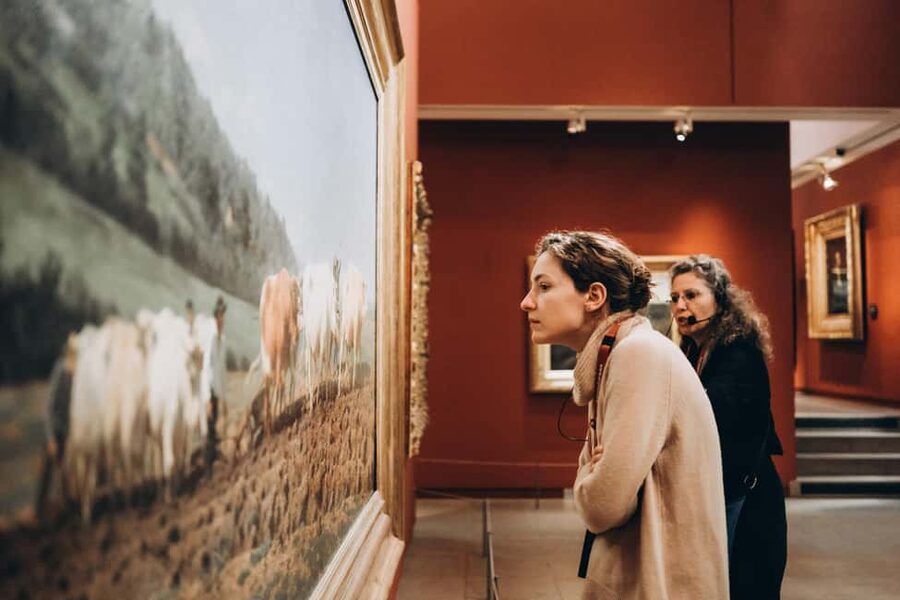
At about $73 per person for a 2-hour guided experience, the price isn’t cheap. But you’re paying for three high-value things at Orsay:
- Skip-the-line access
Time is the real currency in Paris. Orsay lines can eat into your day. Getting in via a separate entrance helps you use your limited museum hours on looking and learning.
- A guide’s selection
Orsay has too much to process on a first visit. A guided route that chooses the most meaningful works saves you from wandering and accidentally spending your best attention on the wrong rooms.
- Interpretation, not just facts
The reviews repeatedly highlight that strong guides help you understand how to read paintings and how artists fit into the bigger art movement. That kind of value is hard to replicate with a self-guided audio app.
If you already know Impressionism deeply and you love independent exploration, you might be fine going solo. But if you want your first Orsay visit to feel structured and rewarding, this tour price often makes sense.
Who should book this Musée d’Orsay Impressionist tour
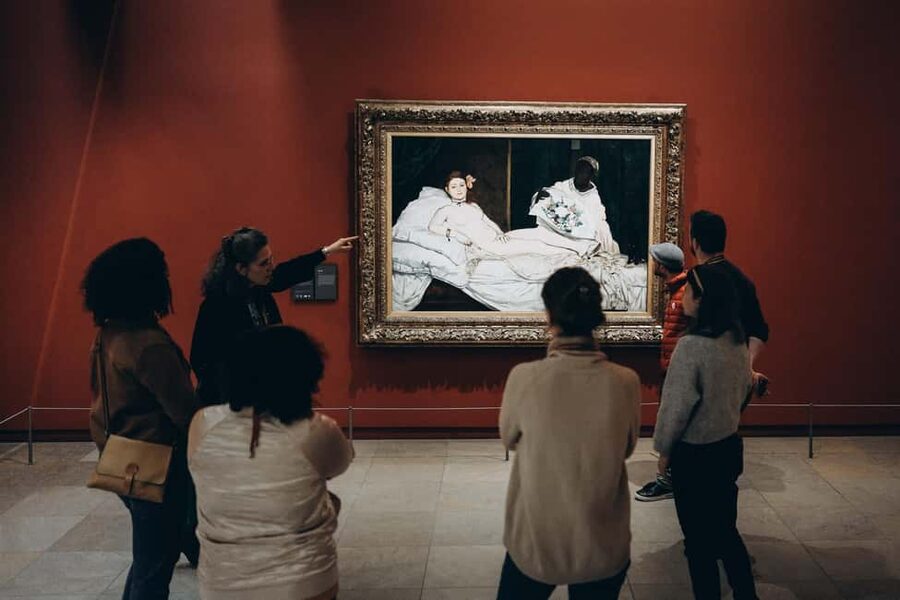
This experience fits best if you:
- Want an Impressionism-focused introduction rather than a random museum walk
- Prefer an expert guide to help you select and interpret major works like Van Gogh, Monet, and Manet
- Like storytelling that connects paintings to the world that produced them
- Enjoy museums but get overwhelmed when the collection is too large
It may not be the best match if you:
- Need wheelchair access or you travel with a stroller (the tour is not suitable for those cases)
- Have trouble with moderate walking or navigating crowded indoor spaces
- Want a fully self-paced visit with no group pacing
Practicalities to keep your day smooth
A few details that can save you stress:
- Bring a passport or ID card.
- Bring comfortable shoes.
- Plan to arrive 15 minutes early and meet at the rhinoceros statue by the entrance.
- The tour is in English.
- It’s a walking tour, and you should be able to walk at a moderate pace.
- The museum can face closures due to strikes, and last-minute updates may be communicated at the meeting point.
Should you book it?
I’d book this Musée d’Orsay tour if you want your first visit to feel purposeful. The skip-the-line ticket gets you inside fast, and the two-hour structure prevents the usual Orsay problem: seeing a lot without really understanding what you’re seeing.
Choose it even more strongly if you’re pairing Orsay with other major Paris sights and need your time to count. And if you care about how to read paintings—composition, context, and why Impressionism looked the way it did—this is exactly the kind of guide-led experience that turns a museum visit into a real learning moment.
If you prefer total freedom and you already have a strong plan for Orsay rooms, you might skip a guided tour and go on your own. But for most people, $73 for skip-the-line plus an interpretation-focused route is a solid way to get more from less time.
FAQ
How long is the Musée d’Orsay guided tour?
The tour lasts about 2 hours.
What does the ticket include?
You get a skip-the-line ticket for Musée d’Orsay plus a live English guide and a walking tour.
Where do I meet the guide?
Meet at 1 Rue de la Légion d’Honneur, by the rhinoceros statue to the left of the entrance when facing the museum. The guide will be holding a green Walks sign.
What time should I arrive?
Arrive 15 minutes prior to the start time.
Is the tour in English?
Yes, the live tour guide speaks English.
Does the tour include hotel pickup or drop-off?
No. Hotel pickup and drop-off are not included.
What should I bring?
Bring a passport or ID card and wear comfortable shoes.
Are strollers or large bags allowed?
No. Baby strollers are not allowed, and luggage or large bags are not permitted.
Is the tour suitable for wheelchair users?
No. It is not suitable for guests with mobility impairments or with wheelchairs.
What happens if the museum closes due to strikes?
The museum can close due to strikes. If there is time, you may be contacted before the tour, and for last-minute closures, cancellations may be communicated at the meeting point.