REVIEW · PARIS
Paris: Louvre Museum Tour Mona Lisa & Iconic Masterpieces
Book on GetYourGuide →Operated by GetYourGuide France · Bookable on GetYourGuide
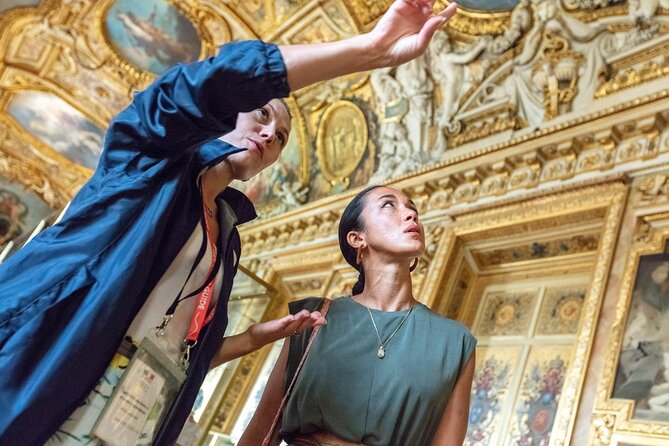
One building can swallow a whole day, so start with a guide-led route at the Louvre. I like how this tour pairs fast pyramid entry with real storytelling that connects masterpieces like the Mona Lisa and Winged Victory instead of making you hunt room numbers. The other big win is the guide’s focus on details you’d miss on your own, helped by headsets. The main drawback: the museum is full of steps, and this tour is not set up for wheelchair users.
Guides can make or break the Louvre, and this experience aims for consistency. In the feedback I reviewed, guides named Sophie, Gabriela, Megan, Lucia, and Babou are repeatedly praised for keeping a tight pace in a huge museum while making each stop make sense. Still, keep expectations realistic: it’s a 2-hour highlights tour, not a full museum plan, so you’ll want to choose what you explore after.
In This Review
- Key things to know before you go
- Meeting at Kiosque des Noctambules and Getting Through the Louvre Fast
- The Louvre Pyramid Entry: Pre-Reserved Tickets and a One-Way Route
- Mona Lisa Isn’t Just a Photo Op Here
- Ancient Greece Gets Real Attention: Venus de Milo and Winged Victory
- Royal Residence to Global Museum: What the Louvre Building Teaches
- Making Your 2 Hours Count, Then Enjoying the Museum on Your Own
- Orsay Upgrade Morning: When Pairing Two Paris Museums Works
- Price and Value Check: Is $79 Worth It?
- Who This Tour Suits Best (and Who Should Skip It)
- Should You Book This Louvre Highlights Tour?
- FAQ
- Where do I meet for this Louvre tour?
- Is the ticket line skipped?
- What famous artworks will I see?
- How long is the tour?
- Is this tour wheelchair accessible?
- Can I leave and re-enter after the guided part?
Key things to know before you go
- Meet at Kiosque des Noctambules (not the Louvre entrance) and watch for your GetYourGuide flag about the start time.
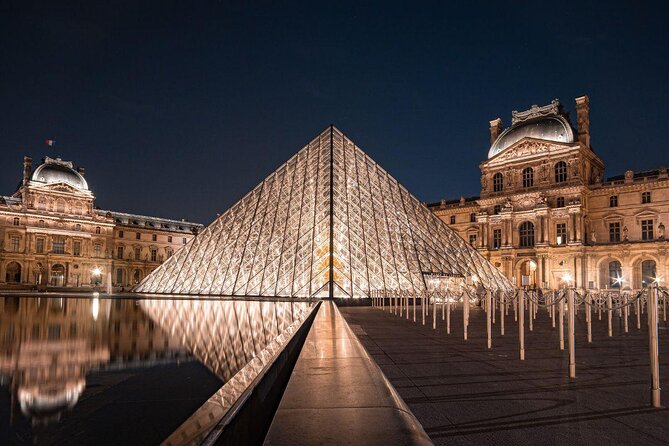
- Pre-reserved tickets get you in via the famous pyramid, plus headsets so you can actually hear your guide.
- You’ll hit major icons in a smart highlights route: Mona Lisa, Venus de Milo, and Winged Victory.
- The tour includes Louvre history, including its days as a royal residence and even the castle foundations in the basement.
- Expect a one-way flow through the rooms: once you’ve exited toward the pyramid, re-entering isn’t part of the plan.
- Not suitable for mobility impairments: many steps, and wheelchairs aren’t permitted on this tour.
Meeting at Kiosque des Noctambules and Getting Through the Louvre Fast
Most Louvre days go wrong because people walk up to the museum entrance first. Don’t do that. You meet at the Kiosque des Noctambules, a colorful artistic structure decorated with Murano glass beads facing the Comédie Française, about a 5-minute walk from the Louvre entrance.
This is one of those Paris logistics details that saves stress. The tour starts on time and your guide will hold a GetYourGuide flag when they arrive. If you show up late, it can become a problem because it’s a group booking and they can’t just issue tickets on the spot.
If you’re using the metro, the closest stop listed is Palais Royal – Musée du Louvre (exit Place Colette). From there, it’s a straightforward walk to the meeting kiosk. In peak summer, plan for extra time at security. The guidance here says you might wait up to 20 minutes at security during busy periods, which can feel long if you’re already impatient. Comfortable shoes matter.
Also, read the “no” list before you pack your day bag. You can’t bring luggage or large bags, and selfie sticks are not allowed. The idea is a smooth entry for the whole group, not a slow shuffle.
You can also read our reviews of more museum experiences in Paris



The Louvre Pyramid Entry: Pre-Reserved Tickets and a One-Way Route
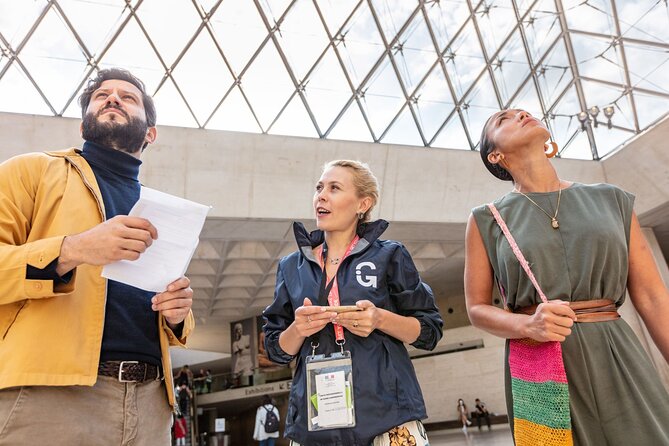
The tour is built around the Louvre pyramid and a highlights path through the museum. You get a pre-reserved entry ticket, which means you’re not stuck in the main ticket line before you even start your visit. That’s not a luxury. In a place this crowded, it’s how you actually see things instead of just queue.
You’ll also get headsets. That sounds small, but it matters in the Louvre’s loud, echoing halls. With headsets, you can focus on what the guide is saying instead of playing “guess the whisper” across a group of strangers.
One more practical detail: the tour’s movement is designed as a route. The information says once you have exited the wings and are under the pyramid, you can’t re-enter the rooms. So don’t plan your day like a flexible museum loop where you can backtrack to a favorite artwork. Think more like: you’ll get a guided sweep, then you’ll explore what’s still accessible from your current position.
Your timing is also part of the value here. The tour runs about 2 hours, which is long enough for context and pacing, but short enough that you still have energy after. After the tour, you can stay inside and wander at your own pace. Just remember that your access works best if you treat the guided segment as the “setup” and then spend your remaining time wisely.
Finally, this is a standard group capped at 20 participants. That group size usually helps you get around without feeling like you’re trapped in a human conveyor belt, and it also helps the guide keep everyone together.
Mona Lisa Isn’t Just a Photo Op Here
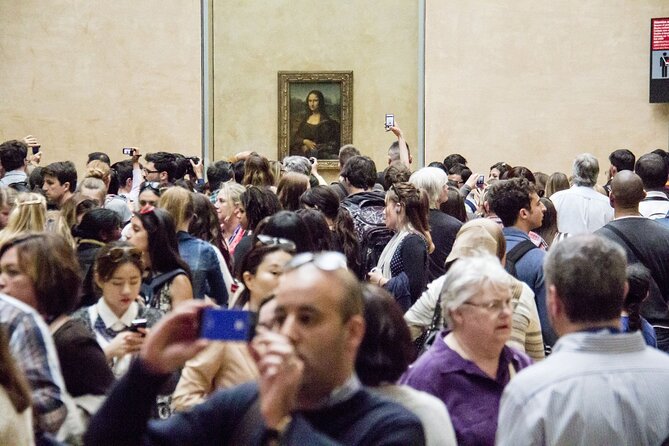
The Mona Lisa is the headline for a reason, but the tour approach is the part you’ll feel in your body. Instead of arriving at a crowd, pointing at a painting, and moving on, you’ll get stories that explain why the work became the world’s most famous portrait.
You’ll hear the background behind the Mona Lisa, including the fact that its theft in 1911 helped drive its fame. That kind of detail changes how you look. With that story in your head, you’re not just studying paint textures and facial expression from a few feet away. You’re thinking about how museums, media, and public obsession interact over time.
The other thing I like about this setup is that it doesn’t isolate the Mona Lisa. The guide’s highlights route includes Renaissance-focused stops and a wider spread of paintings from the 13th to 19th centuries, plus prints from the Royal Collection. That means the Mona Lisa becomes one anchor point in a bigger narrative about European art as it evolved.
Expect to see the Mona Lisa, but don’t treat it like the only destination. In the museum’s scale, it’s easy to over-plan for one icon and then leave disappointed because you never built any “next steps” to chase. This tour helps you do that mental linking: it gives you an art-history roadmap in small doses, so when you walk into nearby rooms on your own, you’ll know what you’re seeing and why anyone bothered to paint it.
One practical note: you’ll be doing plenty of walking and standing. Bring comfortable shoes and accept that the Louvre is not a sit-and-stare museum.
Ancient Greece Gets Real Attention: Venus de Milo and Winged Victory
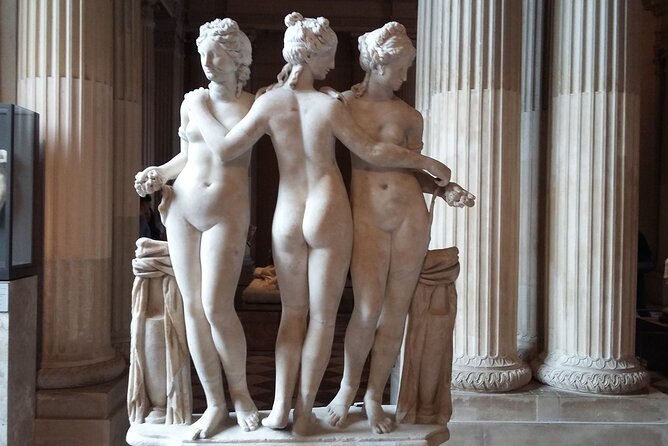
Two stops define the tour’s ancient section: Venus de Milo and the Winged Victory of Samothrace. Both are famous, but familiarity is the trap. Without context, it’s easy to see a sculpture and think, okay, it’s impressive, and then move on.
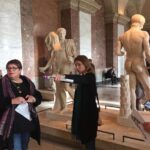
With a guide, you get the story behind how these works were seen and why they mattered to artists later. You’ll see Venus de Milo up close, and you’ll hear how it inspired artists over time. That helps you notice things beyond the silhouette: how the pose carries tension, how the piece communicates with the space around it, and why it became a reference point for so many later creators.
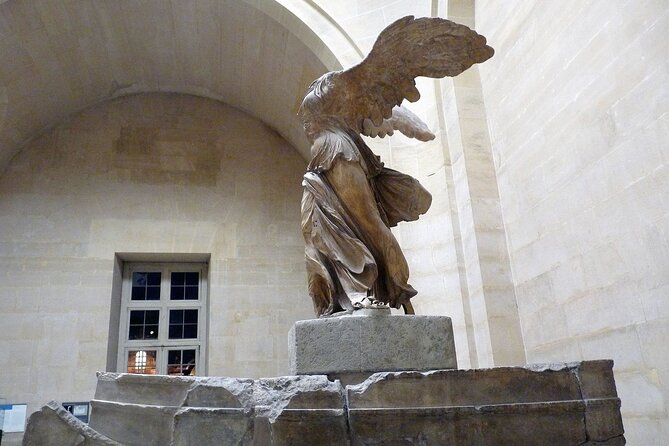
Then you’ll get to the Winged Victory of Samothrace, described here as a famous Hellenistic statue carved in the form of Nike, the Greek goddess of victory. The “Nike” angle is useful because it turns the work from decoration into message. Victory doesn’t just mean triumph in battle. It signals power, celebration, and the way societies built symbols around ideas.
This is where a highlights tour earns its cost. In a huge museum, you can accidentally spend an hour bouncing between random art rooms and still feel like you barely scratched the surface. A guide-led route gives you the right stops in the right order, and it supplies interpretive hooks so those famous sculptures don’t become just more faces in the crowd.
And yes, you’ll still see crowds. The Louvre is always popular. But the tour is designed to keep you moving with purpose rather than stuck in that “where do I go now” feeling.
Royal Residence to Global Museum: What the Louvre Building Teaches
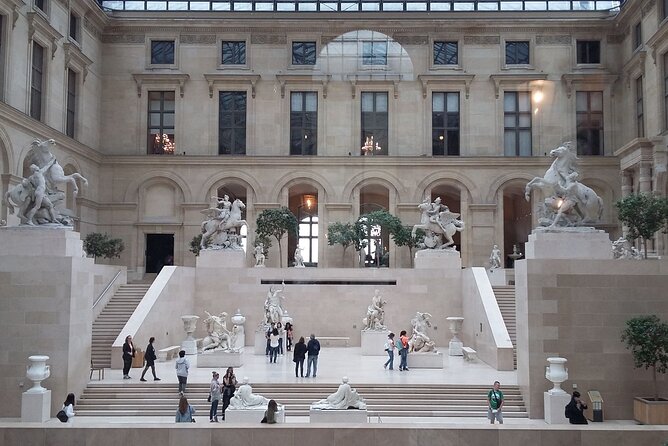
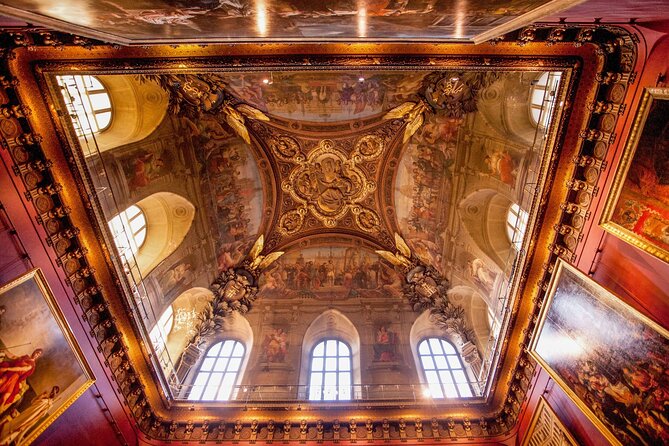
The Louvre isn’t only famous for its paintings and sculptures. It’s also famous for what it used to be. This tour frames the museum as the former residence of the Kings of France, which is one reason the building itself feels like part of the collection.
You’ll learn how the site evolved into one of the oldest and most-visited museums in the world. That’s not trivia. When you understand that you’re walking through a royal setting repurposed for public art, the scale starts to make sense. Hallways feel less like empty space and more like deliberate design.
You’ll also get a peek in the basement at the Louvre Palace foundations—specifically, the foundations of the castle that once stood on the site. It’s the kind of stop that’s easy to miss if you’re doing a DIY visit, because you’re focused on the big galleries. But it adds a second layer to your visit: you’re not just looking at art from ancient civilizations through the mid-19th century. You’re standing on a place with its own long story.
If you like museums where architecture and context matter, you’ll enjoy this angle. It also helps you connect different time periods the Louvre displays, since the building itself becomes a “timeline” you can feel underfoot.





Making Your 2 Hours Count, Then Enjoying the Museum on Your Own
One of the smartest parts of this experience is what happens after your tour ends. You can stay inside the Louvre after the guided portion and spend as long as you’d like exploring on your own.
Here’s the practical way to use that freedom. Don’t try to see everything. Instead, pick 2 or 3 things you’re excited about and let the guide’s route set your direction. If the tour sparked interest in ancient Greece, you’ll likely want to scan nearby sculptures and reliefs while the ideas are still fresh. If Renaissance portraiture and dramatic storytelling caught your attention, aim for adjacent painting rooms rather than jumping across the museum with no plan.
Because of the route rule (once you’ve exited toward the pyramid, you can’t re-enter the rooms), your own time works best if you treat it as continuation, not reversal. So when you’re finished with a guided segment, look around for the next theme you want to chase while you still have access to the areas you’re standing near.
Also, your pacing matters. The tour itself lasts 2 hours, which can feel fast, especially if you’re chatting with the group or asking questions. If you want photos, plan on doing them between the stops rather than stopping dead in the middle of the route. That’s how you keep the day smooth and not irritating for everyone.
Orsay Upgrade Morning: When Pairing Two Paris Museums Works
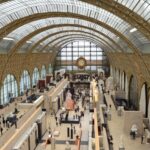
There’s an optional upgrade mentioned here: add a morning tour of the Orsay Museum. If your goal is to compress a lot of art into a short Paris window, this pairing makes sense on paper: you get the Louvre’s blockbuster highlights and then move into a different world of art the next morning.
This upgrade is best if you’re the kind of person who wants structure. The Louvre can feel endless if you’re roaming cold. A planned Orsay add-on can turn your trip from random wandering into a clear sequence of museum experiences.
You do need to consider stamina. Two major museums in separate time windows is a big day on your feet. But if you’re visiting Paris with limited time and want to leave with a strong art “memory bank,” an Orsay morning can be a smart follow-up to this Louvre start.
Price and Value Check: Is $79 Worth It?

At $79 per person for a 2-hour guided Louvre highlights tour, you’re paying for three things: a focused route, a trained guide, and less time wasted in the hardest part of the visit.
First, the pre-reserved ticket and pyramid entry matter. In the Louvre, waiting costs you more than time. It steals your energy and makes you feel rushed once you finally get inside. Skipping the ticket line is often the difference between seeing a few icons properly and just glancing at them while being pulled along.
Second, the guide adds meaning. The tour isn’t just a list of famous works. It includes background stories like the Mona Lisa’s 1911 theft and the interpretive lens for ancient sculptures like Nike in the Winged Victory of Samothrace. That context helps you look longer, understand faster, and move with confidence.
Third, the group size stays manageable. A max of 20 participants is big enough to be efficient, small enough to still feel guided rather than herded.
Now, the fair consideration: this is not a full-day Louvre master plan, and it’s not built for everyone’s physical needs. If you want slow museum roaming with minimal walking, a shorter or more accessible plan might be better. If you can handle stairs and standing, and you want the best chance of seeing key works with context in a limited time window, this price looks like solid value.
Also, language is included in the price, with English and Portuguese options. If you need one of those languages, it’s another value point because you’re not hunting for an experience that fits your comfort level.
Who This Tour Suits Best (and Who Should Skip It)

This tour is a great fit if you’re:
- Visiting the Louvre for the first time and want an organized path through the icons
- Short on time but still want context, not just sightseeing
- Comfortable walking, standing, and dealing with crowds
- Interested in art across multiple periods, from ancient Greek sculpture to Renaissance and later works
You should think twice or choose another plan if you:
- Have mobility impairments or use a wheelchair. This tour is not suitable, and wheelchairs are not permitted. There are many steps.
- Need to bring large luggage or bulky items. Storage and entry rules are strict here.
- Want a fully flexible, backtrack-friendly route. The tour flow limits re-entry after you move under the pyramid.
If you’re the type who likes a strong start, this Louvre tour can set you up to enjoy the rest of the day with better direction.
Should You Book This Louvre Highlights Tour?
I’d book it if you want the Mona Lisa, Venus de Milo, and Winged Victory of Samothrace with real context, and you’d rather spend your energy looking than figuring out logistics inside a massive museum. The combo of pyramid entry, headsets, and a structured route is exactly what makes a Louvre visit feel satisfying instead of overwhelming.
Skip it if stairs and crowds are major issues for you, or if you need a fully customizable route that lets you go back and forth between rooms. And if your only goal is one famous painting, you might feel this is more tour than you need.
If you’re visiting Paris with limited time and want your Louvre day to feel purposeful, this is a strong starting move.
FAQ
Where do I meet for this Louvre tour?
Meet at the Kiosque des Noctambules. Do not go to the Louvre entrance directly. The guide will be holding a GetYourGuide flag at the tour start time.
Is the ticket line skipped?
Yes. The tour includes a pre-reserved Louvre entry ticket, so you can skip the ticket line and enter via the Louvre pyramid.
What famous artworks will I see?
You’ll see highlights including the Mona Lisa, Venus de Milo, and the Winged Victory of Samothrace.
How long is the tour?
The tour lasts about 2 hours.
Is this tour wheelchair accessible?
No. The tour is not suitable for people with mobility impairments, and wheelchairs are not permitted. There are many steps in the Louvre.
Can I leave and re-enter after the guided part?
Once you have exited the wings and are under the pyramid, you cannot re-enter the rooms. After the tour, you can continue exploring, but you should not plan to go back into rooms after that point.