REVIEW · PARIS
Paris Museum Pass: 2, 4, or 6 Days
Book on GetYourGuide →Operated by Mon Petit Paris · Bookable on GetYourGuide
Skip lines, then chase masterpieces. The Paris Museum Pass is a smart way to see 60+ museums and monuments with priority entry, including the Louvre and Orsay, without doing ticket math all day. I also like the simple choice of 2, 4, or 6 consecutive days, which helps you plan a realistic museum pace. One caution: you can still hit timed-entry rules (especially the Louvre) and entry to the Louvre can’t be guaranteed in very busy periods.
This pass is for people who want to move through Paris efficiently, not just pop into one or two places. It covers big-name classics (Arc de Triomphe, Orsay, Rodin, Sainte-Chapelle area sites) and also lets you explore “pick-your-own” favorites like Musée du quai Branly or Musée des Égouts de Paris. If you’re the type who plans loosely and hates ahead-of-time thinking, you’ll want to adjust expectations.
The good news is that when you plan your days around what needs reservations, the time savings can be real. The drawback is that in peak season, even with the pass, popular museums may still have lines while you wait for crowd flow—so the pass helps, but it doesn’t erase the Paris reality.
In This Review
- Key things to know before you buy
- Paris Museum Pass at a glance: what you’re actually buying
- Skip-the-line and priority entry: where it helps most
- The Louvre, Orangerie, and other timed museums you must plan for
- 2-day Paris Museum Pass game plan (Louvre core + classic river views)
- 4-day Paris Museum Pass plan: Orsay + Rodin + one real day trip
- 6-day plan: add Chantilly, Saint-Denis, and Fontainebleau style scenery
- Arc de Triomphe, Panthéon, and the views that anchor the trip
- Optional Seine River cruise: easy rest with real scenery
- Should you buy the Paris Museum Pass?
- Final verdict: book it if you want museum momentum
- FAQ
- Which day options does the Paris Museum Pass come in?
- Do I need a timeslot for the Louvre?
- Are reservations required for other museums besides the Louvre?
- Where do I pick up the pass?
- Is the pass worth it for kids or young adults with free admission?
- What happens if I need to cancel?
Key things to know before you buy
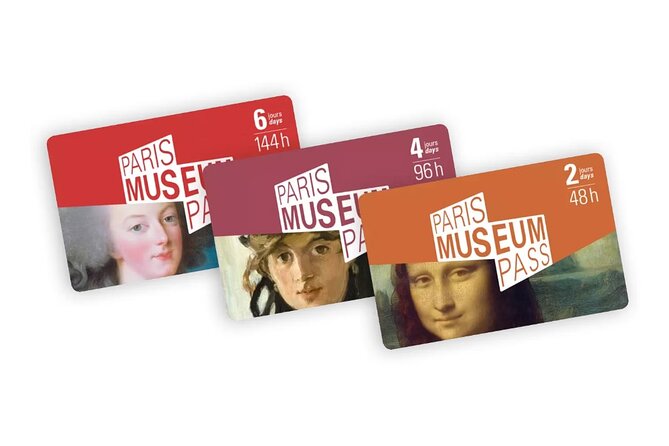
- Priority entry across 60+ Paris museums and monuments, including major hitters like the Louvre and Orsay
- Consecutive day counting (calendar days): if you start at 14:00, that day still counts as day 1
- Advance timeslots matter for the Louvre and several other key museums, even with the pass
- Great value if you stack visits: the more museums you do, the more the pass pays you back
- Outside Paris included (Versailles, Saint-Denis, Chantilly, Fontainebleau, and more)
- Some popular stops still need extra patience in high season, even with priority entry
Paris Museum Pass at a glance: what you’re actually buying
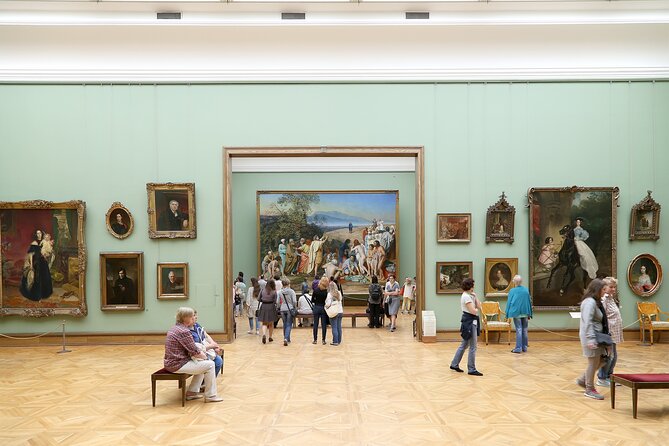
At its core, this pass is a bundled ticket system. You pay once, then you can use it for 2, 4, or 6 consecutive days to enter over 60 museums and monuments in and around Paris. It’s not just the “obvious” places either; the list reaches beyond central neighborhoods with day-trip options like Versailles and Chantilly.
Inside Paris, you’ll find major cultural anchors such as the Louvre, Musée d’Orsay, Musée de l’Orangerie, Musée Rodin, Musée du quai Branly, Panthéon, and Arc de Triomphe. You also get plenty of variety if your taste runs broader than paintings—think design and decorative arts (Les Arts décoratifs), science and tech (Cité des Sciences et de l’Industrie), and even the under-city oddball experience of the Musée des Égouts de Paris.
Outside Paris, the pass includes heavyweight excursions: Château de Versailles et de Trianon, Basilique cathédrale de Saint-Denis, Château de Chantilly (and Musée Condé), Château de Fontainebleau, Villa Savoye, and more. If you want one ticket to handle a “museum-heavy” trip across regions, that’s the point.
Value depends on your style. If your plan is to do at least several museums per day, the pass usually makes life easier and can save money. If you only want a handful of top sights, you might find you could spend less by buying individual tickets with exact timeslots.
You can also read our reviews of more museum experiences in Paris



Skip-the-line and priority entry: where it helps most

Priority entry is the heart of why people buy this. Instead of spending your morning standing in front of ticket counters, you can typically enter through the pass line (or faster lanes, depending on the site). In practice, this can turn a half-day of waiting into an afternoon of actual looking.
That said, Paris crowds are Paris crowds. In high season, you can still face slow-moving entry lines due to crowd control. Some museums may feel better than others: Orsay, for example, can still mean waiting in summer even with the pass, while others may move you through faster. The pass is best viewed as a time-saver, not a magic wand.
You’ll also notice that “skip-the-line” doesn’t always mean “no waiting at all.” Some locations are still shaped by timed entry and security checks. So your best strategy is to pair the pass with smart timing: arrive early when you can, and don’t schedule your busiest indoor stops back-to-back.
The Louvre, Orangerie, and other timed museums you must plan for
Here’s the rule that matters: the pass doesn’t remove the need for timeslots at key museums. For the Louvre, you’ll need a booked timeslot in advance. The voucher includes the link to do this. If you forget, your day can get derailed fast because the Louvre is strict about entry control.
The same goes for several other sites where reservations are mandatory, including the Musée de l’Orangerie, the Museum of the Art and History of Judaism, Hotel de la Marine, and the Cité de l’architecture et du patrimoine. In real-world planning, I’d treat those as “must-book” even if the pass gets you admission.
One more big caution: entry to the Louvre can’t be guaranteed due to renovation works and the high number of visitors. That doesn’t mean the pass is useless—it means you should keep a Plan B museum in your pocket for that same day.
Also keep this in mind: if you’re an EU citizen under 26, or traveling with kids under 18, public museum entrance can be free. But museums can still ask for a time-slot ticket. So the pass may still be less necessary for those cases, depending on your exact ages and the sites you choose.
2-day Paris Museum Pass game plan (Louvre core + classic river views)
With 2 days, you want focus, not scatter. I’d build the trip around one “heavy” Louvre-area morning and one cross-river museum sweep.
Day 1: Louvre area to late afternoon
- Start with the Louvre at your booked timeslot. This is your anchor museum: world-famous collections, and it’s the one most people think about first.
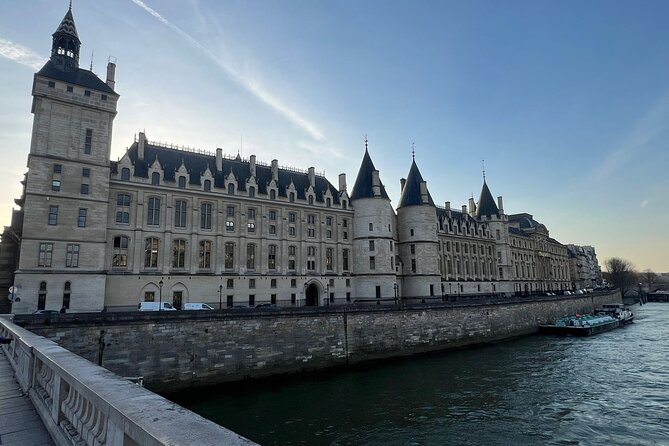
- Afterward, walk into the nearby Île de la Cité museum zone—sites like the Conciergerie and the Tours de Notre-Dame area are included and give you a different vibe from paintings. It’s a good way to shift gears without changing travel rhythm.
If you can fit it, add a stained-glass or medieval-feeling stop in the same region. Sainte-Chapelle is one that often benefits from pre-booking planning with the pass system.
Day 2: Orsay + skyline
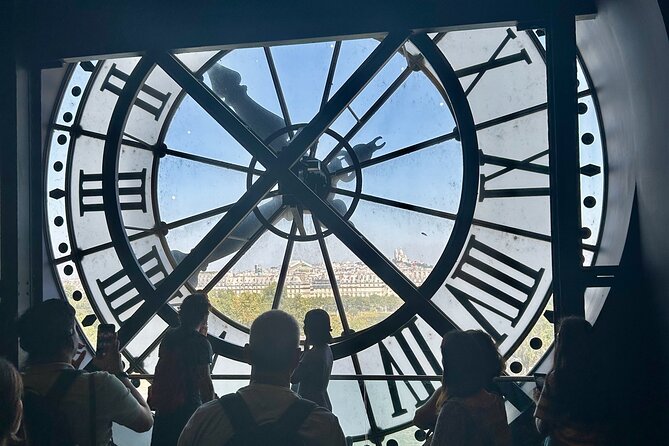
- Book your second major museum time for Musée d’Orsay. This is ideal for Impressionists and Post-Impressionists, and it’s set in a train-station building that feels like Paris itself.
- Finish with Arc de Triomphe for the skyline view. It’s included and makes a perfect late-day “wrap-up” because you get that wide city perspective right when the light softens.
If you still have energy, Musée Rodin is a nice add because it blends sculptures with outdoor space—great when your legs need a break between big galleries.
Drawback of the 2-day approach: you’ll likely leave wanting more. With only two days, the pass shines when you choose one or two “must” museums plus a couple supporting stops—not a full checklist.
4-day Paris Museum Pass plan: Orsay + Rodin + one real day trip
Four days is where this pass often feels like it clicks. You can do the core Paris museums and still afford one major excursion without rushing.
Day 1: Louvre morning, then museum-to-museum wandering
Use your Louvre timeslot and then keep the rest of your afternoon in walking distance. Think medieval sites like Musée national du Moyen Âge, Thermes et hôtel de Cluny or the Notre-Dame-related included options (Crypte archéologique and Tours). They give you a different kind of Paris texture—stone, centuries, and scale.
Day 2: Orsay + Rodin + artsy variety
- Musée d’Orsay is your anchor again, with a slower pace than the Louvre.
- Add Musée Rodin after. It’s one of those places where the experience doesn’t end when you leave the main rooms because the grounds matter.
If you like broader museum variety, you can also plug in Musée Picasso Paris or Musée Gustave Moreau depending on your taste.
Day 3: Versailles day that’s worth the train ride
Château de Versailles et de Trianon is included, and it’s the classic “make it count” day. Go early and treat Versailles like a full event, not a quick stop.
One important planning note: the pass doesn’t include Versailles gardens. Expect extra ticketing at the garden gates. Also, for Versailles, timed entry planning can be required, so don’t assume your pass alone is enough to guarantee smooth entry.
Day 4: Arc de Triomphe + a flexible pick
Use Arc de Triomphe as your visual finale, then choose one flexible museum based on your mood:
- Musée de l’Armée (a strong option if you want military history)
- Musée du quai Branly (a more modern, world-focused museum experience)
- Musée des Arts décoratifs (if design and decorative arts are your thing)
At four days, the pass starts to feel like a holiday system: one or two “booked” entries, plus several “choose as you go” museum slots.





6-day plan: add Chantilly, Saint-Denis, and Fontainebleau style scenery
Six days is for people who genuinely want volume, not just a highlight reel. Here you can do multiple outside-Paris excursions and still enjoy central Paris without running on fumes.
Day 1-2: Paris anchors
Keep your first two days centered on the Louvre/Île de la Cité cluster and then Orsay/Rodin across the river. This gives you maximum “easy-to-plan” efficiency because many major sights are geographically grouped.
Day 3: Culture west
Pick one included museum region outside Paris:
- Château de Chantilly (Musée Condé and the château experience)
- Château de Fontainebleau (if you want royal-era grandeur)
These day trips can be a nice break from Paris museum rooms, and they feel like a different kind of France without needing a whole new vacation.
Day 4: North-of-Paris cathedral day
Basilique cathédrale de Saint-Denis is included. It’s a great way to mix art, architecture, and spirituality into your pass strategy. If you like seeing Paris’s story spread across centuries, this is a strong fit.
Day 5: A design/science swing
Choose from included options like Cité de l’architecture et du patrimoine, Cité des Sciences et de l’Industrie, or Musée de l’Air et de l’Espace (in the Saint-Germain-en-Laye area). This keeps your trip from turning into only art galleries.
Day 6: Finish strong
End with Arc de Triomphe and one final “personality museum” you didn’t get to yet, such as Musée national des Arts asiatiques Guimet, Musée national d’Art moderne, or Musée Picasso Paris.
Drawback of going long: you’ll need to keep your museum energy balanced. Even the best pass can’t prevent museum fatigue. Plan at least one lighter day or outdoor-focused stop so you still enjoy it on day 5 and 6.
Arc de Triomphe, Panthéon, and the views that anchor the trip
A lot of museum passes end up feeling like a list. The trick is to add a couple view-and-identity stops that give you Paris in one glance.
Arc de Triomphe is included, and it works best when you’re tired of rooms. The payoff is the wide city panorama. It’s also a natural “bookend” sight: do it mid-trip if you need a reset, or do it at the end if you want closure.
Panthéon is also included, and it gives you a very different mood from Arc de Triomphe. If you’re in the historical-and-symbolic side of Paris, Panthéon pairs well with the museum days because it feels like an extension of the story you’re learning inside.
If you’re the type who likes quirky inclusions, Musée des Égouts de Paris is on the list too. It’s not for everyone, but it can be a memorable change of pace when your brain wants something not-too-serious.
Optional Seine River cruise: easy rest with real scenery
If you select the river cruise option, it’s included with the pass. Reviews suggest it’s a relaxing way to recharge between museums, and you can often choose an hourly departure rather than locking into one rigid plan.
One practical tip: meeting points can be confusing because there may be different boat operators. If your materials mention a specific company name, use it. Double-check the right dock so you don’t waste the one thing you can’t buy back—time on a good travel day.
The cruise isn’t just a break. It helps you reconnect all the sights you’ve been zooming through. After galleries, seeing the city from the water brings everything into scale.
Should you buy the Paris Museum Pass?
Buy it if you’re:
- visiting the Louvre, Orsay, and at least several other included sites
- trying to see museums across multiple days without buying a pile of individual tickets
- okay with doing the required timeslot planning for specific museums
- happy to use outside-Paris included options like Versailles, Saint-Denis, or Chantilly
Skip it (or reconsider) if you’re:
- only interested in a small set of top attractions
- traveling mainly for one big museum and a couple casual stops
- strongly against any pre-planning around timed entries
Also, if you’re eligible for free entry at many museums (EU citizens under 26, or children under 18), you may not need the pass for admission—but you still might need time-slot reservations at many museums.
Final verdict: book it if you want museum momentum
If your trip has a museum-heavy plan, the Paris Museum Pass is one of the easiest ways to manage it. The value gets stronger as your visit count goes up, and priority entry is a real perk when lines would otherwise eat your day.
Just don’t treat it like a guarantee to walk into everything with zero waiting. Plan your Louvre timeslot and other mandatory-reservation museums, keep your expectations realistic during peak season, and build your days so you’re not stuck sprinting between crowded indoor stops.
If you do that, this pass can turn Paris from a blur of tickets into a smoother rhythm of art, history, and views.
FAQ
Which day options does the Paris Museum Pass come in?
You can choose a pass valid for 2, 4, or 6 consecutive days.
Do I need a timeslot for the Louvre?
Yes. To enter the Louvre, you need to book a timeslot in advance. The link to do this is found on your voucher.
Are reservations required for other museums besides the Louvre?
Yes. Reservations are also mandatory for the Musée de l’Orangerie, the Museum of the Art and History of Judaism, Hotel de la Marine, and the Cité de l’architecture et du patrimoine.
Where do I pick up the pass?
You must collect the pass at the tour office near the Louvre. It is open 7 days a week from 9:00 to 16:00.
Is the pass worth it for kids or young adults with free admission?
Public museum entrance is free for all children under 18 and for EU citizens under 26. The museum pass may not be needed for admission, but museums can still request a ticket with a time slot booked for entry.
What happens if I need to cancel?
Free cancellation is available up to 24 hours in advance for a full refund.