REVIEW · YEREVAN
Yerevan Card Including Free 30+ Museums, 5+ Tours & Discounts
Book on Viator →Operated by Yerevan Card · Bookable on Viator
A museum pass that also acts like a concierge. The Yerevan Card bundles free entry to 30+ museums, free public transport, and practical extras like a 7GB SIM and a city map so you can plan fast and see more without doing math every day.
I love the straightforward setup and the way it helps you build a real Yerevan itinerary around museums, writers, art, and archaeology. And I love that staff support can handle the tricky parts, like timing and arranging outings, with real help from people such as Arev and Lilet.
The only real drawback to watch: the card’s free-entry benefits start after activation and then run on a time countdown, so you’ll want to activate it when you’re ready to use it—plus many key museums close on Mondays.
In This Review
- Key highlights worth clocking
- How the Yerevan Card really delivers value for $40
- Activation timing: the small rule that can make or break your week
- Getting around easily: metro, a bus tour, and Yerevan Ride credits
- A museum-first day plan: 32 stops you can build into your trip
- Start with ancient manuscripts and Armenia’s written roots
- Then hit the art that’s big enough to spend real time on
- Pagan-to-Christian context in one stretch
- Take a break with brandy and craftsmanship
- Build your Yerevan origin story
- Modern art and Armenian creators (many are small, so don’t rush)
- Literature and music museums where small details matter
- Science stop that’s surprisingly practical on a museum day
- Slow down: botanical garden and zoo
- Sweet and practical: chocolate plus a city view day
- Architecture, memory, and the heavy must-sees
- Galleries and house-museums for a calmer ending
- Archaeology outside central Yerevan
- The free tours you should plan around (and what to expect)
- When museum guides aren’t included, how you still get good value
- Who this card suits best
- Should you book the Yerevan Card?
- FAQ
- Is the Yerevan Card price $40 per person?
- What does the Yerevan Card include?
- Do free entries last forever after I activate the card?
- Are there any days when museums won’t work?
- Do I get a museum guide included?
- Can I book the free tours in advance?
- Should you book the Yerevan Card?
Key highlights worth clocking
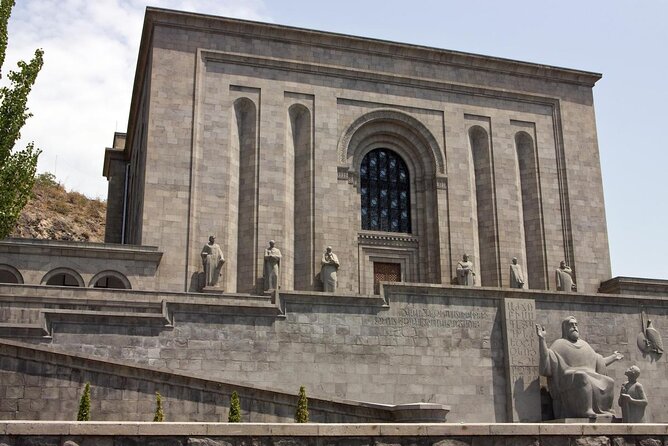
- 30+ museums for free, including major names like Matenadaran, the National Gallery, and the History Museum
- Time-based free access: activate thoughtfully so you don’t waste the clock
- Free public transport and a Hop On Hop Off bus tour to connect sights without stressing about routes
- Free SIM (7GB), map, and guidebook so you’re not wandering in “where do I start” mode
- Several built-in tours like Ararat Brandy Factory and Megerian Carpet Rug Museum (some need prebooking)
- Helpful staff support, with reports of WhatsApp and phone coordination plus reliable airport transfer help
How the Yerevan Card really delivers value for $40
At $40 per person, this card works best when you treat Yerevan like what it is: a compact city with a lot of culture per square kilometer. If you plan to hit even a handful of museums, you’re already close to getting your money’s worth. Then you stack on the free extras—transport, SIM, tours, and entry to specific attractions—and the value gets easier to see.
What makes it feel practical (not just “marketing”) is that you’re not only buying tickets. You’re also getting a map, a guidebook, and a working information setup. Add free access to public transport (including metro) and you can move between museums without constant taxi budgeting.
Also, the card has strong customer sentiment: a 4.9 rating with 91 reviews, and 98% would recommend it. That doesn’t mean every day will be perfect, but it does suggest the system works when you show up ready to use it.
You can also read our reviews of more museum experiences in Yerevan

Activation timing: the small rule that can make or break your week

Here’s the deal that matters: once the card owner (or a museum employee) scans the card at a terminal, the countdown starts for the number of hours tied to your card type. When that limit is reached, the card stops providing free entries. Discounts and special offers stay active for the year, but the free-museum part is time-limited.
If you’re booking this for a multi-day visit, pick an activation moment that matches your first museum day. Don’t activate on arrival if your first real stop isn’t soon.
One more useful note: the card is for individual use only and can’t be returned or transferred after activation. And the card is not valid everywhere—Etchmiadzin is mentioned as an exception due to church authority.
Getting around easily: metro, a bus tour, and Yerevan Ride credits
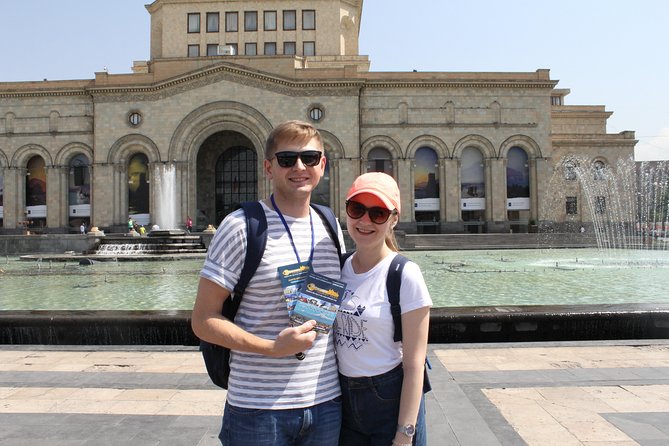
You get free access to public transportation (including metro). In a city like Yerevan, that’s huge because most museum days turn into “move, walk, move again.” Free transit keeps your schedule from getting hijacked by logistics.
You also get a free Hop On Hop Off Bus Tour, which is ideal on day one. Use it to get bearings, then come back on foot or by metro for specific stops you care about.
On top of that, there’s Yerevan Ride support: either a 30-minute scooter ride or a 95-minute bicycle ride (so you can switch it up depending on weather and energy levels). This is especially handy if your day includes hillier areas or archaeology spots outside the central grid.
A museum-first day plan: 32 stops you can build into your trip

I’m going to lay this out like a museum-hopper’s menu. Some stops are strictly indoor, some are more “set aside time” outings. You can do them in many orders—what matters is grouping by neighborhood and not trying to cram everything into a single morning.
Start with ancient manuscripts and Armenia’s written roots
Matenadaran – Museum of Ancient Manuscripts
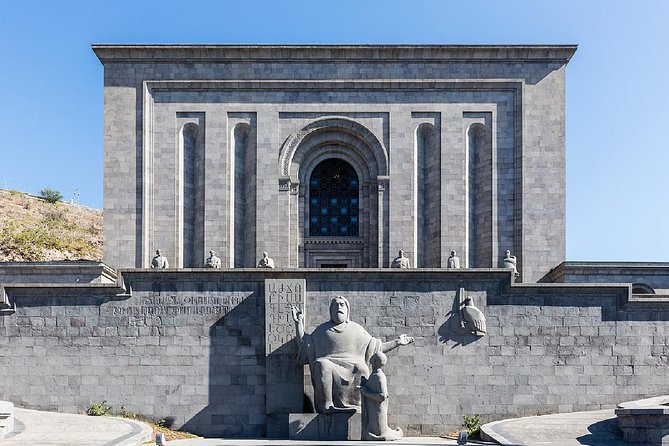
This is the kind of place you visit when you want to understand Armenia through its texts. Matenadaran is named after Mesrop Mashtots and is registered in UNESCO’s World Network of memory. Plan about an hour so you can actually read what you can and not just look for 10 minutes and bolt.
Then hit the art that’s big enough to spend real time on
National Gallery of Armenia
The museum holds about 40,000 items across 55 halls of permanent and temporary exhibitions. With that scale, the practical approach is simple: pick a few rooms that match your taste, not every room. If you try to do it all, you’ll end up tired, not enlightened.
History Museum of Armenia
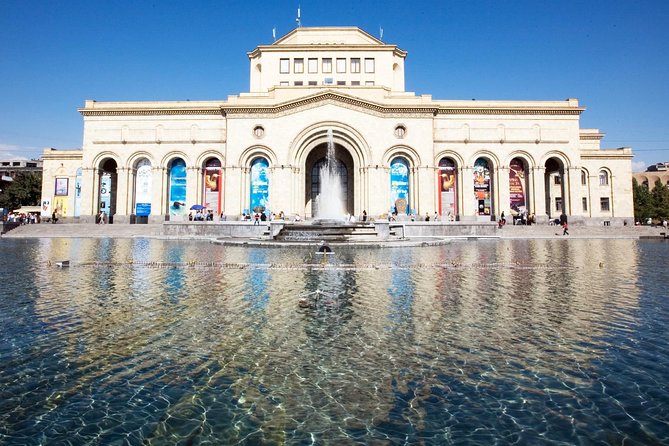
This is where the museum shock factor kicks in. You can see the oldest shoe in the world, discovered in Areni Vayots Dzor, dated roughly 5637–5387 years ago. It’s a quick-entry museum type—one hour is enough to get the headline objects and a sense of the story.
Pagan-to-Christian context in one stretch
Garni Temple
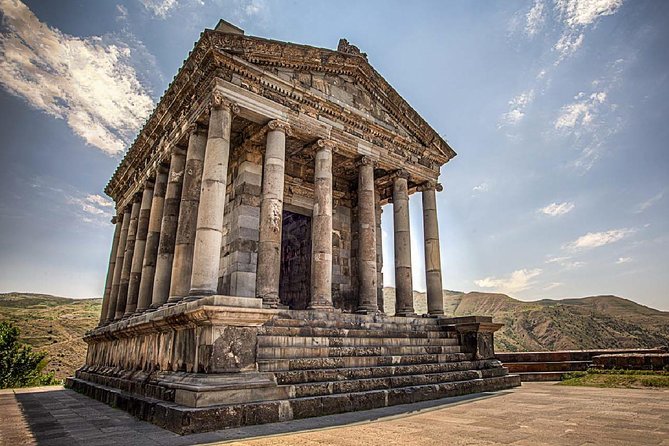
Garni is the only surviving pagan temple in Armenia. Even if you’re not a “temples only” person, the contrast with Armenia’s later Christian heritage is the point. Give yourself time to travel there and back, since this is typically a separate outing from central Yerevan days.
Zvartnots Temple
Zvartnots is considered a unique architectural construction, and it became a UNESCO World Heritage Site in 2000. It’s a great stop if you like imagining ancient builders and how architecture communicates power. Timing matters here too—plan for it like a half-day commitment.
Take a break with brandy and craftsmanship
ARARAT Museum
This one connects national symbols to a real industry story: ARARAT is presented as a symbol of new life and Armenia’s open spirit, with links to the beginnings of brandy business. If you’re the type who likes seeing how culture becomes products you can recognize in everyday life, this is a smart pairing after heavier archaeology.
Megerian Carpet Armenia
Carpet weaving is treated here as a lived craft, not a distant artifact. You’ll learn that the Megerian family has worked on restoration and production for four generations. This is also a good “stretch break” from strict museum halls—more tactile and focused.
Build your Yerevan origin story
Erebuni Museum
This is about where Yerevan starts: the city’s history and culture are traced to 782 BC. The museum emphasizes that Yerevan is 29 years older than Rome, which is the kind of comparison that makes you sit up and pay attention. It’s a great anchor for understanding why so many sites and stories tie back to Erebuni.
Yerevan History Museum
Established in 1931, this helps you connect old and new Yerevan. It’s another hour-friendly museum, with enough material to keep you oriented across different time periods without turning into a textbook.
Modern art and Armenian creators (many are small, so don’t rush)
Parajanov Museum
Sergey Parajanov’s museum is one of the more visited cultural stops in Yerevan. The focus is on his literary and artistic heritage, shaped by both local and European traditions. If you like expressive, slightly surreal art worlds, give this one your full attention.
Ervand Kochar Museum
Kochar’s work is tied to 20th-century modern art and includes a strong European chapter: in Paris (1923–1936) he created works that placed him among major avant-garde figures. If you’re usually more into paintings than sculpture, this is a nice chance to broaden what “modern art” can mean.
Martiros Saryan House Museum
This is in the house-museum format, which helps you understand the artist’s life without separating art from home life too much. It highlights Sarian as the founder of the Armenian school of painting. House-museums can be slower or smaller than big galleries—so plan to enjoy, not to sprint.
Folk Arts Museum (after Hovhannes Sharambeyan)
This focuses on folk art research, repair, study, and popularization across genres. It’s a good fit if you want to see cultural identity expressed through making and preservation. Expect it to feel more process-driven than a single curated exhibition.
Modern Art Museum of Yerevan
Founded in 1972, it notes that for a long period it was the only modern art museum in the region, even when modernist art faced restrictions under socialist realism. That historical tension is part of why the museum exists. Don’t skip the story labels—you’ll get more out of the art with that context.
Literature and music museums where small details matter
Hovhannes Tumanyan Museum
This is the classic “why does the building matter?” story: you climb 54 stairs. The museum connects that number to Toumanian’s lifespan—54 years. If you want museums that make you feel the narrative physically, this is a fun one.
Komitas Museum-Institute
Komitas is presented as composer, singer, teacher, ethnologist, and musicologist. The museum’s mission is systematic study of his life and creations, then popularization of unique items in many countries. If you care about the roots of music and how cultural memory gets preserved, you’ll likely enjoy this more than you expect.
Aram Khachaturian Museum
Khachaturian is described as a major 20th-century Armenian composer, also linked to the first Armenian ballet and other major works. This is a stop that helps you place Armenia in the larger Soviet-era music story—without losing the Armenian identity thread.
Charents Museum of Literature and Arts
Named after Yeghishe Charents, it frames a permanent exhibition across a 300-year time horizon and organizes it into five showrooms. The mix includes Armenian literature and performing arts. If you like “one idea across multiple forms,” this museum structure is a plus.
Museum of Russian Art
If you want cross-cultural comparisons, this one covers paintings, graphics, sculptures, and other works from the 19th century through early 20th. You can approach it like a conversation between styles, especially if you’re already seeing Armenian modern works elsewhere.
Science stop that’s surprisingly practical on a museum day
Geological Museum of Armenia
This is an education-style museum: it shows Armenia’s geological achievements by zones, plus natural resources. You’ll see maps of minerals, rocks, and fossil specimens of animals and plants. It’s a good mid-day switch when you want something visual but less emotionally intense than war or trauma museums.
Slow down: botanical garden and zoo
Yerevan Botanical Garden
The garden sits in a semi-desert zone and is described as a resting place for locals and tourists. It’s a great option for breaking up back-to-back museums, especially if you like rare and endangered plants. One hour feels realistic if you’re not trying to cover every corner.
Yerevan Zoo
With the card, zoo entrance is free, and you can feed the animals. This is the type of stop that makes a museum pass feel like a real leisure pass, not just a “tickets only” tool. If you’re traveling with kids, this is especially useful.
Sweet and practical: chocolate plus a city view day
TadDin Chocolatier
You can taste Armenian chocolate here, and the visit is set as a short stop. Plan about 30 minutes and treat it like a recharge, not a full activity block.
Victory Park and Statue of Mother Armenia (Mayr Hayastan)
The military museum focuses on World War II history and the liberation movement of Artsakh. Nearby you’ll also find the tomb of the Unknown Soldier and mentions of other heroes and memorial locations. This is a powerful stop, and you should give it your mental attention even if you’re not a history-only traveler.
Architecture, memory, and the heavy must-sees
National Museum-Institute of Architecture of Armenian
This museum-institute format is for understanding Armenian architectural engineering. If you’re the type who looks at buildings and wonders what makes them work, this will make you see the city differently.
Armenian Genocide Museum
This museum is serious. The information here frames the 1915 events in Western Armenia as genocide and mentions 1.5 million people. It’s described as the first genocide of the 20th century. Go when you’re ready for emotional weight, and keep your day flexible so you’re not rushed out by an overfull schedule.
Galleries and house-museums for a calmer ending
Eduard Isabekyan Gallery Yerevan
This gallery opened in 2013 and is based on donations described as 28 well-known paintings. If you want a clean finish to a busy day, a gallery can feel easier than another large museum.
Then end with house-museum style places where the pacing changes.
Alexander Spendiaryan House Museum
The entry experience is linked to sounds from Spendiaryan’s music. Since it’s a house-museum, you’ll likely want to take your time with smaller exhibits.
House-museum of Avetik Isahakyan
This one focuses on the last ten years of his life and keeps material evidence for future generations. It’s a literary stop that can feel intimate if you’re already interested in Armenian writers.
Ara Sargsyan and Hakob Kojoian House-Museum
Two big painter-sculptors lived and worked in the center of Yerevan for decades, and their house became the museum. House-museums like this are great for understanding artistic life as routine, not just performance.
Archaeology outside central Yerevan
Shengavit Settlement
This is described as a unique early agricultural settlement in the Near East from the IV–III millennium BC. It’s a good “step outside” contrast after indoor museums, and it also helps you understand that Yerevan’s story is older than modern city life.
Karmir Blur (Red Hill)
This fortified city is tied to the Urartian King Rusa II, with dating described as 685–645 BC, and it’s associated with Teisheba. For many visitors, it becomes one of those moments where you look at a hill and suddenly think, people built power there long ago.
The free tours you should plan around (and what to expect)
The card includes a set of free tours that can save you effort compared with booking everything separately. Some are explicitly listed as needing prebooking, so if you know your dates, contact support early.
The included tour list names:
- From Paganism to Christianity
- Free tour in Megerian Carpet Rug museum
- Free tour in Ararat Brandy Factory
- Free Hop On Hop Off Bus Tour
- Free transfer from/to the airport (one way)
There’s also a note that the card office staff can help coordinate other outings. In one real example, Arev and Lilet coordinated excursions such as a city bus tour and a cognac factory tour with tasting, plus a tour that included Garni and Geghard. That kind of support is especially useful if you’re trying to fit outside-Yerevan sights without getting lost in ticket threads.
When museum guides aren’t included, how you still get good value
A key point: guide at museums is not included. That doesn’t mean you’ll get less out of the museums—it means you’ll rely on signage and your own curiosity. The good news is that the card includes a guidebook and map, which can help you choose where to spend your limited free-entry time.
My advice: don’t try to do 10 museums in one day just because entry is free. Pick 3–4 that match your mood—then use discounts for meals and shops so you still feel like you’re traveling with a plan, not just consuming stops.
Who this card suits best
This is ideal if:
- you want museum-heavy days and don’t want to keep buying individual tickets
- you like having an organized framework with enough freedom to choose your pace
- you value practical extras like public transport access and a working SIM
It may not be ideal if you prefer totally spontaneous days with no pre-planning. Because the card’s free-entry clock starts on activation, you’ll need at least a light plan for when you’ll start using it.
Should you book the Yerevan Card?
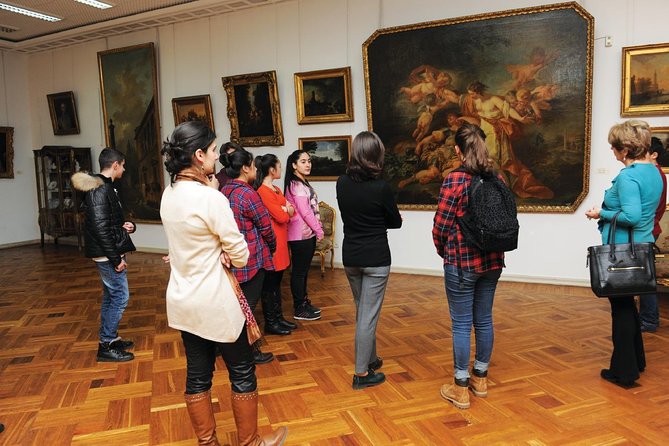
Yes—if you’re staying more than a couple of days and you’ll hit multiple museums, it’s one of the more efficient ways to experience Yerevan. The combination of free museum entry, transit, and built-in tours makes it less stressful than piecing together tickets and transport on your own.
But activate thoughtfully, watch for Monday closures, and don’t expect a museum guide. If you want the best day-by-day result, use the card’s support line and reach out early for any tours that need prebooking.
FAQ
Is the Yerevan Card price $40 per person?
Yes. The experience lists $40.00 per person.
What does the Yerevan Card include?
It includes free entry to more than 30 museums, free access to attractions, free public transportation (including metro), a free SIM with 7 GB Internet, a map and guidebook, a free Hop On Hop Off bus tour, free entry to the zoo and botanical garden, airport transfer (one way), and several free tours and coupons in Armenian online shops.
Do free entries last forever after I activate the card?
No. After activation (when the card is scanned at a museum terminal), the program starts a countdown based on the card’s hour limit. When that limit is reached, free entry deactivates, though discounts and special offers remain for a year. There is also an unlimited time card option valid for 12 months after activation.
Are there any days when museums won’t work?
The main museums are listed as closed on Mondays.
Do I get a museum guide included?
No. The card does not include a guide at museums.
Can I book the free tours in advance?
Yes. Some activities need prebooking, and you can book the free tours online or at the operator office at 2 Abovyan street.
Should you book the Yerevan Card?
If you want high value without micromanaging tickets, it’s a strong yes. Just match activation to your first museum day, plan around Monday closures, and pick a manageable number of museums per day so the free access turns into real sightseeing instead of fatigue.