REVIEW · YEREVAN
Private Yerevan City Tour: Erebuni, Matenadaran & Tsitsernakaberd Museums
Book on Viator →Operated by Hyur Service · Bookable on Viator
Yerevan starts with an ancient fortress, not a brochure. This private tour strings together Erebuni, Tsitsernakaberd, and Matenadaran, plus time around Republic Square. I really like the professional guide option and the fact that you get free pick-up and drop-off within Yerevan. One thing to double-check: while the tour promotes entrance fees, the museums you’ll visit may still require an extra 3000 AMD per person for entry.
This is a good half-day if you want clarity fast. You’ll be in a small, private group (up to 3) with air-conditioned transport, bottled water, and a choice of morning or afternoon departure, so you can match the trip to your energy and plans.
In This Review
- Key points to know before you go
- A smooth half-day plan with pickup, A/C, and bottled water
- Republic Square and the Yerevan “welcome” moment
- Erebuni Museum: tracing Yerevan back to 782 BC
- Tsitsernakaberd memorial: the details you’ll remember
- Matenadaran: ancient manuscripts and the thrill of surviving books
- Guide and driver: how the best tours make time feel right
- Price and entrance fees: what you should budget
- Morning vs. afternoon: choosing the mood for fountains and museums
- Who this tour is for (and who might feel boxed in)
- Should you book this private Yerevan museum tour?
- FAQ
- What is the group size for this private tour?
- How long does the tour usually take?
- Do you offer hotel pickup and drop-off within Yerevan?
- Is there a guide, and what languages are available?
- Are entrance fees included in the price?
- Are lunch costs included?
- Does the tour operate in bad weather?
- Is a mobile ticket provided?
Key points to know before you go
- A museum-heavy route that connects Urartu roots, Armenian history, and manuscripts in one smooth loop.
- All entrance fees aren’t always fully covered, so budget around 3000 AMD per person for the museum entries listed as not included.
- Free pick-up and drop-off in Yerevan keeps logistics simple, especially if you’re staying outside the center.
- A guide can make the sites click, including a memorable manuscripts specialist named Ana.
- Powerful, thought-provoking stop at Tsitsernakaberd, where details of the memorial design matter.
- Morning or afternoon departure, plus the tour runs in all weather, so you can plan around your schedule.
A smooth half-day plan with pickup, A/C, and bottled water
This tour is priced for a small private group, up to three people, which is exactly what you want when museum visits are involved. At $63 per group, you’re not paying per person like you often do on larger shared tours. For short trips like this, that group-price structure can feel like a bargain.
What makes it feel easy is the logistics. You get free pick-up and drop-off within Yerevan, you’re traveling in an air-conditioned vehicle, and bottled water is included. There’s also a mobile ticket, which cuts down on last-minute scrambling.
The duration is usually about 4 to 5 hours, so it won’t swallow your whole day. That’s the sweet spot for first-time planning: enough time to understand what you’re seeing, not so long that you’re exhausted before the best parts.
You can also read our reviews of more tours and experiences in Yerevan.

Republic Square and the Yerevan “welcome” moment
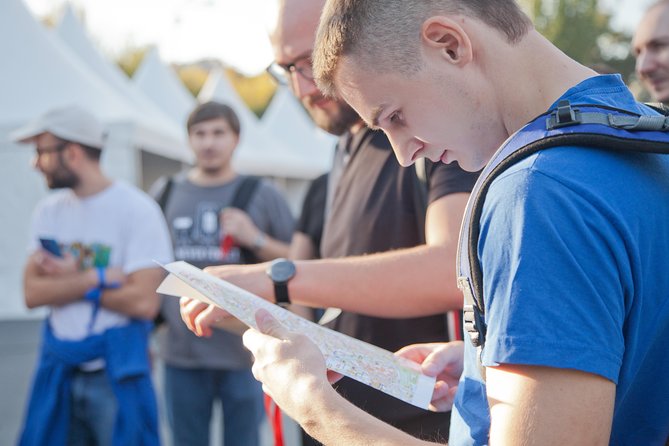
You start with Yerevan itself, and it’s a smart opener. Republic Square is one of the city’s signature spaces, and it’s especially known for the musical fountain show. If your timing lines up, the fountain program runs from early May to mid-autumn, with music that matches the choreography.
This stop also helps you get your bearings. Even if you’re not doing a big walking tour, seeing Republic Square early gives your later museum stops context—Yerevan isn’t just a collection of sights. It’s a city with a strong sense of place, from monumental squares to hills and viewpoints.
The guide-style approach matters here. Instead of dumping facts, a good guide frames what to notice and how the city developed. You also get a chance to think about views at Cascade Complex, which is described as breathtaking from the top, and particularly striking at night when the area is lit.
Erebuni Museum: tracing Yerevan back to 782 BC
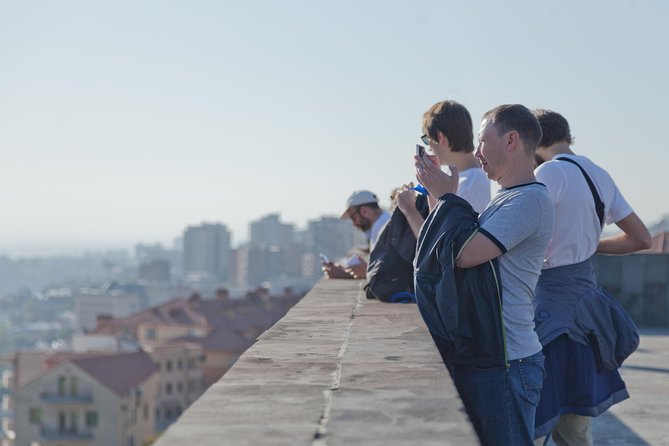
Erebuni is where the “why Yerevan exists” story begins. The fortress of Erebuni sits on Arin-Berd hill, and it traces back to 782 BC, when Urartian King Argishti the First built the fortress. That’s not a small detail—it’s the kind of timeline anchor that turns a modern city into something you can actually picture.
What I’d focus on at this stop is the connection between archaeology and storytelling. During excavations, a cuneiform inscription was found, linking the fortress to what’s described as the history of today’s Yerevan. That kind of evidence makes the site more than ruins.
The ruins and frescoes are on the hill top area, while the museum down on the grounds displays what’s been excavated. So you’re not just walking through one room; you’re seeing how the site itself and its artifacts work together. This is also where a guide earns their keep—pointing out what you’re looking at and why it matters.
A practical note: hilltop ruins can mean uneven paths. Wear shoes you trust, and take your time if it’s cold, hot, or rainy. The tour runs in all weather, so you’ll want to dress for conditions rather than assuming everything will be comfortable.
Tsitsernakaberd memorial: the details you’ll remember
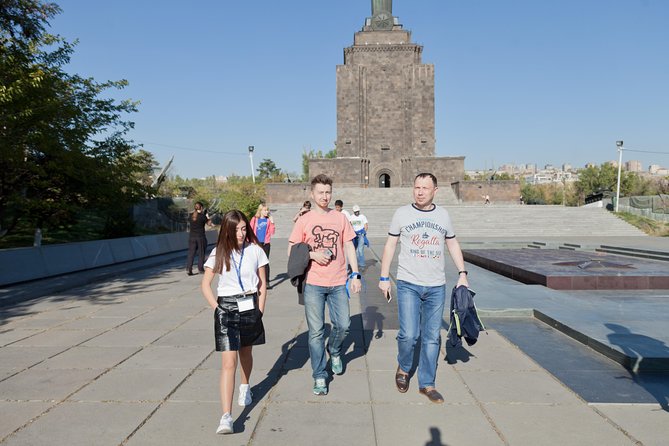
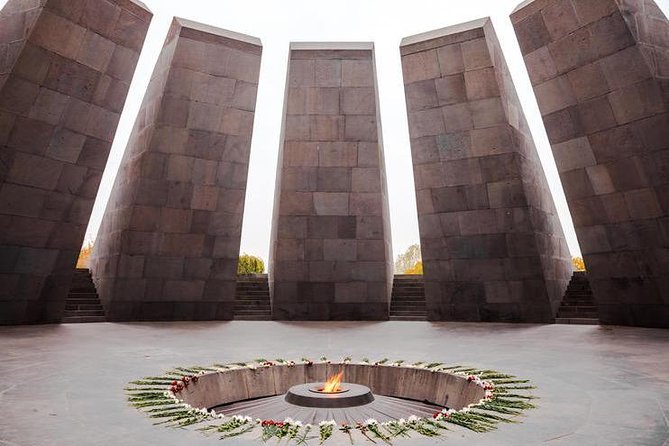
Tsitsernakaberd is the stop that hits hardest, in the best possible way. This memorial-complex honors the victims of the Armenian genocide, and it sits over the hill, so you approach it with the sense that this place was meant to be seen from far away.
At the center is the Memorial Sepulcher with an eternal flame. Around it, you’ll notice twelve tall basalt slabs leaning over the flame—an intentional, physical design element. The monument also includes a 44-meter granite stele shaped like an arrow, symbolizing spiritual rebirth and bold spirit.
The guide’s role is important here, because the power of Tsitsernakaberd isn’t only in the overall message. It’s in noticing what the design is trying to communicate. If you’re the type who likes to understand symbolism, you’ll get a lot out of this hour.
There’s also a mood factor. This isn’t a quick photo-op stop. Plan for a quieter mindset. If you’d rather not be rushed, a private format helps because the pacing can be calmer.
Matenadaran: ancient manuscripts and the thrill of surviving books
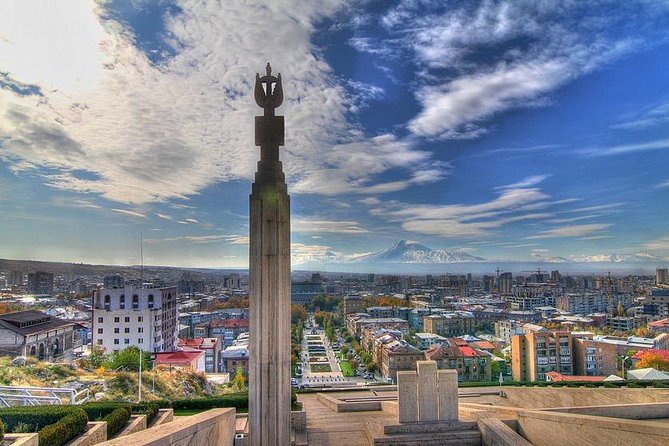
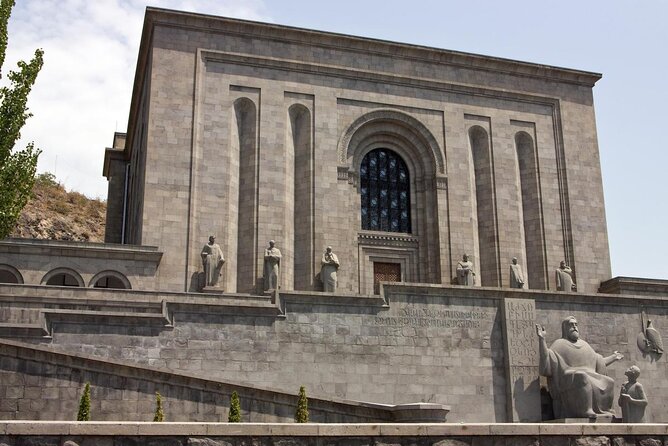
Matenadaran—often described as a book depository—is one of the world’s oldest libraries. Even if you’re not a book person, this stop can change how you see Armenian culture.
The collections include ancient Armenian books and miniature paintings. The description also calls out world-famous works and rare manuscripts, including texts of ancient classical authors that survived through Armenian translation. That’s a big deal: it’s a story of preservation, not just art.
One reason people love this museum stop is that it feels specific. You’re not looking at “general medieval stuff.” You’re looking at manuscripts and artwork that connect directly to Armenian language, translation, and cultural identity.
Inside the courtyard, there are monuments to outstanding Armenian cultural figures, which gives the visit an extra layer beyond the glass-and-cases feel. And in at least one instance, the guide at the manuscripts museum was named Ana, and her passion and depth made the topic feel alive rather than academic.
If you’re choosing between “museum with stories” and “museum with labels,” this is the kind of place that rewards a guide-led visit.
Guide and driver: how the best tours make time feel right
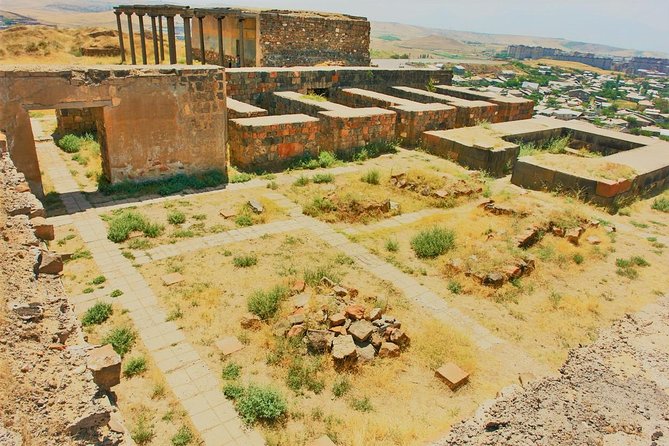
This experience can be booked with a guide option (English or Russian). If you care about context—why the site matters, how the timeline fits, what to focus on—this is the part you’ll notice most.
The guide approach also seems designed to handle small detours. You can request extra stops along the route, and the itinerary can be adjusted when you have specific priorities. That flexibility is valuable in a city like Yerevan, where it’s easy for a plan to miss what you’re most excited to see.
The driver matters too, because your comfort affects how long you can truly enjoy a museum day. One detail to keep in mind: rides may be a bit spirited. If you’re sensitive to motion, it’s worth mentioning you prefer a smoother pace when you first get in.
Price and entrance fees: what you should budget
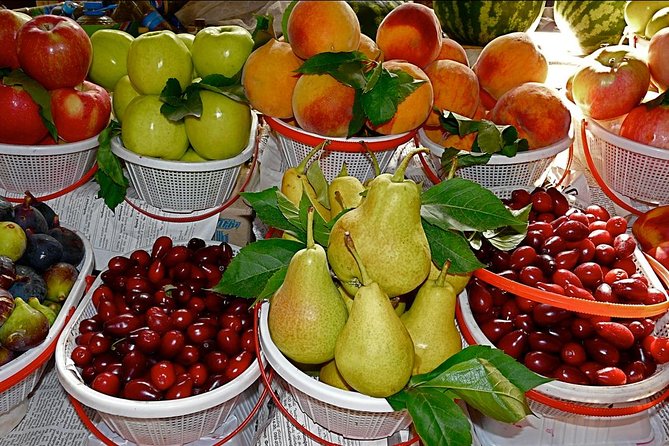
Let’s talk money in a straight way. The tour is listed at $63 per group (up to 3), and it includes transport, bottled water, insurance, and free pick-up/drop-off within Yerevan. That’s good baseline value for a private half-day.
Where the numbers can get confusing is entrance fees. The overview highlights “all entrance fees included,” but the museum entry line items shown for at least some stops indicate tickets are not included, with an estimated cost of about 3000 AMD per person. In other words: you should assume there may be an extra payment on the day, especially for the museums where entry is marked not included.
So here’s my practical advice: when you book, confirm whether Erebuni Museum and Matenadaran are ticketed through the provider for your specific departure. If not, budget around 3000 AMD per person and move on with confidence. This avoids the unpleasant surprise moment.
Lunch isn’t included, so if you’re doing this in the afternoon, you’ll likely want a plan for food afterward. If you’re doing it in the morning, you can pair it with a late lunch.
Morning vs. afternoon: choosing the mood for fountains and museums
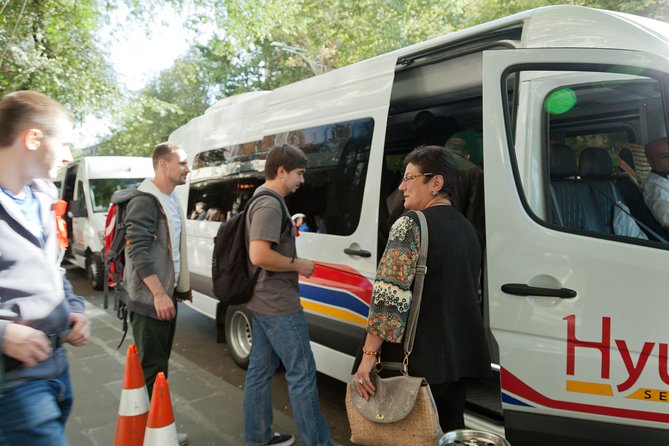
You get a choice of departure time, which is useful here. Republic Square’s singing-dancing musical fountains work best when the schedule matches the seasonal run window (early May to mid-autumn). If you’re aiming for that, an afternoon start can line up well.
Matenadaran and the Erebuni museum stops don’t care about the sun the way an outdoor viewpoint does, so they work in either time block. Still, if you’re hoping to catch Cascade Complex views at night, you’ll want an itinerary that leaves you enough time afterward. The city itself notes Cascade’s night lighting as a highlight, so timing can shape what you can tack on.
The tour runs in all weather conditions. That’s helpful in Armenia, where the day can change quickly. Dress for rain or cold if needed, and keep a light layer in your bag. The vehicle is comfortable, but you’ll still spend time walking inside and outside around museum sites.
Who this tour is for (and who might feel boxed in)
This tour is a great match if you want a tight, high-impact museum route. You get Yerevan orientation, then Urartu history at Erebuni, then a deeply significant memorial at Tsitsernakaberd, then a cultural deep-stop at Matenadaran. That’s an easy way to understand Armenia’s layers without building an entire day from scratch.
It’s also ideal for people traveling in a small group who want private attention. With up to three people, you’re less likely to feel like you’re being herded. It’s also simpler if you have mobility needs that make shared-taxi or long walking loops harder.
One caution: this is museum-focused. If you’re chasing a broad list of big-city sights and neighborhoods, you might feel it doesn’t cover everything you’d call “main attractions.” The upside is that you can request extra stops, so if there’s a monument or viewpoint you care about, ask early and see if the route can flex.
Should you book this private Yerevan museum tour?
Book it if you want an efficient, small-group way to connect Yerevan’s past to what you see today—fortress roots, genocide memorial design, and the living presence of ancient manuscripts. The private format, pickup convenience, and the chance to go with a guide make it a strong first-timer plan.
Think twice if you’re trying to cover every major neighborhood sight in one day. This route is meant to slow down and understand museums, not to sprint around town.
My final practical take: confirm the entrance-fee situation for the specific museums on your date, then enjoy the structure. When you walk out of Matenadaran and see the memorial design at Tsitsernakaberd with the right context, the day feels less like a checklist and more like a story you can follow.
FAQ
What is the group size for this private tour?
It’s a private tour/activity, and your group is the only group participating. The price is listed per group up to 3 people.
How long does the tour usually take?
The duration is about 4 to 5 hours.
Do you offer hotel pickup and drop-off within Yerevan?
Yes. Free pick-up and drop-off within Yerevan is included. You should mention your pick-up address.
Is there a guide, and what languages are available?
A professional English or Russian speaking guide service is available if you choose the option with a guide.
Are entrance fees included in the price?
Entrance fees are partly a mixed picture. The tour highlights entrance fees, but specific museum entry is shown as not included, with a listed additional cost of about 3000 AMD per person for those museums.
Are lunch costs included?
No. Lunch is not included.
Does the tour operate in bad weather?
Yes. It operates in all weather conditions, so dress appropriately.
Is a mobile ticket provided?
Yes. Mobile ticket is offered, and confirmation is received at the time of booking.