REVIEW · ROME
Rome: Vatican Museums and Sistine Chapel Guided Tour
Book on GetYourGuide →Operated by Maximus Tours · Bookable on GetYourGuide
The Sistine Chapel is the stop you’ll talk about for years. This small-group Vatican tour is interesting because it bundles the Museums + Sistine Chapel with priority entry, so you spend less time stuck and more time looking. I also like that the guides on this tour get consistently praised for being friendly and professional, with names like Monica, Christiana, Tatiana, Patricia, and Chris showing up in the feedback. One thing to consider: it’s not set up for wheelchair users or people with mobility impairments, and it can feel like a lot of walking in a short window.
What I really love is the way this tour focuses your attention. In the Sistine Chapel, you get a guided look at Michelangelo’s most iconic scenes, including Creation of Adam and the Last Judgment. Then you move into the Raphael Rooms, where art turns into history you can actually follow (not just another room full of paintings).
The possible drawback is pace and comprehension. In one case, an English-language issue made details harder to process, and some people noted the overall experience ran a bit longer than expected. If you’re sensitive to crowded corridors or want a slower, strictly self-directed visit, you might prefer a different format.
In This Review
- Key Things That Make This Tour Worth Your Time
- Getting Started at Via Tunisi 4 (and why it matters)
- Priority Entry: How This Tour Cuts Through Vatican Chaos
- Vatican Museums Time: The Best Rooms in About 2.5 Hours
- Gallery of Maps: History you can read in one glance
- Gallery of Tapestries: Big images, big scale
- Gallery of Candelabra and Greek Statuary
- Cortile del Belvedere and the Sculpture Stops: Where You’ll Go, Wow
- Raphael Rooms and the Borgia Apartment: Art With a Timeline
- Raphael Rooms: why this is the calm before the Sistine storm
- Borgia Apartment: darker moods, palace drama
- Greek Cross Room and Old Papal Apartments: Architecture that tells you where to look
- Sistine Chapel: 20 Minutes to See What Everyone Comes For
- The Once-in-a-Lifetime Timing Claim (and how to think about it)
- Price and Value: Is $101.36 a Good Deal?
- Who This Tour Fits Best (and who should choose another style)
- A Few Real-World Tips to Make Your Day Smoother
- Should You Book This Vatican Museums and Sistine Chapel Tour?
- FAQ
- How long is the Rome: Vatican Museums and Sistine Chapel guided tour?
- How large is the small group?
- Where do we meet for the tour?
- What parts of the Vatican are included in the guided experience?
- Do we get priority entry and skip the line?
- Is food and drinks included?
- What should I bring?
- What is not allowed during the tour?
- Is this tour suitable for wheelchair users?
- Are there any special rules for visitors with certified invalidity?
Key Things That Make This Tour Worth Your Time
- Small group of up to 10 people: easier listening, quicker questions, and less shoulder-to-shoulder stress.
- Priority entry through a separate entrance: you trade long lines for guided time inside.
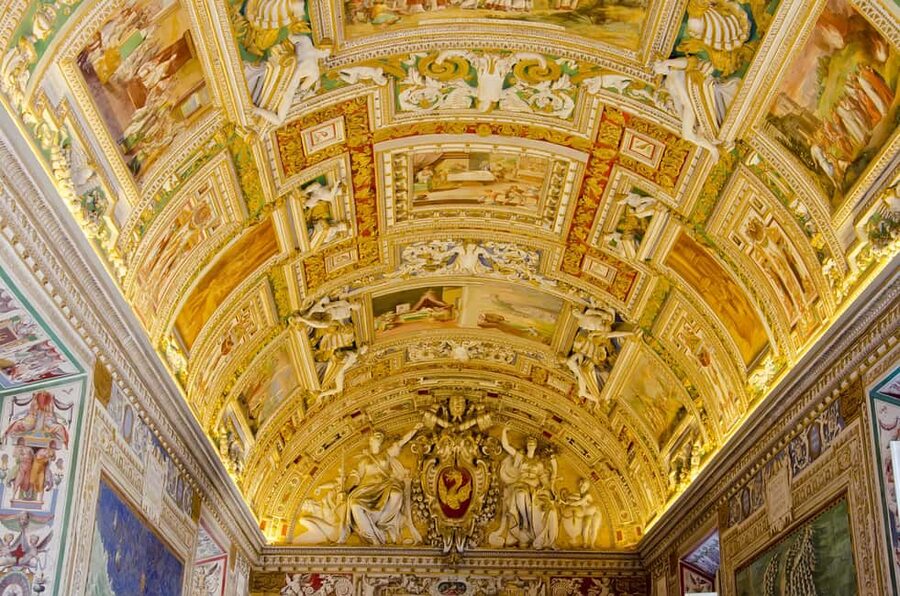
- Vatican Museums focus on the “stand here and stare” highlights: Gallery of Maps, Gallery of Tapestries, and the major sculpture stops.
- Sistine Chapel guide time is short but targeted (about 20 minutes): you’ll get the key moments without getting lost.
- Radios may be used in crowded halls: helps you hear the guide even when space gets tight.
- Strong guide reputation in feedback: clear teaching and personable delivery shows up repeatedly (Monica, Tatiana, and others get high marks).
Getting Started at Via Tunisi 4 (and why it matters)
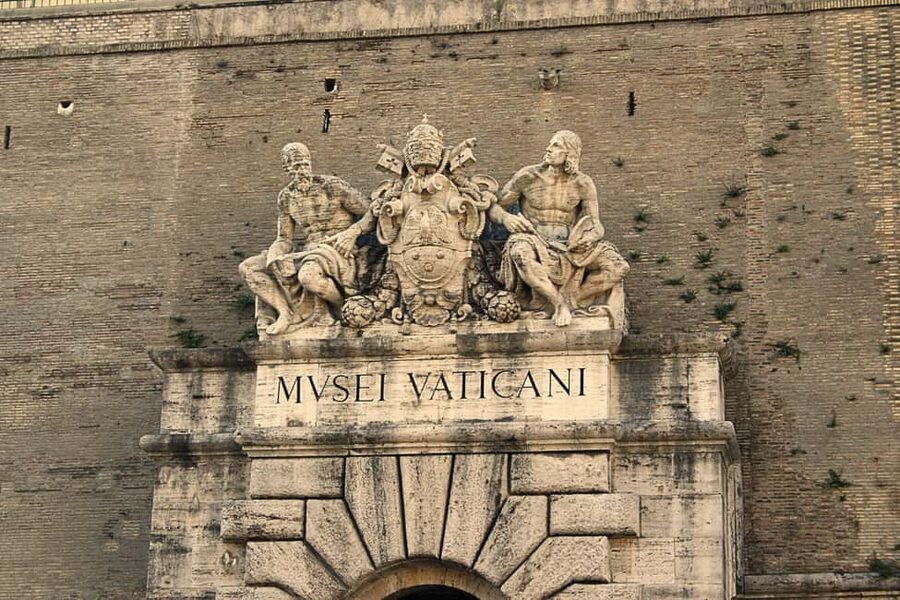
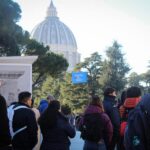
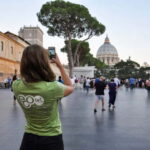
This tour begins at an outdoor meeting point: Via Tunisi 4, 00192, Roma. Your guide is posted at the very bottom of the stairs, and you’ll want to look for Maximus Tours. This sounds minor, but it can save you real stress. The Vatican area has a way of making “meet in front of X” turn into “meet somewhere near X, hopefully.”
You’ll want to arrive with a clear plan for getting there, including time for security checks before you even enter the museums area. Since you’re paying for priority access, you don’t want to waste that value at the start.
Also note what you can bring: passport or ID and comfortable shoes. The dress rules are strict: no shorts, no short skirts, and no sleeveless shirts. Even if you’re warm, Rome in summer and Vatican rules can collide fast, so pack accordingly.
You can also read our reviews of more guided tours in Rome
Priority Entry: How This Tour Cuts Through Vatican Chaos
Rome has lines for everything. The Vatican has lines for the lines. What you’re really buying here isn’t just a guide—it’s a better way to spend your time.
This tour is set up with skip-the-line access through a separate entrance, plus priority entry into the sites on your route. In practice, that means you’re guided into areas that most people still have to wait to enter, which can be the difference between seeing the best things and feeling rushed through everything.
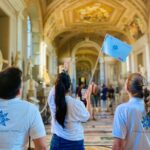
The “small group” part is also practical. With up to 10 participants, the guide can keep you together, explain what matters, and help you pick where to look first. In feedback, guides like Christiana, Monica, and Patricia are repeatedly praised for being professional and helpful—so you’re not just paying for a shortcut; you’re getting an instruction manual for the day.
Vatican Museums Time: The Best Rooms in About 2.5 Hours
Your main block is the Vatican Museums, guided for roughly 2.5 hours. That’s a tight schedule for one of the world’s biggest art collections, so the tour strategy matters: it doesn’t try to show you everything. It steers you toward the pieces that most people consider must-see, and it connects them with context so your brain has a thread to follow.
Gallery of Maps: History you can read in one glance
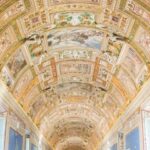
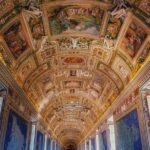
The Gallery of Maps is one of those rooms where the visuals do half the teaching. If you’ve ever wondered how the Vatican thought about geography and power, this is where you see it. Plan to slow down here. It’s easy to rush, but the whole point is to look, then understand what you’re looking at.
Gallery of Tapestries: Big images, big scale
Next up is the Gallery of Tapestries. Think of these as “portable walls of storytelling.” From a viewing standpoint, tapestries change how you experience a room because texture and design matter. It’s also a good break from staring at flat ceilings. If you’re prone to museum fatigue, this stop can reset your attention.
You can also read our reviews of more museum experiences in Rome
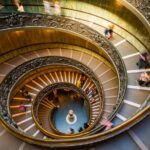
Gallery of Candelabra and Greek Statuary
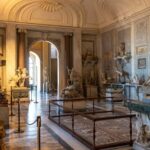
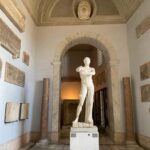
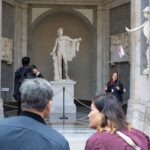
Your route includes stops tied to major sculpture and decorative displays, including the Gallery of the Candelabra and areas with Greek Statuary. This matters because a Vatican visit isn’t only religious art. You’re also seeing how different eras fed the next era—classical subjects reappear and get repackaged over and over.
If you’re the kind of visitor who likes “stand still and actually look,” you’ll enjoy these stops. You’ll also be grateful you’re with a guide who can point out which details are worth your time.
Cortile del Belvedere and the Sculpture Stops: Where You’ll Go, Wow
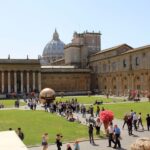
One of the best parts of this tour is the way it breaks up the museums with standout sculpture moments. You spend time in the Cortile del Belvedere, and you’ll encounter iconic works mentioned in the tour highlights, including the Belvedere Torso and Laocoön.
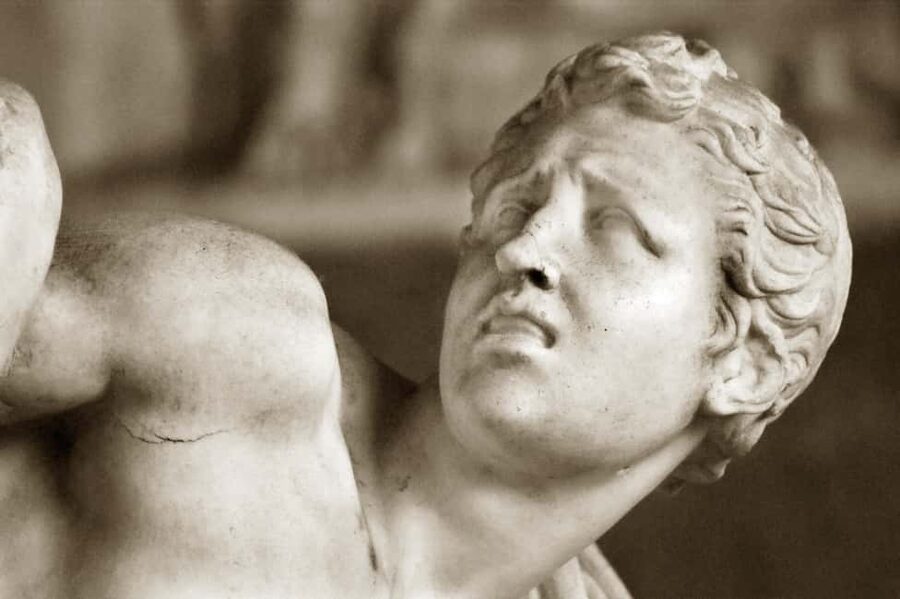
These statues work even if you’re not an “art buff.” Why? Because they’re built to catch your eye from a few steps away, and they reward a slower gaze up close. The Belvedere Torso is famous for form—no need to know the backstory to feel why artists studied it. Laocoön has that dramatic intensity that pulls you in fast.
Practical note: the tour doesn’t promise you unlimited time at every sculpture. So if you’re the type who can get fixated for 30 minutes, try to balance your attention. Take a minute for the wide view, then a minute for the details. You’ll get more out of the day that way.
Raphael Rooms and the Borgia Apartment: Art With a Timeline
After the museums core, the tour shifts into spaces that feel more like walking through a curated story than moving room to room.
Raphael Rooms: why this is the calm before the Sistine storm
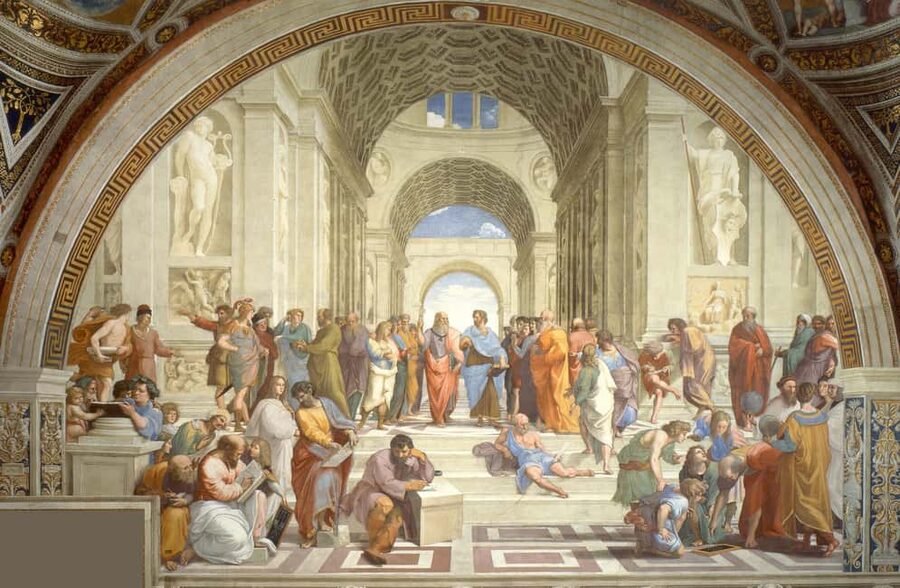
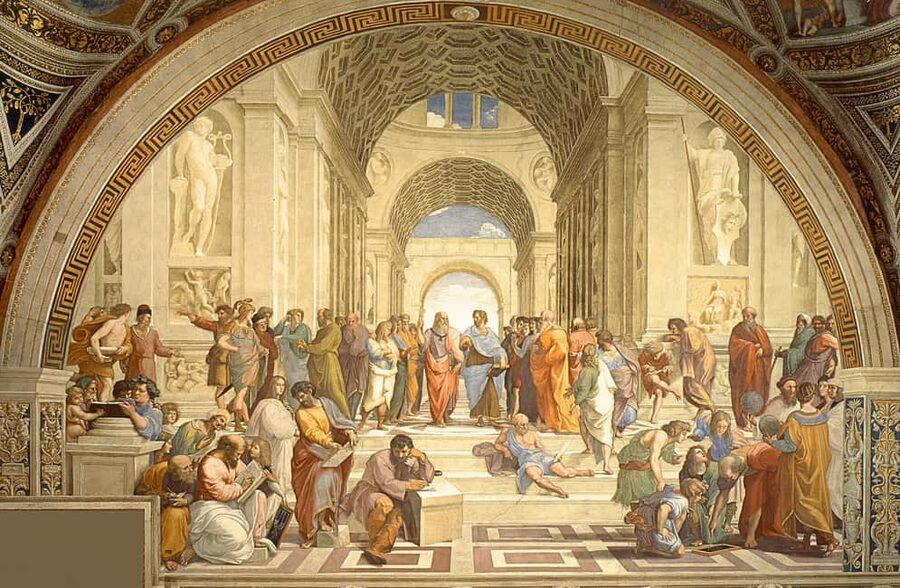
Your stop at the Raphael Rooms is a major art highlight. What makes this area click is that you get guidance on how the paintings connect to the people and ideas behind them. It’s not just “nice art.” You start to notice patterns, themes, and how the Vatican used visual design to communicate authority.
In feedback, guides are consistently praised for making complex art understandable. That’s exactly what you want here. With the right explanation, you’ll start seeing the paintings as messages, not decoration.
Borgia Apartment: darker moods, palace drama
Then you move to the Borgia Apartment. This tends to feel different in tone—more political, more charged. If you like art that hints at power struggles, it’s the kind of stop that makes you pay attention to symbolism and composition.
The tour pacing stays efficient, but because you’re still in a guided flow, you’re less likely to feel like you’re just passing through rooms without a plan.
Greek Cross Room and Old Papal Apartments: Architecture that tells you where to look
You’ll also pass through highlighted museum spaces that shape your sense of the Vatican as a machine for art and meaning. Included stops reference architectural and curated areas such as the Greek Cross Room and Old Papal Apartments.
Old Papal Apartments are valuable because they connect the art to lived history—this is where ceremony and governance lived alongside visual culture. Even if you can’t read every symbol, the atmosphere is a cue: you’re seeing how centuries of leaders used space and art as messaging.
If you’re a first-timer, this is also one of your chances to orient yourself. The Vatican can feel overwhelming because it’s both a museum and a working religious center. Rooms like these help you understand the layout and why the tour route makes sense.
Sistine Chapel: 20 Minutes to See What Everyone Comes For
Your guided time in the Sistine Chapel is about 20 minutes. That’s not a long time—so you need to use it well.
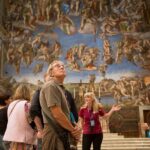
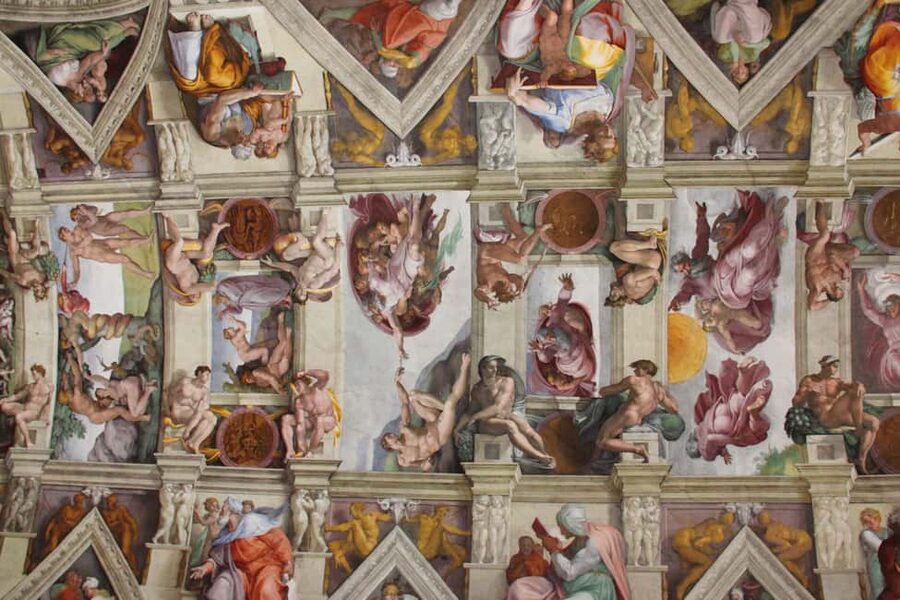
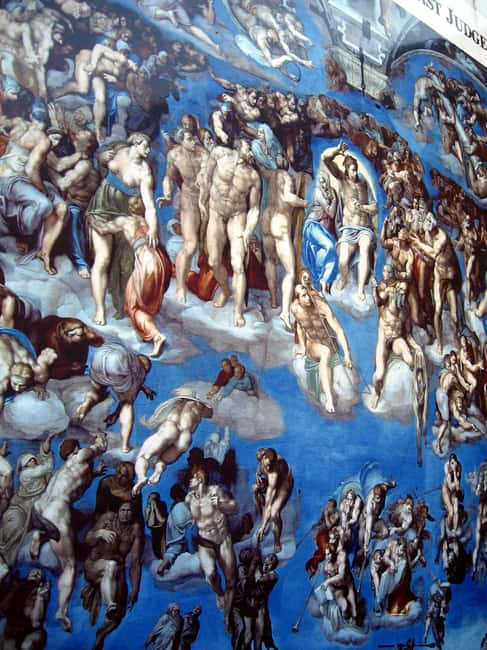
Michelangelo’s work is the headline, and the tour guides you to the scenes most visitors consider essential, including Creation of Adam and the Last Judgment. This is one of those rooms where the first view can be emotional, but the second view is when meaning starts landing.
Here’s how I’d approach it:
- Look up first, just to take in scale.
- Then let the guide’s points guide your next glance.
- Don’t try to memorize everything. In 20 minutes, your goal is to leave with a clear “what you saw and why it matters.”
Important: flash photography isn’t allowed. Also, plan your clothing so you don’t spend the whole chapel visit adjusting straps and hems. The rules are part of the experience—Rome expects you to dress like you’re entering a sacred space.
The Once-in-a-Lifetime Timing Claim (and how to think about it)
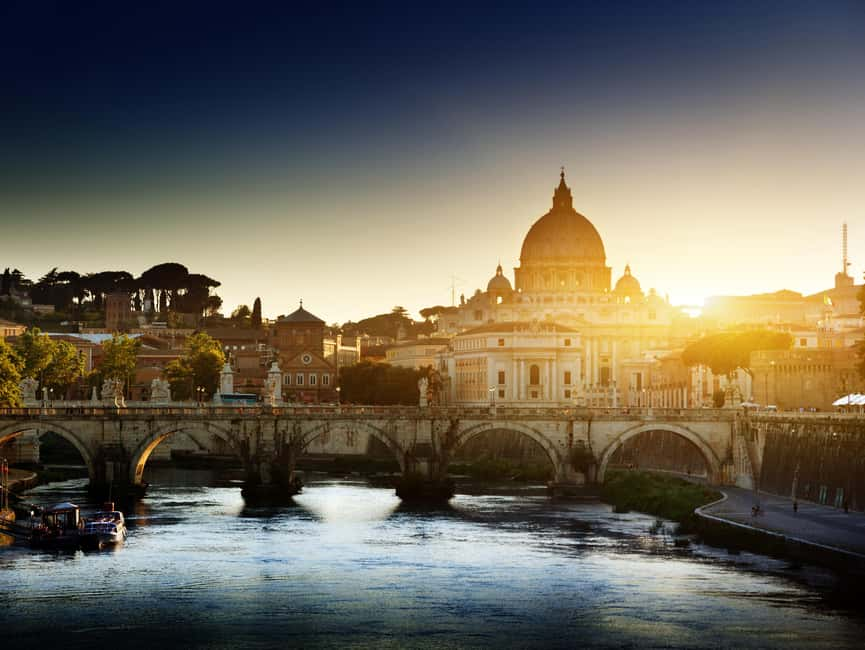
One included note emphasizes the idea of visiting the Vatican soon after a papal election. That’s a timing hook that can make the whole day feel unusually significant.
Still, be realistic. That moment in history is not something you control. What you can control is how you use your time once you’re inside. So regardless of the calendar, the practical value here stays the same: priority access, guided interpretation, and a tight route that hits the big visual names.
Price and Value: Is $101.36 a Good Deal?
At $101.36 per person for about 3 hours, you’re paying for three things:
1) Time savings (priority entry and a separate entrance),
2) A guided route through high-demand rooms, and
3) A small group setup that improves how much you understand without needing to do museum research yourself.
If you were to try to build this day on your own, you’d likely face the hardest parts: figuring out where to go, figuring out what to look at first, and dealing with waiting. The guide helps with all three, and small groups make it easier to actually hear explanations.
So is it “cheap”? No. But if you hate line-waiting and you want a meaningful first Vatican visit, this price starts to look fair. The value is strongest for first-timers and people who have limited time in Rome.
Who This Tour Fits Best (and who should choose another style)
This tour is a strong match if:
- You want a first-time Vatican visit with the right highlights.
- You’re not trying to “see everything,” but you do want to understand what you’re looking at.
- You like guided pacing and you want help picking the best things to focus on.
- You’re traveling as a couple or small group and you appreciate space to move.
Based on the provided rules, it’s not suitable for people with mobility impairments and not suitable for wheelchair users. The meeting point is at stairs, and the Vatican environment generally isn’t forgiving.
If you’re extremely sensitive to crowd levels or you need lots of quiet time alone, you may find a guided group format tiring. But for most people, the small-group approach is exactly what makes the Vatican feel manageable.
A Few Real-World Tips to Make Your Day Smoother
- Wear shoes that can handle lots of walking. Comfortable shoes aren’t optional here.
- Dress for Vatican rules before you leave your hotel: no shorts, no sleeveless tops, and no short skirts.
- Bring your ID or passport. Security and entry checks are part of the rhythm.
- If you’re relying on hearing the guide, this type of tour can be helped by small radios in crowded areas, which some participants mentioned. Don’t be afraid to ask your guide what setup you’ll use.
- Take photos where allowed, but remember flash photography is prohibited.
Should You Book This Vatican Museums and Sistine Chapel Tour?
I think you should book this tour if you want the Vatican’s biggest hits in a focused, organized day—especially if you’re short on time in Rome and you don’t want to guess your way through museums.
It’s a smart choice when you value priority entry and you want an expert to point your attention at the pieces that matter most: the Gallery of Maps, the major sculpture moments like Belvedere Torso and Laocoön, then a guided Sistine Chapel experience with Michelangelo’s key scenes.
I’d skip it and look for a different format if mobility is an issue, or if you need a slower, more self-directed pace with lots of extra time per room. For everyone else, this is one of the most practical ways to see the Vatican without turning your day into a line-standing contest.
FAQ
How long is the Rome: Vatican Museums and Sistine Chapel guided tour?
The duration is about 3 hours.
How large is the small group?
The group is limited to a maximum of 10 participants.
Where do we meet for the tour?
You meet at Via Tunisi 4, 00192, Roma. The guide is at the very bottom of the stairs, looking for Maximus Tours.
What parts of the Vatican are included in the guided experience?
The tour includes the Vatican Museums, Sistine Chapel, Raphael Rooms, and Old Papal Apartments, with guided stops that cover areas such as the Gallery of Maps and Gallery of Tapestries.
Do we get priority entry and skip the line?
Yes. The tour includes priority entrance into all sites and skip-the-line access through a separate entrance.
Is food and drinks included?
No, food and drinks are not included.
What should I bring?
Bring a passport or ID card and wear comfortable shoes.
What is not allowed during the tour?
Shorts, short skirts, sleeveless shirts, weapons or sharp objects, luggage or large bags, and flash photography are not allowed.
Is this tour suitable for wheelchair users?
No. It is not suitable for wheelchair users.
Are there any special rules for visitors with certified invalidity?
Disabled visitors with certified invalidity of more than 74% are granted free entry, and you’re asked to notify in advance when booking.