REVIEW · LUCERNE
Lucerne Swiss Museum of Transport Entrance Ticket
Book on Viator →Operated by Swiss Museum of Transport · Bookable on Viator
A transport museum in one big indoor building beats most plans. With a prebooked entrance ticket, you should spend less time hunting for access and more time playing with exhibits.
Two things I like right away: it’s built for all ages, and the museum lets you go at your own pace.
I especially love how the collection jumps between transport worlds, from aviation and trains to cars and ships. It’s also a smart choice when the weather turns, because much of the experience stays indoors.
One thing to consider: at least some areas can run hot. One review specifically called out warm conditions and uncomfortable heat on the 2nd floor, and that can cut your day short.
In This Review
- Quick takeaways
- A Lucerne day that stays interesting for hours
- Ticket value: what’s included, what costs extra
- Plan your day: hours, timing, and pacing without stress
- Museum of Transport basics: what the building is really like
- Aviation Hall and flight simulators: where the wow-factor lives
- Rail Transport Hall: steam, models, and control-table thinking
- Road Transport Hall: iconic cars and a crash-test moment
- Navigation Hall, i-factory, and the Swissarena photo-room
- How the planetarium and Filmtheatre fit your visit
- For families: keeping everyone happy in one big day
- Logistics and comfort: what to watch before you commit
- Accessibility and getting there: simple, not complicated
- Who should book this transport museum ticket
- Should you book? My straightforward take
- FAQ
- How long should I plan to spend at the Swiss Museum of Transport?
- What is included with the entrance ticket?
- Are the planetarium and Filmtheatre included?
- Is the museum suitable for rainy weather?
- What are the opening hours in 2026?
- Can I get a refund if I change my plans?
Quick takeaways
- Guaranteed entry via prebooked tickets helps you keep your day moving
- Explore at your own pace with no fixed schedule
- Fully indoor, interactive halls make it a solid rainy-day plan
- Hands-on simulators include aviation and train-control experiences
- Optional add-ons like the planetarium can increase value
- Crowds and heat are real variables on certain days, so plan flex time
A Lucerne day that stays interesting for hours
The Swiss Museum of Transport is the kind of place where you look up and realize time has vanished. It covers how people move through the world—rail, air, space, road, and water—using interactive displays instead of just glass cases.
What makes it work in Lucerne is the range. You can be a car person, a train nerd, a kid who wants simulators, or an adult who just likes clever tech, and you’ll still find something that grabs you.
If you’re visiting with mixed ages, this layout helps. Kids can bounce between play zones and vehicles, while adults can slow down and read the story behind the machines.
A few more Lucerne tours and experiences worth a look

Ticket value: what’s included, what costs extra
Your entrance ticket is priced at $46.23 per person and is designed for a long visit. Many people don’t need the full time, but having access for as long as you want is the point.
Included with your ticket:
- Access to permanent and temporary exhibitions
- Entry to the museum’s key transport exhibition areas
Not included (these are separate add-ons):
- Filmtheatre
- Planetarium
- Swiss Chocolate Adventure
- Food and drinks (unless a specific option is offered)
Here’s how I’d think about value. If you plan to do the core transport halls—aviation, rail, road, navigation, and the tech exhibits—you’ll likely feel the ticket was worth it. If you also want the planetarium dome show and the Filmtheatre screens, factor those costs in ahead of time.
One nice detail: there’s optional discounted planetarium access listed with the experience. If astronomy is your thing, that can be a good way to add one “show” without feeling like every extra costs full price.
Plan your day: hours, timing, and pacing without stress
The museum’s hours in 2026 are 10:00 AM to 5:00 PM every day (Monday through Sunday). So your visit window is clear: you can do a late morning start and still have time to wander.
The experience is listed at about 8 hours. In real life, that might mean you’ll take breaks, watch simulators, and go back for a second look at a hall that pulled you in.
A practical tip: if you want a calmer visit, arrive earlier in the day. If you’re more interested in photos and slow wandering, earlier still helps. If your goal is just hands-on fun, you can also sprint—just expect some exhibits to be busy.
Prebooking is recommended in general, and this one averages booking about 15 days in advance. I’d follow that rhythm. Popular dates tend to fill, and prebooking removes the “did we wait too long” stress.
Museum of Transport basics: what the building is really like
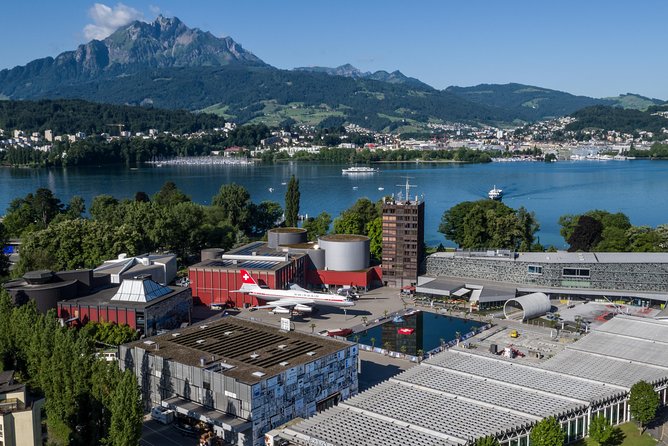
This is not a small museum you can casually skip through. It’s a large facility with many themed areas. You’ll move between halls that each focus on a transport world, and many displays are designed for interacting, not just observing.
You can also find outdoor fun at the museum. One review mentioned an outside themed play area for little ones. Even if you stay indoors most of the day, that outdoor zone gives families a change of pace.
Also, expect plenty of on-site conveniences. Reviews mention food vendors and even toy stores, which matters when you’re there long enough to need a snack or something to keep energy steady.
Aviation Hall and flight simulators: where the wow-factor lives
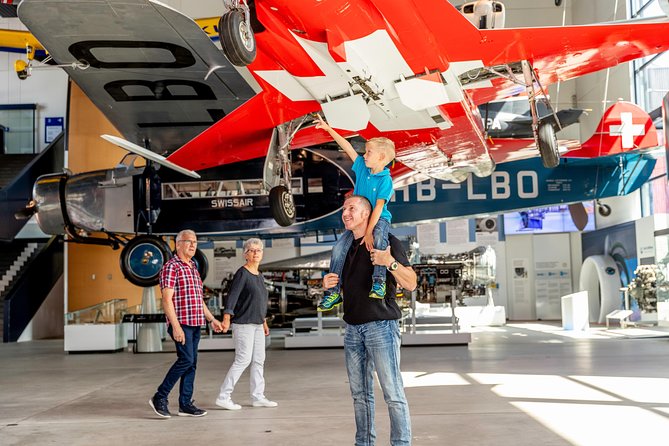
The Aviation Hall is built for hands-on curiosity. Historic flying machines and aircraft show up here, so you get both the story and the look of earlier aviation.
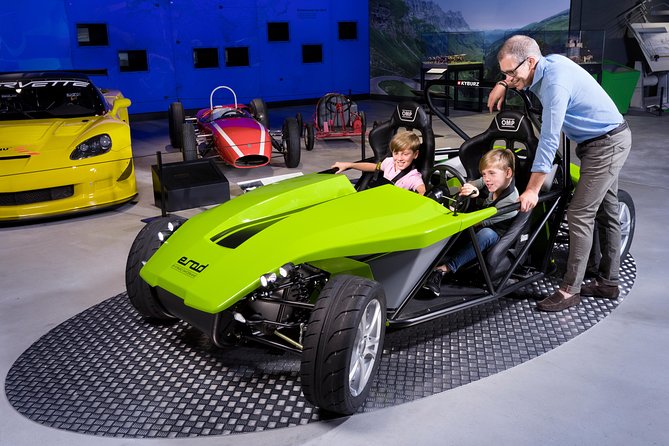
Then the experience turns practical and fun with flight simulators. The museum lets you get that rush of operating different types of vehicles, including an airplane, a helicopter, or even a hang glider simulation.
Why this matters for your day: simulators can become the anchor of your visit. Once you pick one and get a feel for it, everything else tends to click. If you’re traveling with kids, this is often the part that keeps them engaged the longest.
Rail Transport Hall: steam, models, and control-table thinking
If aviation is the spark, the Rail Transport Hall is the detail-work. You’ll find steam locomotives and model railways, which are great for slowing down and noticing how everything is built.
The best part is the interactive side. The museum offers train simulators where you can try tasks like negotiating tunnels, signals, and bridges. That’s not just play. It turns rail history into something you can feel.
I like this hall because it supports different styles of learning:
- If you want movement, try a simulator.
- If you like reading, there’s context in how rail systems evolved.
- If you’re traveling with kids, they can focus on models and interactive stations.
Road Transport Hall: iconic cars and a crash-test moment
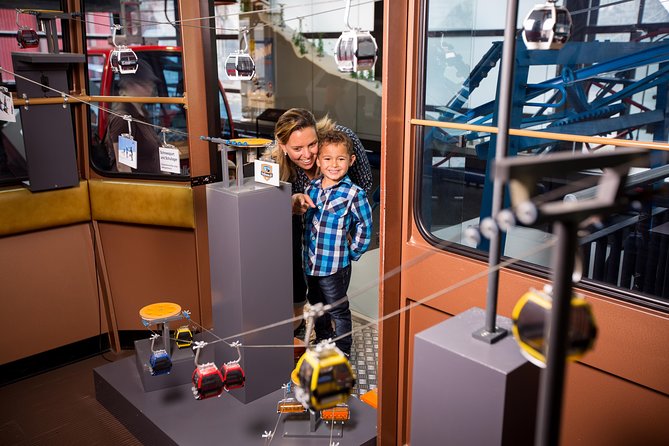
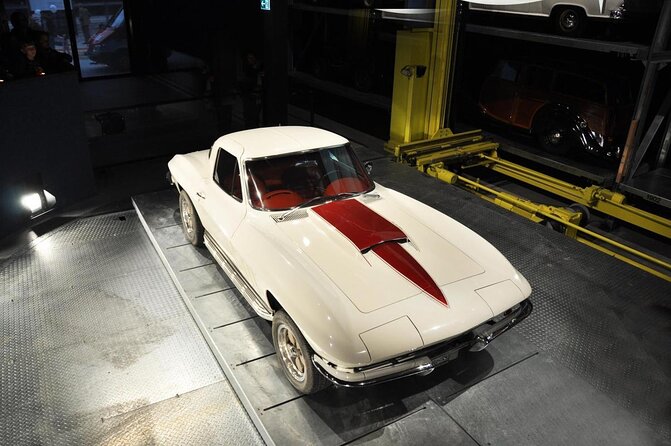
The Road Transport Hall covers automobiles and their evolution, and it also includes 20 of the world’s most iconic cars. That’s a strong draw if cars are your entry point.
There’s also a memorable interactive exhibit that puts you in the role of a crash-test dummy. The idea is simple: you experience a collision scenario in a way that aims to be bruise-free. It’s a great “safe thrill” that families usually enjoy.
One caution: if you’re sensitive to sudden motion or loud effects, take your time around any high-impact interactive areas. Most museums do a good job with safety, but these exhibits are still designed to feel real.
Navigation Hall, i-factory, and the Swissarena photo-room
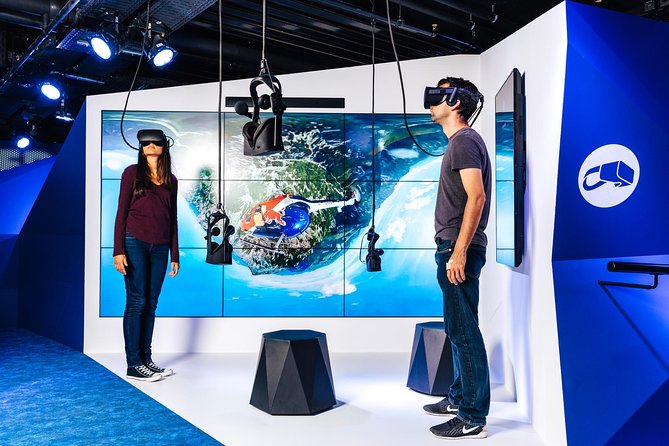
Not every transport museum includes tech and systems. Here, you get the wider picture.
In the Navigation Hall, you’ll see seagoing displays, which helps connect transport history to how people moved across water. It’s a different mood from trains and cars, and that variety helps you keep momentum through the day.
Then there’s the i-factory, focused on information technology. This is where the museum shifts from vehicles to the systems that support modern movement and communication. If you enjoy the “how things work” angle, this can feel more relevant than you expect.
And don’t miss the Swissarena. It’s described as a one-of-a-kind aerial photo of Switzerland that takes up an entire room. Think of it as your big “set piece” stop—something visual that resets your brain between hands-on halls.
How the planetarium and Filmtheatre fit your visit
Your entrance ticket includes the museum exhibitions, but the planetarium and Filmtheatre are listed as not included. That means you’ll want to decide whether you’re adding time and cost.
When to add them:
- If you want a break from mechanical exhibits and want a sit-down show, the planetarium can work well.
- If you’re into 3D or HD film-style storytelling, the Filmtheatre is your option.
Since the planetarium is described as optional with discounted access, that’s your clue: if the schedule lines up and you’re not already worn out, add it. If you’re traveling with younger kids, a shorter show might help you pace the day better than another hall of standing and walking.
For families: keeping everyone happy in one big day
This museum is genuinely built for mixed ages. Reviews highlight that it’s suitable for kids and adults, with plenty to do and plenty of visual variety.
Here’s a practical way to keep the day from turning into a “we’re stuck indoors with a grumpy kid” situation:
- Start with the simulator areas early, while energy is high.
- Mix one vehicle hall with one tech/experience hall so your group doesn’t get “vehicle fatigue.”
- Plan a snack break around the time you’d normally lose focus.
One review also praised the availability of food vendors and toy stores. That’s more than a convenience detail. When you can buy a snack nearby and avoid long detours, the museum stays fun longer.
For teens and older kids, the car and aviation zones tend to work well. For younger children, the hall layouts plus the outdoor play area help them reset.
Logistics and comfort: what to watch before you commit
Let’s talk about two issues that can affect your comfort.
First is temperature. One review complained that the museum lacked working A/C and that the 2nd floor felt unbearably warm, causing them to leave before seeing everything. I can’t verify conditions for every day, but I’d treat this as a real possibility. If you’re visiting in warmer months, bring light layers and be ready to take breaks.
Second is crowding and closures. One review described that some areas or attractions were closed due to maintenance, and another complained about too many visitors where tickets couldn’t be used as expected. You can’t fully eliminate those risks, but you can reduce them by going earlier in the day and keeping one flexible plan if an area is temporarily shut.
Also note a small but important detail: even with a reservation, at least one review said they still had to go through the biglietteria to pick up tickets. That doesn’t mean it’s slow every time, but it’s smart to budget a few minutes for that step.
Accessibility and getting there: simple, not complicated
You’re told the museum is near public transportation, which matters in Lucerne where parking can be its own puzzle. Service animals are allowed, and the experience notes that most people can participate.
As with any large museum, the biggest “access” factor is usually how much walking you plan to do inside and between halls. If you’re bringing someone with mobility needs, it helps to pace yourself and plan for frequent pauses, especially around simulator lines.
Who should book this transport museum ticket
This ticket makes the most sense if you want:
- One destination that covers rail, aviation, road, and water themes
- Hands-on exhibits, not just a passive museum visit
- A rainy-day-friendly indoor plan that still feels playful
- A flexible schedule where you don’t have to hit fixed tour stops
It may be less ideal if:
- Heat discomfort would ruin your day (given the A/C complaint)
- You hate crowds and need quiet, early-entry conditions
- You only want a short visit and don’t care about simulators or multiple halls
Should you book? My straightforward take
I’d book this ticket if your goal is a full, varied day inside one museum with lots to touch, try, and watch. The value is strongest when you commit to the core exhibition halls that are included, especially the Aviation Hall simulators, the Rail Transport Hall interactive train areas, and the Road Transport Hall with its iconic cars.
I’d hesitate only if you know you’re sensitive to warm indoor spaces, or if you’re the type who gets annoyed by crowds and small logistical steps like ticket pickup.
If you’re traveling with kids, teens, or anyone who likes “test-it-yourself” exhibits, this is exactly the kind of place that turns a museum day into something closer to an activity day.
FAQ
How long should I plan to spend at the Swiss Museum of Transport?
The experience is listed at about 8 hours, but many people find 2–3 hours in the museum is enough. If you want simulators and extra time in multiple halls, plan closer to half or full-day time.
What is included with the entrance ticket?
Your ticket includes access to the museum’s permanent and temporary exhibitions. It covers the main transport exhibition areas inside the museum.
Are the planetarium and Filmtheatre included?
No. Planetarium access and the Filmtheatre are listed as not included. There is also mention of optional discounted planetarium access, which can add value if you want that show.
Is the museum suitable for rainy weather?
Yes. The experience is described as fully indoor, with interactive exhibits, so it works well on rainy or unpredictable weather days.
What are the opening hours in 2026?
For 2026, the museum is open 10:00 AM to 5:00 PM, Monday through Sunday.
Can I get a refund if I change my plans?
Yes. The experience offers free cancellation up to 24 hours in advance for a full refund.