REVIEW · ROME
VIP Vatican Museums: Sistine Chapel Afterhours Private Tour
Book on Viator →Operated by Eyes of Rome · Bookable on Viator
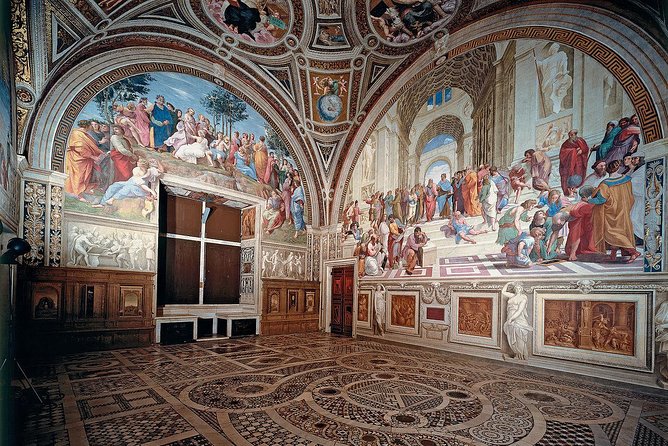
The Vatican after dark is a different planet. This VIP after-hours private tour lets you see the Museums once most people have gone home, with your official guide steering the story. I really love the calm you get in famous rooms like the Raphael areas, and I like that the route is timed so the art feels less like a crowd-control test. One thing to plan for: the Sistine Chapel has a strict no-photos rule, so you’ll want to be ready to just look.
You start with hotel pickup in Rome’s historical center, then step into the Museums with a mobile ticket and a guide who helps you focus on what matters. The payoff is not only the big names (Raphael, Michelangelo, Botticelli), but also the quieter “wait, what am I standing in front of?” moments—like the huge ancient sculptures and the map gallery.
The tour runs about 2 hours, so it’s not a slow, wander-at-will day. Think focused, guided, and high impact.
In This Review
- Key highlights worth caring about
- Entering the Vatican Museums after closing time
- Hotel pickup and the smooth start in Rome
- Cortile del Belvedere: the calm Renaissance courtyard moment
- Cortile della Pigna: face-to-face with the Bronze Pinecone
- Laocoön and His Sons: the classical sculpture that shaped later art
- Gallery of Tapestries: woven storytelling you can actually see
- Gallery of Maps: where scale and imagination meet
- Raphael Rooms: paintings you understand faster with guidance
- Sistine Chapel after-hours: silence, symbolism, and the photo ban
- How you’ll leave: Vatican Library and the double spiral staircase
- Dress code, no-food rules, and what to carry
- Is the price worth it for a 2-hour private Vatican night tour?
- Who this tour fits best
- Should you book this after-hours Vatican private tour?
- FAQ
- How long is the VIP Vatican Museums and Sistine Chapel after-hours tour?
- Where does the tour start, and is hotel pickup included?
- What’s included in the tour?
- Is St. Peter’s Basilica included?
- Do I need to follow a dress code?
- Can I take photos inside the Sistine Chapel?
- Are food and drinks allowed during the tour?
- How many people are on the tour?
- What is the cancellation policy?
Key highlights worth caring about
- After-hours access means fewer people in the rooms that usually feel packed
- Sistine Chapel time lets you pause in a way that’s hard during peak hours
- Raphael Rooms plus Michelangelo’s frescoes in one logical path
- Big-stakes classics like Laocoön and His Sons, plus Perugino and Botticelli
- Exit through the Vatican Library and double spiral staircase for a memorable finish
- Hotel transfers included so you don’t spend your energy figuring logistics
Entering the Vatican Museums after closing time
Most first-timers hit the Vatican Museums when the big tour lines are already forming. This experience flips that timing. You go in when the public has left, so you get more breathing room in the spaces that normally force you to shuffle forward. That changes how you see everything: you can actually look at faces, details in ceilings, and sculpture expressions without someone constantly tapping your shoulder.
The second big win is that you’re not trying to “figure it out” alone. A private guide helps you connect dots across rooms. You’ll move from classical sculpture settings into painting-heavy areas, and it becomes easier to understand why certain artworks were collected, staged, and displayed the way they were.
Two practical notes matter for your expectations. First, the tour is short (about 2 hours), so you’ll be moving with purpose. Second, you’re moving through places of worship standards, so your clothing and behavior need to match that setting.
You can also read our reviews of more private tours in Rome
Hotel pickup and the smooth start in Rome
This tour includes private transfers from and back to your hotel (or a preferred city-center location). That’s not just convenience; it also reduces stress right at the moment you most need focus. The Vatican area can be confusing, and you don’t want to lose time hunting for the right entrance or figuring out transport once you’re already dressed for museum conditions.
In practice, the best private-guide tours feel “organized behind the scenes.” Multiple guides associated with this kind of Vatican service are praised for English skills, prompt hotel arrivals, and moving efficiently through entrance procedures. If you’re the kind of traveler who hates wasting time in lines, this structure is built for you.
Also, keep an eye on communication from the provider. The schedule can shift around major events. You’ll want to read any messages about possible changes due to the Jubilee—some monuments may be under restoration or closed during extraordinary celebrations.
Cortile del Belvedere: the calm Renaissance courtyard moment
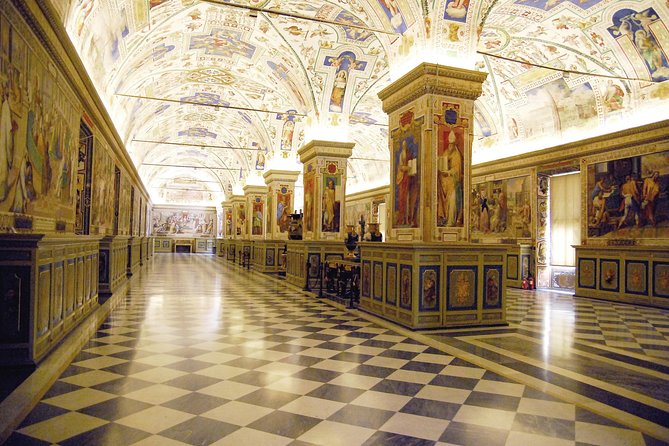
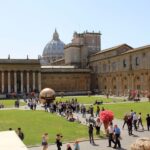
Your route begins with the Cortile del Belvedere. This is one of those early stops where the architecture helps reset your brain. You’re not rushing into a picture-perfect gallery right away. Instead, you step into a Renaissance courtyard designed by Bramante, and you get a clean sense of scale.
What makes this stop worthwhile is how it sets context. The Vatican Museums aren’t just a warehouse of masterpieces. They’re an environment shaped by planning, design, and display. In a quiet courtyard, you can appreciate the symmetry and the “stage-like” layout that influenced papal ceremonies and artistic inspiration.
Time here is short—about 10 minutes—so don’t expect a long sit. But do stand still for a moment and look around before you move on. That small habit helps you feel the space, not just pass through it.
Cortile della Pigna: face-to-face with the Bronze Pinecone
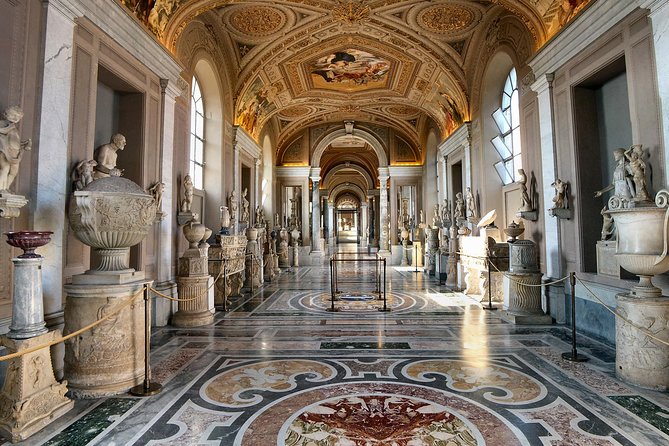
Next is the Cortile della Pigna, featuring the huge Bronze Pinecone. It sounds odd until you’re in front of it. Then it becomes one of those objects that makes you stop and ask yourself why this is here, how it survived, and how it became part of the Vatican’s collection identity.
This stop gives you a rare benefit: with after-hours timing, the area feels much less crowded. That matters because it’s hard to appreciate the scale of an ancient sculpture when you’re squeezed into a human bottleneck.
This is about 15 minutes, and it’s a great breather between heavier galleries. Look for the way your perspective changes as you walk around the courtyard edges. You’ll start to feel how the Vatican Museums route is built to alternate energy levels: pause, watch, then go again.
Laocoön and His Sons: the classical sculpture that shaped later art
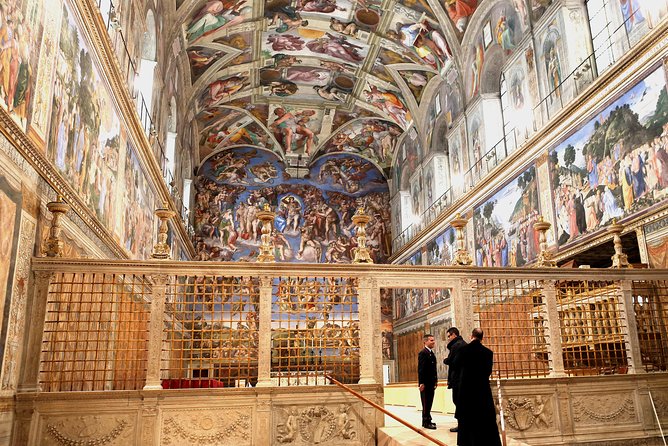
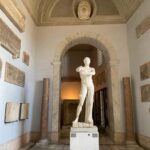
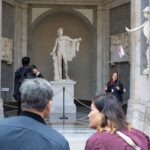
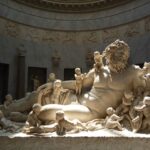
Then you hit the Laocoön area in the heart of the Vatican’s classical sculpture collection. You’ll see the Laocoön Group, a dramatic masterpiece that influenced Michelangelo. This is one of those “art history in stone” moments: Renaissance artists didn’t just admire the past; they studied it, adapted it, and built on it.
The quiet advantage here is huge. In peak hours, sculpture courts can become crowded and echoing, which makes it difficult to actually read poses and expressions. After-hours access gives you a better chance to notice the emotional force of the scene—the twisting bodies, the tension, the sense of movement frozen in bronze-cold form.
Plan on about 15 minutes here. It’s enough time to orient yourself. If you’re serious about art, bring a mental checklist: posture, facial tension, and how the figures interact. Your guide can connect what you’re seeing to the later paintings you’ll see in the following rooms.
A few more Rome tours and experiences worth a look

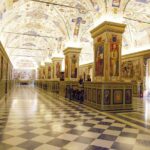

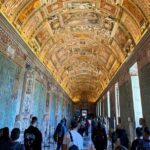
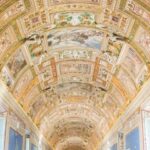
Gallery of Tapestries: woven storytelling you can actually see
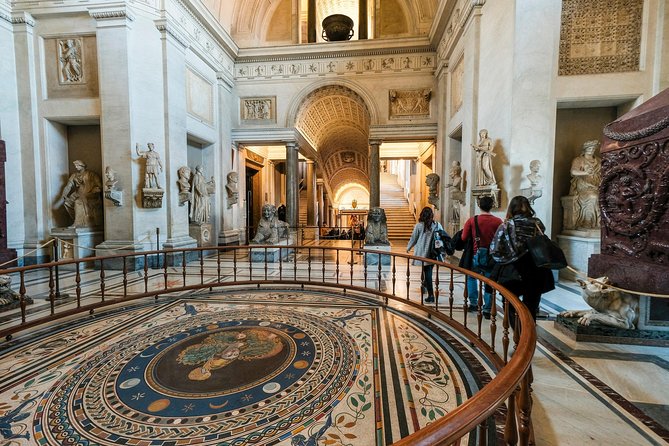
The Galleria degli Arazzi (Gallery of Tapestries) comes next. These works depict biblical and historical scenes. In a normal daytime visit, you might spend most of your time looking at the backs of other visitors. Here, you get more space to actually focus on the craftsmanship—texture, composition, and the fine work that goes into weaving narratives.
The stop is listed at 15 minutes, and it’s easy to underestimate how much detail fits into that time. If you want the best value, don’t try to look at every square inch. Instead, pick one tapestry scene and spend your time reading it like a story: characters, setting, and action.
It’s also a mental shift. Sculpture is about volume and space. Tapestries are about surfaces and images. The after-hours calm makes that shift feel less rushed.
Gallery of Maps: where scale and imagination meet
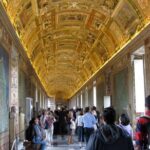
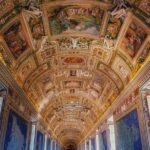
Now you walk into the Galleria delle Mappe, the Gallery of Maps. It’s basically a long corridor lined with large-scale frescoes showing Italy’s geography. The famous part is scale, but the powerful part is how art becomes information.
This stop is about 20 minutes, and you’ll likely find yourself slowing down without being told. The maps are colorful and detailed, and they’re not simply “decor.” They show how people thought about place, power, and knowledge during the Renaissance.
One tip: stand back for a minute. Then step closer. You’ll see how the same fresco looks like architecture and artwork at distance, but reads like a designed document up close. Your guide can connect what you’re seeing to the broader Vatican worldview.
Raphael Rooms: paintings you understand faster with guidance
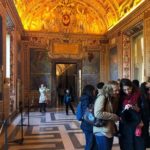
After the maps, you head toward the Raphael Rooms. These are major stops for anyone who loves painting, but they’re also where a guided explanation can change everything.
In the Raphael areas, you’re looking at composition, symbolism, and the way Raphael’s style was built for clarity and storytelling. Without context, you might recognize the name and admire the technique. With context, you start noticing how ideas are arranged—what each figure or scene is meant to communicate.
The key value here is pacing. You’re still within an after-hours schedule, so you can linger without feeling like you’re fighting the crowd. It’s also part of why the tour feels efficient: you’re moving in an order that builds understanding.
Sistine Chapel after-hours: silence, symbolism, and the photo ban
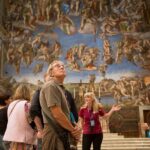
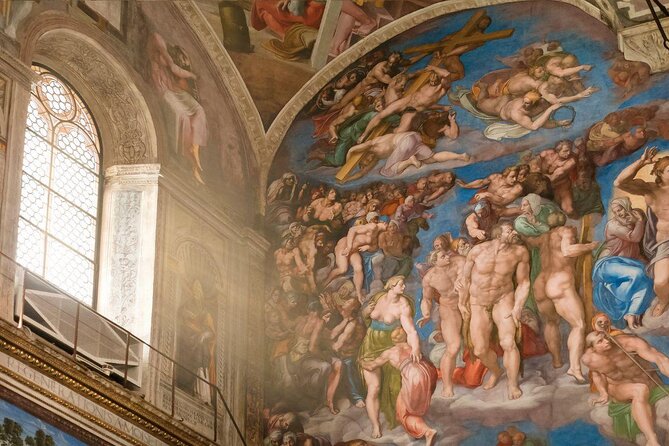
Finally, you enter the Sistine Chapel. The experience is the obvious headline, but the details are what make it special. You’ll hear about symbolism in Michelangelo’s famous frescoes, including The Creation of Adam and The Last Judgment.
Here’s your big planning point: pictures are strictly forbidden inside the Sistine Chapel. That means your phone won’t be your memory. I suggest you treat this like a slow viewing session. Let your eyes move. Take in the ceiling sections one cluster at a time rather than trying to swallow everything at once.
The tour gives you about 15 minutes in the chapel. That’s not “hours of free time,” but it’s long enough to do something meaningful: sit, look, and think. The chapel is a holy space, and the experience encourages quiet reflection—meditate, pray, or simply pause.
If you’re the kind of person who needs to capture everything, this is the moment to adjust your expectations. The value comes from being present, not from collecting photos.
How you’ll leave: Vatican Library and the double spiral staircase
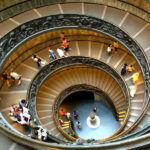
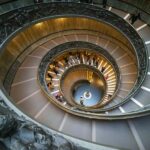
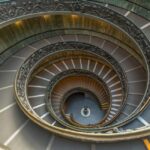
After the Sistine Chapel, you exit through the Vatican Library and down the double spiral staircase. This is a quietly brilliant ending. The exit path is part of the drama: you come out of a world-famous sacred room and step into a different kind of atmosphere—one linked to learning and archives.
The double spiral staircase is a visual experience even if you only look for a minute. It’s the kind of structural detail that makes the Vatican feel like a designed system, not just a collection of rooms.
It’s also practical. Ending with a defined exit route helps keep the flow smooth, and then you’re back to your hotel drop-off.
Dress code, no-food rules, and what to carry
Because you’re entering places of worship and select museums, a dress code is required. The exact rules are listed in the voucher, so don’t guess. When in doubt: shoulders covered, no overly short shorts, and clothing that doesn’t look like a beach day got converted into museum time.
Also, food and drinks are not allowed inside each attraction. That’s typical for the Vatican, but you should plan for it. Bring water for outside use if allowed by your local habits, and time your meals so you’re not hungry during your chapel moment.
Finally, remember the schedule is tight. Bring only what you need. If you carry a big bag, it can slow you down when it’s time to move through controlled spaces.
Is the price worth it for a 2-hour private Vatican night tour?
At $5,703.79 per person, this is not a casual splurge. The real question is what you get for that kind of money.
You’re paying for three things that stack up:
- After-hours access to some of the most crowded rooms, which changes your viewing experience
- An official private guide, meaning you get interpretation and fewer wasted minutes
- Hotel transfers, so you’re not stressed on logistics while trying to enjoy art
If your budget can handle it, this tour can be a high-value way to do the Vatican without spending your day in a human traffic jam. You also get the benefit of a route that focuses on major highlights rather than making you hunt them down yourself.
If you’re traveling solo on a tight budget, the cost will likely feel hard to justify. But if you’re a couple celebrating something big, a small family who wants kids to enjoy the story without chaos, or art lovers who know you’ll remember the difference between “seeing” and “understanding,” it can make sense.
Who this tour fits best
This works well for:
- People who hate crowds and want a calmer Sistine Chapel visit
- Art-minded travelers who want names, symbols, and connections explained clearly
- Travelers who value hotel pickup and drop-off
- Couples and small groups (minimum 2 people is required)
It may be less ideal if:
- You want a long, slow museum day (this is about 2 hours)
- You’re hoping to stop at St. Peter’s Basilica on this same outing (it’s not included)
Should you book this after-hours Vatican private tour?
If you have the budget, I’d book it—especially if the Vatican is a top priority. After-hours access turns the experience from frantic sightseeing into actual looking. Add a private guide and a simple transfer plan, and you get a day’s worth of meaning compressed into a short visit.
If $5,703.79 per person makes you wince, treat this as your “once in a lifetime, do it right” option. Compare it to other Vatican tour formats by asking one question: do you want to spend your time fighting crowds, or do you want to spend it studying art?
For the right travelers, this is one of the cleanest ways to see the Vatican’s biggest hits with peace, structure, and a guide to make it stick.
FAQ
How long is the VIP Vatican Museums and Sistine Chapel after-hours tour?
The duration is approximately 2 hours.
Where does the tour start, and is hotel pickup included?
Hotel pickup is offered within Rome’s historical center, and private transfers from and to your hotel are included.
What’s included in the tour?
You get VIP after-hours exclusive access to the Vatican Museums, an official private guide, and private transfers.
Is St. Peter’s Basilica included?
No. A visit to St. Peter’s Basilica is not included.
Do I need to follow a dress code?
Yes. A dress code is required for entry to places of worship and select museums. Check your voucher details.
Can I take photos inside the Sistine Chapel?
No. Pictures are strictly forbidden inside the Sistine Chapel.
Are food and drinks allowed during the tour?
Food and drinks are not allowed inside each attraction.
How many people are on the tour?
This is a private tour/activity, and only your group participates. A minimum of 2 people per booking is required.
What is the cancellation policy?
The experience is non-refundable and cannot be changed for any reason. If you cancel or ask for an amendment, the amount paid is not refunded.