REVIEW · ZAGREB
Zagreb: Skip-the-Ticket-Line Museum of Broken Relationships
Book on GetYourGuide →Operated by Mbr kolektiv d.o.o. · Bookable on GetYourGuide
Heartbreak turned into art in Zagreb. The Museum of Broken Relationships mixes everyday objects with anonymous stories of love and loss, creating an experience that feels personal even when no one’s name is attached.
I especially like how each display pairs a physical memento with a real emotional backstory, which makes it more than a theme. I also like the skip-the-ticket-line entry, which helps you start reading right away instead of losing time to queues.
One thing to consider: this museum is mostly reading, and it’s intentionally emotional, so if you want a light, fast stop, you may find it heavier than expected.
In This Review
- Key things to know before you go
- Museum of Broken Relationships in Zagreb: what makes it different
- Price, timing, and skip-the-line logistics (last entrance included)
- Inside the museum: how the objects and anonymous stories work
- Emotional range: sadness, humor, and the idea of closure
- Language and comfort tips for reading-heavy visits
- What you can and can’t bring (small but important rules)
- How long should you plan, and how to pace it without rushing
- Who should go (and who might want to skip it)
- Should you book the skip-the-line ticket for this Zagreb museum?
- FAQ
- How much is the Museum of Broken Relationships ticket?
- How long is the visit?
- Does the ticket include skip-the-line entry?
- What time is the last entrance to the exhibition?
- Is the museum wheelchair accessible?
- What languages are available for the exhibit stories?
- Are food and drinks allowed inside?
- Can I bring luggage or large bags?
- How many people are in the group?
- Can I cancel for a refund?
Key things to know before you go
- Skip-the-line entry gets you into a small museum smoothly, usually without wasting time
- Anonymous, donated objects (around 100 stories) make the heartbreak feel universal
- A mix of funny and sad moments keeps the emotion balanced instead of one-note
- You’ll read a lot at your own pace, so plan time to slow down
- The museum is wheelchair accessible and operates as a small group experience (up to 10)
Museum of Broken Relationships in Zagreb: what makes it different
Zagreb has a museum that doesn’t do the usual big-history thing. Instead, the Museum of Broken Relationships turns personal objects from broken connections into a public space for understanding loss, closure, and the stubborn human need to love.
What you see is simple: hundreds of items, each tied to a donor’s story. What makes it unusual is the framing. The contributor’s story is personal but anonymous, so you’re not being asked to judge a specific person. You’re being invited to recognize something in yourself.
I like how the museum doesn’t limit heartbreak to romance. The stories span relationships of many kinds, including family and other close bonds. That matters because most people don’t just lose partners. They also lose trust, identity, and the life they thought they’d have.
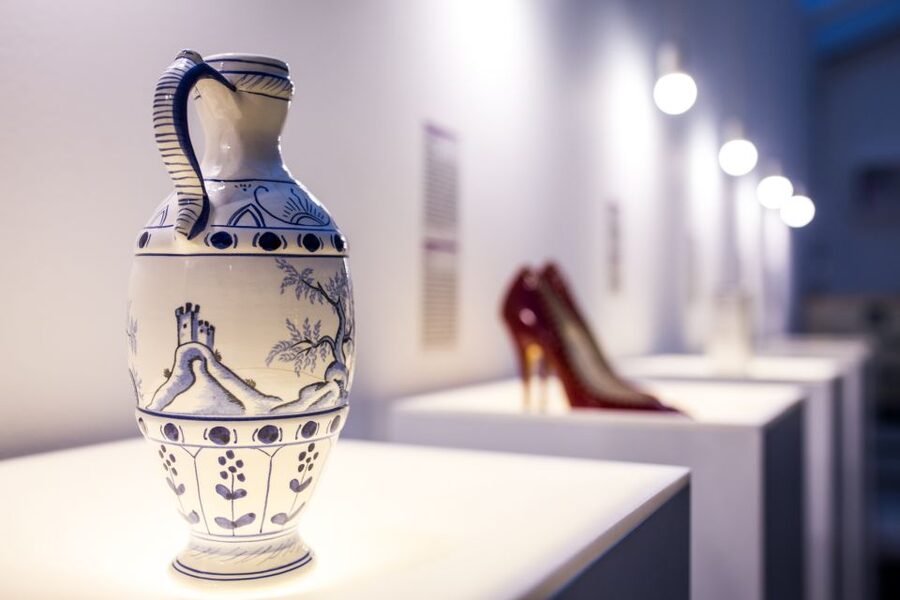
There’s also a surprising texture to it. These aren’t glossy relics. They’re everyday pieces that somehow ended up holding a whole emotional universe. That’s why the experience can feel intimate, even though you’re walking in a room with other people.
A few more Zagreb tours and experiences worth a look


Price, timing, and skip-the-line logistics (last entrance included)
Ticket price is $8 per person, which is a big part of why this feels like good value. You’re paying for something genuinely different from the usual “look, read, move on” museum formula. It’s short enough to fit almost any day in Zagreb, but it gives you enough text and emotional pacing to feel like more than a quick detour.
The museum is listed as a 1-day ticket. In practice, that means you’re tied to the day and your entry time, not a multi-day pass.
Timing is important because the museum has a cutoff for entering the exhibition:
- Summer/Fall (June 1st – Sept. 30th): last entrance 7:30 PM
- Winter/Spring (Oct. 1st – May 31st): last entrance 8:30 PM
Skip-the-line is included, and that’s the whole point: you get faster access so you can start reading sooner. That said, the museum can be quiet at times. So if you arrive during off-peak hours, you might find there’s not much of a line to skip. Even then, the advantage is still getting through smoothly and starting on time.
The group size is small (limited to 10 participants). That helps with atmosphere. You won’t feel like you’re being herded, and you’re more likely to hear your own thoughts while you read.
Inside the museum: how the objects and anonymous stories work
Think of your visit like walking through a carefully arranged set of emotional letters, artifacts, and keepsakes. The museum’s core “loop” is the same everywhere: object in front of you, story on the wall, and your job is to read slowly enough to feel the meaning.
You can expect around 100 stories, each tied to donated mementos from people around the world. That global mix is key. Heartbreak might feel private, but the museum keeps reminding you that the emotion has patterns. Different cultures, different circumstances, the same basic ache.
A helpful detail: the museum captions are in Croatian and English, and other languages are available via QR codes or booklets. So you can choose how deep you want to go. If you’re tired, you can switch to English. If you want something richer, you can scan for other languages.
The staff are friendly and there to answer questions. In at least one case, a guide named Diana is mentioned as informative and fun, which matches the overall feel: people are there to help you understand what you’re looking at without turning it into a lecture.
Also note the pacing. The museum isn’t a giant complex with endless wings. It’s built for focused reading. Many people finish in roughly 45 minutes to a bit over an hour, with some reports closer to 30 minutes if you read selectively.
Emotional range: sadness, humor, and the idea of closure
This museum is designed to land in the middle of real feelings, not in polite distance. Some objects and stories are heartbreaking in a direct way. Others are funny, sometimes even darkly funny, which is part of how it stays honest.
That mix is one of the most praised aspects. You’ll likely hit a section that makes you teary, then turn a corner and find a display that makes you laugh. The museum is basically showing how people cope. Not everyone grieves the same way. Not everyone says goodbye in the same tone.
I like that it’s not only about romance breakups. Stories tied to parents, grandparents, and close friends widen the emotional lens. If you’ve ever struggled with loss that wasn’t “a relationship status change,” you’ll probably feel seen here.
And there’s an interesting side element: the museum can include a way to leave a written message. One review mentions people sharing sweet words on a book of memories. If that option is available during your visit, it’s worth doing because it turns the experience from only absorbing into a small act of closure.
A practical thought: go with your expectations in the right place. If you’re looking for a light entertainment stop, this might not deliver. If you’re open to an empathetic, sometimes uncomfortable walk through how people deal with love and letting go, it can be surprisingly meaningful.
Language and comfort tips for reading-heavy visits
Because the museum’s power comes from text, reading comfort matters. Here are ways to make your visit smoother without turning it into work:
- Use the language options strategically. Captions are in Croatian and English, and you can get more languages via QR codes or booklets. If you’re a slower reader or you’re traveling with limited attention after a long day, start with the English captions and switch only when something really interests you.
- Bring a reading pace you can sustain. Some stories hit hard, and it’s normal to slow down. Others are short but still emotional. If you rush, you’ll miss why the place works.
- Dress for lingering. Even if the museum is compact, you might spend time in the middle reading and re-reading. Comfortable shoes help, especially since the museum doesn’t allow large bags that might get in your way.
Also, the museum is wheelchair accessible, so you’re not stuck with narrow routes. The experience is set up so that people can still follow the story flow without needing to force it.
You can also read our reviews of more museum experiences in Zagreb


What you can and can’t bring (small but important rules)
The museum is strict enough to keep the display area comfortable and safe:
- Not allowed: food and drinks
- Not allowed: luggage or large bags
That means you’ll want to travel light. If you have a big backpack, look for storage options outside the exhibition area only if the venue offers them; the data you have here doesn’t confirm storage, so plan as if you’ll need to carry minimal items.
One more detail from the experience itself: the wider museum space can include a cafe bar. Since food and drinks aren’t allowed inside the exhibition, you’ll likely want to grab a coffee after your visit rather than during.
How long should you plan, and how to pace it without rushing
Most people don’t treat this like a “see everything at all costs” museum. The right approach is to give yourself room to choose.
If you love reading, plan for about 1 hour to 1.5 hours. That fits with reports of roughly 1 hour 15 minutes in the museum. If you read selectively or you move quickly through shorter placards, you might be closer to 30 to 45 minutes.
A simple pacing strategy:
- Start at an easy section and get your rhythm.
- When you hit a story that grabs you, slow down for that one.
- Don’t force yourself to finish every display word-for-word if it’s draining you. The museum still works emotionally even if you focus on the moments that truly connect.
Because the museum is small, it also works well as a “buffer” stop. You can place it between other Zagreb plans and still have energy left.
Who should go (and who might want to skip it)
This museum is a strong match if you want:
- a unique Zagreb experience that’s not just sightseeing
- emotional storytelling tied to everyday objects
- a museum visit where reading is the main event
- a mix of sadness and humor rather than only tragedy
It might be a tougher fit if:
- you dislike reading lots of text in small spaces
- you want a purely cheerful museum day
- you prefer your emotions indirect and light
That said, the museum includes enough humor that it doesn’t feel like a single long breakup sob session. It’s more like a spectrum of human responses.
Should you book the skip-the-line ticket for this Zagreb museum?
If your schedule allows, I’d book it. For $8, skip-the-line entry is low cost and reduces friction, and the museum’s whole payoff is getting your time inside efficiently.
I would especially book if:
- you’re visiting during peak hours or you want to be confident you’ll get in before the last entrance time
- you plan to read slowly and don’t want the added stress of queue-waiting
- you want the small-group feel (up to 10 participants)
I might pause on booking only if you know you’re arriving at a very quiet time and you’re trying to keep everything flexible. In some visits, people noted there was no real line to skip, so the skip ticket may feel less crucial.
Bottom line: this is one of those rare museums where the “main exhibit” is your attention. If you’re okay with that, it’s worth your time in Zagreb.
FAQ
How much is the Museum of Broken Relationships ticket?
The ticket price is listed as $8 per person.
How long is the visit?
The activity is listed for 1 day, and the museum visit itself is typically short, with many people spending around 30 minutes to about 1 hour 15 minutes depending on how much you read.
Does the ticket include skip-the-line entry?
Yes, skip-the-ticket-line entry is included.
What time is the last entrance to the exhibition?
Last entrance is at 7:30 PM during Summer/Fall (June 1st to Sept. 30th) and at 8:30 PM during Winter/Spring (Oct. 1st to May 31st).
Is the museum wheelchair accessible?
Yes, it is listed as wheelchair accessible.
What languages are available for the exhibit stories?
Exhibition captions are in Croatian and English. Other languages are available via QR codes or as booklets.
Are food and drinks allowed inside?
No, food and drinks are not allowed.
Can I bring luggage or large bags?
No, luggage or large bags are not allowed.
How many people are in the group?
The group is small, limited to 10 participants.
Can I cancel for a refund?
Free cancellation is offered up to 24 hours in advance for a full refund.