REVIEW · ZAGREB
Zagreb: Museum of Illusions Entrance Ticket
Book on GetYourGuide →Operated by Museum of Illusions Zagreb · Bookable on GetYourGuide
Zagreb’s Museum of Illusions turns your eyes into the main character. With 70+ interactive exhibits and one of the biggest hologram exhibitions in Europe, it’s a fun way to test perception, not just stare at displays. I love how many hands-on rooms there are, and I also like that it’s educational without getting too serious.
My main caution: the experience can feel a bit repetitive in places, and if you hit a busy time it may feel crowded and messy, especially with kids moving through the same popular photo spots.
In This Review
- Key things I’d pay attention to
- Getting your ticket time right for a smooth visit
- Walking into 70+ exhibits built around perception
- A practical mindset that helps
- The hologram exhibition that steals the show
- Gravity and scale illusions you can’t stop reacting to
- The Rotated Room photo moment (and why it works)
- Mirrors, props, and the visual chaos that’s half the fun
- The playroom: games and puzzles with an educational angle
- Practical details that help (or distract) on site
- Bring a camera
- What’s not allowed
- Captions and language support
- Accessibility reality check
- When it feels too small or too repetitive
- How this fits into a Zagreb day
- Should you book Zagreb’s Museum of Illusions?
- FAQ
- How much does the Zagreb Museum of Illusions ticket cost?
- How long is the visit?
- Do I need to pre-book, or can I buy on arrival?
- Where do I show my voucher?
- What’s included with the ticket?
- What should I bring?
- Are pets allowed inside?
- Is the museum wheelchair-friendly?
- What languages are available on-site?
Key things I’d pay attention to
- 70+ exhibits means lots of quick experiments, not a single long walkthrough
- Europe-scale holograms give you a real “wait, how is that possible?” moment
- Optical and sensory rooms play with scale, gravity, and what your brain expects
- Mirror maze and photo installations make it easy to turn the visit into an activity with friends
- Rotated Room is the obvious must-do for a satisfying final picture
- Playroom games and puzzles help the science side stick in a light, casual way
Getting your ticket time right for a smooth visit
You’re buying an entrance ticket for a full-day visit, and availability depends on starting times. That matters because this museum is basically one long chain reaction of people moving from illusion to illusion—so picking a calmer time can help you spend longer at each installation instead of constantly queueing.
When you arrive, you’ll show your voucher at the main entrance. Then you’re free to work through the rooms at your own pace, stopping when an installation catches your eye. Bring a camera if you want photos, because several rooms are designed to be photographed (not just looked at).
A few more Zagreb tours and experiences worth a look


Walking into 70+ exhibits built around perception
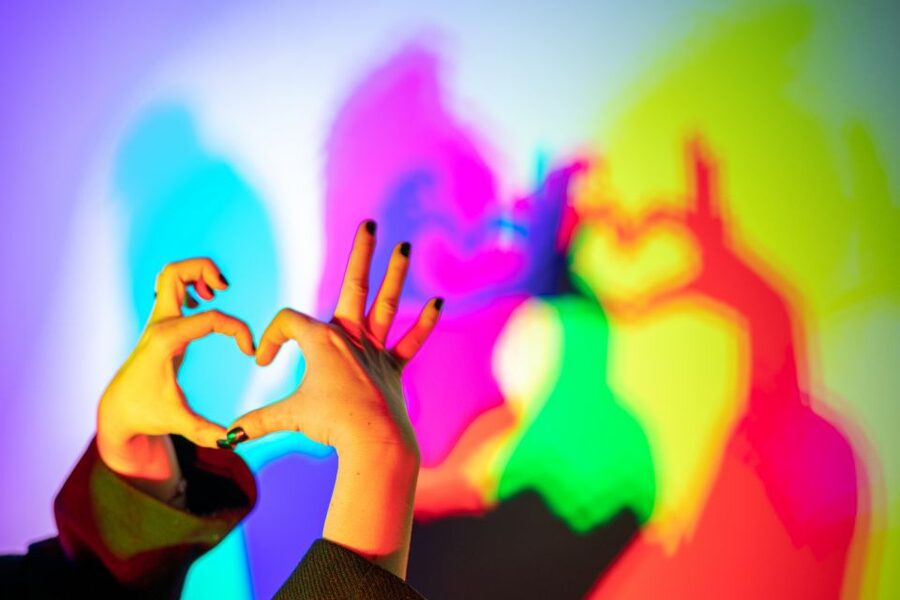
The museum is all about the message: what you see isn’t always what’s happening. You’ll run into visual and sensory experiments that play with how your eyes feed information to your brain. A lot of the fun comes from watching your own expectations get tricked, then realizing the setup is different than your brain assumed.
This is a great stop if you like activities that don’t require prior knowledge. Even if you hate “lecture museums,” this one uses short, clear experiments—like forced perspective, optical confusion, and scale tricks—to get you thinking about vision and perception.
A practical mindset that helps
Instead of trying to “solve” every illusion, I’d focus on two things:
- Compare what you see with what your body expects (height, distance, gravity, size).
- Try different viewing angles if an installation allows it.
That’s how the same exhibit can feel different the moment you stop treating it like a normal display.
The hologram exhibition that steals the show
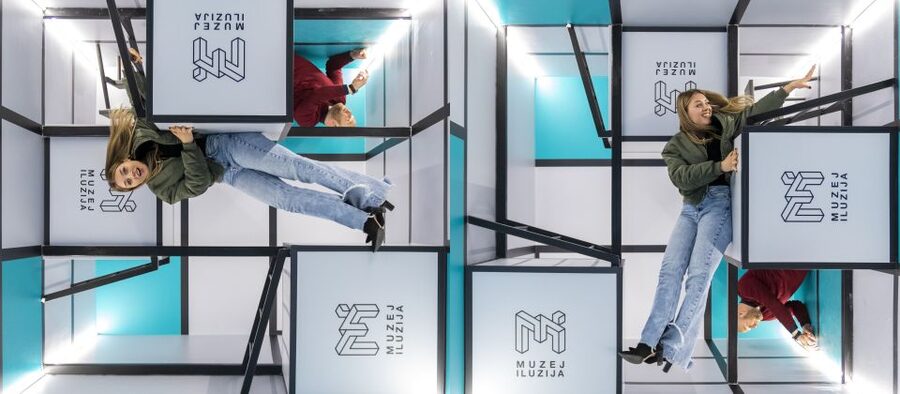
The highlight you’ll hear about right away is the hologram exhibition, described as one of the largest in Europe. Holograms have a way of making you slow down, because the effect isn’t just visual—it feels physical, like it occupies space where it shouldn’t.
If you want the strongest payoff, give this part your attention before you burn out. Early in your visit, you’ll have the energy to stand still and watch the details. Later, after you’ve already seen a lot of illusions, your brain can start “pattern matching” and the impact may feel smaller.
Even without any special tech knowledge, you should be able to appreciate the effect just by watching how it changes your sense of depth and motion.
Gravity and scale illusions you can’t stop reacting to
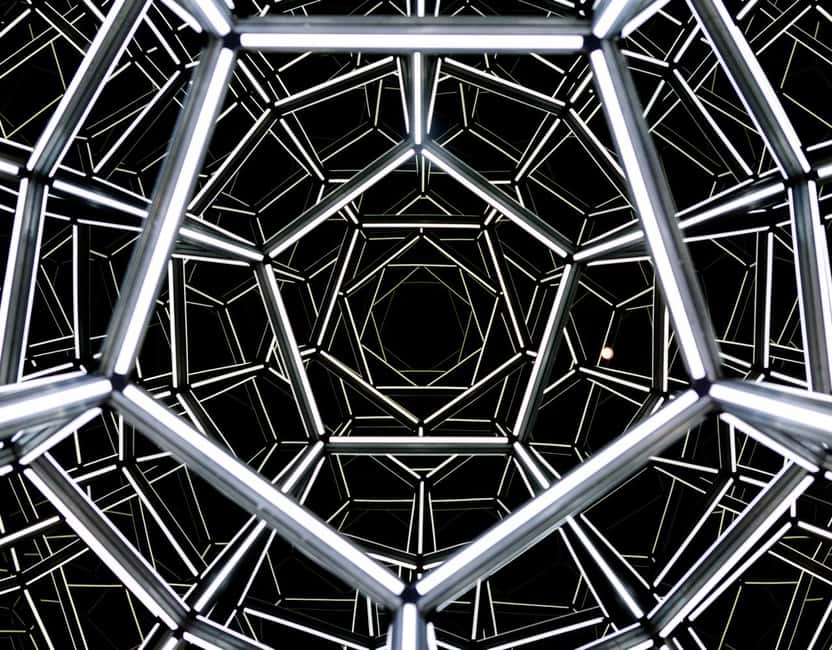
This museum plays with your sense of what’s physically possible. One room is built for the classic “wait, is that really happening?” reaction—water that flows uphill. Another set of exhibits changes your perception of size: you can see people grow or shrink right before your eyes.
Then there are installations that push your brain even further:
- A maze of mirrors that makes navigation feel unreliable.
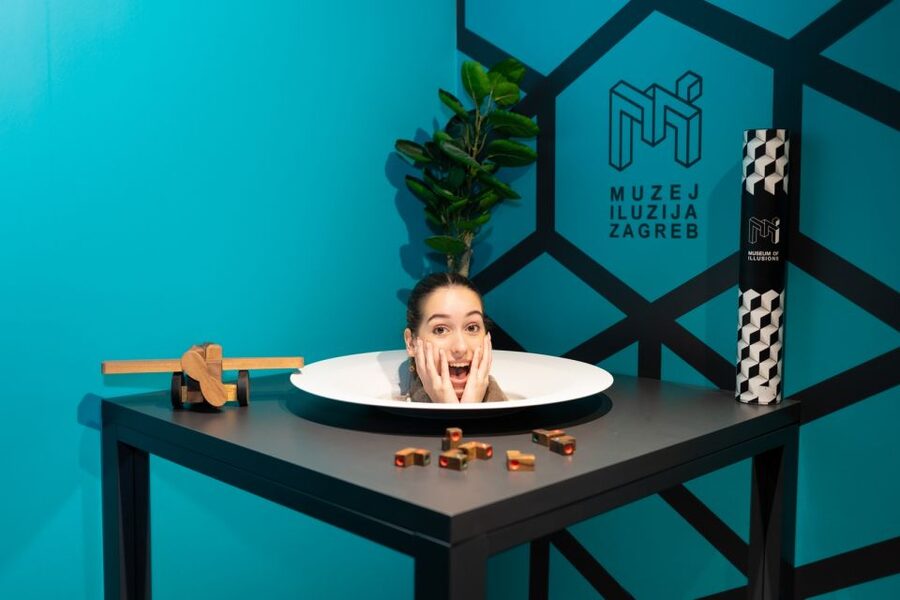
- A scene that involves serving somebody’s head on a tray (exact wording aside, it’s built to be visual theater).
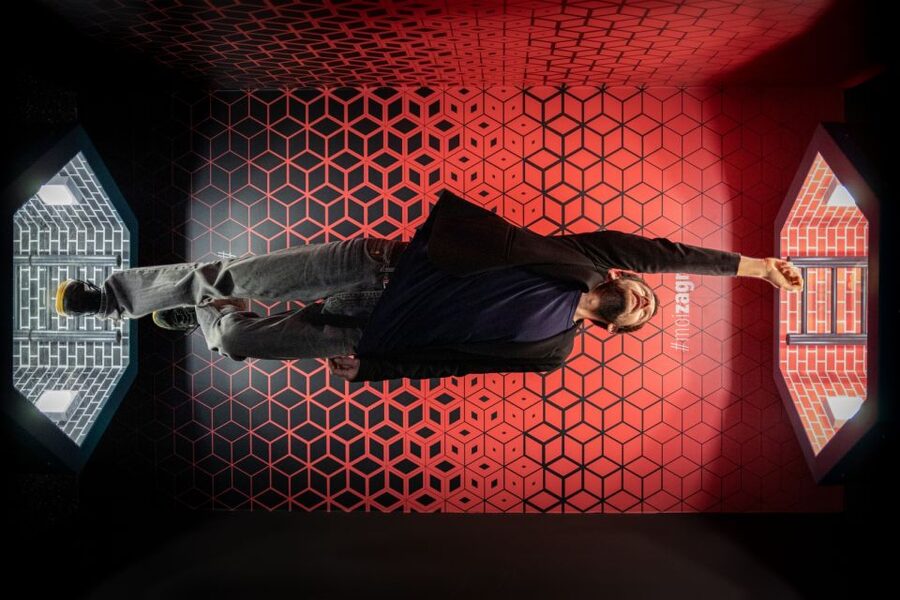
- An experience where you climb up onto the ceiling, turning your sense of orientation upside down.
What I like about these is that they’re not only tricks—they’re experiments in expectation. Your brain tries to interpret the world using habits, and the museum breaks those habits on purpose. If you go in ready to be a little confused, you’ll have a better time.
You can also read our reviews of more museum experiences in Zagreb

The Rotated Room photo moment (and why it works)
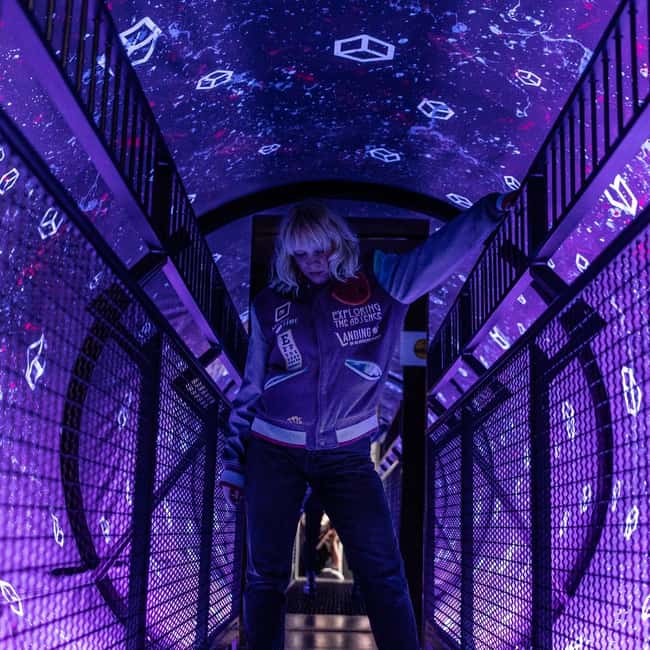
If you only do one “finish strong” photo spot, make it the Rotated Room. The museum specifically nudges you to take a picture of your accomplishment there, and that tells you the space is designed for dramatic before-and-after visuals.
This room also tends to be a sweet spot for motivation: you’ve spent the day being tricked, so being able to capture the result makes the whole visit feel like one completed experience, not a random set of rooms.
Tips for getting a better photo:
- Arrive with patience and expect people to rotate in and out.
- Give yourself time to try again if your first shot doesn’t show the effect clearly.
- If it’s crowded, wait until the room has a small lull before you step in.
Mirrors, props, and the visual chaos that’s half the fun
The maze of mirrors is the kind of illusion that becomes social. Even when you know it’s a setup, you still react—because reflections multiply angles and hide the “real” layout. It’s also the kind of installation where you’ll see the same scene look different depending on where you stand.
The museum also mixes in props and staged moments, like the head-on-tray setup. The point isn’t realism; it’s triggering your brain’s perception system and then watching it stumble.
This is where the museum can feel like it’s “aimed at photos.” That’s not a bad thing. It just means you should decide ahead of time what you care about more:
- enjoying the illusions quietly, or
- capturing the moment with friends.
If you want quiet, go earlier or linger longer at the less photo-focused rooms.
The playroom: games and puzzles with an educational angle
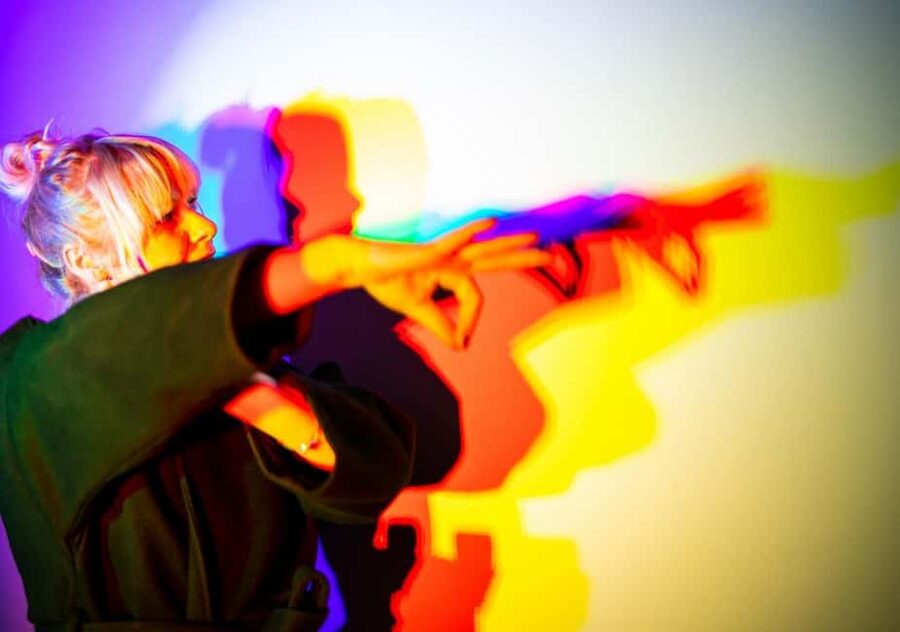
At the end of the visit, you can spend time in the playroom, which is filled with games and puzzles. This is an important counterbalance. After all the visual tricks, the playroom gives you a softer, more interactive way to learn about how perception works.
If you’re traveling with kids, this part usually helps the visit feel more age-flexible. Even for adults, puzzles are a good way to slow down and turn the science idea into something you can actually practice.
My advice: don’t rush through it. Even if you think of it as extra, it’s often the place that makes the museum stick with you after you leave.
Practical details that help (or distract) on site
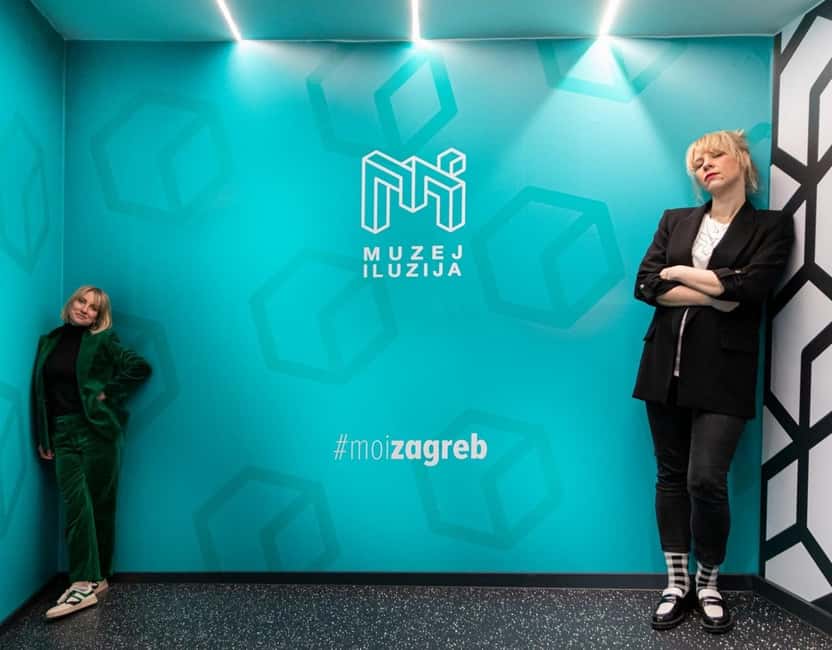
Here’s what to keep in mind so your day stays fun instead of annoying.
Bring a camera
The museum is very photo-friendly. Since a camera is listed as something to bring, plan to use it, especially for the rotated room and bigger visual setups.
What’s not allowed
Food and drinks are not allowed inside. Pets are also not allowed. Service animals are permitted, which matters if you rely on them.
If you’re tempted to snack during your visit, plan ahead and eat before you go in. It’ll keep you from feeling stressed about what you can’t carry in.
Captions and language support
The museum offers captions in English, German, Italian, and Croatian. On the staff side, the host or greeter can help in English and Croatian. So you won’t be stuck if you’re not speaking the local language.
Accessibility reality check
This museum is not suitable for wheelchair users. If you need accessibility-friendly options, it’s worth checking other attractions in the city that match your mobility needs.
When it feels too small or too repetitive
One downside that comes up is size and repetition. Some people feel it’s too small for what they expected, and others note the experience can feel a little repetitive. I’d plan for a day where you expect “many similar types of illusions,” not a huge maze of endless new ideas.
Crowds can also turn a playful maze into a slow shuffle, especially with kids. If you want breathing room, choose a less busy starting time when you can.
How this fits into a Zagreb day
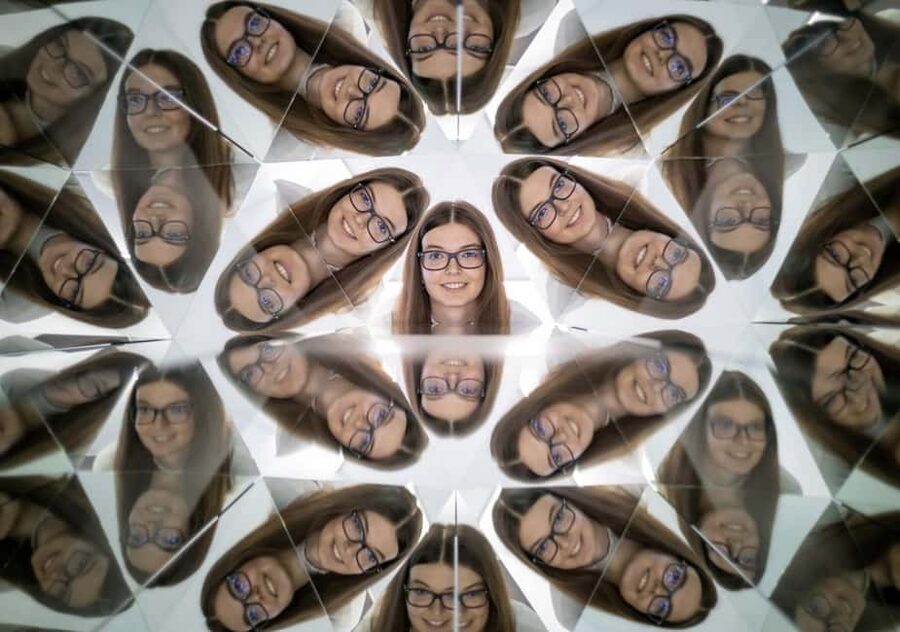
This museum works best when you want something active and light in the middle of your Zagreb sightseeing. It’s also ideal on days when you don’t want to spend hours outside walking.
You can pair it with:
- an easy morning around the city center, then
- a museum block where you can reset your brain with hands-on entertainment.
Because the visit is valid for one day and starts depend on availability, you can also flex your schedule if you hit unexpected delays elsewhere in town.
Should you book Zagreb’s Museum of Illusions?
Book it if you want an interactive, photo-friendly day where your brain gets tricked on purpose. The holograms, the gravity and scale effects (like water flowing uphill and people growing/shrinking), and the Rotated Room photo opportunity make it a strong value at about $14 per person. For the price, you’re paying for time in a hands-on experience with plenty of different installations rather than a single display.
Skip or think twice if you hate crowds, dislike repetitive formats, or need wheelchair-friendly access. Also, if you expected something massive with long, guided sessions, adjust your expectations—this is more like a concentrated play lab than a sprawling complex.
FAQ
How much does the Zagreb Museum of Illusions ticket cost?
The ticket price is $14 per person.
How long is the visit?
The ticket is valid for 1 day.
Do I need to pre-book, or can I buy on arrival?
You should pre-book your entrance ticket. Your voucher is shown at the museum’s main entrance.
Where do I show my voucher?
Show your voucher at the museum’s main entrance.
What’s included with the ticket?
The ticket includes entrance and access to over 70 exhibits, including one of the largest hologram exhibitions in Europe.
What should I bring?
Bring a camera if you want photos.
Are pets allowed inside?
No, pets are not allowed.
Is the museum wheelchair-friendly?
No, it’s not suitable for wheelchair users.
What languages are available on-site?
Captions are available in English, German, Italian, and Croatian. The host or greeter can speak English and Croatian.