REVIEW · AMSTERDAM
Van Gogh Museum Skip the Queue with Audio Guide
Book on Viator →Operated by Julia Private Tour Trips · Bookable on Viator
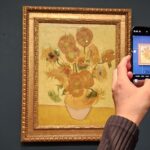
Sunflowers look different in real life. This skip-the-queue setup gets you into the Van Gogh Museum at a chosen time, and the official audio guide turns the galleries into a guided walk without a live lecturer.
I really like two things. First, you get to focus on the art—Sunflowers and the other major works hit harder when you’re not stuck buying tickets. Second, the museum’s setup follows Van Gogh’s path, with early Dutch works that feel darker at first, then the brighter French period as his style changes.
One thing to consider: your timed ticket is fixed to a date and time, and the museum still requires the mandatory security check (so you can save time, but you’re not avoiding security lines).
In This Review
- Key things to know before you go
- Skip-the-line that really means timed entry (not magic)
- Getting in at Museumplein: meeting point, timing, and tickets
- The museum experience: one stop, your own pace
- The itinerary at Van Gogh Museum: what each gallery section feels like
- Start in the early Dutch period
- Then follow the shift to France
- Key masterpieces you can aim for
- Letters and Theo: the human thread
- Temporary exhibitions: optional context
- Audio guide strategy: how to listen without getting lost
- Photography rules: what you can do (and what you can’t)
- Pacing for families and first-time museum visitors
- Price and value: what you’re paying for at $111.74
- Who this works for (and who might prefer something else)
- Practical tips to make the visit smoother
- Should you book this timed-entry audio experience?
- FAQ
- How long does the Van Gogh Museum visit take?
- Is there a live guide inside the museum?
- Where is the meeting point?
- What does the skip-the-queue part actually skip?
- Can I choose the audio guide language?
- When will I receive the tickets?
- Do I need to print my ticket?
- Are photos allowed?
- Is this okay for kids?
- Is it refundable or changeable if plans shift?
Key things to know before you go
- Timed entry = fewer ticket-line delays: you still do the museum’s security check.
- Official audio guide: you explore independently, at whatever speed you want.
- Vincent’s story is chronological: early Dutch period to brighter French work.
- Major hits are built in: Sunflowers, The Bedroom, and Almond Blossom are highlights.
- Letters add context: Theo correspondence helps connect the paintings to the person.
- Plan about 1.5–2 hours: most people fit it in comfortably, but you can stay until closing.
Skip-the-line that really means timed entry (not magic)
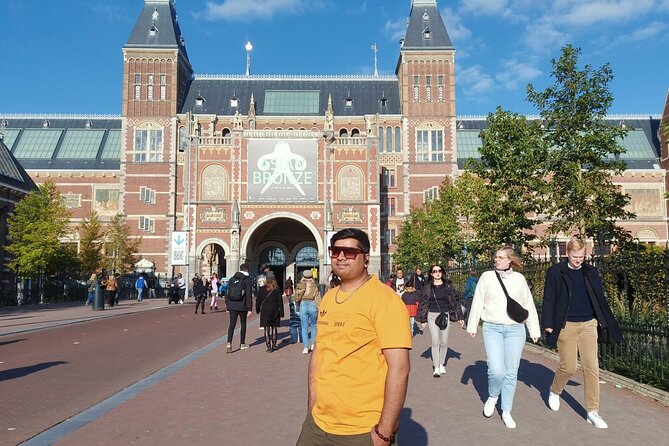
Let’s clear up the headline. “Skip the line” usually gets tossed around, but here it’s best understood as skipping the on-site ticket purchase line. You arrive with a timed slot, so you’re not waiting with the crowd just to buy entry.
That said, the museum does require a mandatory security check, and on busy days there can still be a line there. So the smart way to think about this experience is: you’re trading a ticket-buying delay for a smoother entry window, then accepting that security is part of the deal.
You can also read our reviews of more guided tours in Amsterdam



Getting in at Museumplein: meeting point, timing, and tickets

You meet at the Van Gogh Museum on Museumplein (Museumplein 6, 1071 DJ Amsterdam). It’s in Amsterdam’s cultural district, and the area is well connected by public transportation, so you’re not locked into a taxi plan.
After you arrive at your selected time slot, you’ll go through security and ticket validation. The experience includes admission tickets, and you’ll have separate tickets provided for entry. You can present your ticket on a mobile device, and printing is optional.
Once you’re inside, the audio guide is collected at the information desk. That small detail matters. If you forget it and start wandering, you’ll lose time coming back. I’d treat the first 5–10 minutes like setup, then settle into the galleries.
The museum experience: one stop, your own pace
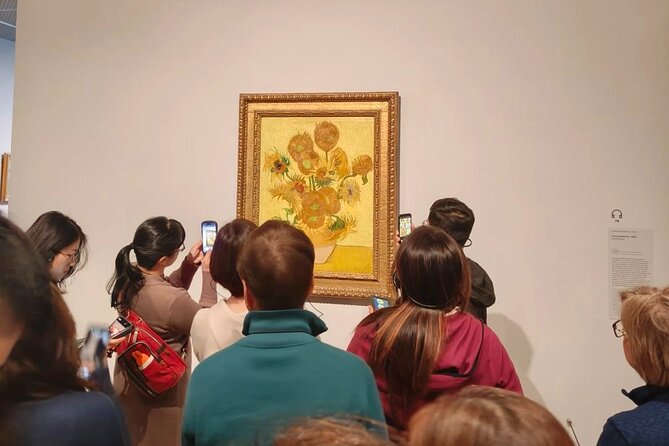
This is a self-guided visit with a private timed-entry setup. That means there’s no live guide inside the museum. Instead, you walk the galleries and listen to the official audio commentary in your chosen language (English is offered, and the audio guide is described as being available in your language of choice).
The total visit time is about 1 to 2 hours for most people. You can stay longer—until closing time—because nobody kicks you out at a pre-set tour end. In practice, this works well because Van Gogh’s work rewards slowing down. You’ll get more out of it if you take breaks to look closely, not just move from painting to painting.
The itinerary at Van Gogh Museum: what each gallery section feels like
Start in the early Dutch period
Your visit begins with Van Gogh’s early Dutch period—darker-toned paintings that reflect rural themes and early influences. This is the part that can surprise people. If you’re only picturing bright skies and famous sunflowers, the early work can feel quieter, even a little heavy.
I like this sequence because it prevents the museum from feeling like a greatest-hits playlist. It explains how Vincent’s eye develops, and it makes later paintings feel like a change in weather, not just a different subject.
You can also read our reviews of more museum experiences in Amsterdam






Then follow the shift to France
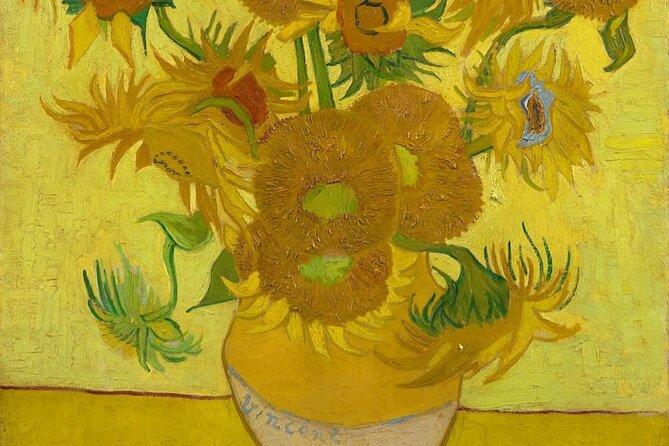
As you move forward, the museum’s flow tracks the shift after he moved to France. Expect brighter colors and more expressive brushwork. The “wow” factor often ramps up here, especially if you’re seeing the bright masterpieces for the first time.
This is a good reason to choose your own pace instead of rushing with a scripted route. If you want to pause and compare the brushwork from section to section, you can. If you want to skip ahead for the big names, you can do that too.
Key masterpieces you can aim for
The visit is built around major works you’ll recognize quickly, including:
- Sunflowers
- The Bedroom
- Almond Blossom
Seeing these at the museum is different from seeing them on a phone. Up close, you notice texture, paint layers, and the way the brush strokes carry emotion. The audio guide also helps you connect what you’re seeing to what Van Gogh was working through at the time.
Letters and Theo: the human thread
The museum includes personal letters—especially correspondence with his brother Theo. This is where the story tightens. Paintings stop being just images and start feeling like evidence of a real person’s struggles, decisions, and hope.
If you’ve ever wondered why his work can look both intense and intimate, letters are one way the museum answers that question without turning it into a lecture.
Temporary exhibitions: optional context
You may also run into temporary exhibitions that broaden the context of his life and legacy. You don’t have to chase them to enjoy the core collection, but they can add useful framing if you like understanding where Van Gogh fits in art history and culture.
Audio guide strategy: how to listen without getting lost
An audio guide is only helpful if it matches how you move. Here’s what I think works best:
- Start by grabbing your device at the information desk.
- Pick a rhythm: either listen straight through as you go, or save the audio for rooms where the guide cues you to slow down.
- Don’t force it at every single painting. If you feel your attention shift, move your body first, then press play when you’re ready.
The audio is especially useful for families because it gives kids a reason to keep looking instead of turning it into a boring hallway walk. In the feedback, families liked how the audio guide made it feel like Vincent was explaining the art right beside them.
Also note the practical age guidance: the audio guide is generally recommended from age 13. Younger children can still enter, but may not receive an audio device. If you’re visiting with kids, plan to rely on your own “talk it out” moments, plus whatever on-site kid-friendly activities are running during your dates.
Photography rules: what you can do (and what you can’t)

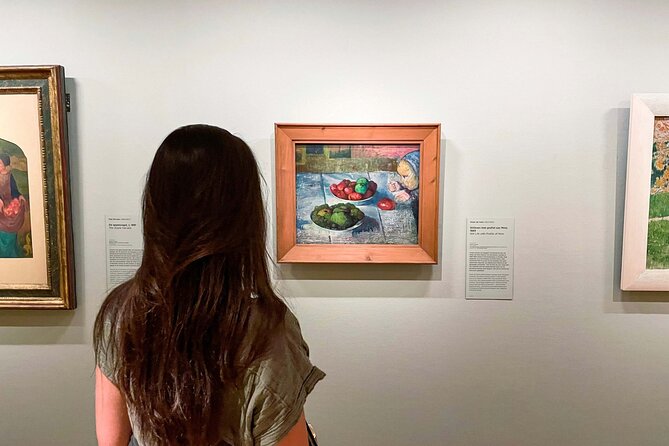
You can take photos of the paintings as long as you do not use flash, lamps, a tripod, or a selfie stick. The idea is simple: keep the gallery calm and dark so the artwork stays safe and visitors don’t get blinded.
If you’re a photographer, this means you’ll likely do handheld shots only. If you’re visiting for memories, you’ll still be able to capture plenty—just without the equipment.
Pacing for families and first-time museum visitors
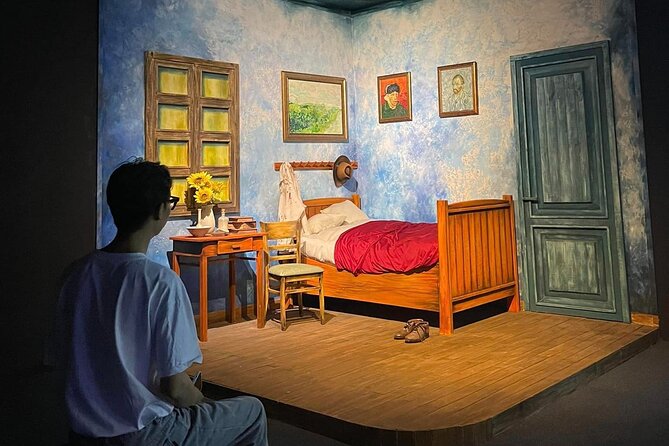
One of the most practical advantages of this setup is the pacing. You spend 1–2 hours exploring at your own speed, without a group schedule to follow. That matters if you’re traveling with kids, if someone needs breaks, or if you want time for the rooms that grab you.
In the feedback, families mentioned things like space to rest and the museum feeling clean and stroller friendly. If you’re coming on a rainy day, that flexibility helps a lot: you can slow down in the galleries and then re-group before you head to coffee.
If you’re bringing children, you might also find extra on-site activities that add a game-like element—some families described scavenger hunts and hidden-rabbit style challenges, plus a kids studio where youngsters tried painting in a Van Gogh style. These sound fun, but availability can vary by date and what the museum is running that day.
Price and value: what you’re paying for at $111.74

At $111.74 per person, this isn’t a budget museum add-on. So you should ask: what value are you buying?
You’re paying for:
- Timed-entry access that reduces the stress of arriving during peak demand
- Admission included in the experience
- The official audio guide that upgrades the visit from looking at paintings to understanding them
If you show up without timed entry, you risk losing time to ticket lines—especially in high season. Time is money on a trip, and it’s also energy. Van Gogh is one of those museums where the “best” experience is often about being able to take your time inside rather than rushing in and out.
I’d consider this good value if:
- You hate wasting half your morning in lines
- You want a structured way to handle a top attraction
- You’ll actually use the audio guide
I’d consider skipping this if:
- You’re flexible on timing and already comfortable dealing with on-site ticket waits
- You prefer a totally DIY museum plan and don’t care about audio
Who this works for (and who might prefer something else)
This timed-entry, audio-guided format fits best if you want:
- independence inside the museum (no live guide pacing)
- a lighter-touch experience with your own route
- an easy plan for families, teens, and first-time museum visitors
It can also suit art lovers who want to hit the big masterpieces—Sunflowers and the other famous works—then spend extra time where their attention sticks. The museum’s chronological layout helps you see growth in the work, even if you don’t memorize dates.
If you’re the type who needs a live expert to answer questions on the spot, then you might find a self-guided audio visit a bit limiting. But if you like walking and listening, this is a solid way to do it.
Practical tips to make the visit smoother
A few small moves can make a big difference:
- Double-check your exact date and time. These tickets aren’t flexible, and the museum doesn’t allow changes or refunds for dated entries.
- Arrive early enough for security. The audio guide part starts after you’re inside, so don’t count on skipping security entirely.
- Build in room for pauses. Most visitors settle into about 1.5–2 hours, but you can stay longer until closing if you’re enjoying yourself.
- Use your audio guide as a tool, not a requirement. If one room isn’t holding you, move on and let the next one recharge your attention.
Should you book this timed-entry audio experience?
Book it if you want a smoother Van Gogh Museum visit: timed entry, admission handled for you, and the official audio guide so you can explore at your pace. It’s especially worth it if you’re visiting with family, you’re on a tight schedule, or you know you’ll want more time than a quick photo-and-leave run.
Skip it if you’re truly fine with on-site ticket buying waits, you’re allergic to paying extra for logistics, or you already have another plan that gives you the same kind of time-saving entry. For most people heading to Amsterdam for a limited number of big sights, this is a practical way to get to the good part faster: the art, up close.
FAQ
How long does the Van Gogh Museum visit take?
Plan for about 1 to 2 hours. Most visitors spend around 1.5–2 hours, and you can stay as long as you like until closing time.
Is there a live guide inside the museum?
No. This is an audio guide experience. You explore independently, and the audio guide is collected inside at the information desk.
Where is the meeting point?
Van Gogh Museum, Museumplein 6, 1071 DJ Amsterdam, Netherlands.
What does the skip-the-queue part actually skip?
It helps you avoid the long on-site ticket purchase line by using your pre-booked timed entry. You still must pass the museum’s mandatory security check.
Can I choose the audio guide language?
Yes. The audio commentary is offered in your language of choice, with English available.
When will I receive the tickets?
You should receive confirmation at booking, and you’ll get tickets at least 1 day in advance of the visit start time.
Do I need to print my ticket?
No. You can present your ticket on a mobile device. Printing is optional.
Are photos allowed?
Yes, but without flash, lamps, a tripod, or a selfie stick.
Is this okay for kids?
Children can enter. The audio guide is generally recommended from age 13, and younger children may not receive an audio device. Youth tickets require proof of age at the museum entrance.
Is it refundable or changeable if plans shift?
No. The experience is non-refundable and cannot be changed for any reason, and sales are final—so double-check your date and time before booking.