REVIEW · AMSTERDAM
Amsterdam: Van Gogh Museum Entry Ticket and Guided Tour
Book on GetYourGuide →Operated by Amor Artium · Bookable on GetYourGuide
Vincent van Gogh, explained in plain human terms. This small-group Van Gogh Museum tour pairs reserved entry with an art historian who frames the paintings with the story of the man behind them. It is built for people who want more than a quick look at famous works.
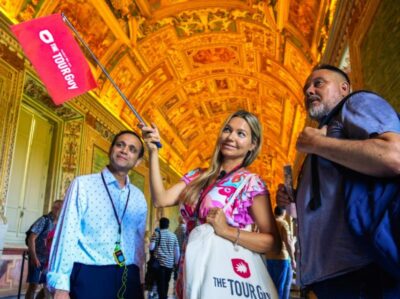
I especially love the format: up to 6 people, so you get time to ask questions instead of shouting over crowds. And the tour is only 1.5 hours, which keeps it focused on the most important parts of Van Gogh’s life and artistic evolution.
One possible drawback: the museum experience moves at guide pace, so if you want to linger at every single painting on your own, you’ll still have time after the tour—but you may feel rushed during the guided portion.
In This Review
- Key things I’d focus on
- Why this Van Gogh Museum tour works in 90 minutes
- Where you meet at Paulus Potterstraat 7
- The guided route: Van Gogh’s life through his paintings
- Small-group size (up to 6) and the question time advantage
- Museum entry plus free lockers: removing the friction
- After the tour: stay in the museum as long as you want
- Price at $175: what you’re actually buying
- Who this tour suits best
- Practical tips before you go
- Should you book this Van Gogh Museum tour?
Key things I’d focus on
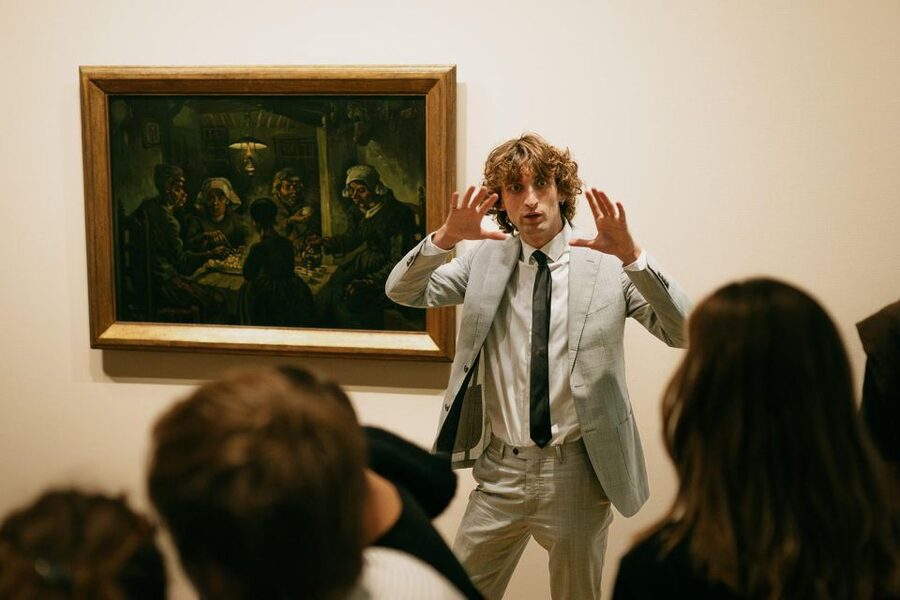
- Max 6 participants for real conversation and questions
- Art historian guides who connect biography to specific works
- Reserved museum entry included so you do not waste time lining up
- Free lockers on site for bags you might otherwise have to manage
- Free to stay after the tour as long as you want inside the museum
Why this Van Gogh Museum tour works in 90 minutes
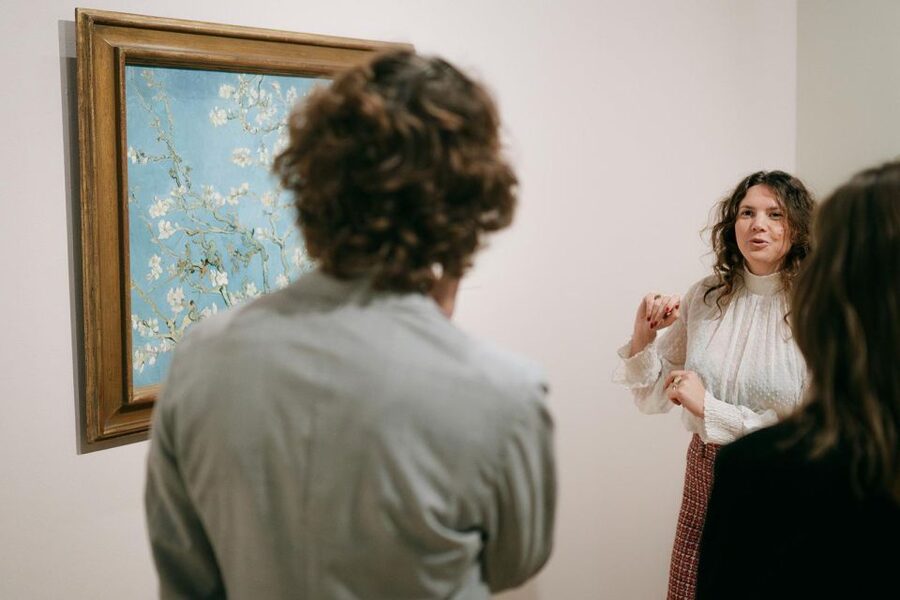
The Van Gogh Museum can feel like a lot at once. You walk in thinking you know the big stories, then you hit the details—colors, themes, and changes over time—and it starts to click.
This tour is designed to help that click happen fast. The guide talks through Van Gogh’s life phases, from when he started painting around age 27 through the shifts in style you see from room to room. You also get context for the well-known ear incident, along with a clearer picture of his struggles and how they show up in the work.
I like that it is not trying to turn Van Gogh into a superhero or a tragedy-by-default. The tone stays human: ambition, frustration, relationships, and constant learning. And because the group is small, you can ask follow-ups without losing your place in the flow.
A few more Amsterdam tours and experiences worth a look



Where you meet at Paulus Potterstraat 7
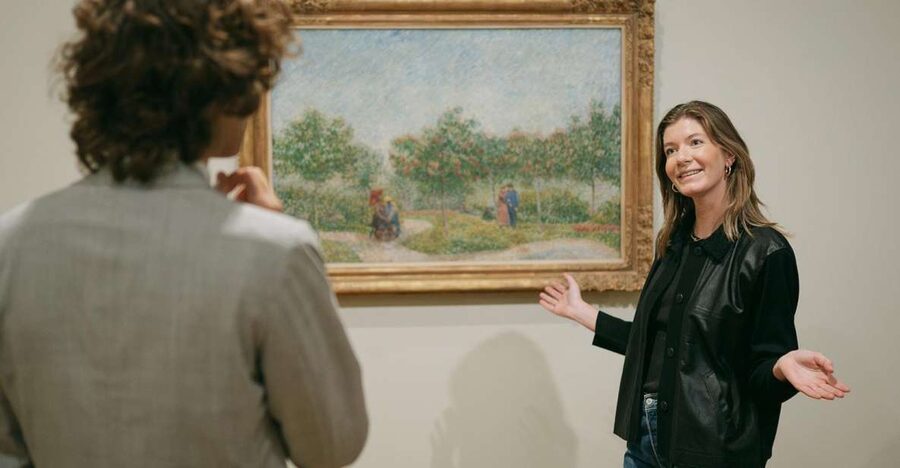
Your tour starts at Paulus Potterstraat 7, at the group entrance of the Van Gogh Museum. This matters more than it sounds, because the museum has multiple access points and you want to be sure you are standing at the right one.
Also, the guide carries the entrance tickets. That is a small detail, but it prevents that awkward moment of you hunting for a ticket while your group waits. It is one less moving part, especially if you are arriving from a tram stop or a bike rack in busy Amsterdam streets.
Finally, do not show up planning to bring a suitcase with you. The tour rules say no luggage or large bags, and no baby strollers or baby carriages. If you are traveling light, you’ll breeze through the meet-up. If not, plan to use the museum’s locker option.
The guided route: Van Gogh’s life through his paintings
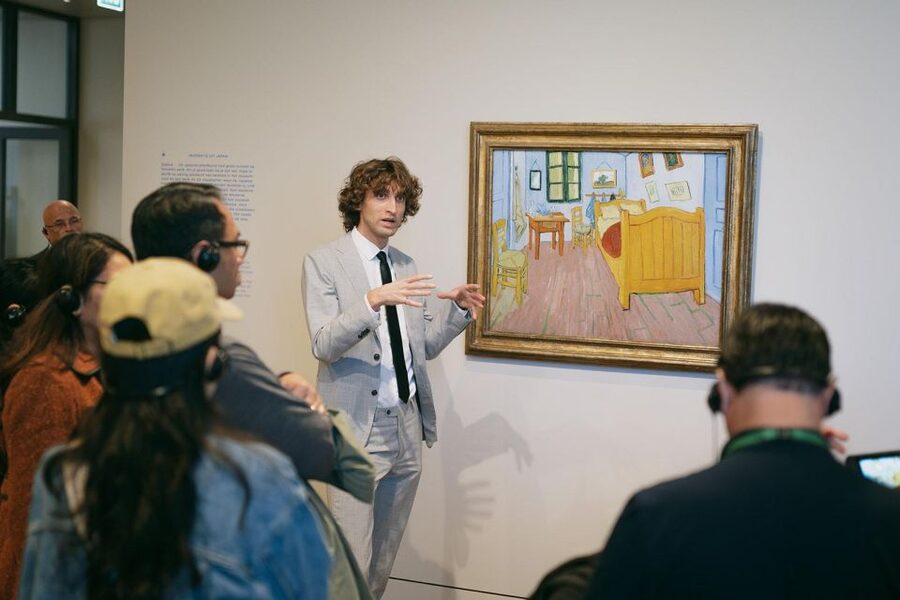
This is a narrative tour, not a checklist of famous titles. Over the 1.5 hours, the art historian guides you through a curated set of works while explaining what to look for and why it matters.
Expect a chronological thread. You get the story of Van Gogh’s early start, then how his approach changes as he moves through different periods. In plain terms, you’ll see how his brushwork, color choices, and subjects shift as his experiences change.
It is also a tour about meaning, but not in a mysterious way. The guide explains connections between life events and what you see on the canvas. One reason this feels so rewarding is that Van Gogh’s paintings can look intensely personal, even when you cannot place the exact biography moment. The tour helps you place it.
You will likely hear more about the parts people think they already know. The ear incident is a good example: you get the real story framing rather than just the headline. And because the guide has a Van Gogh focus, they can point out how themes of tension, longing, and observation appear in the paintings you’re standing in front of.
Small-group size (up to 6) and the question time advantage
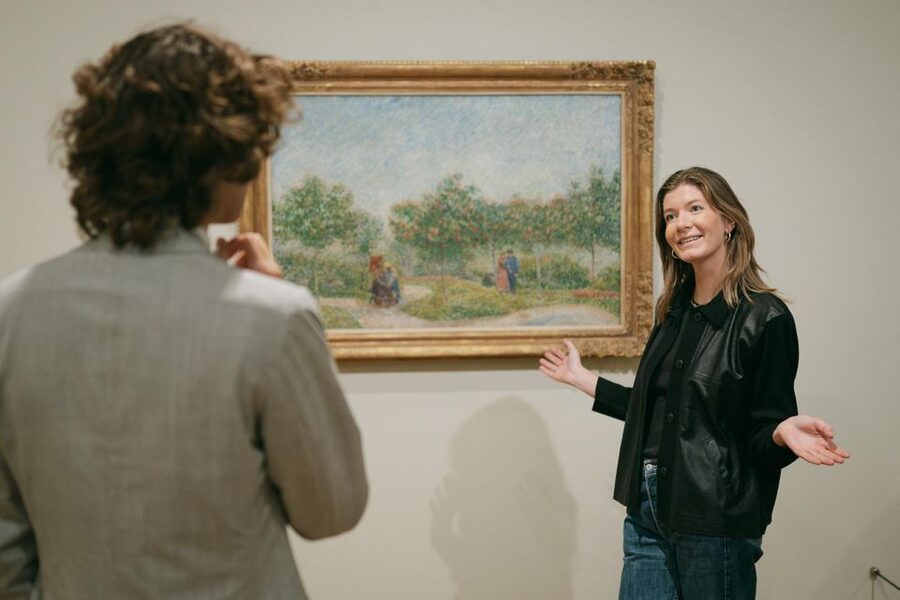
At a big museum tour, you learn by listening. Here, you learn by listening and then asking.
Because the group is capped at 6, your guide can adjust in real time. If you want clarification on a particular work, you get a chance to ask. If a painting feels confusing, the guide can point out what to notice so it stops being just a famous image and becomes a visual experience you can read.
This is also why the duration works. A full-length museum wander can feel random if you are not sure what you missed. The guided portion is long enough to build a coherent story, and short enough to keep energy up. Then you have the option to continue on your own afterward.
If you like learning from art historians, this is where you benefit most. Several guides mentioned in past groups include people like Lucy, Cécile, Titia, Liz, Stan, Lucien, Ank, Genevieve, and others. The common thread is the way they connect paintings to the man’s evolution. In at least one case, a guide described has advanced art/art history study and professional artist experience, which hints at how seriously the explanations are handled.
Museum entry plus free lockers: removing the friction
The big practical win here is that you get reserved entry tickets included. The Van Gogh Museum is popular, and timed entry helps you avoid the stress of trying to line up at the last minute.
Then there is the locker setup. The tour notes free lockers available, which is exactly what you want to know in advance. If you carry a day bag, it may be easier to store it rather than keep shifting things while you walk through galleries. Just keep in mind the tour does not allow luggage or large bags, so lockers are not a blank check for oversized travel gear.
And again, the guide holding the tickets matters. Less time dealing with admission checks means you can settle into the tour narrative sooner—when you still feel fresh enough to absorb it.
You can also read our reviews of more guided tours in Amsterdam





After the tour: stay in the museum as long as you want
One of the most underrated benefits is what comes after the 1.5-hour guided portion. Once the tour ends, you can stay inside the museum as long as you want.
That means you can do two smart things:
- Go back to the paintings that clicked during the tour and look longer
- Explore the galleries you skipped because the guide focused on the key story arc
This hybrid approach is useful. The guide gives you direction; you provide the time. You can also use the tour as a filter. If you discover you love portraits, you can shift your self-guided time toward that. If landscapes and interiors connect more, you can follow that thread.
Price at $175: what you’re actually buying
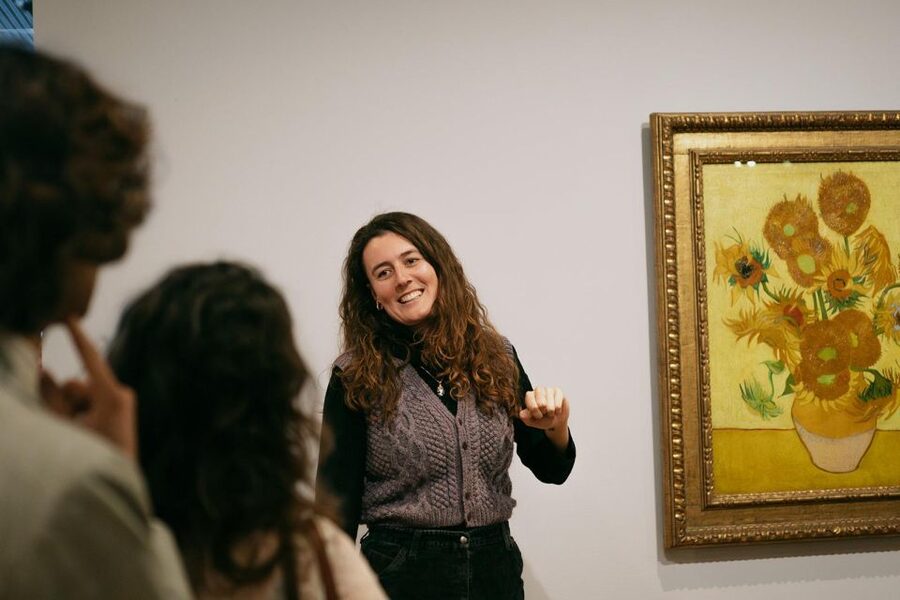
At $175 per person, this is not a budget add-on. So the value question is fair: what are you purchasing beyond the museum ticket?
You are paying for three things that are hard to replicate on your own:
- Reserved entry included, which protects your time when the museum is crowded
- A small-group format capped at 6, which improves your ability to ask questions
- An art historian guide focused on Van Gogh, who gives you structure—story, context, and what to notice in the paintings
If you are the type who visits museums and then wishes someone had pointed out what you would otherwise miss, that is where the pricing starts to make sense. Without a guide, you can absolutely see the masterpieces—but you may spend more time guessing what matters and less time understanding why it matters.
Also, the tour duration is only 1.5 hours. You get the benefits of guidance without turning your whole day into museum duty. That makes it easier to pair with other Amsterdam stops.
Who this tour suits best
This tour fits you if:
- Van Gogh is one of your top interests and you want more than highlights
- You enjoy art history explained in a story format
- You want a smaller group because you plan to ask questions
- You like the idea of guided structure, then free time afterward
It might feel less ideal if:
- You want total freedom to linger at every painting during the guided time
- You are traveling with items that violate the no luggage/large bag rule
- You prefer very long, self-paced museum wandering as your main experience
Practical tips before you go
A few small choices can make the whole visit smoother.
First, check your arrival timing. The meeting point is clearly defined at Paulus Potterstraat 7, and the guide needs everyone present for the start. The tour also stresses that you should provide the correct phone number including country code, since late arrival where they cannot reach you means no refund.
Second, travel light. The rules are strict about no large bags and no strollers/baby carriages, so plan accordingly.
Third, decide what you want from the tour before you step inside. If your goal is to understand Van Gogh’s evolution, go in ready to follow the timeline. If your goal is emotion, listen for how the guide links mental and life struggles to the paintings you see. Either way, you’ll get more out of the 90 minutes.
Should you book this Van Gogh Museum tour?
I’d book it if you want your Van Gogh Museum visit to feel guided, focused, and meaning-rich without dragging your day down. The small-group size, art historian storytelling, and reserved entry are exactly the combo that turns a busy museum into a clearer experience.
Skip it only if you strongly prefer self-paced wandering and do not plan to engage with a guide. Also, if you are traveling with luggage or large items, the tour rules can make it annoying, even with lockers.
If you fall somewhere in the middle—curious, interested, and willing to listen and ask questions—this is a high-confidence choice for Amsterdam.