REVIEW · AMSTERDAM
Amsterdam: Rijksmuseum Private Tour
Book on GetYourGuide →Operated by Orange Adventures · Bookable on GetYourGuide
The Dutch Masters become easier with a guide. In this private 2-hour Rijksmuseum tour, you’ll get clear explanations of how 17th-century painters worked, while stopping in the Honorary Gallery to see Rembrandt’s The Nightwatch up close and understood. You’ll like the way the guide connects big names to the craft—because paintings aren’t just decoration; they’re storytelling in paint.
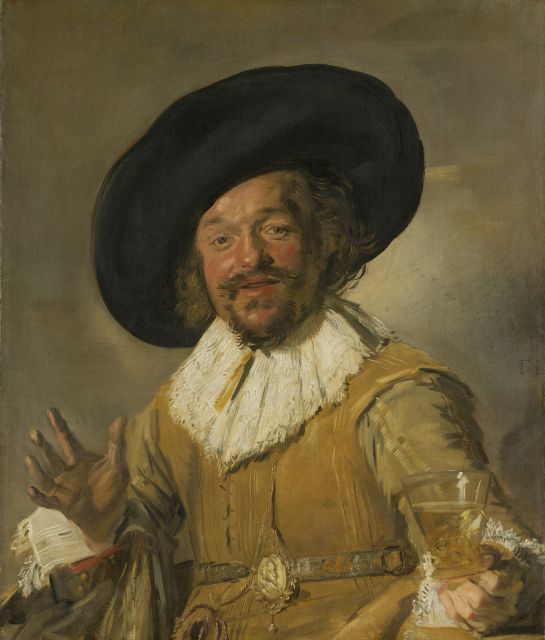
I love two things most: the technique-focused explanations (Rembrandt, Vermeer, and Frans Hals through how they painted), and the way you’re taught to read pictures for meaning, including everyday-life details that replaced the old habit of only showing kings and myth. One thing to consider: the museum can be crowded, and if the guide has the next tour lined up, the end of your visit may feel a bit rushed.
In This Review
- Key highlights you’ll feel right away
- Why this Rijksmuseum tour works better than wandering
- The 2-hour flow: context first, then The Nightwatch
- Dutch Masters techniques: how the guide teaches you to read paint
- From medieval art to Dutch innovation: what actually changed
- Dutch power on the seas: art tied to a real world
- Why the subjects feel closer to home
- Crowds and timing: the main practical consideration
- Meeting point: where to find your guide inside the museum
- Who this tour suits best (and who might prefer something else)
- Price and value: $235 for up to 2 people
- Guides you might meet: Rolf (and sometimes Isabel)
- Amsterdam Card help: using transit and museum access wisely
- Should you book the Amsterdam Rijksmuseum Private Tour?
- FAQ
- How long is the Rijksmuseum private tour?
- What is the price for the tour?
- Is the entrance ticket included?
- Where do we meet the guide inside the museum?
- How many people are in a group?
- What languages are available for the guide?
- Is the tour wheelchair accessible?
- Do you get help with the museum lines?
- Is free cancellation available?
- Should I consider buying an Amsterdam Card?
Key highlights you’ll feel right away
- Honorary Gallery visit for Rembrandt’s The Nightwatch
- Painting-technique talk made practical, not academic
- Dutch Golden Age context: trade, power on the seas, and everyday subjects
- A shift in how art is shown, from medieval styles to Flemish and Dutch Masters
- Private pacing for small parties, with Q&A style engagement
Why this Rijksmuseum tour works better than wandering
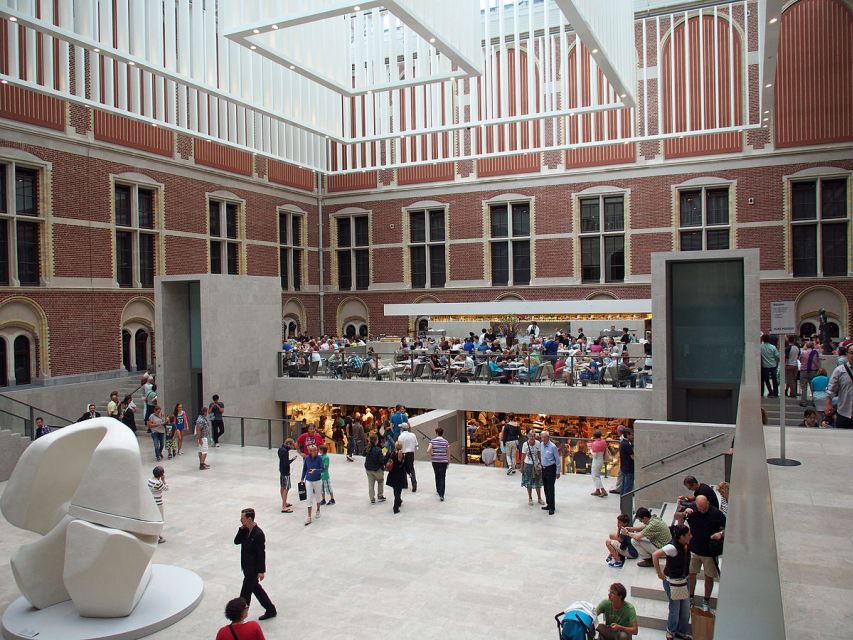
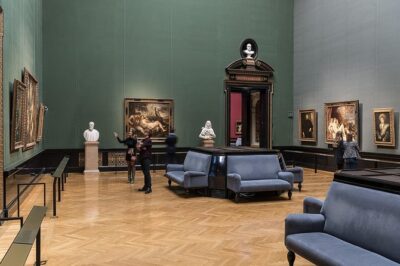
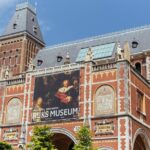
The Rijksmuseum is packed—visually and in terms of foot traffic. What makes this experience worth your time is that it’s not a generic museum walk. You’re getting a guided art lesson built around the Dutch Masters of the 1600s, so you leave with a framework, not just a list of famous works.
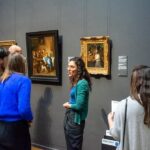
This is especially helpful if you’ve ever stood in front of a masterpiece and thought, Now what? Here, you’re taught how to look. The guide explains what you’re seeing and why it mattered to people living back then—when paintings functioned like a storybook, a teaching tool, or even a social message.
You can also read our reviews of more private tours in Amsterdam

The 2-hour flow: context first, then The Nightwatch
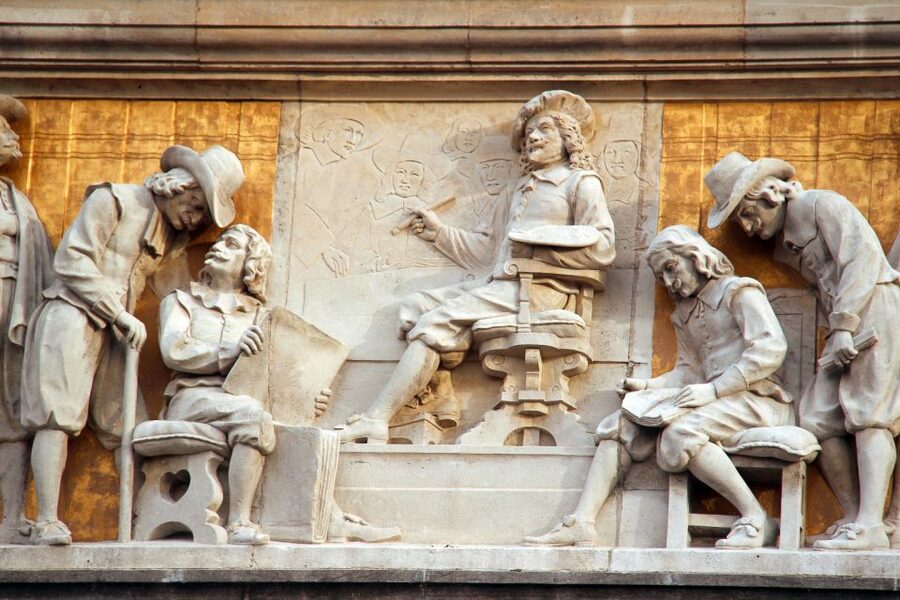
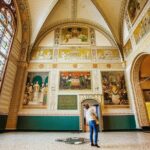
The tour starts inside the museum, after you get in, with a quick orientation. You begin with museum context and the kind of big-picture framing that makes later stops easier to understand. That opening matters because the Rijksmuseum isn’t just a warehouse of paintings—it’s arranged in a way that affects how you experience the Dutch Golden Age.
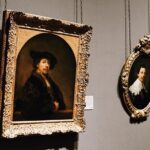
Then you move into the major highlight: the Honorary Gallery for Rembrandt’s The Nightwatch. This is one of those works that almost pulls you in immediately. But the real value is not just seeing it—it’s learning the ideas and methods behind it so the scene stops feeling like a crowd of figures and starts feeling like an intentional composition with meaning.
Dutch Masters techniques: how the guide teaches you to read paint
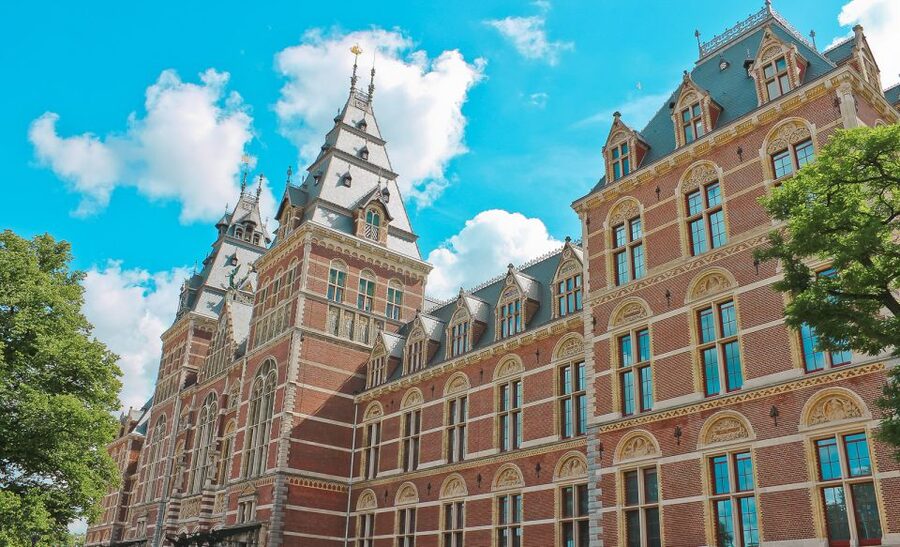
One of the most praised parts of this tour is the way the guide breaks down the craft. You’re not stuck listening to vague praise like great art, wow light, amazing color. Instead, you get explanations that connect technique to impact—how the painter built the image and how that would have landed with a 17th-century audience.
You’ll also hear about hidden meanings in selected works. The guide frames art as something people used to interpret, not just admire. In the 1600s, a painting could work like reading: it delivered lessons, signals, and social messages. Without modern entertainment like TV or easy reference books, art served a role that’s harder for us to imagine now—so learning that context changes how you see the same faces, objects, and gestures.
From medieval art to Dutch innovation: what actually changed
This isn’t only a tour of famous names. You also get a clear comparison between medieval art and the innovation of Flemish and Dutch Masters. That shift matters, because medieval art often carried different rules—more symbolic emphasis, different visual priorities, and less of the everyday realism that becomes central later.
In a short time, you’ll understand what makes the Dutch Golden Age look different at the level of subject matter and approach. You’ll notice that the painters didn’t abandon kings, queens, and mythological scenes completely. But they also gave stronger space to ordinary life—street-level stories and common people—because art was becoming a way to reflect real society, not just distant ideals.
Dutch power on the seas: art tied to a real world
A smart part of the tour is how it connects painting to national identity. You’ll hear how the Dutch ruled the waves, following after Spanish and Portuguese power, and how that sense of ambition and trade fed the culture around art.
That theme isn’t just history trivia. It explains why certain scenes and types of imagery were in demand. When a society feels confident and outward-looking, it often wants art that feels relevant—art that looks competent, modern, and grounded in the world people actually live in.






Why the subjects feel closer to home
Another highlight is how you’re guided to see art as personal. You’ll hear the idea that many people wanted art on their walls, and that the painters made their works closer to ordinary people than the earlier tradition had been.
This is where the tour becomes fun, not just educational. You get prompted to look for what feels familiar: daily-life detail, expressive faces, and scenes that read like stories you could almost step into. If you enjoy art that feels human, this tour matches that preference well.
Crowds and timing: the main practical consideration
The Rijksmuseum is popular, and this tour is designed to make the time you spend there feel useful. You’ll get advice on how to skip-the-line, or how to make it bearable, but the reality is that the building is still busy.
One caution from experience with private tours: if the guide has another appointment afterward, the last part of your tour can feel a bit compressed. It’s not usually a deal-breaker, but it’s something to keep in mind if you hate rushing, or if there are a couple of paintings you’re hoping to linger over longer than the tour allows.
Meeting point: where to find your guide inside the museum
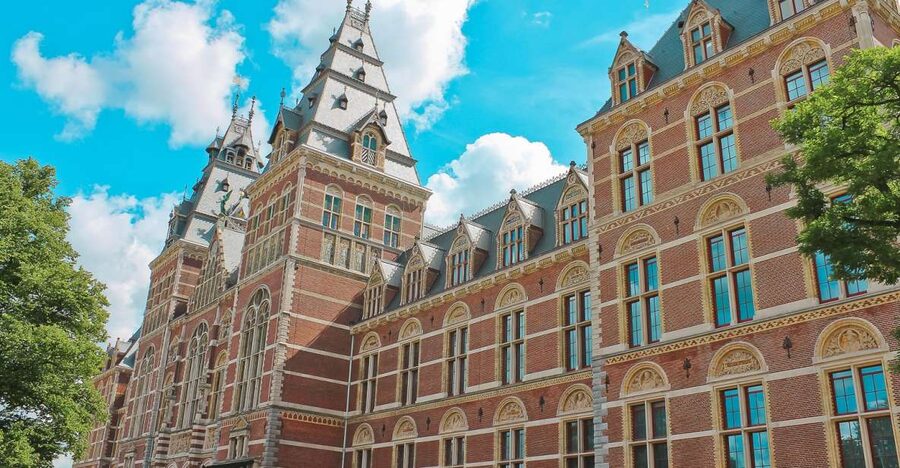
Plan for one small moment of orientation. Your guide meets you inside the museum after you enter. You’ll see a round information counter, then go about 10 meters to the right. There’s a small sign that says meeting point, and that’s where you should look.
Tip: arrive a few minutes early so you’re not doing a full sprint across gallery halls while scanning for that sign.
Who this tour suits best (and who might prefer something else)
This is a great fit if you:
- Want Dutch Masters explained with craft and context, not just facts
- Like an interactive experience where the guide asks you what you notice
- Want a private visit that can be adjusted to your interests
It also tends to work well for families, including teens, because the tour focuses on how paintings communicate and how everyday people related to art. If you’re traveling with someone who gets bored in museums fast, technique-based explanations often hold their attention better than a standard lecture.
You may prefer a different style of tour if you’re the type who wants total freedom to stop and stare for long periods. With a fixed 2-hour window, you’ll be guided to the key works and themes rather than roaming without structure.
Price and value: $235 for up to 2 people
At $235 per group up to 2, this tour is clearly positioned as a private splurge. The value depends on how you travel:
- If it’s just two adults, the cost per person becomes more manageable, and you get a highly focused guide-to-painting ratio.
- If it’s only one person, it can still be worth it if you’re an art-driven traveler who will actually use the guide’s explanations and adjust the pacing to your questions.
The bigger value isn’t the famous collection—it’s the interpretive layer. You’re paying for someone to translate how these works were built and what they were meant to communicate, so your time stops being “I saw it” and becomes “I understood it.”
Guides you might meet: Rolf (and sometimes Isabel)
Your guide is likely to be Rolf, who is mentioned across many experiences as energetic, engaging, and tuned to how different people respond to art. He’s known for helping you think while you look—asking questions like what you noticed and how styles compare.
On some dates, a substitute guide named Isabel may lead the tour. In that case, the same core idea holds: art history connected to what you can actually see in the paintings.
Either way, the private format is what keeps the explanations tied to your pace and attention.
Amsterdam Card help: using transit and museum access wisely
If you’re building a full museum day, consider getting an Amsterdam Card. The tour info suggests it can give you access to unlimited museums and includes public transport—train from the airport to Amsterdam city centre and trams in town.
This matters because it can reduce stress. Instead of treating each museum trip like a separate ticket decision, you can plan more freely and spend more of your day moving between galleries.
Should you book the Amsterdam Rijksmuseum Private Tour?
I’d book it if you want more than a museum checklist. This is for people who care about how paintings are made and why they mattered in the Dutch Golden Age, especially if you’re excited about Rembrandt, Vermeer, and Frans Hals.
Skip it only if you’re mainly chasing quantity of artwork rather than understanding. With a fixed 2-hour private window, you’ll get depth on a set of key themes and works—not an exhaustive sweep of everything in the museum.
If you like your museum days guided, focused, and built around meaning, this one is a solid value—especially for two people sharing the group cost.
FAQ
How long is the Rijksmuseum private tour?
It’s a private tour lasting about 2 hours.
What is the price for the tour?
The price is $235 per group for up to 2 people.
Is the entrance ticket included?
No. Entrance tickets are not included.
Where do we meet the guide inside the museum?
Meet your guide inside the museum after you enter. Look for a round information counter, then go about 10 meters to the right. There is a small sign that says meeting point.
How many people are in a group?
It’s a private group, up to 2 people per group.
What languages are available for the guide?
The live guide speaks Dutch, English, and German.
Is the tour wheelchair accessible?
Yes, the tour is wheelchair accessible.
Do you get help with the museum lines?
You get advice on how to skip-the-line or how to make it bearable.
Is free cancellation available?
Yes. You can cancel up to 24 hours in advance for a full refund.
Should I consider buying an Amsterdam Card?
The tour info says the Amsterdam Card can be beneficial. It offers unlimited museum access and includes public transport, including train service from the airport to Amsterdam city centre and trams in town.