REVIEW · AMSTERDAM
Amsterdam Rijksmuseum PRIVATE TOUR with a Local Private Guide
Book on Viator →Operated by Withlocals · Bookable on Viator
A museum this big can feel like a marathon. This private Rijksmuseum tour turns it into a smart, paced art lesson with real Dutch context, often shaped by guides like Rolf, Anna, and Martin. You get skip-the-line entry plus a guide who can explain what you’re actually seeing, from medieval panels to the Golden Age.
What I like most is how private it stays the whole way—no waiting on a big group, and you can ask questions as you move. I also like that the guide helps with prebooking so you’re not stuck figuring out the busiest entry times on your own.
The main thing to consider is that the admission ticket cost is not included in the tour price, and you’ll pay the host in cash (20 EUR per person). If you hate cash or you’re trying to keep spending tight, plan for that early.
In This Review
- Key highlights you’ll feel right away
- Why the private Rijksmuseum format saves your trip
- Price and what it really means for value
- Meet at Hobbemastraat 18: simple start, important timing
- Inside Rijksmuseum: the era-by-era route that actually makes sense
- Medieval Times: religion, symbols, and the Tree of Jesse
- Renaissance era: Lucas van Leyden and the setup for the Golden Age
- Golden Age: Hals, Vermeer, and Rembrandt’s “big three”
- 18th century: clocks, furniture, marble vases, and porcelain animals
- 19th century: the huge canvas, Battle at Waterloo
- How your guide changes the experience (and why it matters)
- Skip-the-line admission: worth it, but plan for the ticket add-on
- After the museum: Amsterdam recommendations that actually help
- Who this tour suits best (and who should rethink it)
- Quick practical tips to get the most from your 2 hours
- Should you book this Rijksmuseum private tour?
- FAQ
- Are the Rijksmuseum entrance tickets included in the tour price?
- Who arranges the entrance tickets?
- How long is the private tour?
- Is this tour private or shared?
- Where do we meet the guide?
- Where does the tour end?
- What part of the museum does the tour cover?
- Does the guide provide recommendations outside the museum?
- Is the experience carbon neutral?
- Is this close to public transportation?
- Can I change or cancel after booking?
Key highlights you’ll feel right away
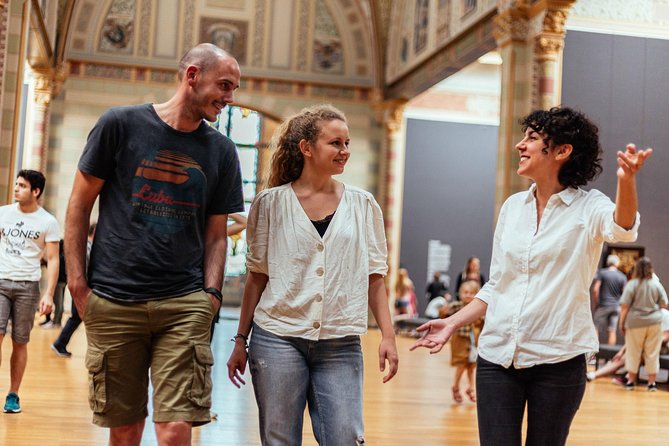
- Private walking pace: only you and your guide inside a museum that can overwhelm fast
- Skip-the-line admission: less time queued, more time looking at paintings and objects
- Art-history timeline in 2 hours: medieval → Renaissance → Golden Age → 18th/19th-century highlights
- Big-name Dutch masters covered: Hals, Vermeer, Rembrandt (and more) with plain explanations
- Local guidance beyond the galleries: you get Amsterdam recommendations after the museum portion
- Carbon-neutral experience: a low-impact option while still getting a high-touch guide
Why the private Rijksmuseum format saves your trip
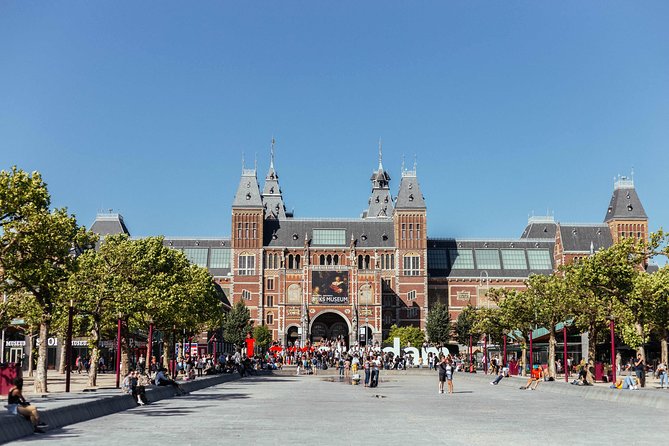
The Rijksmuseum is famous, but it’s also huge. If you try to “wing it,” you can end up doing two things: rushing and missing the connections. This tour is built to avoid both.
Because it’s private, your guide can slow down when you want to linger on a specific painting, style, or room. And if something doesn’t click at first, you can ask for another angle—historical context, symbolism, technique, or even how the museum itself is organized. You’re not stuck with a lecture style that assumes you all want the same pace.
I also like that the tour is designed around momentum. You get a guided route that takes you through the museum’s eras in a way that makes the Golden Age feel less random. Instead of seeing a lineup of masterpieces, you start noticing how earlier periods set up the later ones.
You can also read our reviews of more guided tours in Amsterdam



Price and what it really means for value
At $141.87 per person for a private 2-hour experience, the math depends on two things: how much you value time, and how much you’ll get from a strong guide.
The first value piece is time. Skip-the-line admission helps on a busy day, and in a major museum, that can be the difference between a satisfying visit and a half-visit.
The second value piece is focus. You’re not paying for someone to stand near you. You’re paying for a curated path through the museum’s eras with clear explanations. Many top reviews mention guides who brought paintings to life and tailored the route to family interests or personal background. That’s the difference between walking past art and actually understanding why it matters.
One caution: admission tickets are extra. You’ll pay 20 EUR per person in cash to the host, and tickets are not included in the price you see. If you’re budgeting strictly, factor that in before you book.
Meet at Hobbemastraat 18: simple start, important timing
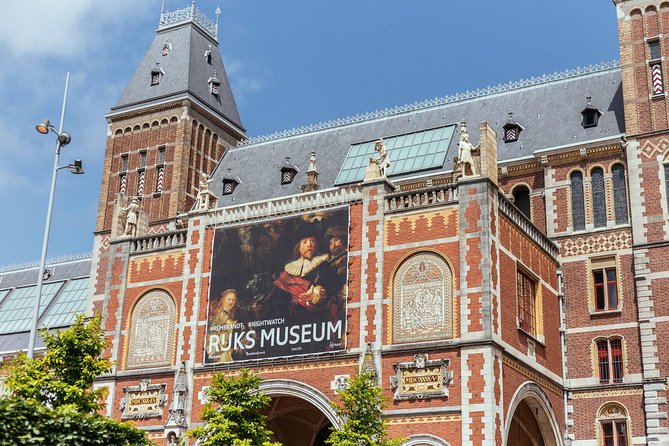
Your meeting point is at Hobbemastraat 18, 1071 ZB Amsterdam. The tour ends back at the meeting point, so you’re not left trying to figure out a new meetup spot mid-visit.
Most people won’t struggle with the start location because it’s near public transportation. Still, one practical lesson from mixed feedback: arrive a few minutes early and have a plan for where you’ll stand. Some people reported confusion about meeting instructions, which cost them time at the beginning.
Also watch the time. The tour is advertised at about 2 hours, but a few reviews reported real start and finish times that didn’t match the ideal schedule. It’s still a short tour compared to a full museum day, so if you’re also planning other activities that afternoon, give yourself buffer time.
Inside Rijksmuseum: the era-by-era route that actually makes sense
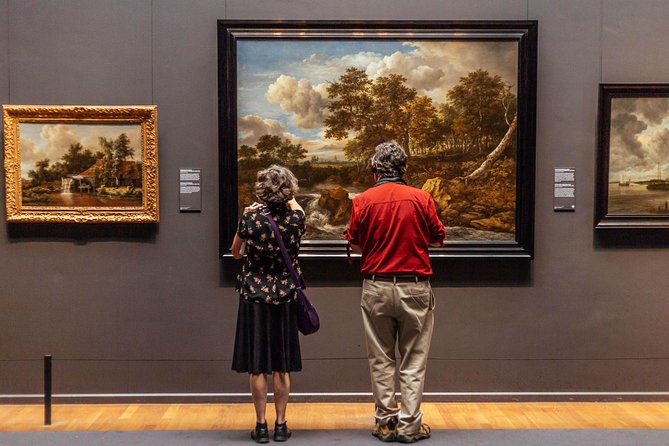
The itinerary moves through major periods, and the order matters. You’ll go from medieval religious art, to the Renaissance build-up, to the Golden Age big names, then into later centuries with objects that show how Dutch culture and wealth expressed itself beyond painting.
Think of it like this: you’re getting a guided timeline in gallery form, not just a list of highlights.
Medieval Times: religion, symbols, and the Tree of Jesse
Your first stop is aimed at the earliest “visual language” you’ll see in the Rijksmuseum’s story. You’ll spend time on religious paintings from the medieval period, including works linked to Geerten tot St. Jans and the striking Tree of Jesse.
What makes this part useful is that it trains your eye. Medieval art often feels formal and symbolic at first glance. A good guide helps you notice what the paintings are trying to communicate—who the figures are, why the scenes matter, and how the imagery connects to belief and tradition.
If you usually skip the older galleries because you assume you won’t “get it,” this is where you can start understanding the logic of the museum’s collection.
You can also read our reviews of more private tours in Amsterdam


Renaissance era: Lucas van Leyden and the setup for the Golden Age
Next comes the Renaissance-era lead-in, including Lucas van Leyden, described in the tour material as the Rembrandt of the 16th century. The point here isn’t the label. It’s what you start seeing: more refined storytelling, more focus on human detail, and an art world gearing up toward the Dutch Golden Age.
A strong guide’s job in this section is to help you compare. You should be able to look at the changes in style and subject matter and understand why the Golden Age wasn’t invented overnight.
One practical benefit: if you’re the kind of visitor who likes to know what came before something famous, this part gives you that chain.
Golden Age: Hals, Vermeer, and Rembrandt’s “big three”
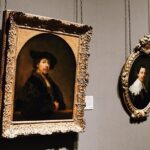
This is the heart of the tour. You’ll focus on the major Golden Age names—Hals, Vermeer, and Rembrandt—the big three that most people come to see in the first place.
What I like about structuring the visit this way is that it turns the usual museum experience upside down. Instead of hunting for favorites, you’re guided through a theme: how Dutch painting matured into a style that was both technically impressive and deeply tied to the culture of the time.
If your favorite artists are one or two of these, don’t worry—you’ll still get the connection points around them. Guides in strong reviews (including Rolf, Martin, and Anna) are described as making paintings easier to follow by explaining meaning, styles, and context. That kind of interpretation helps you see more than faces and landscapes.
18th century: clocks, furniture, marble vases, and porcelain animals
Then the tour shifts from paintings into objects—clocks, handmade furniture, marble vases and fireplaces, and life-size porcelain animals, among other items.
This part is a big deal even if you think you’re only into painting. The Rijksmuseum doesn’t treat decorative arts as filler. You get a sense of how Dutch life, craftsmanship, and wealth showed up in everyday objects and display pieces.
If you’re the type who loves details—materials, scale, how things were built—this section can become a highlight. And because the guide can explain what you’re looking at, you won’t feel like you’re standing in front of “random stuff.”
19th century: the huge canvas, Battle at Waterloo
Your last main museum stop is the 19th-century era, including the museum’s biggest painting, Battle at Waterloo. It’s the kind of work that changes how you understand what painting can do: size, drama, and historical storytelling all at once.
Even with only a short time, this ending helps you round out the museum’s arc. The Rijksmuseum is not only about the Dutch Masters people can name—it’s also about how Dutch identity shifted through time and how art responded to larger events.
How your guide changes the experience (and why it matters)
The Rijksmuseum is packed. The guide is the difference between a scan and a real understanding.
Many top comments highlight guides who did three things well:
- Made paintings feel alive through context, not just facts
- Tailored the route to interests (especially for families and different backgrounds)
- Connected art to Dutch life, including building details and how commerce and society shaped what was made
Names that came up in the best feedback include Rolf (called an art historian with a passion for bringing works to life), Anna (recognized for weaving historical context smoothly), and Martin/Marten (credited for linking paintings, architecture, and Dutch commerce into one narrative).
That tailoring is what you’re really buying with a private guide. If you want a museum visit that feels personal and less like a checklist, this format is built for that.
Skip-the-line admission: worth it, but plan for the ticket add-on
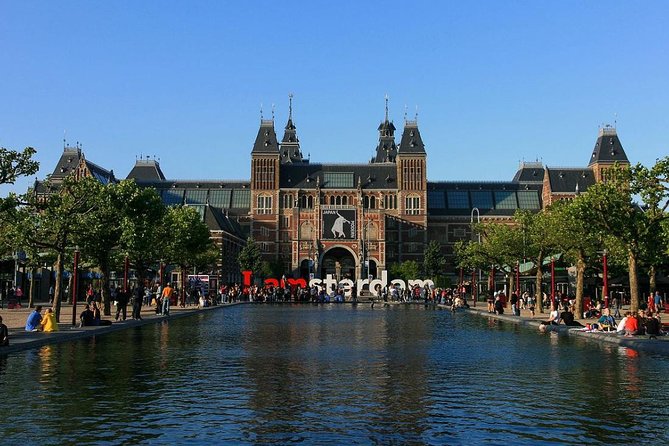
The biggest practical promise here is skip-the-line admission. In a major museum, saving waiting time keeps your day from getting derailed.
But remember the extra cost: admission tickets are not included in the base price. You’ll pay 20 EUR per person in cash to the host. Your guide takes care of prebooking, which helps reduce the risk of you showing up and finding sold-out entry.
That said, a small number of negative experiences mention situations where tickets weren’t available and visits were canceled late. It’s not something you can fully control, so if this is your one museum day, you might want a backup plan for the same afternoon.
After the museum: Amsterdam recommendations that actually help
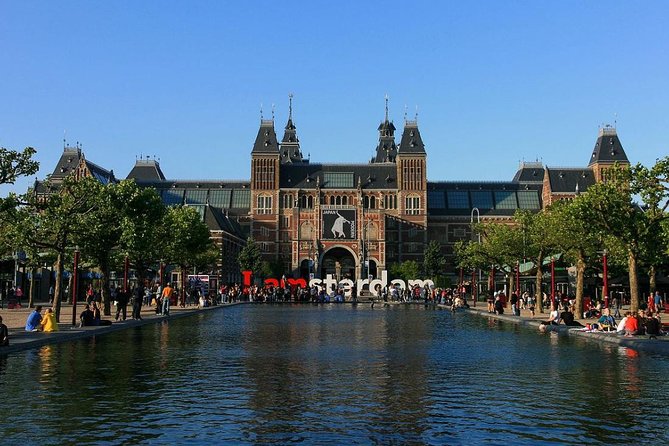
The tour includes time after the museum with local recommendations from your private guide. That can be practical—where to walk, what area makes sense next, how to structure your afternoon so you’re not zigzagging across town.
Because you’ll likely finish back at the meeting point, you can map the rest of your day from that neighborhood with less stress.
If you’re short on time in Amsterdam, these tailored suggestions can be more useful than another printed guidebook page.
Who this tour suits best (and who should rethink it)
This tour fits best if:
- You want a high-impact museum visit in about 2 hours
- You like your art with context, not just a quick look at famous names
- You prefer a private pace where questions are welcome
- You’re going with family and want the museum to feel organized rather than overwhelming
You might rethink it if:
- You can’t manage the extra cash payment for admission
- You want an all-day museum experience (this is a focused route, not a full wander-through)
- You’re extremely sensitive to schedule drift (some reviews report the tour ran longer than expected)
Quick practical tips to get the most from your 2 hours
Go in ready to look slowly. This tour works best when you let the guide’s route do the heavy lifting.
Bring cash for the ticket payment (20 EUR per person), and wear shoes that handle standing and slow movement inside galleries. If you have a specific artist you care about, tell your guide early—private tours are the most flexible when you communicate what matters to you.
Finally, if you’re visiting with kids or people new to art, ask for a simpler explanation early. Good guides adjust quickly, and the best ones use your interests to shape what you see next.
Should you book this Rijksmuseum private tour?
If you’re aiming for the highest chance of feeling satisfied rather than rushed, I think this is a strong booking—especially if you value context and you want the museum to feel guided, not chaotic. The biggest strengths are the private pacing, the timeline-style route through major eras, and guides who can turn famous works into understandable stories.
Just make sure you’re comfortable with the added admission ticket cost paid in cash, and build in a little buffer time in your schedule. If Rijksmuseum entry is a top priority and this is your only slot, a backup plan for the same day is smart.
If those boxes fit your trip, you’ll likely leave with a clearer sense of how Dutch art evolved—and not just a list of names on a museum wall.
FAQ
Are the Rijksmuseum entrance tickets included in the tour price?
No. Entrance tickets are not included. You pay the host in cash (20 EUR per person).
Who arranges the entrance tickets?
Your guide prebooks the admission tickets for you.
How long is the private tour?
The duration is about 2 hours.
Is this tour private or shared?
It’s private. Only your group participates.
Where do we meet the guide?
The meeting point is Hobbemastraat 18, 1071 ZB Amsterdam, Netherlands.
Where does the tour end?
The activity ends back at the meeting point.
What part of the museum does the tour cover?
The tour covers multiple eras and highlights, including medieval times, the Renaissance, the Golden Age (Hals, Vermeer, Rembrandt), plus 18th- and 19th-century highlights like Battle at Waterloo.
Does the guide provide recommendations outside the museum?
Yes. Afterward, you get local recommendations from your private guide.
Is the experience carbon neutral?
Yes, it is listed as a carbon neutral experience.
Is this close to public transportation?
The meeting point is near public transportation.
Can I change or cancel after booking?
This experience is non-refundable and cannot be changed.